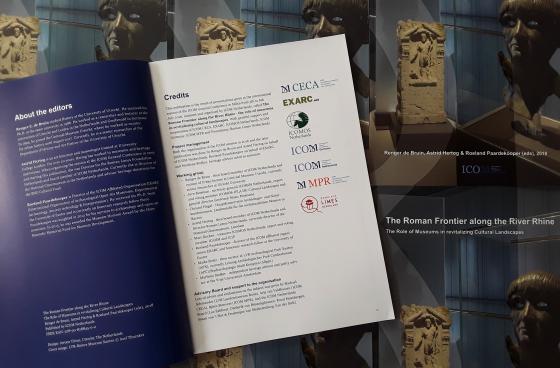


EXARC is an affiliated organisation to ICOM, the International Council of Museums. We represent archaeological open-air museums and experimental archaeology in the international museum circles.
With over 40,000 museum professionals, ICOM is represented everywhere in the museum world. ICOM sets standards in museum ethics, offers guidelines, definitions and much more. Many themes EXARC members work with are very familiar to ICOM and its members.
Archaeological open-air museums are interactive and appeals to many different target groups, with different levels of information and activities. Reason for EXARC to become an affiliated organisation under ICOM is that the scene of archaeological open-air museums is still orderly, but rapidly growing. The development of the sector is very quick and it is important to give it a clear frame because correcting is harder than starting right. There is the need for these museums to professionalise further, both individually and in an international network. We represent archaeological open-air museums and experimental archaeology in the international museum world.
EXARCs status as ICOM Affiliated Organisation (AO) is beneficial to all EXARCs members, ICOM and EXARC itself. EXARCs most relevant partners are the international committees ICMAH, the International Committee for Museums and Collections of Archaeology and Historyand CECA, the International Committee on Museum Education and Cultural Action.

Are you member of ICOM already?
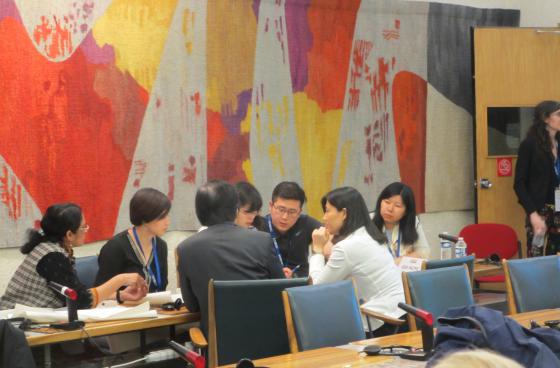
EXARC stands strong if many EXARC members are also member of ICOM. Membership gives you access to the international conferences, free or reduced entry to 20,000 museums worldwide and a large online presence. You can take part in debates, training and in reflections about the future of museums. Membership of ICOM can aid in convincing authorities that you take museum work seriously!
More information: http://icom.museum/join-us/become-a-member