
Canada
Slicing into the Past. Experimental Use of Obsidian Prismatic Blades and Analysis of Modern Botanical Residues

Publication Date
This experimental study offers new insights into the deposition and taphonomy of microscopic plant residues (phytoliths and starch grains) on obsidian prismatic blades. Twenty blades were flaked from a new obsidian core and used to process eight botanical elements frequently recovered from archaeological contexts in Mesoamerica: maize (Zea mays) leaves and cobs, two varieties of sweet potato (Ipomoea batatas), two species of squash (Cucurbita pepo and C. moschata), manioc (Manihot esculenta), and hardwood. We examined the quantity of visible residues deposited on the blades before microbotanical extractions. We analysed and quantified extracted starch grains and phytoliths and made limited observations of microscopic blade usewear. We also documented how experiment participants handled and used prismatic blades. The results obtained in this limited study support the idea that archaeological visibility of certain plants is tied less to sequence of tool use and more to the general visibility of residues created by certain species. This study provides insights into the relationship between obsidian prismatic blade use, deposition of botanical residues, and recovery of microbotanical remains. Tracking taphonomy is important for interpreting relationships between people, plants, and culinary practice.
100 Bloomery Iron Smelts: Presenting the Data Web Linked Tables
Publication Date
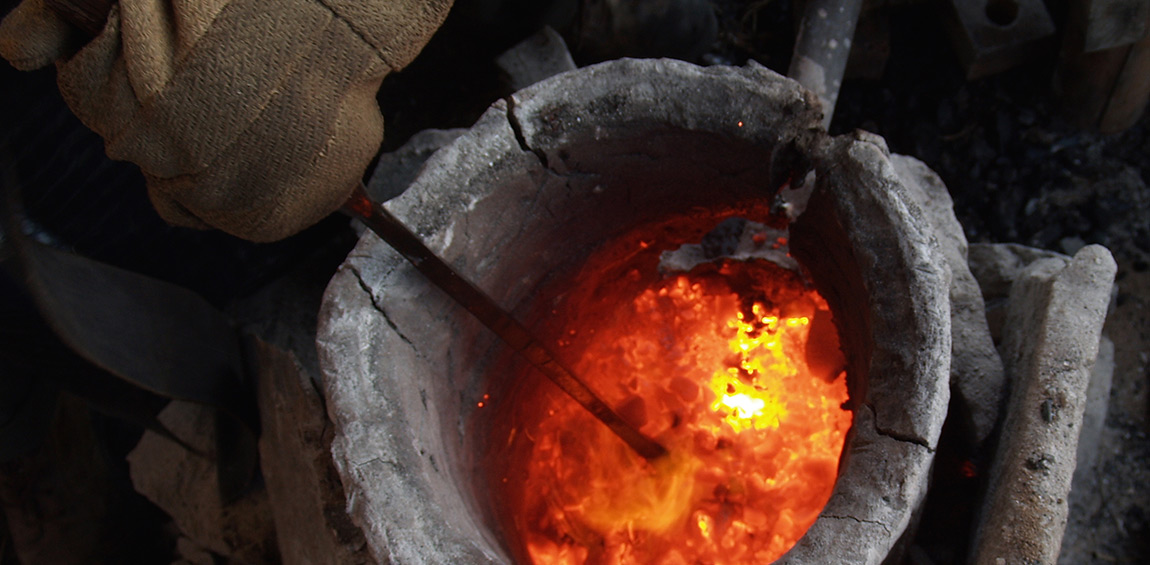
From 2001 to 2026, a total of 101 individual bloomery iron smelts have been carried out either directly or with significant participation by Darrell Markewitz. The bulk of this work was undertaken at Wareham in Central Ontario, Canada. The total includes project work in the USA, Scotland, Denmark, Ireland and Poland. The primary supporting team was made up of members of the Dark ages Re-Creation Company who undertook an additional two smelts included here. Overall, this experimental research is unique in Canada.
.
“Look at the Bones!” - Adding Bone in a Bloomery Iron Smelt
Publication Date
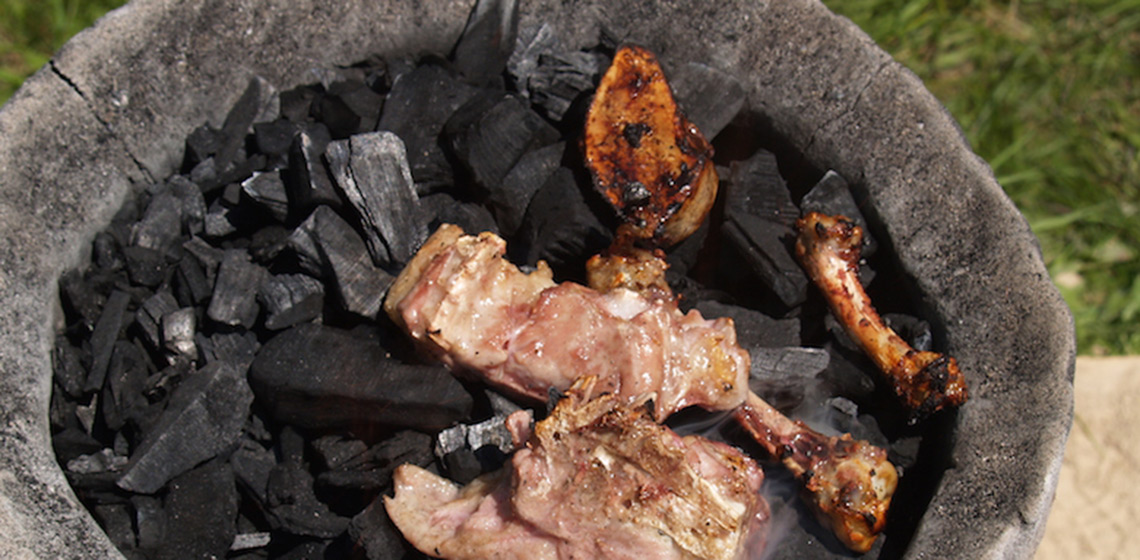
A case study of a practical experimental test. Through 2019, much was made in the popular press suggesting that during the Viking Age, exhumed human bone had been used in the chain of production from iron ore through to finished swords. Contradicting this, considerable experience with small scale direct reduction process bloomery iron smelting furnaces indicated...
Standardized Reporting of Experimental Iron Smelting - A modest (?) Proposal
Publication Date
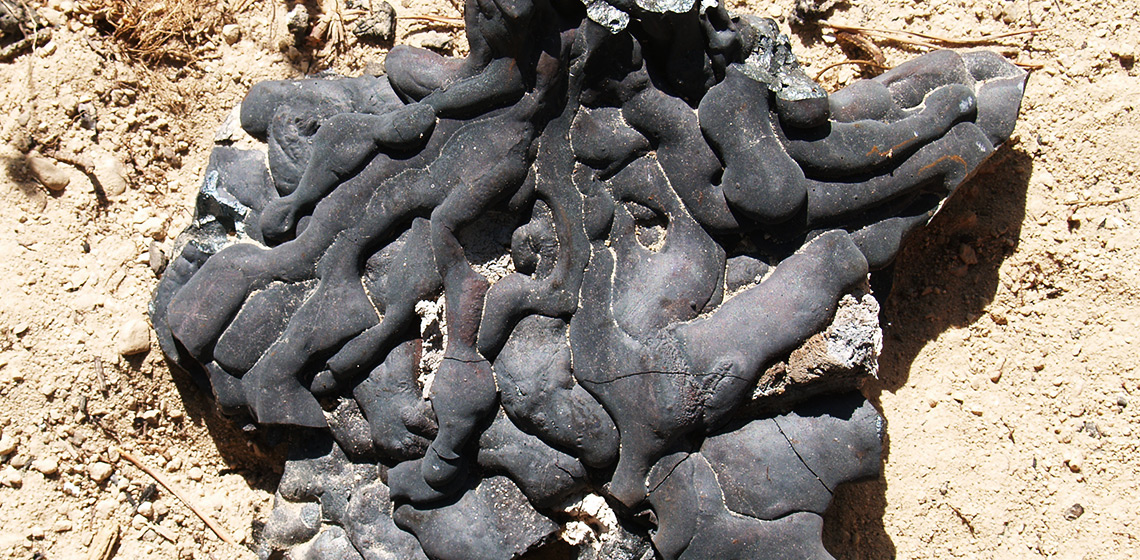
The development of effective bloomery iron smelting has progressed over the past decades from the first repeated experiments into documented, effective, methods. This progression has primarily been the work of often isolated individuals, many with great practical experience as artisans, but most often with little formal academic training...
Hunting for Use-Wear
Publication Date
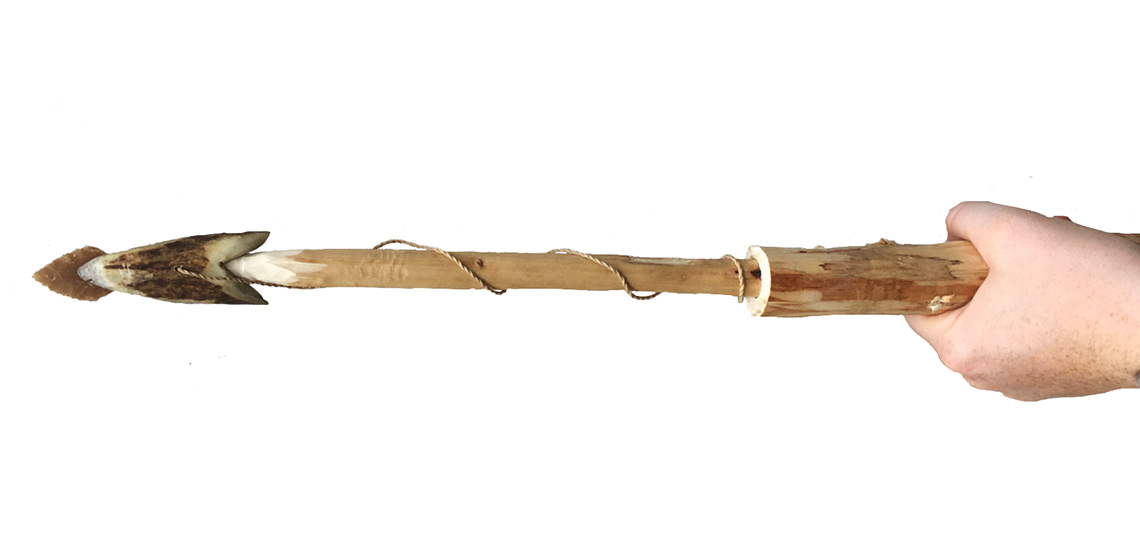
Harpoons are an essential part of the hunting toolkit amongst Inuit and have been integral to the material culture assemblage of Arctic groups for thousands of years. The pre-Inuit population known as the Dorset cultures (app. 800 BC–1300 AD) - also sometimes referred to as Tuniit - were highly dependent on a maritime subsistence with harpoon heads as one of the dominant artefact categories at Dorset sites. Although the use of these harpoons is known...
Working with Artisans; The ‘It Depends’ Dilemma
Publication Date
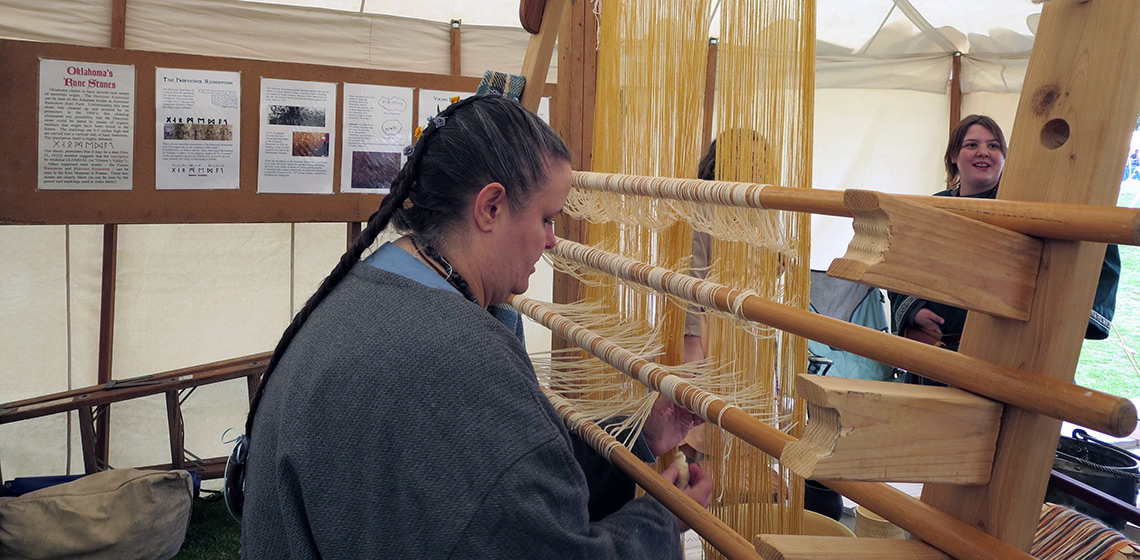
We live in a world where scientific method is both the expected and accepted path to knowledge. With any scientific method, experiments based on detailed, well-documented, well-considered theories, and precise set-ups must be replicated exactly by others who come to the same conclusion to consider the information gleaned from them to be valid. This has become the accepted practice for most...
The Mother of All Bead Furnaces: Testing a Hypothesis about a Natural Draft Bead Furnace
Publication Date
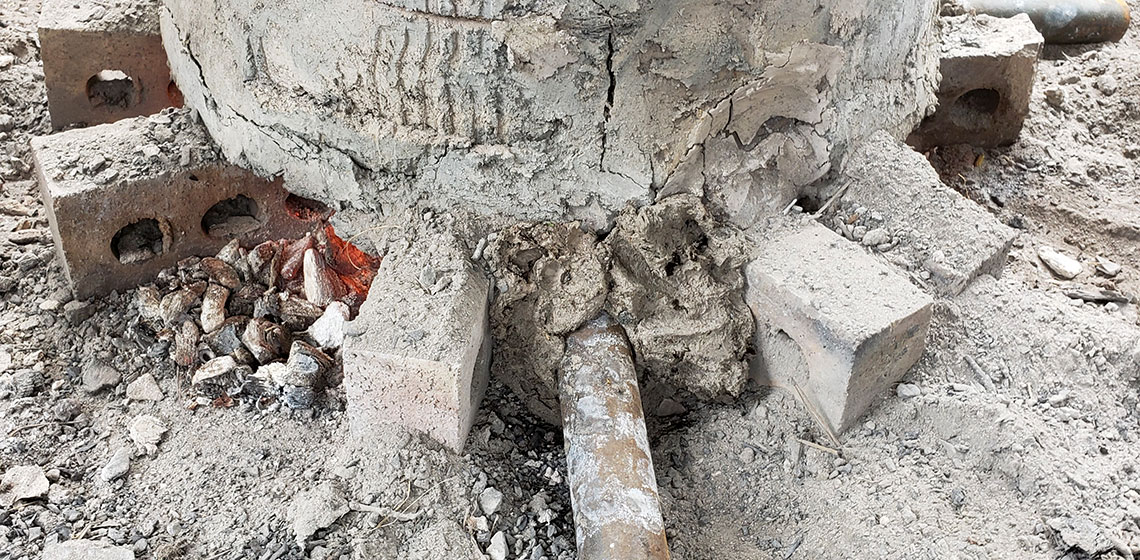
As a part of the ongoing exploration of Viking Era glass bead production, the Dark Ages Re-creation Company (DARC) team perform new pilot experiments on a regular basis. These experiments provide a preliminary understanding of a specific construct or research question, allowing us to judge the validity of further experiments, as well as what equipment or additional questions may be necessary as a part of...
Event Review: Dark Ages Recreation Company at L’Anse aux Meadows, NHSC 2017
Publication Date
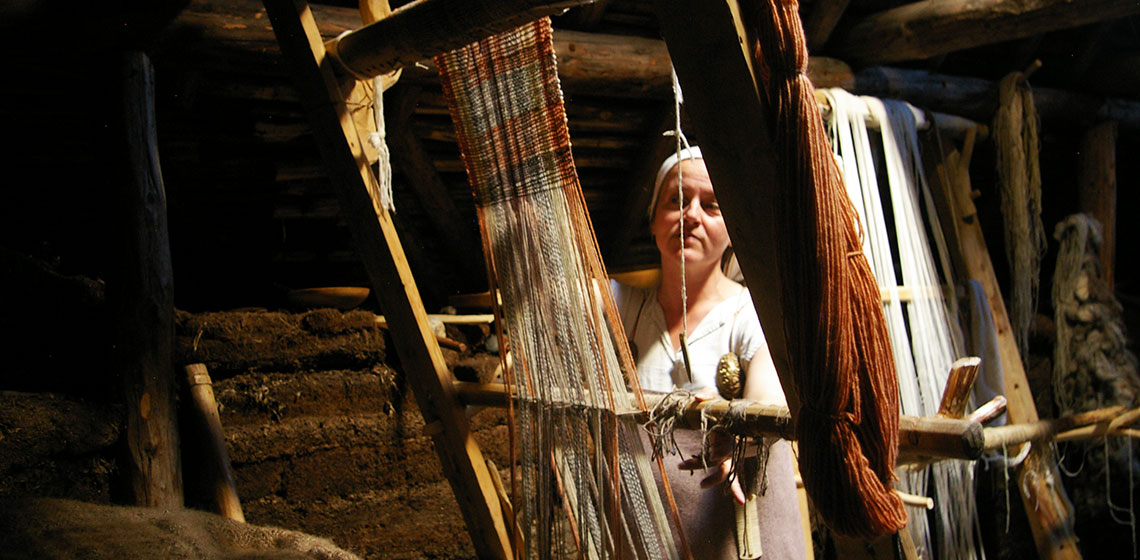
Lying at the extreme northern tip of Newfoundland, L'Anse aux Meadows represents the only widely accepted Viking-Era presence in North America. Archaeological remains of seven buildings were found at the site, along with a few minor artefacts including a ring-headed pin, glass bead, and drop-spindle whorl. Evidence of on-site work was also found in the form of iron slag, discarded ship rivets, and axe-hewn wood chips. Four of the seven buildings were reconstructed by Parks Canada. Since 1997, these have been staffed by costumed interpreters who blend first- and third
Sherd Shatter Patterns Experiment
Publication Date
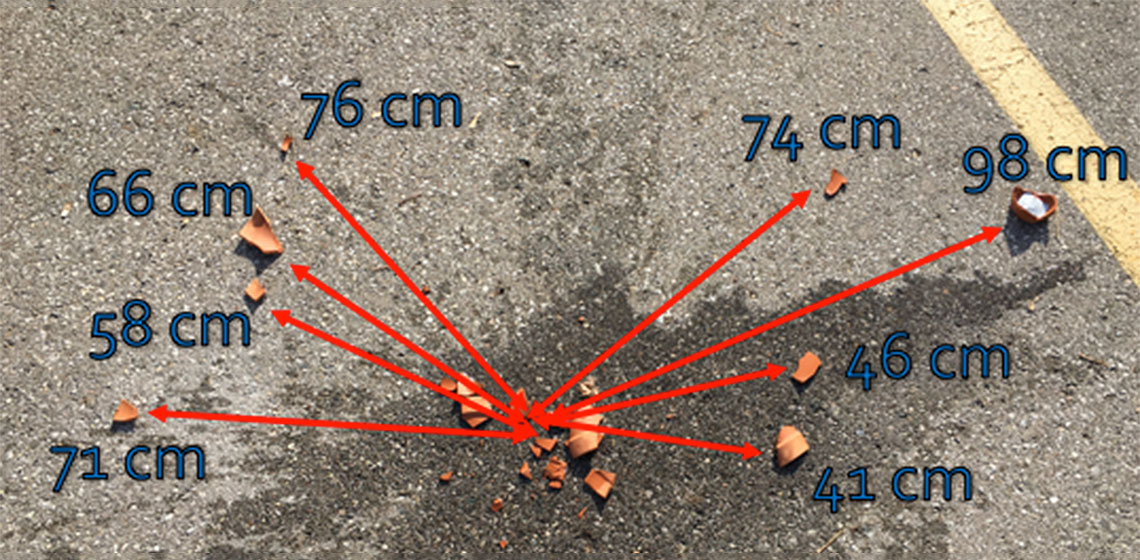
In field archaeology, the importance of non-diagnostic sherds is often overlooked. This archaeological experiment suggests that archaeologists should take into greater consideration, contexts where sherds are found grouped together in close proximity. The authors tested a series of experimental drops of modern pots...
Conference Review: EXARC at the International Congress on Medieval Studies in Kalamazoo, Michigan (USA)
Publication Date
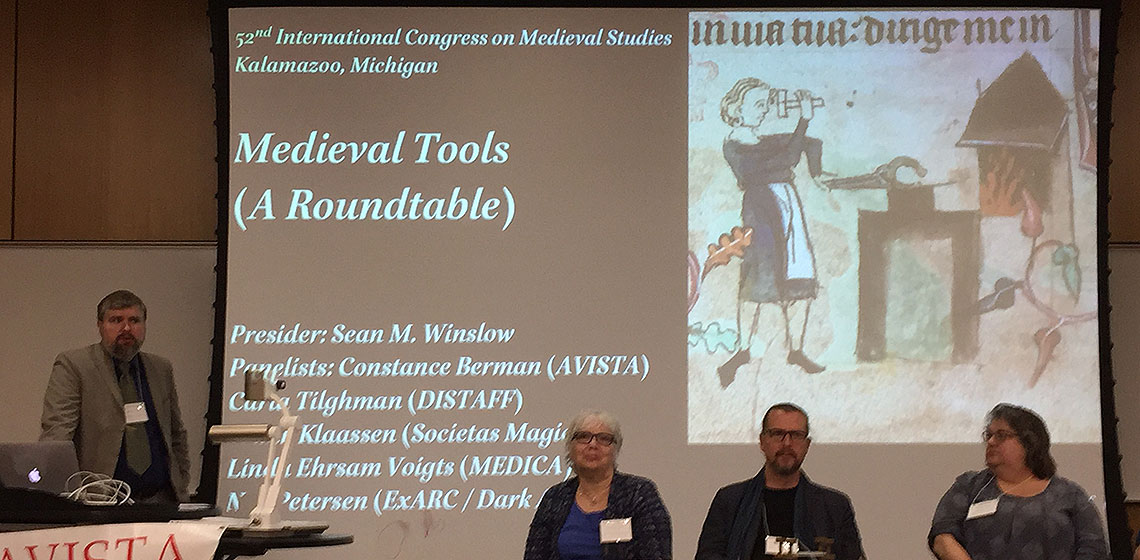
The International Congress on Medieval Studies is held at Western Michigan University in Kalamazoo each May. Now in its 52nd year, ICMS draws around 3,000 people attending approximately 575 sessions of papers, panel discussions, round tables, workshops and performances...