
Denmark
A Hall fit for a King; a Meeting fit for All
Publication Date
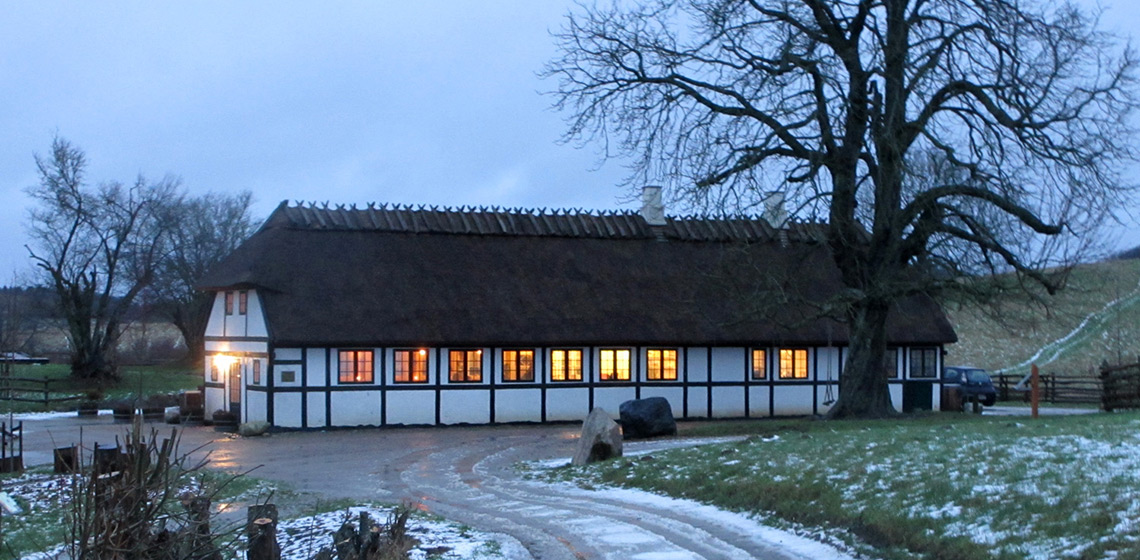
Denmark has a long tradition in educational activities in reconstructed environments. Lejre, Sjælland is one of the oldest examples, but by now the country has over 25 smaller and larger education centres where school children learn about the archaeological past. A number of these sites are also open to the public. You will be able to find most of them via https://exarc.net/venues.
Event Review: Experimental Archaeology in Denmark 2022
Publication Date
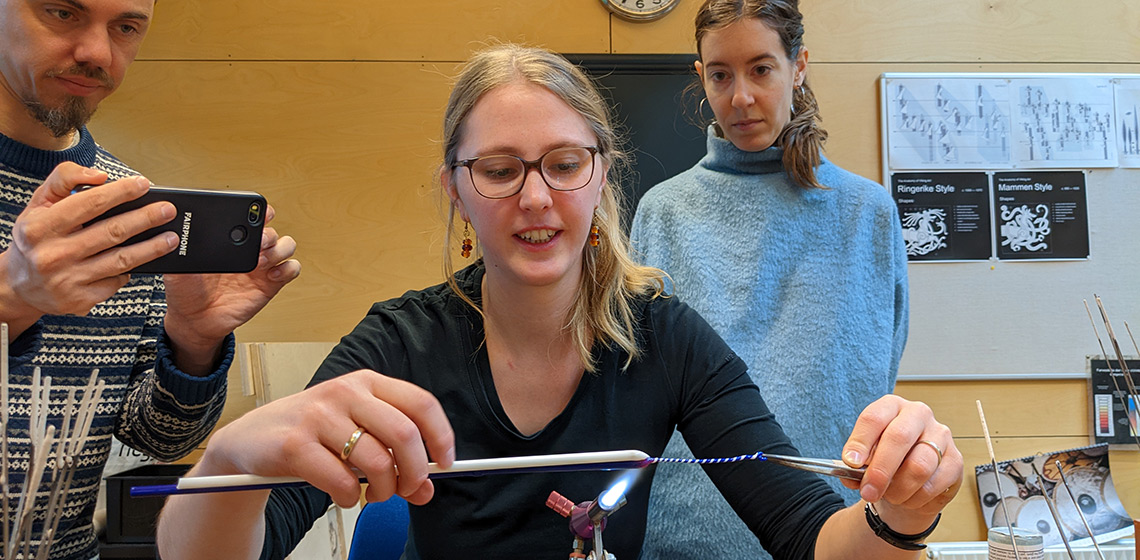
Following up on the inception meeting back in November 2021 it was clear that a meeting opportunity for researchers, museum workers, craftspeople and practitioners in experimental archaeology was missing. A year later it was interesting to follow up on the forum to see if it was actual viable and if there was a desire to continue in its current form.
Event Review: Experimental Archaeology in Denmark 2021
Publication Date
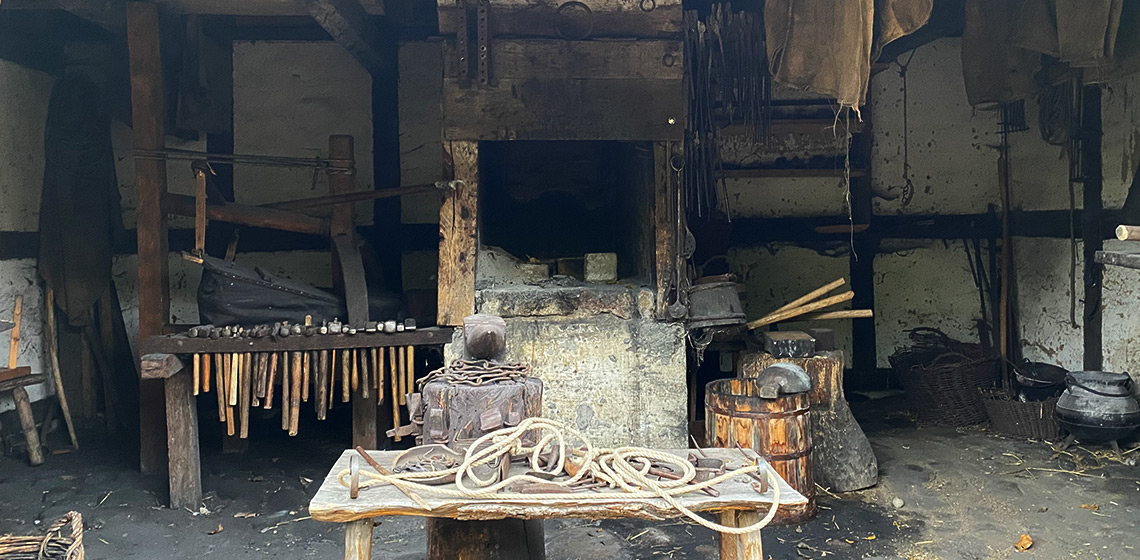
The meeting for Experimental Archaeology in Denmark (EAD) 2021 (Eksperimentel Arkæologi i Danmark) was held between the 5th and 7th of November 2021 at the Medieval Centre at Lolland in Denmark. The Medieval Centre focusses on living history in their museum with houses, staff, and volunteers recreating the environment of the time around the year 1395...
Book Review: Road to the Vikings – Bridge between two Worlds by Linda Boye, Klaus Mejer Mynzberg and Mads Thernøe
Publication Date
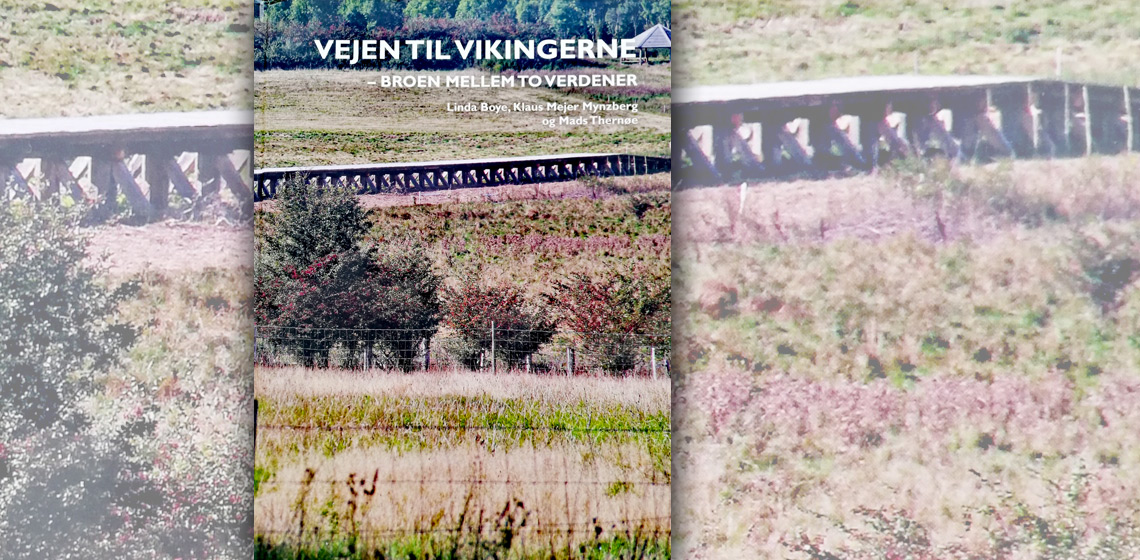
The book Vejen til Vikingerne – broen mellem to verdener is about the Viking Bridge Project, which was run by Kroppedal Museum in Høje Taastrup, Denmark, and Vikingelandsbyen in Albertslund from 2017-2019. The book describes the project from thought to action and subsequent dissemination. The Viking Bridge Haraldsbro is now a reality and this publication is the final part of the project...
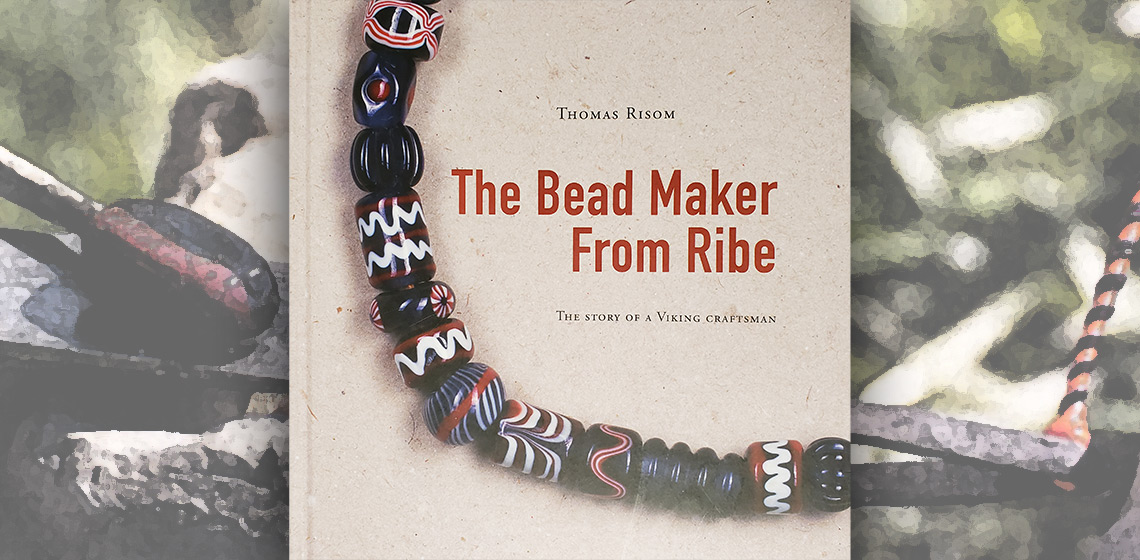
Book Review: The Bead Maker From Ribe: The Story of a Viking Craftsman by Thomas Risom
Publication Date
Having been involved with experimental work with Viking Era beads for a decade and a half, I am always looking for more information on the topic. Ribe is the most significant beadmaking site of the Viking Era due to its archaeological remains and the museum’s active experimental, interpretative, and craft programs. New material focusing on this site is thus of particular interest, so I was very pleased to get a copy...
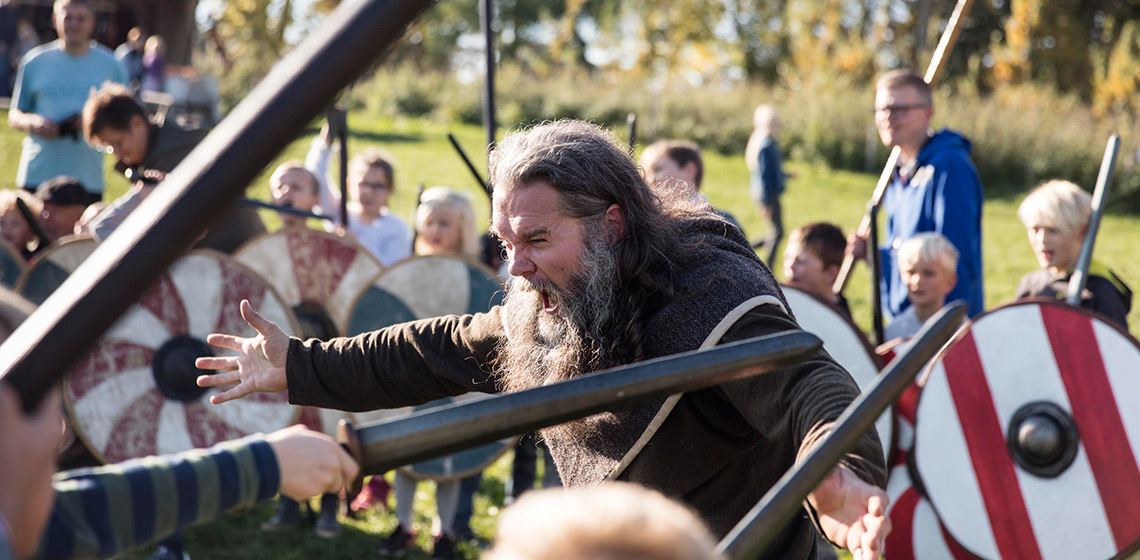
Warrior Training in Sagnlandet Lejre – An Exercise in Community, Camaraderie and Cooperation
Publication Date
Sagnlandet Lejre is a Knowledge Pedagogical Activity Centre that explores, disseminates and preserves knowledge and trades on traditional historical and prehistoric crafts and living. Since 1964, as the Historical Archaeological Dissemination and Research Centre, Sagnlandet Leire has been a Historical Workshop that makes abstract knowledge concrete, and makes the complex, simple...
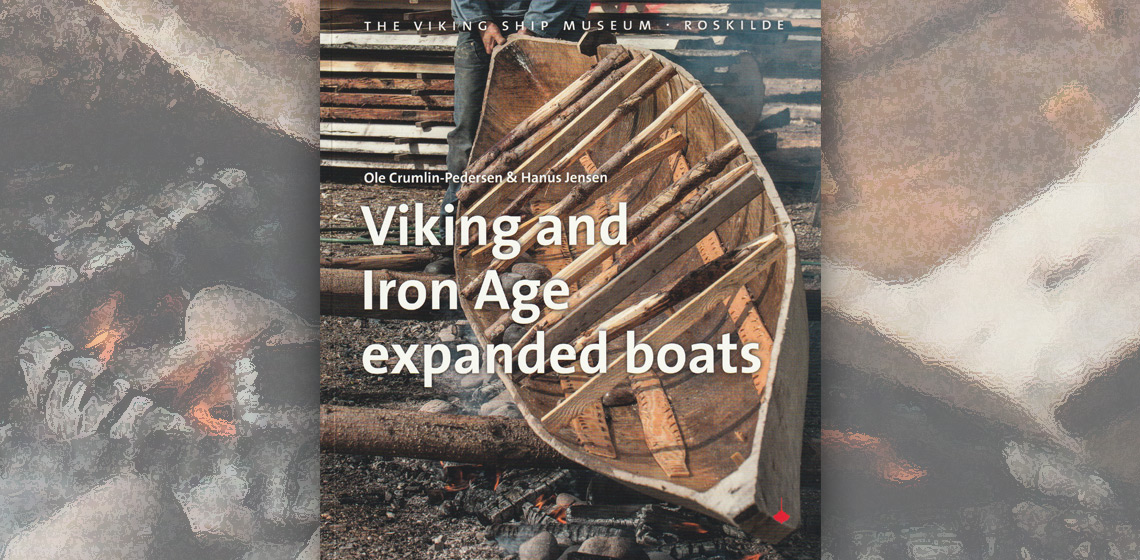
Book Review: Viking and Iron Age expanded Boats by Ole Crumlin-Pedersen and Hanus Jensen
Publication Date
Viking and Iron Age expanded boats is the English version of the simultaneously-published Danish edition, Udspændte både fra vikingetid og jernalder. The two editions are identical in layout and are heavily illustrated with colour and black and white photographs, and line drawings from a variety of sources. This review is of the English edition.
By “expanded boats”, the authors mean those craft that are more...
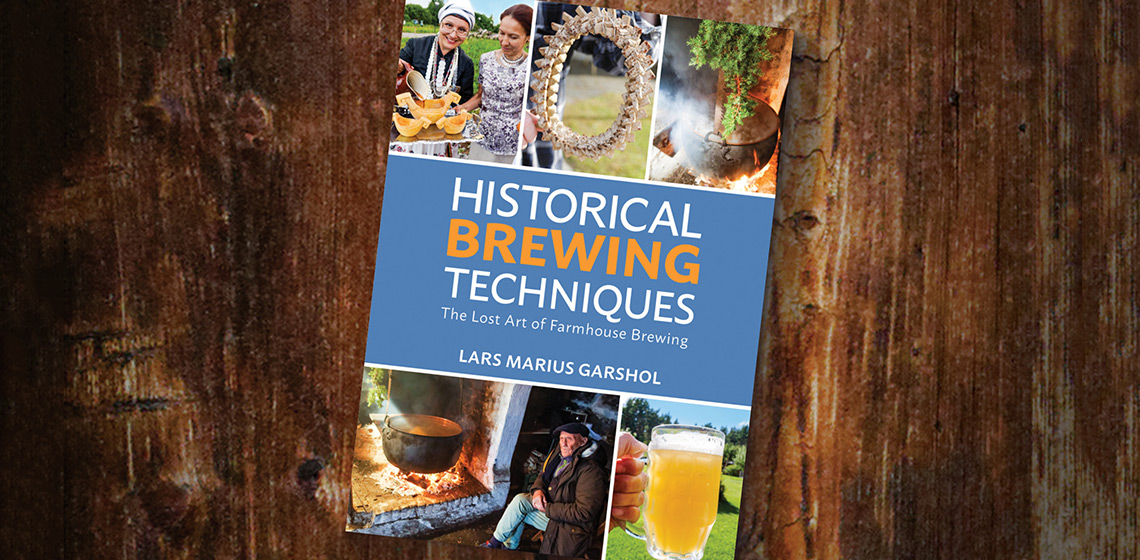
Book Review: Historical Brewing Techniques by Lars Marius Garshol
Publication Date
My fascination with Scandinavian yeast rings let me to meet Lars Marius Garshol, online, several years ago. It was refreshing to meet someone, even if only online, who, just like I, enjoys the practical aspects of enjoying and brewing a good home brew as well as being deeply fascinated with its traditions and history. We shared research, compared notes, and had lively discussions, even though...
Roar Ege: The Lifecycle of a Reconstructed Viking Ship
Publication Date
11th EAC Trento 2019
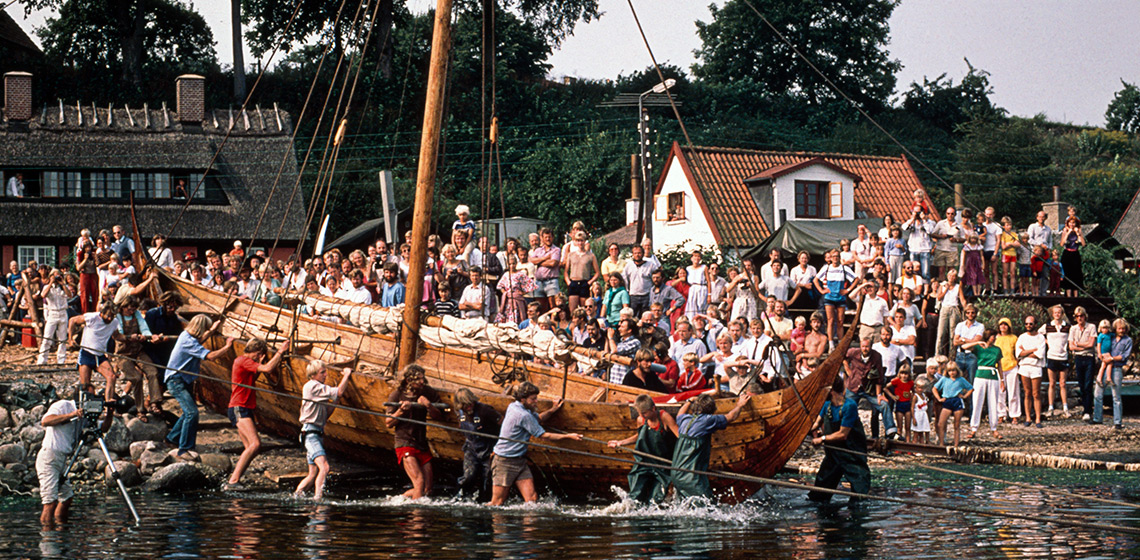
***In 1962, the remains of five late Viking Age ships were excavated from Roskilde Fjord, near Skuldelev on the Danish island of Zealand (See Figure 1: Crumlin-Pedersen and Olsen, 2002). Twenty years later, the Viking Ship Museum in Roskilde began the process of building its first full-scale Viking ship reconstruction, the 14 m long coastal transport and trading vessel, Skuldelev 3.
***In 1962, the remains of five late Viking Age ships were excavated from Roskilde Fjord, near Skuldelev on the Danish island of Zealand (See Figure 1: Crumlin-Pedersen and Olsen, 2002). Twenty years later, the Viking Ship Museum in Roskilde began the process of building its first full-scale Viking ship reconstruction, the 14 m long coastal transport and trading vessel, Skuldelev 3.
Book Review: Bows and Arrows of the Vikings, by Dan Høj
Publication Date
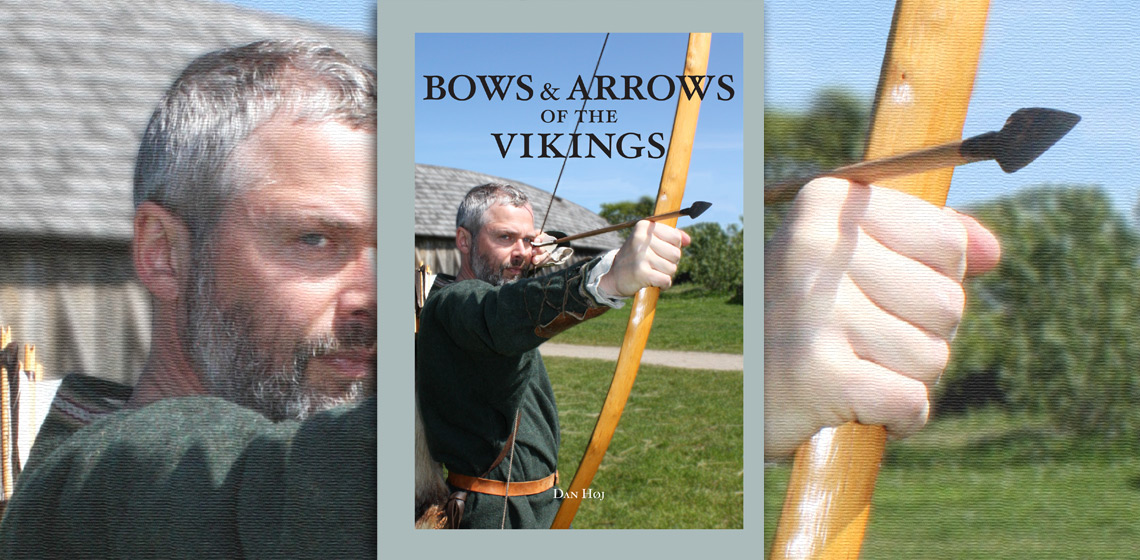
Dan Høj, a Danish archer and Viking reenactor, is very well known for his expertise in archery, especially in regard to the history of the bows used in North European (pre)history and in his new book he addresses the Viking era. He starts with a very good overview of ...