
France
Building Rome in a Couple Days: Erecting a Painted Portico in Alésia
Publication Date
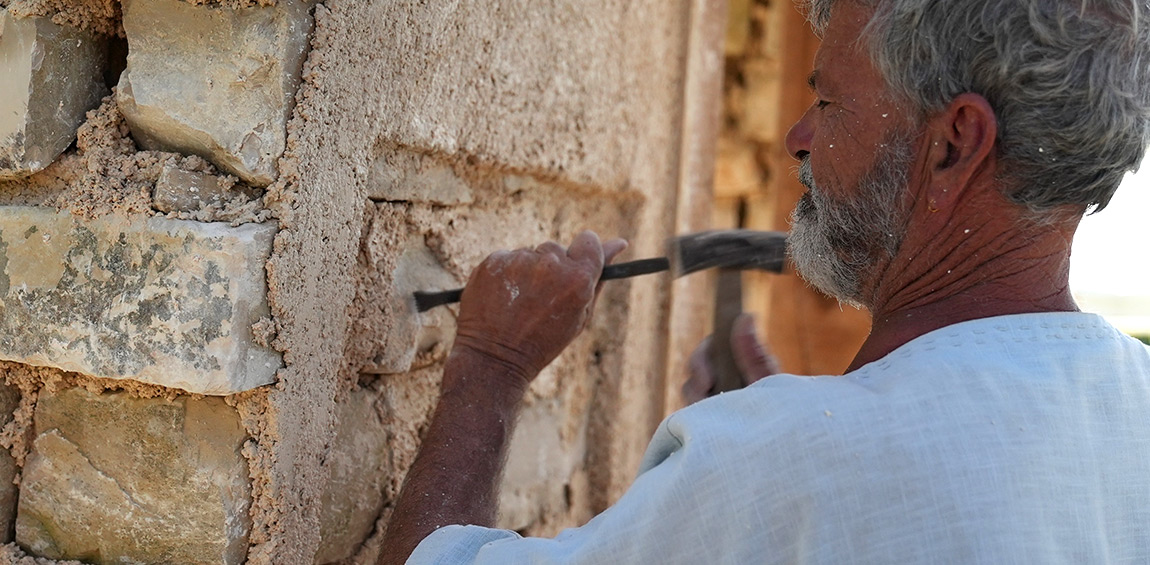
Roman construction is a recurring theme in archaeology, having been studied through many lenses: architecture, materials, urbanism, ornamentation, economics, religion, and so forth. Nevertheless, many aspects of the building process have seldom been the focus of these analyses, especially the specific actions and craftsmen involved in the chaîne opératoire. It is the aim of the Fabri Tignuarii – the roman college of building craftsmen – to delve into the specifics of roman construction...
Reconstruction of ‘Lattara type’ Housing in a French Archaeosite in Southern France
Publication Date
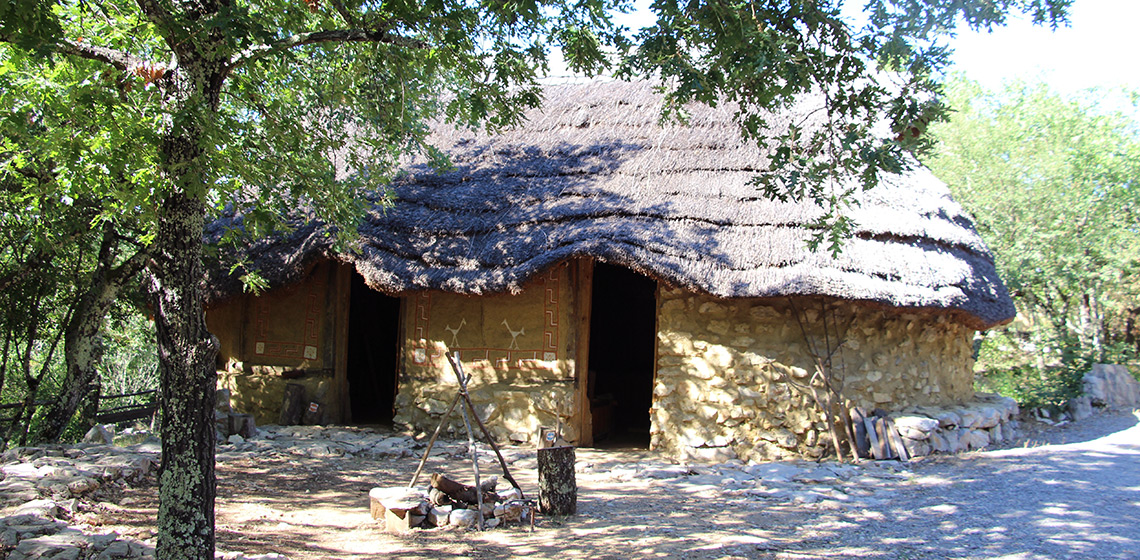
Randa Ardesca is an "Archaeosite", which means it is a place dedicated to experimental archaeology and living history. This type of site could also be an archaeological site, but Randa Ardesca is not because the excavations made in situ were not inconclusive. We are located in the south of France, in the region of Ardèche...
Conference Review: EXARC at the European Archaeology Days Forum in Paris 2023
Publication Date
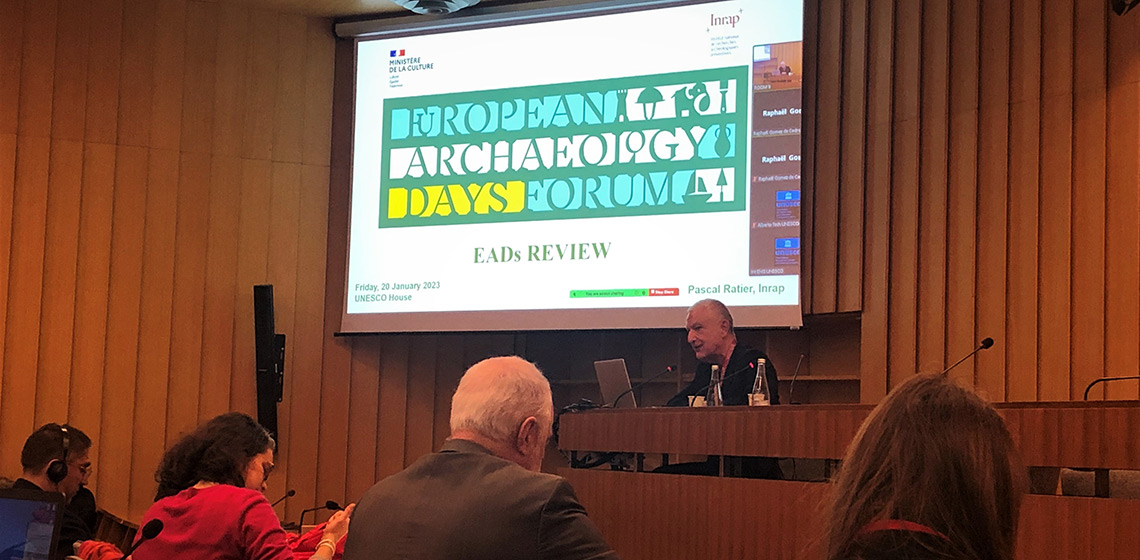
On January 20, the INRAP, overall coordinator of the European Archaeology Days (EAD), invited the national coordinators as well as several partners of the event at the UNESCO in Paris for a day of get-together and discussions. 19 countries were represented during the Forum, with the participation of 26 national coordinators. Lygeri Papagiannaki represented EXARC...
Conference Review: The 6th CONEXP held between October 25-28 2022 at Pézenas (FR)
Publication Date
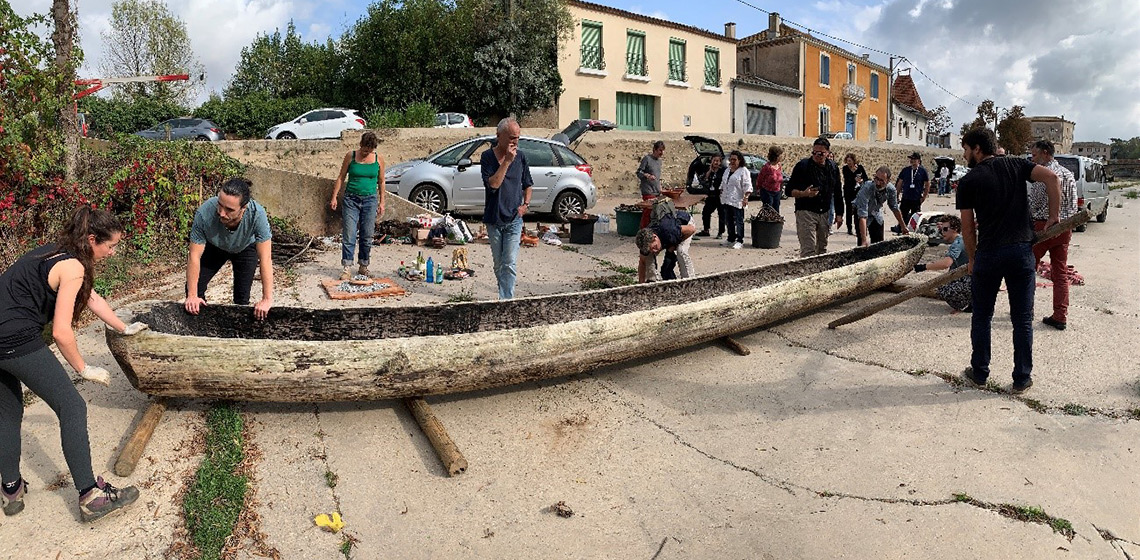
From 25 to 28 October 2022, we celebrated the 6th International Congress of Experimental Archaeology at Pézenas (France) with the support of the Experimental Association, EXARC, and several local and national French institutions that included INRAP. This Congress, which started in Santander (Cantabria) in 2005, and after that was organized in Ronda (Granada) 2008, Banyoles (Girona) 2011, Burgos 2014...
Experimental Archaeology of Iron Age Firing Structures from the Western Mediterranean
Publication Date
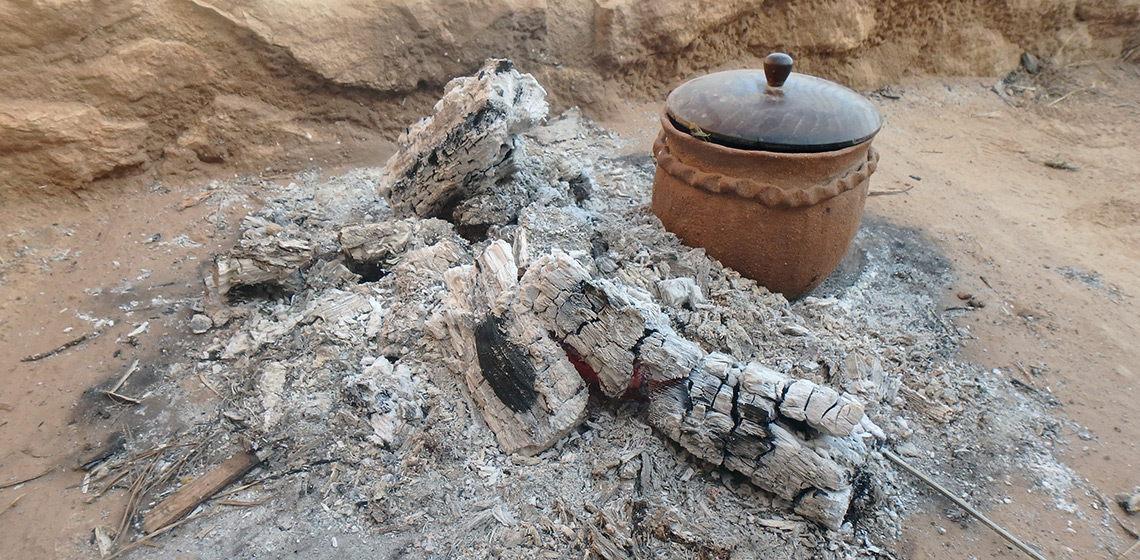
Within the project “Transdisciplinary and experimental study of firing structures in the western Mediterranean during Protohistory (1st millennium BC)”, the TRANSCOMB project is an experimental research programme conducted at the Ciutadella Ibèrica (Iberian Citadell) of Calafell Archaeological Site (Tarragona, Spain) (See Figure 1 and Figure 2). The main objective of the research is to deepen our knowledge of ...
Irish Copper Axe-Ingots Recovered in Brittany: Experimental Casting to Recreate Porous Material
Publication Date
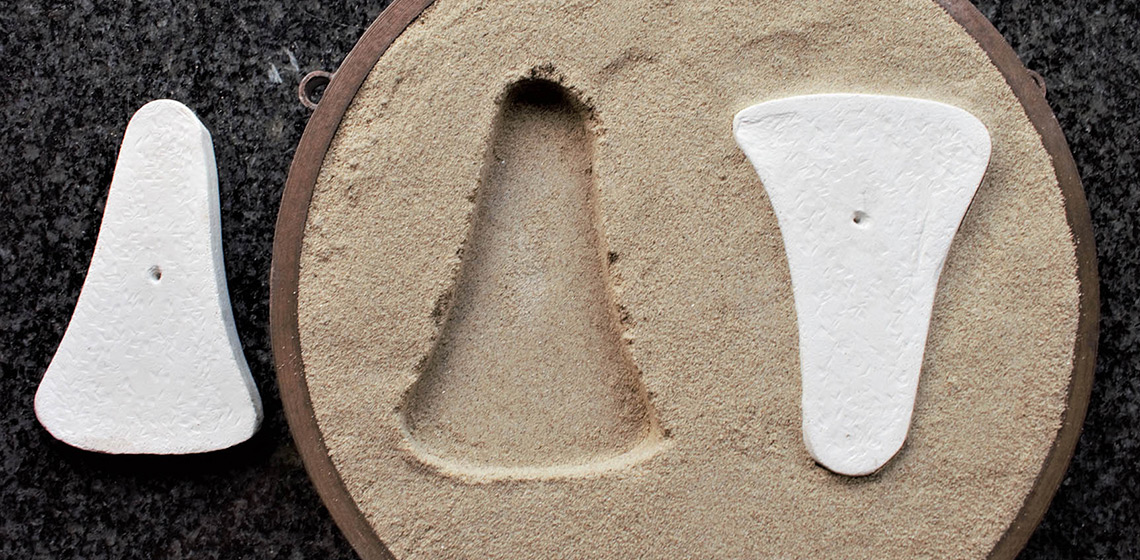
The present study discusses the casting of copper axe-ingots in open, wet sand moulds, in an attempt to recreate porous artefacts that have been recovered in Brittany, France. The original axe-ingots are considered to be Irish copper metalwork from the Early Bonze Age. However, these artefacts are not finished objects and are poorly cast. This nevertheless appears to be deliberate because...
An Analysis of Contemporary Sources to Uncover the Medieval Identity of the Drink Bochet
Publication Date
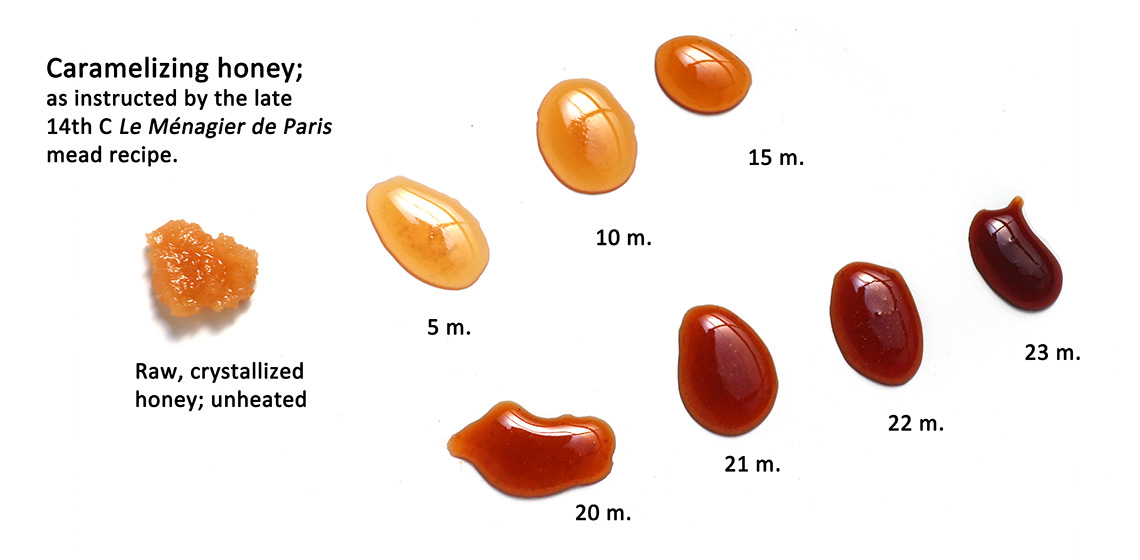
When Le Ménagier de Paris (1393), a medieval household manual detailing a woman's proper behavior in marriage and running a household, was newly translated and republished as The Good Wife’s Guide: a Medieval Household Book by the Cornell University Press in 2009, its collection of recipes – including one for bochet – became easily available to the general public...
Conference Review: ICA II Conference Paris, France
Publication Date
The ICAII International Conference on Archaeometallurgy was held 25 September to 1 October 2019 at the Sorbonne University, Paris-Saclay University, and at Melle dans le Poitou where experiments were conducted. Papers were delivered in French and English and primarily focused on the metallurgy of the Bronze Age and New Kingdom periods in Egypt and the Middle East, using evidence from...
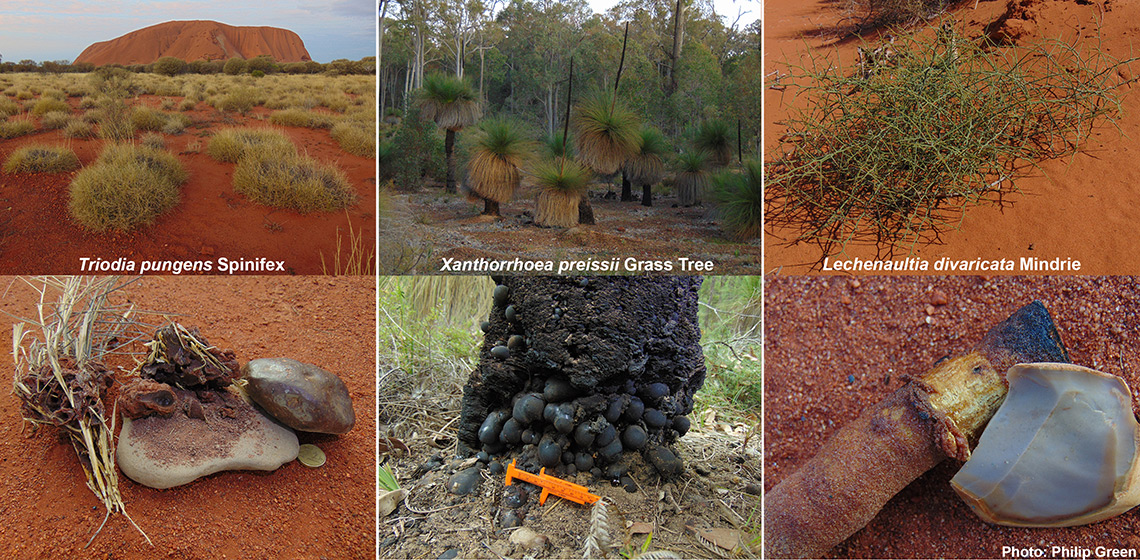
Hafted Tool-use Experiments with Australian Aboriginal Plant Adhesives: Triodia Spinifex, Xanthorrhoea Grass Tree and Lechenaultia divaricata Mindrie
Publication Date
Hafted stone tools commonly figure in Australian archaeology but hafting traces and manufacture processes are infrequently studied. The Aboriginal processing of resin from Xanthorrhoea (Sol. Ex Sm.) grass tree, Triodia (R.Br.) spinifex and Lechenaultia divaricata (F.Muell.)...
Barely Scratching the Surface: An Experimental Approach to Engraved Magdalenian Plaquettes
Publication Date
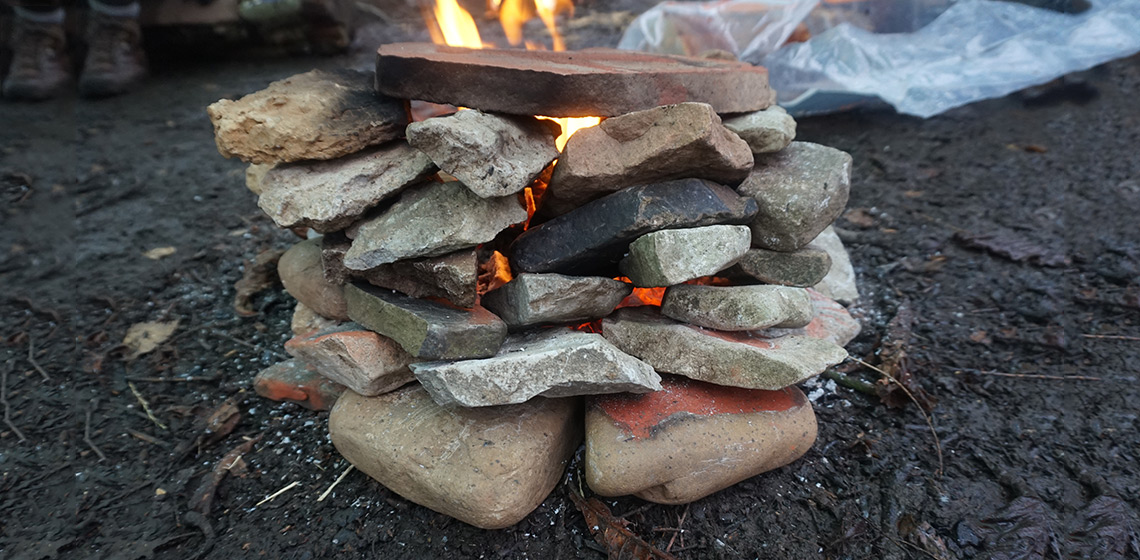
This paper investigates the creation, utilisation, and destruction of engraved Magdalenian plaquettes through the application of actualistic experimental replication. Archaeological evidence suggests that there is a relationship between plaquettes and hearth structures, as well as engraved depictions and the destruction of the plaquettes through heating. However, this relationship between fire and plaquettes...