
France
Shooting Experiments with Early Medieval Arrowheads
Publication Date
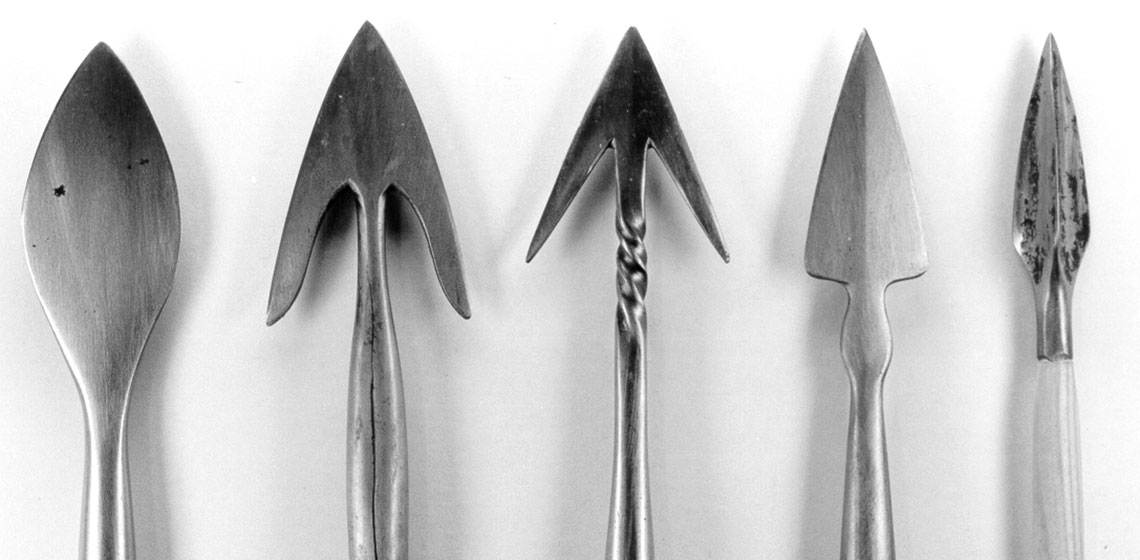
In the Merovingian era (5th-8th century AD) a lot of variously shaped iron arrowheads were used by the Franks, Alemannians and Bavarians, who dwelled in the region known today as Germany, Austria and Switzerland. As archaeological artefacts, two-winged arrowheads with rhombic, willow-leaf or triangular blades represent a standard Germanic type. Iron bodkin and needle-shaped tips are also...
How to Communicate an Event to the Media
Publication Date
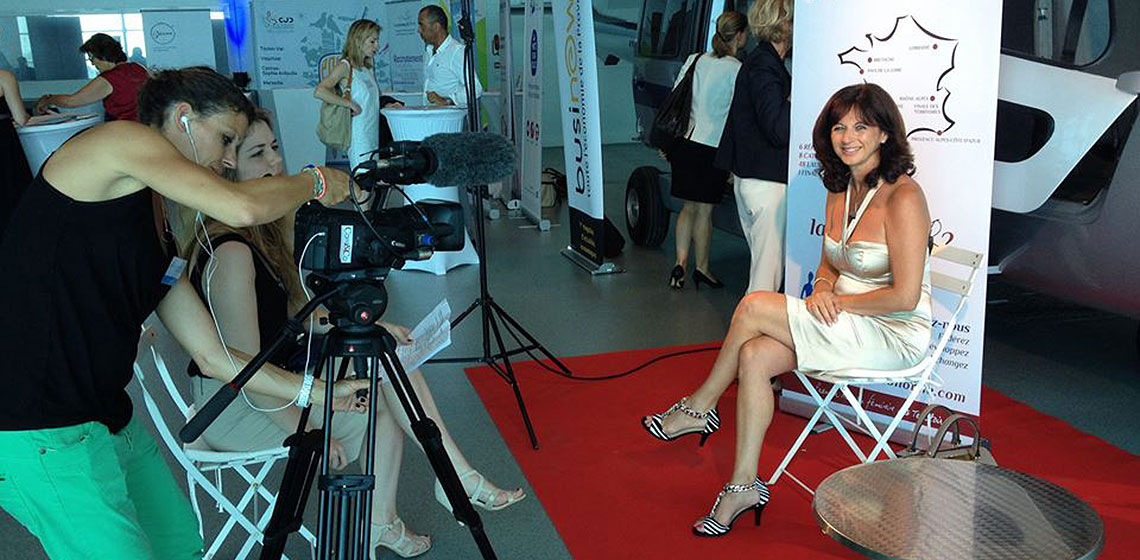
In 2018 a very important event took place in Russia that had worldwide impact: the Football World Cup. I'm French and we won! But aside from patriotism, the craze for this extremely popular sport can be largely attributed to the media. Without them, such an event could not have achieved such a magnitude of success. The World Cup has been explored by the media from all angles: fashion, science...
Conference Review: Mission á ICOM Paris: The ICOM June Meetings 2018
Publication Date
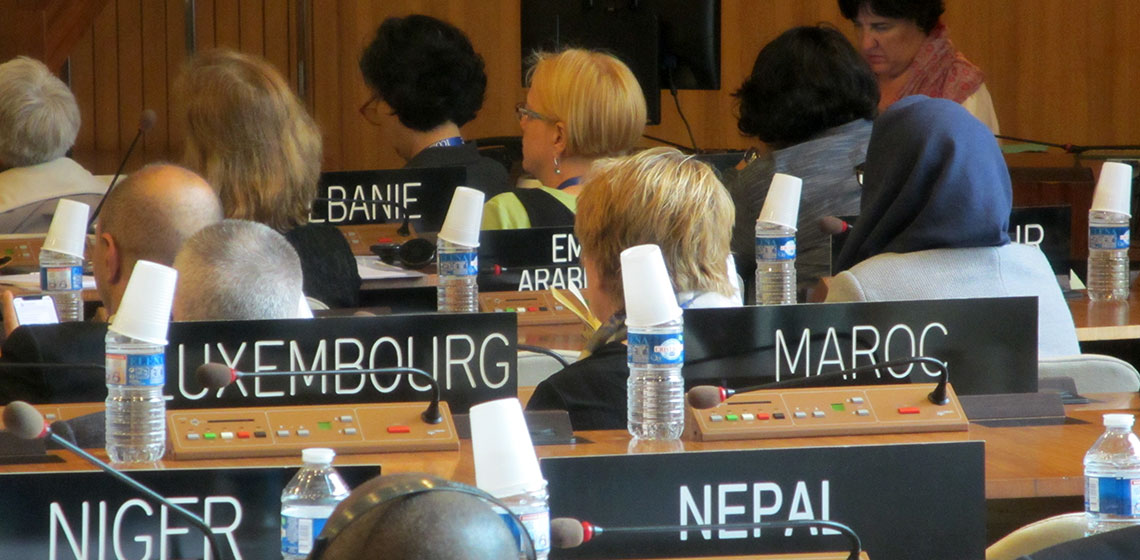
The International Council of Museums or ICOM has 41,000 members worldwide, all of which are museum professionals. In a span of six years, ICOM grew from 31,000 to 41,000 members; Europe makes up 84% of members, whilst individual members total to 93%. As a member you are entitled to an ICOM Membership Card, which gives you free entrance to thousands of museums worldwide...
Book Review: Experimentelle Archäologie in Europa, Jahrbuch 2017
Publication Date
Annual Proceedings of the EXAR Tagung
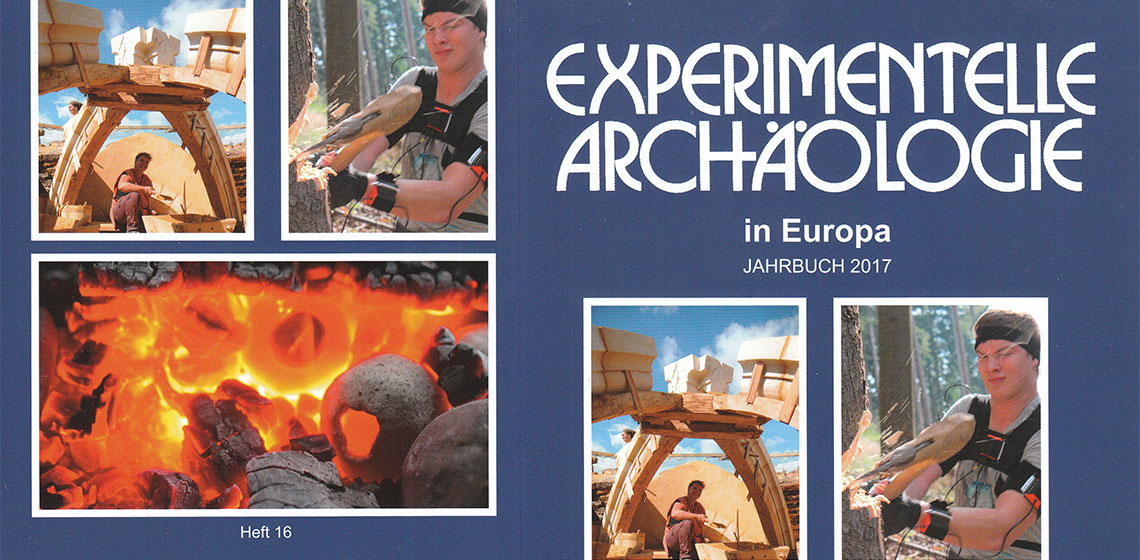
***This volume of Experimentelle Archäologie in Europa does not only serve as 2017’s year book of the European Association for the advancement of archaeology by experiment (EXAR), but also acts as a Festschrift dedicated to Professor Mamoun Fansa, who celebrated his 70th birthday...
***This volume of Experimentelle Archäologie in Europa does not only serve as 2017’s year book of the European Association for the advancement of archaeology by experiment (EXAR), but also acts as a Festschrift dedicated to Professor Mamoun Fansa, who celebrated his 70th birthday...
The Colour Palette of Antique Bronzes: An Experimental Archaeology Project
Publication Date
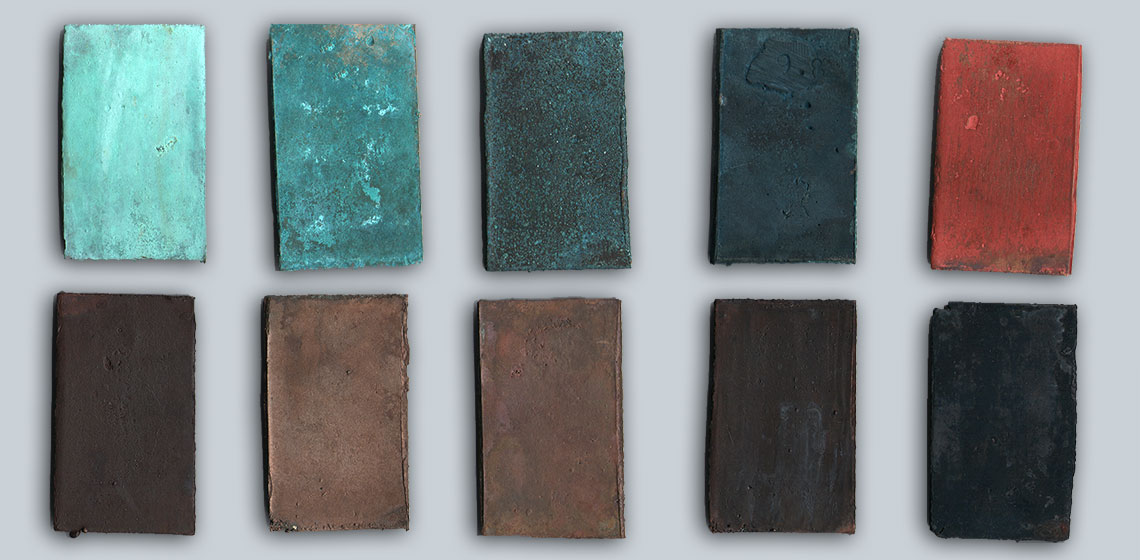
Bronze is an alloy of copper and tin, with lead also added. Hellenistic and Roman bronze objects have a variable percentage of metals, and because of this the colour of the alloy will differ depending on the proportions. The colour of the alloy can be maintained by polishing, but it is also possible to give a patina to the surface of bronze using a reagent...
A Gaulish Throwing Stick Discovery in Normandy: Study and Throwing Experimentations
Publication Date
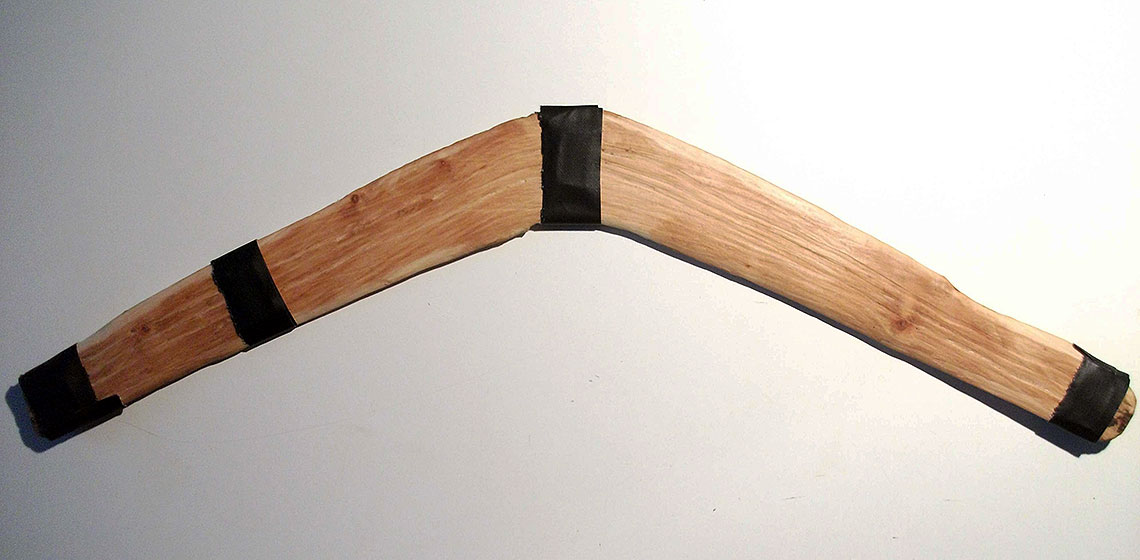
In 2010 archaeological excavations on the pre-Roman site of Urville Nacqueville, Normandy (France) discovered a shaped unknown wooden implement. This boomerang shaped wooden artefact, dated from 120 to 80 BC, has been found in an enclosure trench of a Gaulish village close to a ritual deposit of whalebones...
Book Review: Guédelon - Building a French Castle the 13th Century Way
Publication Date
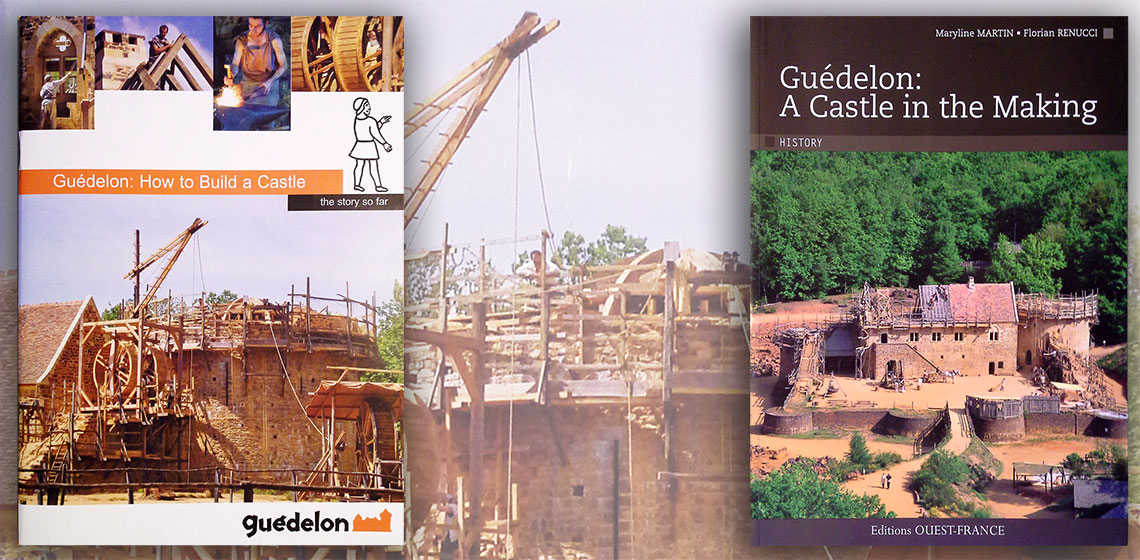
Guédelon: How to Build a Castle by Darques is by no means a DIY book or a guided tour on paper of the Guédelon site. Guédelon: a Castle in the Making by Martin & Renucci is subtitled The Guédelon Adventure and although it carries a lot of information about the construction site and its sources, this book still reads much like an adventure book...
Book Review: Glossary of Prehistoric and Historic Timber Buildings by Lutz Volmer and W. Haio Zimmermann (ed.)
Publication Date
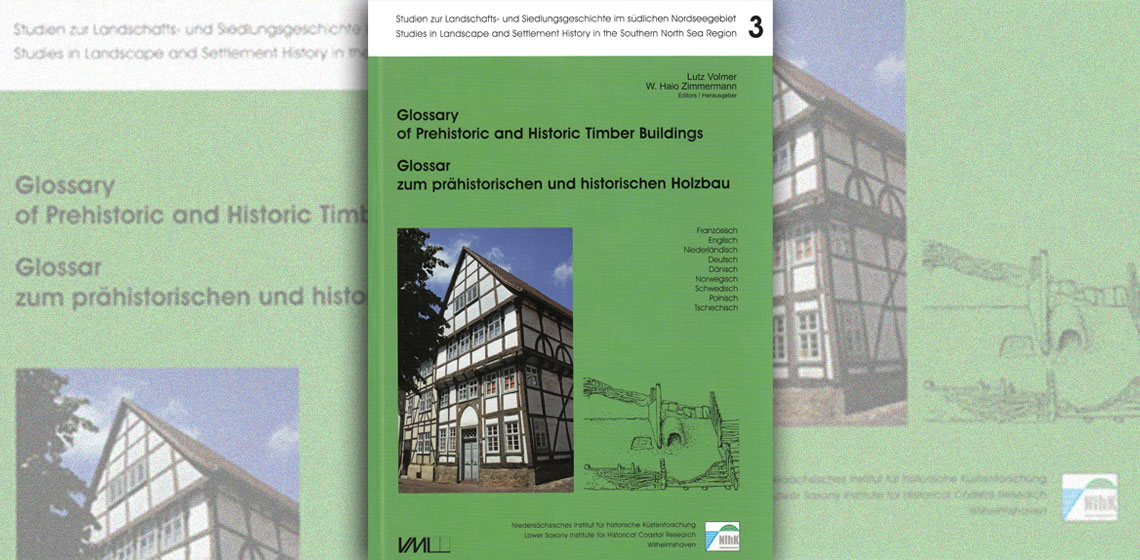
The 1987 conference in Århus, Denmark on ESF Workshop on the reconstruction of wooden buildings from the prehistoric and early historic period has been important to EXARC as we have acquired, and are gradually publishing, the manuscripts of the unpublished proceedings....
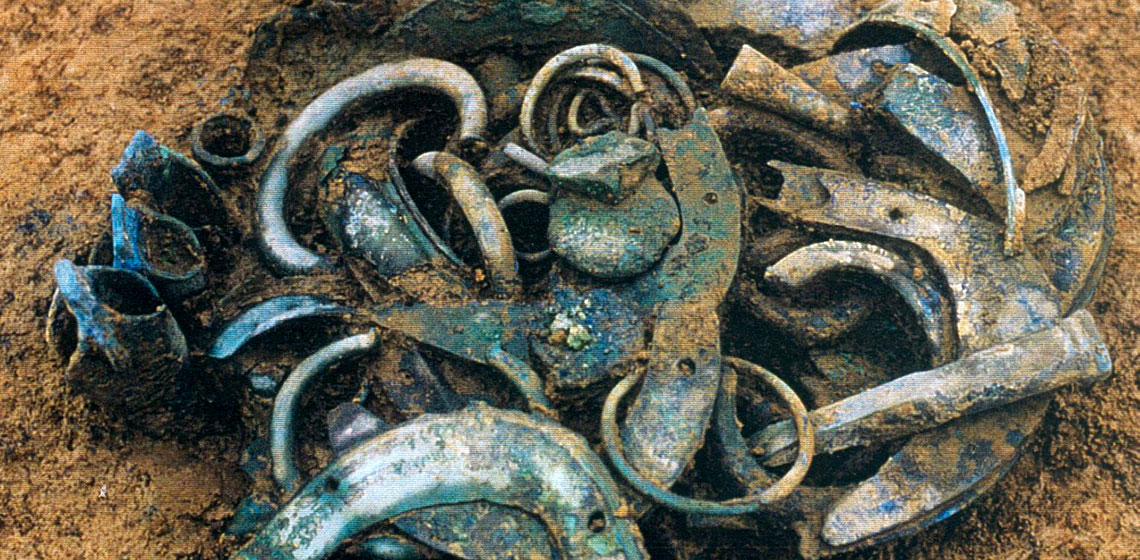
How Metallographic Examinations Can Give the Forming Process of Metal Artefacts? The Example of the Hoard of Farébersviller
Publication Date
1999 Wilhelminaoord Workshop
***The hoard of Farébersviller (Moselle, France) was discovered in 1991 during rescue excavations (See Image above). This set contains 130 "bronze" artifacts, which date to the Late Bronze Age (8th century BC)...
***The hoard of Farébersviller (Moselle, France) was discovered in 1991 during rescue excavations (See Image above). This set contains 130 "bronze" artifacts, which date to the Late Bronze Age (8th century BC)...