
Poland
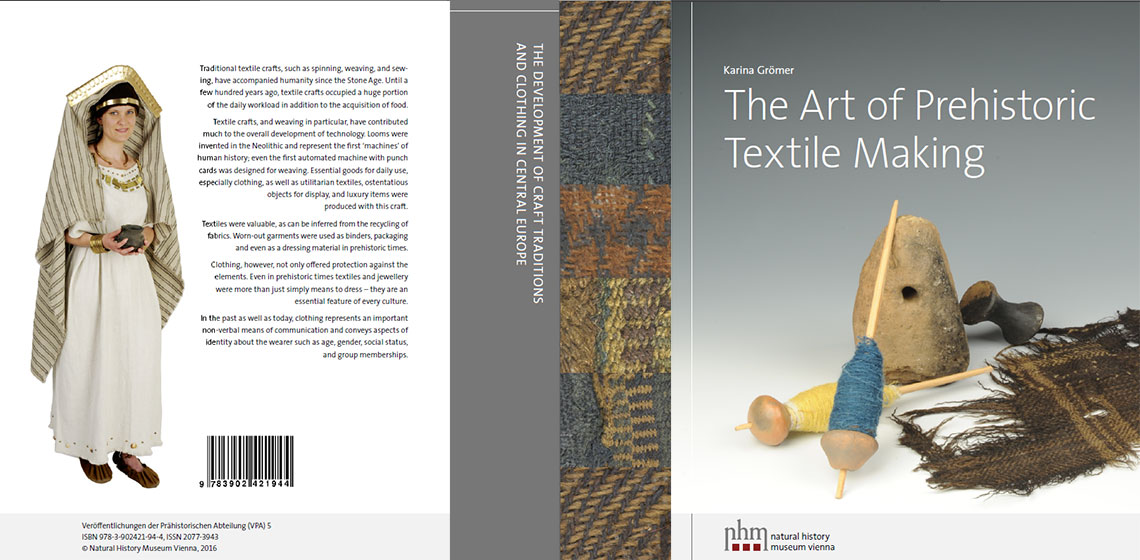
Book Review: The Art of Prehistoric Textile Making: The Development of Craft Traditions and Clothing in Central Europe by Karina Grömer
Publication Date
Textile research has made significant advances in recent years as new technologies and methods are developed, tested, and applied to the analyses of archaeological textiles. The FWF-Project1, a collaborative research effort involving researchers and artists from institutions in Austria, the Netherlands, and Germany, engaged in ...
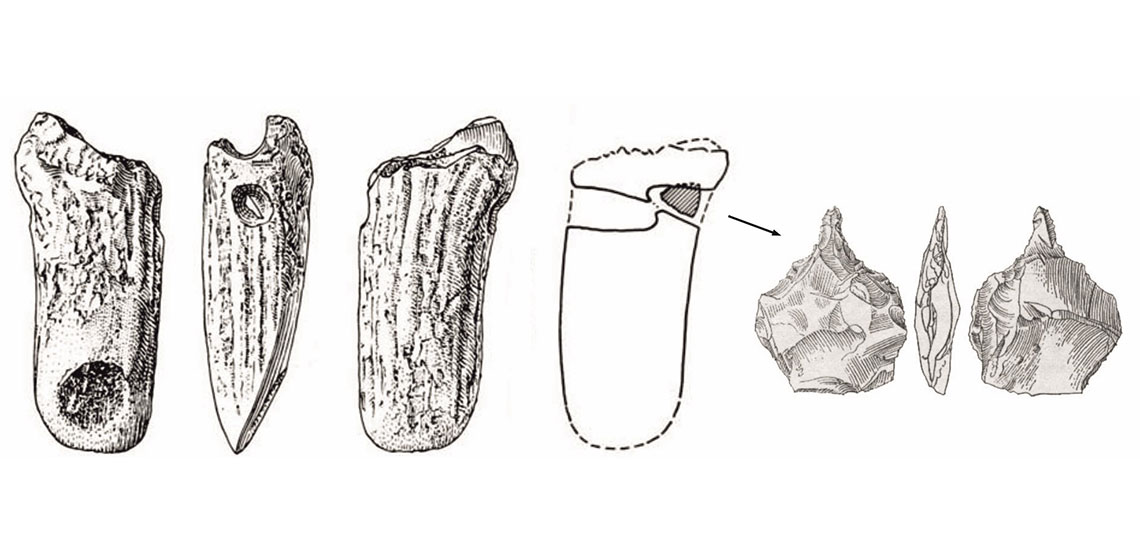
How Did They Drill That? – A Few Observations on the Possible Methods for Making Large-sized Holes in Antler
Publication Date
From the Neolithic period comes a whole range of various kinds of artefacts made of antler (for example axes, hammer-adzes), distinguished by the presence of a large hole (diameter over 2 cm) in their structure. With time, archaeologists started to wonder about possible ways of producing holes of this type...
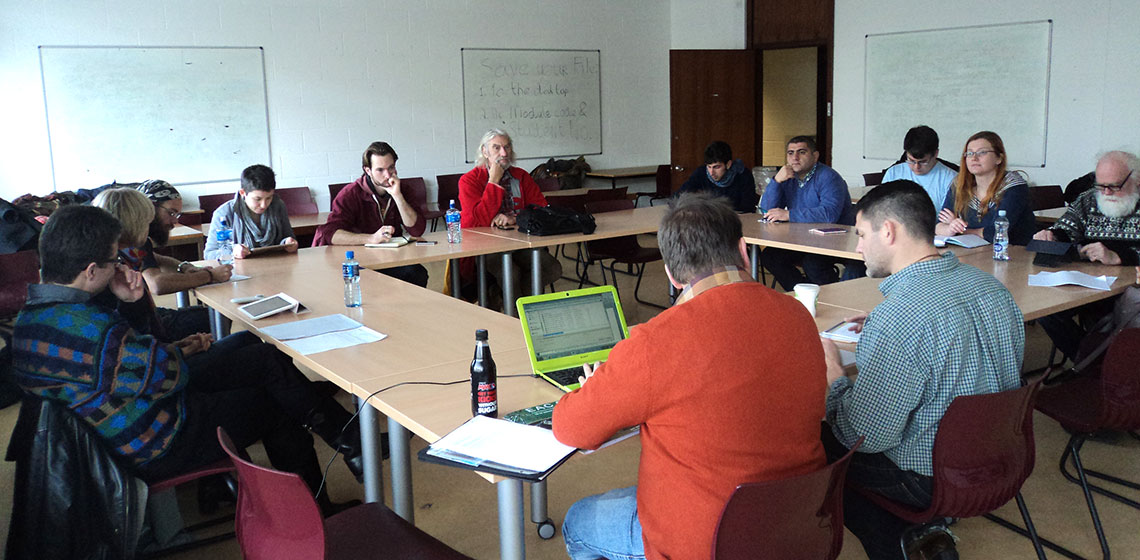
Roundtables at University College Dublin, January 2015
Publication Date
On 15 January 2015 around 25 people participated in the Academic Round Table chaired by Professor Bill Schindler from Washington College, and later this day in the Experimental Archaeology Networks Roundtable, with Roeland Paardekooper from EXARC chairing. Attendees came from a variety of countries, including Malta, Germany, Switzerland, Italy, Latvia, UK, Sweden, the US and Poland...
Two Reconstructions of Prehistoric Houses from Torun (Poland)
Publication Date
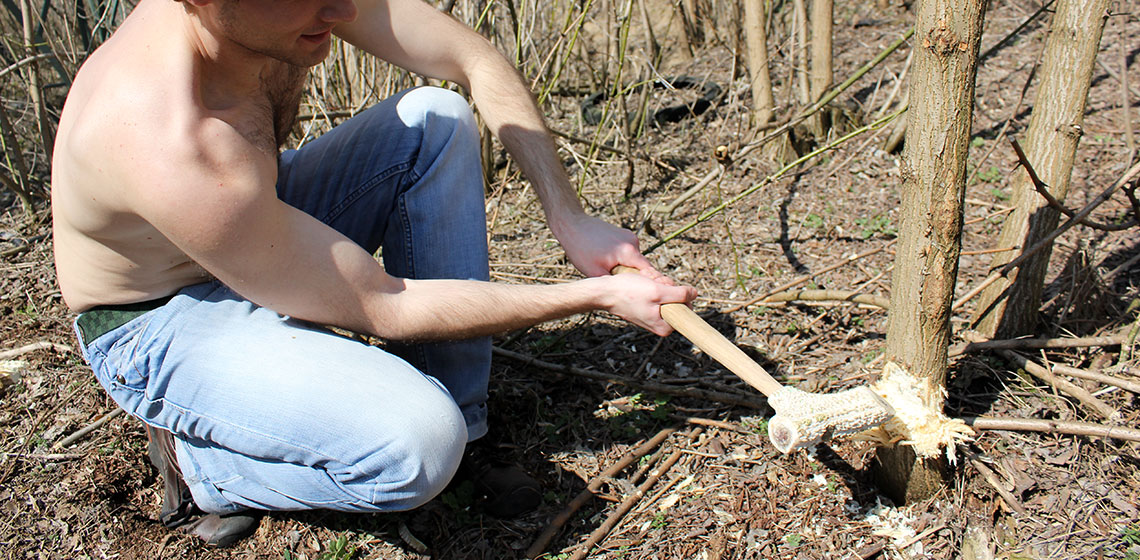
In 1998 the Society for Experimental Primeval Archaeology (SEPA) was founded at the Institute of Archaeology at the Nicolaus Copernicus University (NCU) in Toruń. Since its beginnings, SEPA members have dedicated a great effort to engaging in numerous scientific experiments with the aim to present human lifestyle in prehistoric times in general...
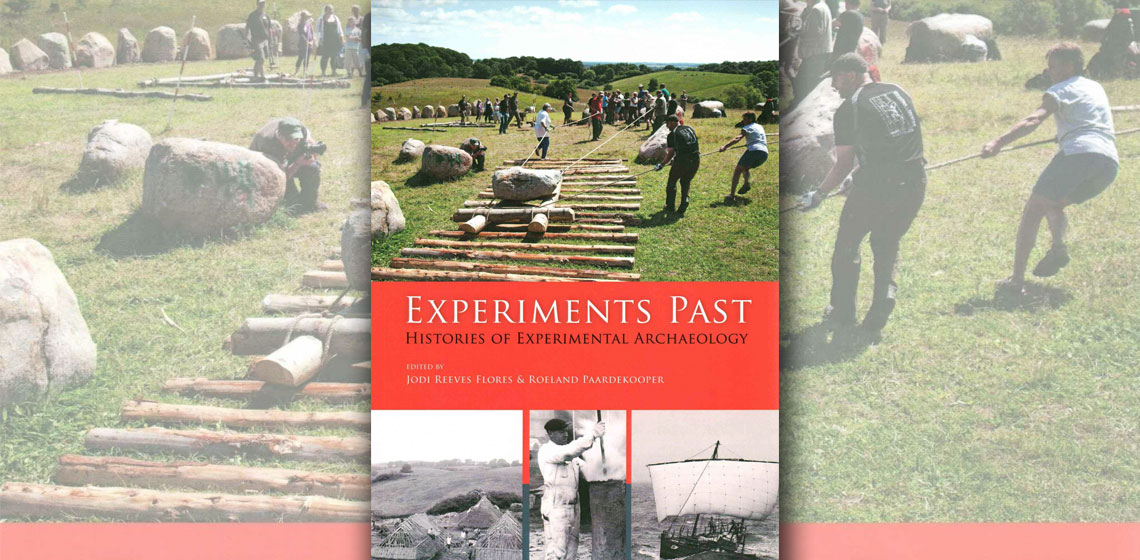
Book Review: "Experiments Past" Edited by Jodi Reeves Flores & Roeland P. Paardekooper
Publication Date
The publication in 1979 of the John Coles’ book Experimental Archaeology can be called the vademecum of the experimental archaeology. Many particular experiments have been published since then, such as A Bibliography of Replicative Experiments in Archaeology (Graham et al. 1972) and...
Event Review: 1st Bloomery Seminar, Starachowice 2013
Publication Date
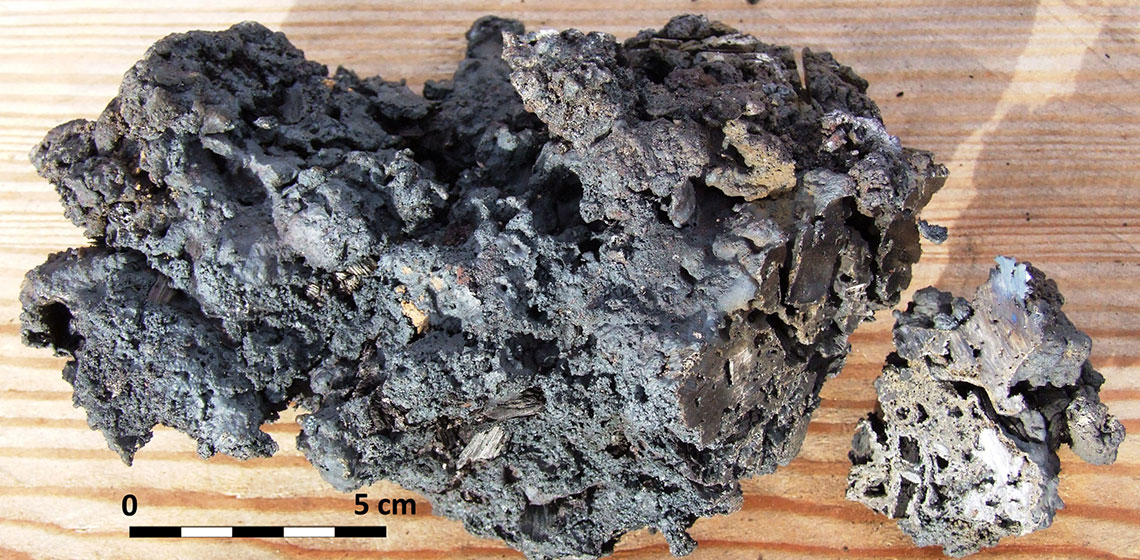
Experiments performed in Starachowice, like many others ŚSDP1 activities,are a continuation of research on ancient metallurgy in the Holy Cross Mountains which was initiated nearly 60 years ago
Book Review: Aurignacian Clay Hearths from Klissoura Cave 1: an Experimental Approach by Malgorzata Kot
Publication Date
About 90 concave, clay-lined hearths were identified during excavations of Aurignacian layers (ca. 35000BC in Klissoura Cave 1, Greece). Only two similar combustion features, identified at the Czech site Dolni Věstonice and defined as kilns, were known from Palaeolithic contexts before the excavations at Klissoura...
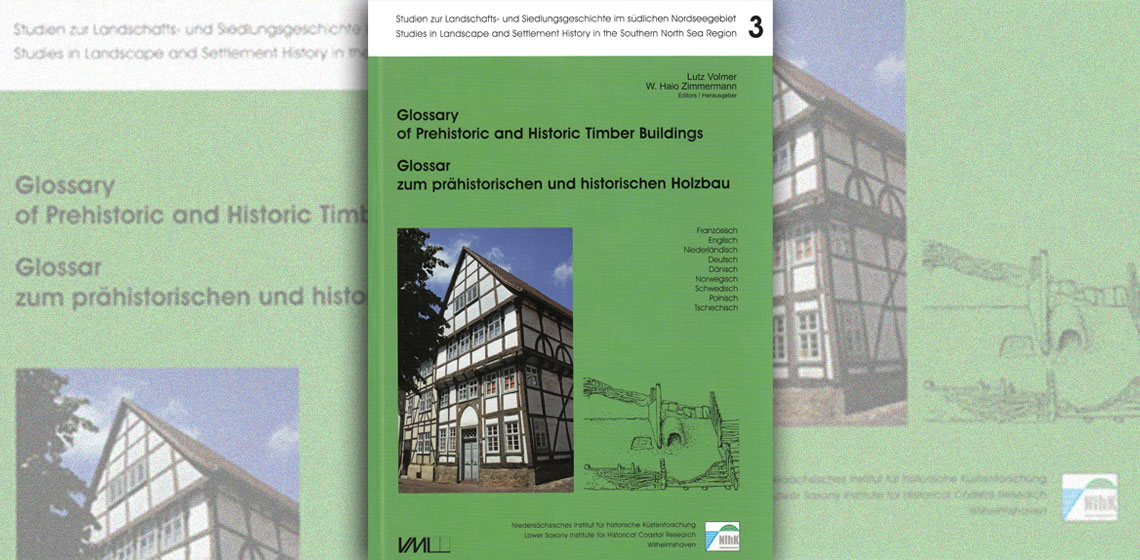
Book Review: Glossary of Prehistoric and Historic Timber Buildings by Lutz Volmer and W. Haio Zimmermann (ed.)
Publication Date
The 1987 conference in Århus, Denmark on ESF Workshop on the reconstruction of wooden buildings from the prehistoric and early historic period has been important to EXARC as we have acquired, and are gradually publishing, the manuscripts of the unpublished proceedings....
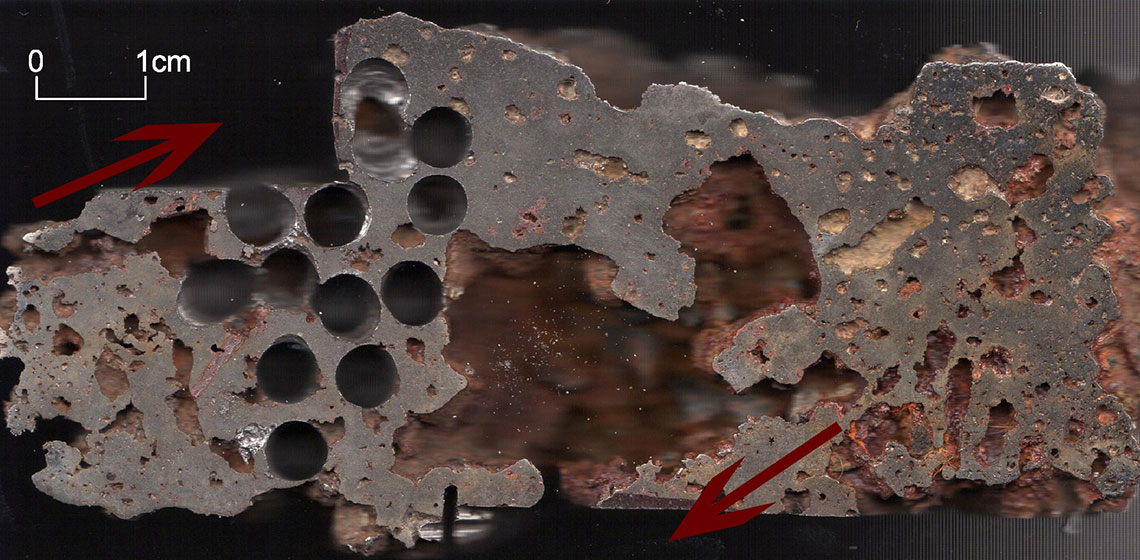
The Production of High Carbon Steel Directly in Bloomery Process: Theoretical Bases and Metallographic Analyses of the Experiments Results
Publication Date
7th UK EA Conference Cardiff 2013
***The series of experiment on iron smelting conducted by author in 2012 resulted in very good quality high carbon steel produced directly in the bloomery furnace. Bearing in mind the unusual mechanism of carburization in a 'Aristotle furnace', a question arose concerning possibility of occurrence the same phenomenon during the smelting process. This paper discusses the results of the metallographic studies of produced iron as well as the description of the conducted experiments.
***The series of experiment on iron smelting conducted by author in 2012 resulted in very good quality high carbon steel produced directly in the bloomery furnace. Bearing in mind the unusual mechanism of carburization in a 'Aristotle furnace', a question arose concerning possibility of occurrence the same phenomenon during the smelting process. This paper discusses the results of the metallographic studies of produced iron as well as the description of the conducted experiments.
Obituary: Kazimierz Bielenin (29 January 1923 - 19 November 2011)
Publication Date
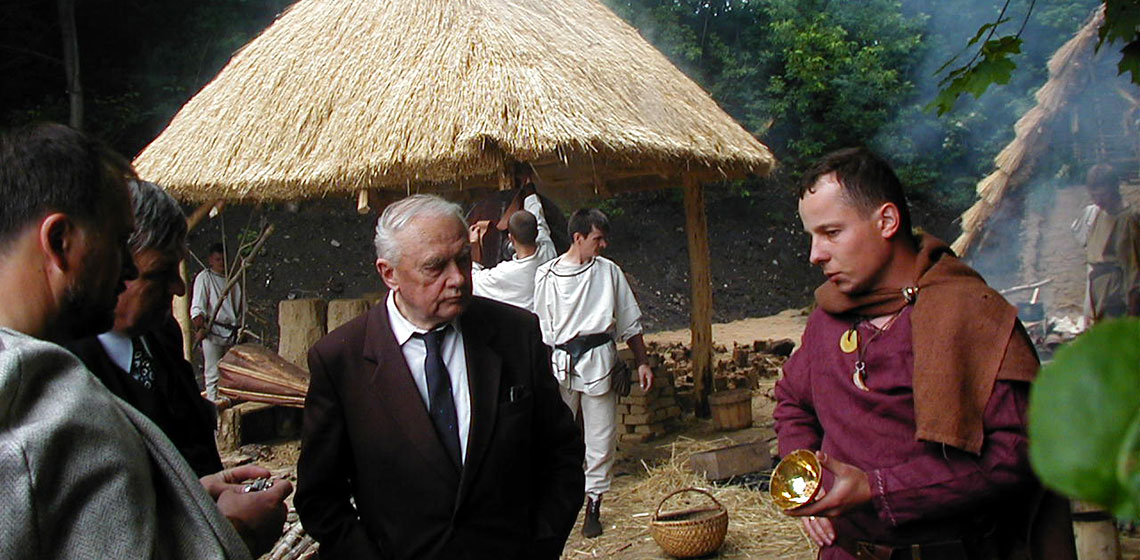
On the 19th of November 2011, Prof. dr hab. Kazimierz Bielenin died in Kraków after a long and exhausting illness. He was a great scientist and scholar but also a very modest man with a great personality...