
United Kingdom
Museums as Good Places
Publication Date
It was a bold and challenging brief. The trustees decided to commission two alternative reports. They invited Patrick Geddes, the pioneering biologist, sociologist, environmentalist, social reformer and city planner, to produce one of these, and T. H. Mawson the other. For Geddes, this was an opportunity to bring together his life's work across many disciplines in one visionary scheme. He spent months, with the assistance of a photographer, recording almost every square yard of the city, before submitting his plan.
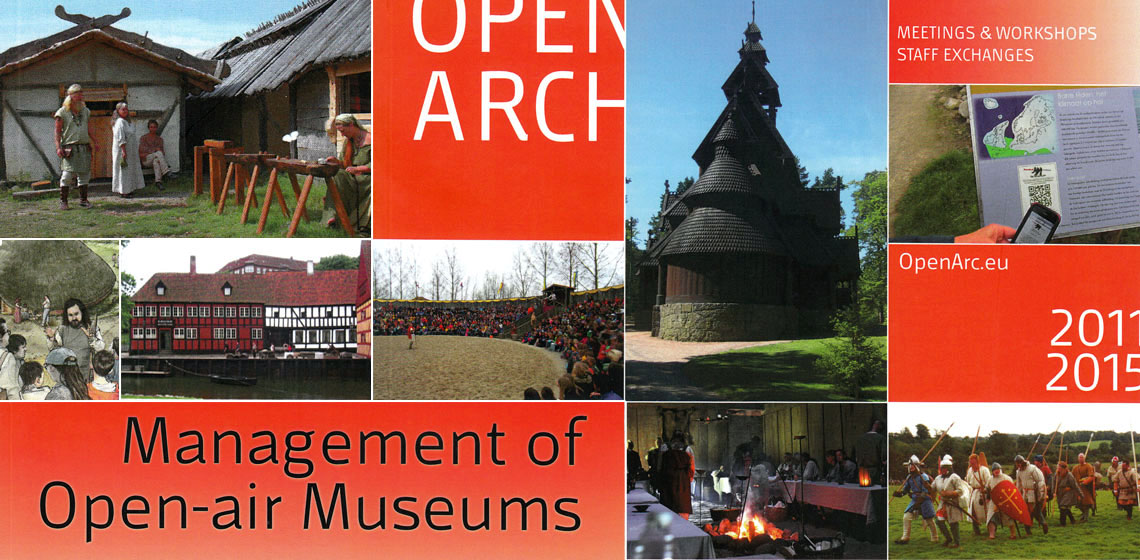
Book Review: Management of Open-Air Museums. Workpackage 2: “Improvement of Museum Management” by Jakobsen, B & Burrow, S (eds).
Publication Date
The five year OpenArch project concluded in 2015. It was an effort to create a permanent partnership between Archaeological Open-Air Museums (or, AOAMs) in Europe. The project saw eleven participating organisations come together to – among other objectives – produce work packages that would be accessible to people with an interest in the workings of AOAMs...
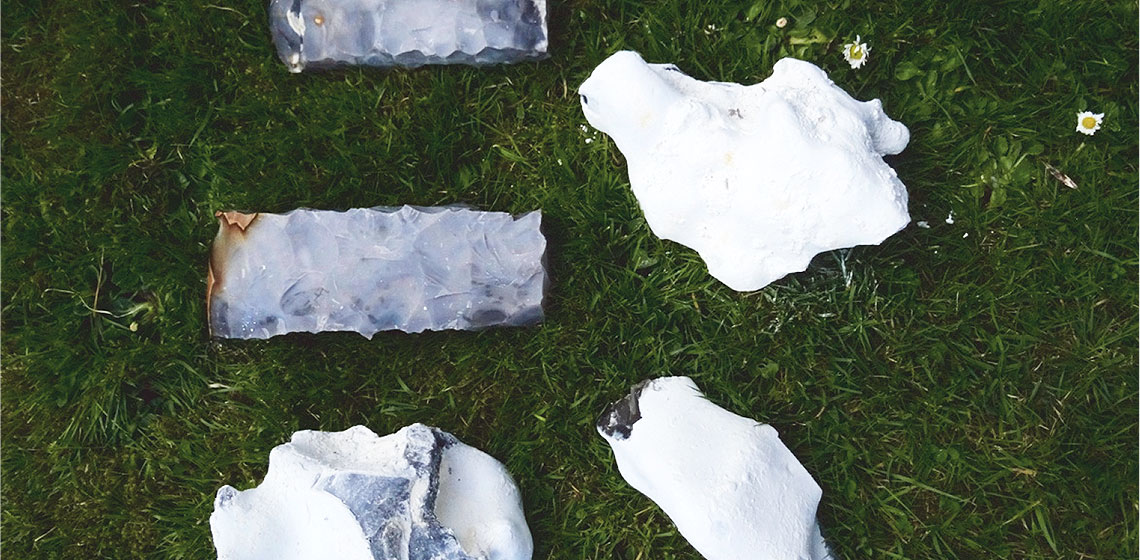
Recycled Flint Cores as Teaching Tools: Flintknapping at Archaeological Open-Air Museums
Publication Date
This article examines the art and craft of flintknapping and how the OpenArch project has influenced the way in which this specialized body of craft-knowledge can be most efficiently presented to the public, but additionally—and more importantly—how making the most of teaching opportunities can convey a deeper interpretation to the museum-goer...
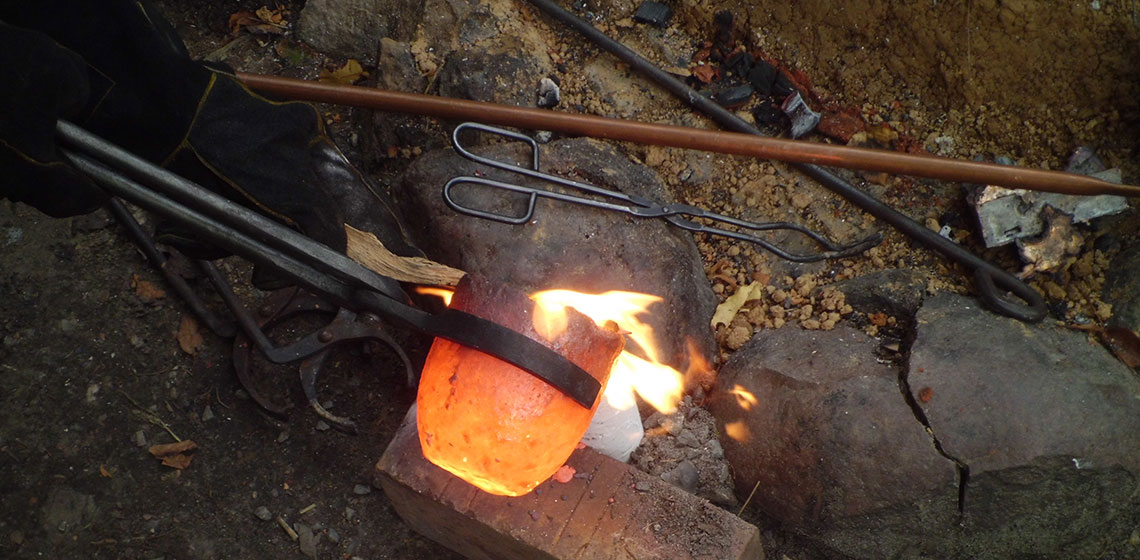
Conference Review: The Metalworker and his Tools: QUB Belfast Conference
Publication Date
A recent conference, funded partially by UISPP, was held in Queens University Belfast. While its main focus was on Bronze Age metalsmithing tools and assemblages, the MeTools conference (23-25 June at Queen’s University, Belfast) had several presentations that focussed on experimental archaeology as a means of exploring metalworking craft...
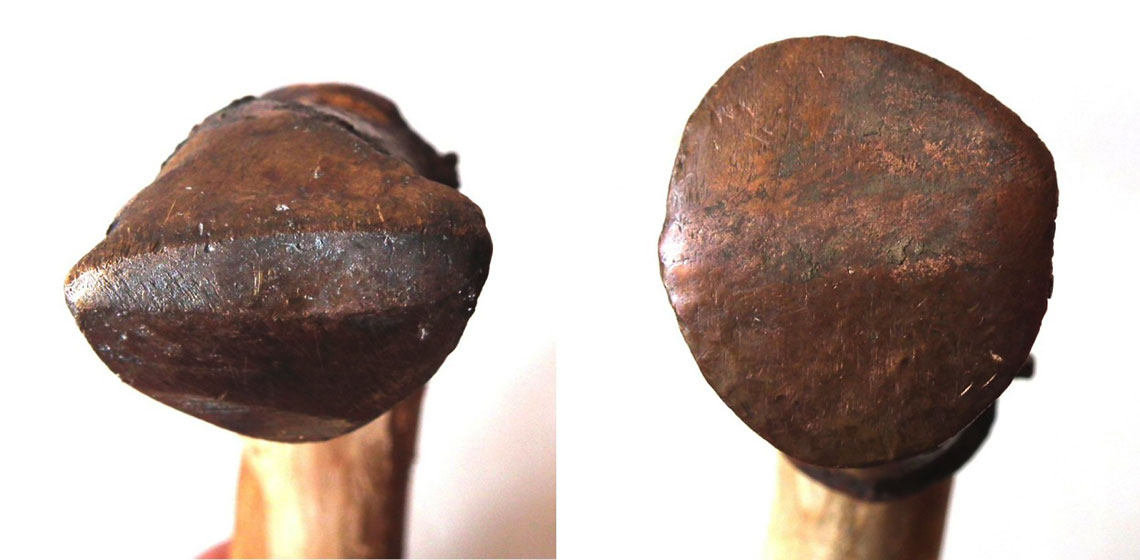
Getting Hammered: The Use of Experimental Archaeology to Interpret Wear on Late Bronze Age Hammers and Modern replicas
Publication Date
Metalsmithing tools such as hammers are rarely recognised for their significance in understanding prehistoric metalworking technology. Their development and specialisation signal new metalworking techniques and a wider array of the types of metal objects being made. Our knowledge of ancient metalworking is...
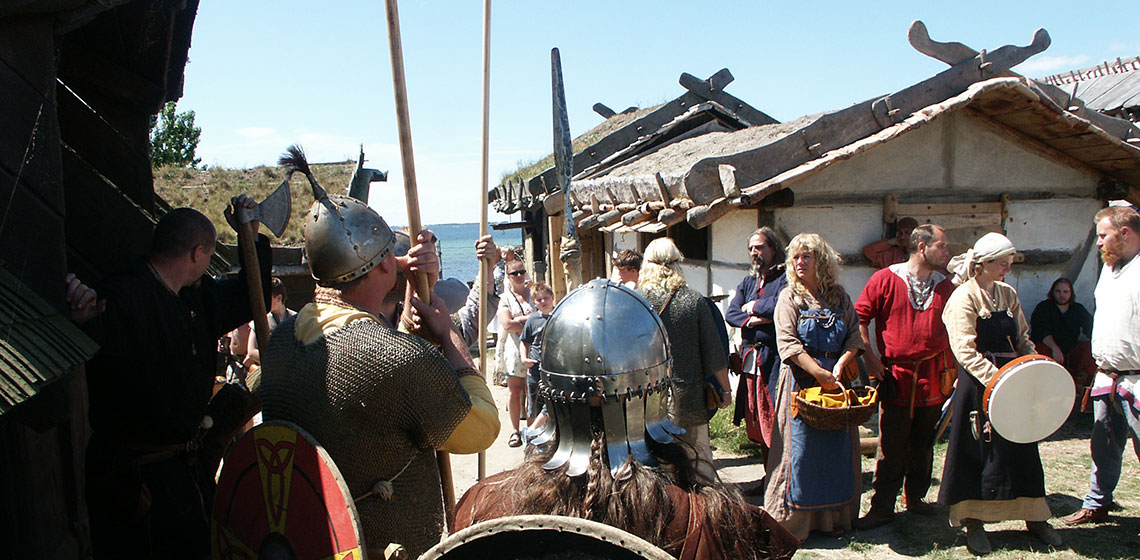
Towards a Best Practise of Volunteer Use Within Archaeological Open-air Museums: an Overview with Recommendations for Future Sustainability and Growth
Publication Date
For many archaeological open-air museums (AOAMs), volunteers are an essential and highly visible component of an effective institution. Volunteers bring museums to life with meaningful interpretive contacts, and offer institutions the opportunity to broaden their mission and complete tasks that may not otherwise be possible...
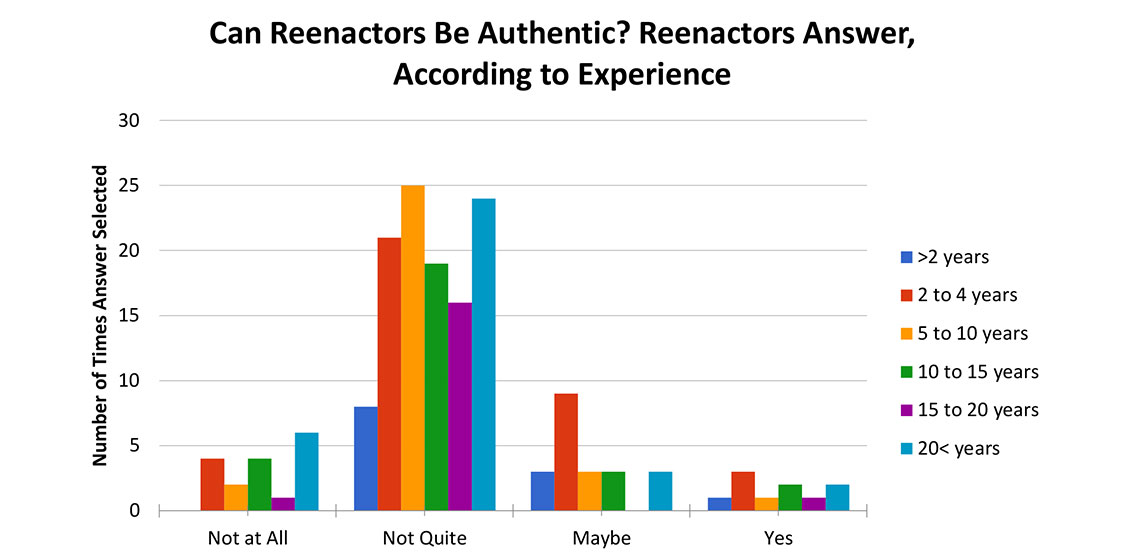
The Value of Experience: Lessons from a Study of Reenactment
Publication Date
It is no secret that in many ways experimental archaeology overlaps with what has come to be called experiential archaeology, an interpretive and humanistic approach to the past. As a result of drawing distinct lines between the two, experimental archaeology struggles with its conception of itself, and experiential archaeology is poorly studied.
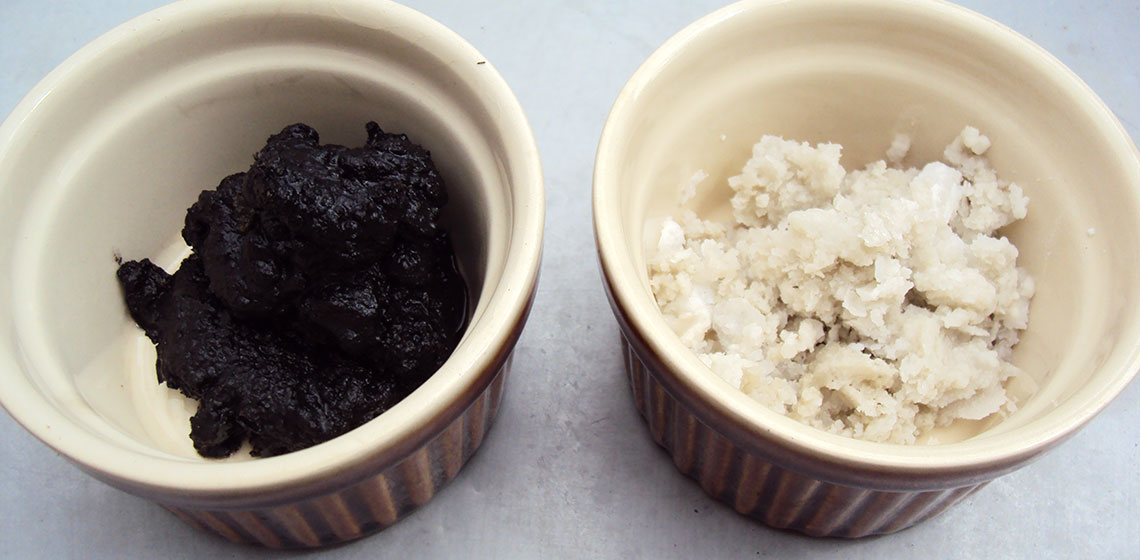
The Role of Saltmarsh Plants in Iron Age and Roman Salt Production in the Thames Estuary, UK
Publication Date
Analysis of plant remains and soils collected during excavations of the Iron Age and Roman Period salt production site at Stanford Wharf Nature Reserve on the coast of Essex have shown that saltmarsh plants and adhering sediments had been used as fuel to evaporate brine and crystallise the sea salt.
Playing with the Past? Or Saving Our Future?
Publication Date
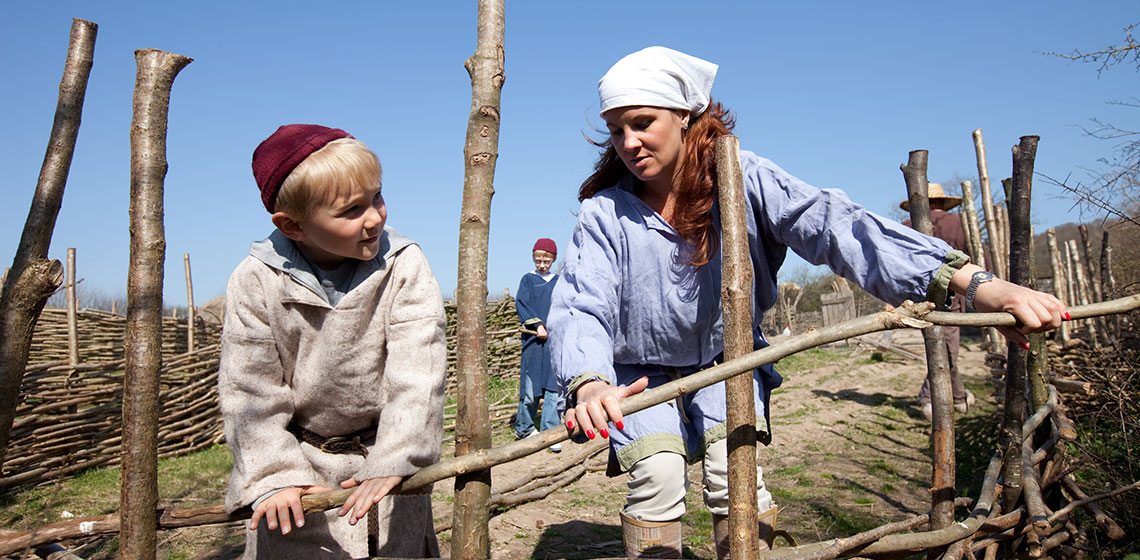
As the manager of the Ancient Technology Centre (ATC) in Dorset, England, like many of you, I consider regularly what it is that we actually do. What services do we provide? How are we regarded by the public, by the education sector, by the children we teach, and by those who pay to come through our doors.
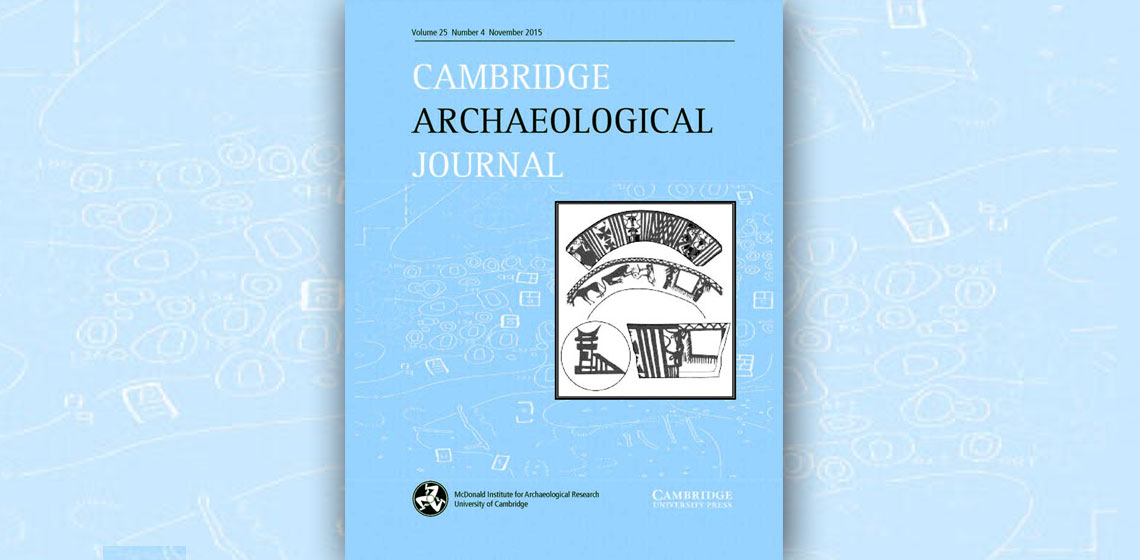
Book Review: Recent Publications: Experimental Archaeology in the November 2015 Issue of the Cambridge Archaeological Journal (Volume 25, Issue 4)
Publication Date
In the last quarter of the 1900s, John Coles (1979) and Peter Reynolds (1999) introduced the subject of experimental archaeology, which has gained significant momentumin the past few years. The discipline has become essential for reconstructing past technologies, in addition to supporting archaeological theory.