
USA
Slicing into the Past. Experimental Use of Obsidian Prismatic Blades and Analysis of Modern Botanical Residues

Publication Date
This experimental study offers new insights into the deposition and taphonomy of microscopic plant residues (phytoliths and starch grains) on obsidian prismatic blades. Twenty blades were flaked from a new obsidian core and used to process eight botanical elements frequently recovered from archaeological contexts in Mesoamerica: maize (Zea mays) leaves and cobs, two varieties of sweet potato (Ipomoea batatas), two species of squash (Cucurbita pepo and C. moschata), manioc (Manihot esculenta), and hardwood. We examined the quantity of visible residues deposited on the blades before microbotanical extractions. We analysed and quantified extracted starch grains and phytoliths and made limited observations of microscopic blade usewear. We also documented how experiment participants handled and used prismatic blades. The results obtained in this limited study support the idea that archaeological visibility of certain plants is tied less to sequence of tool use and more to the general visibility of residues created by certain species. This study provides insights into the relationship between obsidian prismatic blade use, deposition of botanical residues, and recovery of microbotanical remains. Tracking taphonomy is important for interpreting relationships between people, plants, and culinary practice.
Reconstructing Textile Cleaning in the Ancient Roman Fullonicae

Publication Date
This project experimentally reconstructs textile cleaning in the ancient Roman fullonicae. White wool fabric was stained with olive oil, soil, wine, and tomato-based sauce to approximate the everyday soiling of Roman garments. After allowing the stains to set for seventy-two hours, the cloth underwent a washing, rinsing, and drying procedure modelled on descriptions and archaeological evidence of fulling workshops. A 1:1 mixture of stale urine and water was tested against a modern castile soap solution and a no-treatment control. The stale urine performed comparably to, and in some cases slightly better than, the castile soap at removing dirt and oil, while both treatments left the wool soft in texture. Notably, the urine-treated cloth retained no detectable odor after drying. These findings support the evidence for urine-based cleaning techniques in the ancient Roman fullonicae.
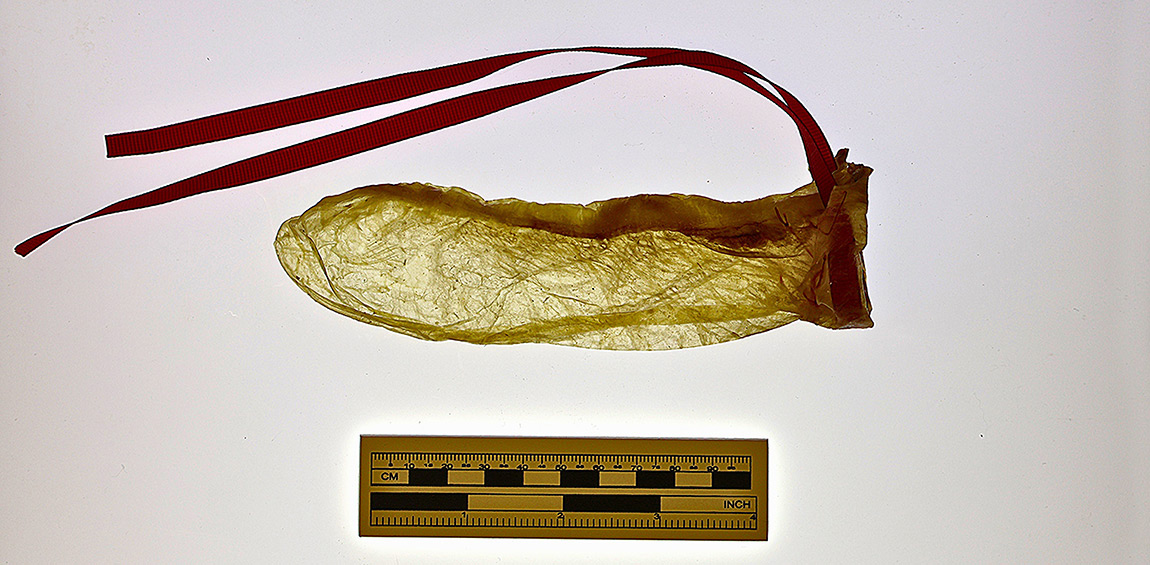
Certain Small Contrivances. Recreating an Intestinal Condom Recipe to Determine the Potential Effects of Manufacturing on Zooarchaeology by Mass Spectrometry (ZooMS)
Publication Date
Skin and membranous artifacts are rarely recovered from archaeological excavations due to taphonomic processes that result in rapid decomposition. These classes of artifacts can, however, occasionally be preserved in extreme conditions such as waterlogging, freezing, and dry environments. One such artifact is likely an intestinal condom recovered from a well at the Oxon Hill/Addison Plantation site (18PR175; ca. 1685-early 20th c.) in Maryland, United States...
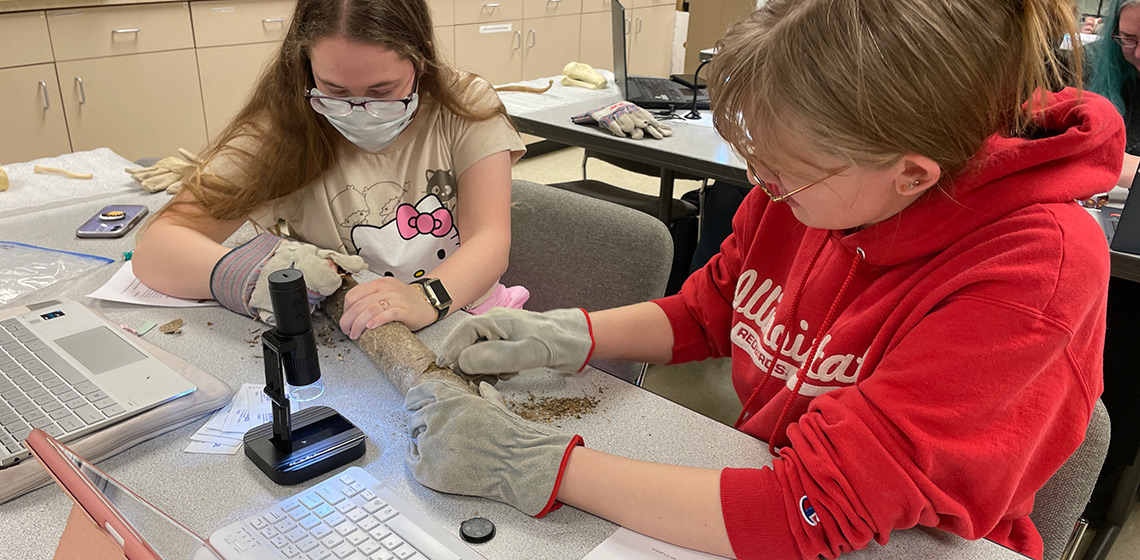
A CURE for Teaching Experimental Archaeology
Publication Date
This paper explores the ‘Course-based Undergraduate Research Experience’ (CURE) model as an effective approach to teaching experimental archaeology. While the CURE model has been successfully used in STEM fields to enhance student engagement and produce positive long-term impacts on academic and career success, it has yet to be widely implemented into experimental archaeology curriculum - despite the inherently experiential, hands-on nature of the discipline...
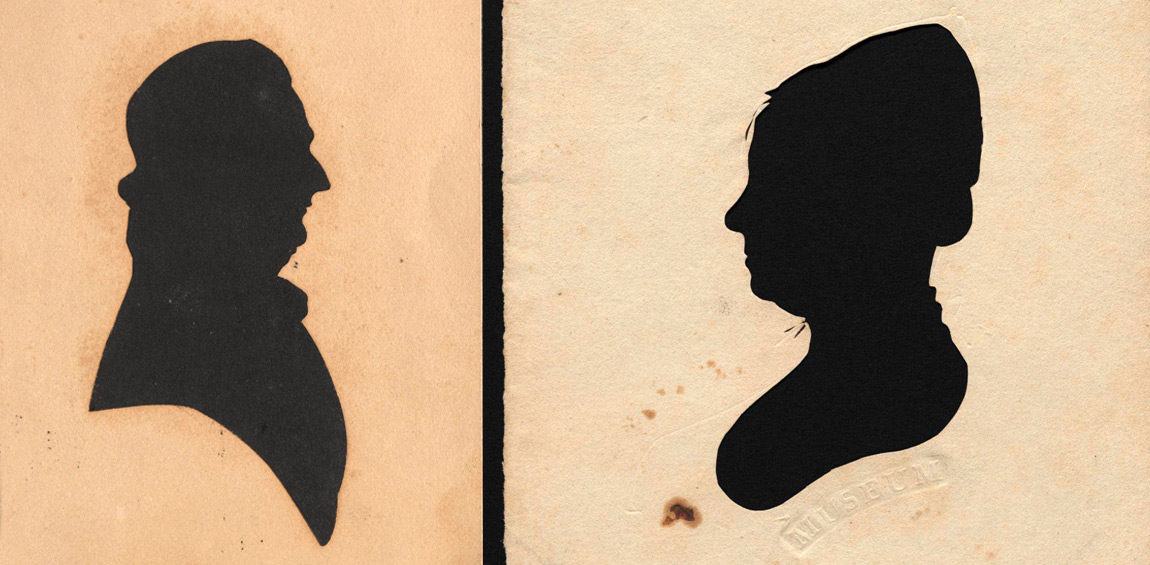
The Itinerant Artist: Portraiting Early America Using Scissors, Soot and Beer
Publication Date
Hundreds of thousands of profile portraits known as silhouettes were created in the new United States in the first decade of 1800 alone. Since the 1990s, museum conservators have wondered how to best care for the materials of these objects in their collection, and a key to understanding conservation is to understand the original fabrication. Volumes of histories have been written of the art and artists, but few analyses and no published experimental studies about the materials themselves have been produced...
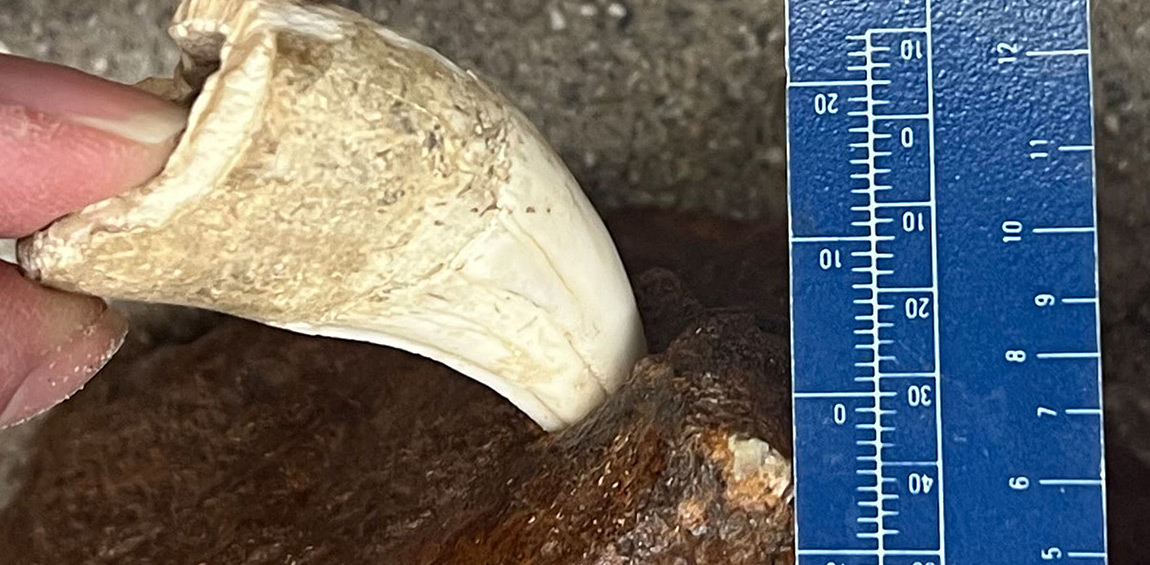
Simulating Organic Projectile Point Damage to Bison Pelves
Publication Date
A large Bison sp. pelvis was discovered eroding out of shoreline sediment at American Falls Reservoir in Bingham County, Idaho in 1953. The ischium section had a unique groove and perforation with a depth of 35 mm and 10 mm in diameter. The pelvis was X-rayed in 1961 for indicators of the origin of the damage, but it could not be ascertained, and human agency could not be ruled out. For the research presented here, the pelvis was CT scanned to look for any foreign material in the perforation and to determine the three-dimensional structure...
Experimental Recreation of a Pumpkin (Cucurbita spp.) Leather Mat
Publication Date
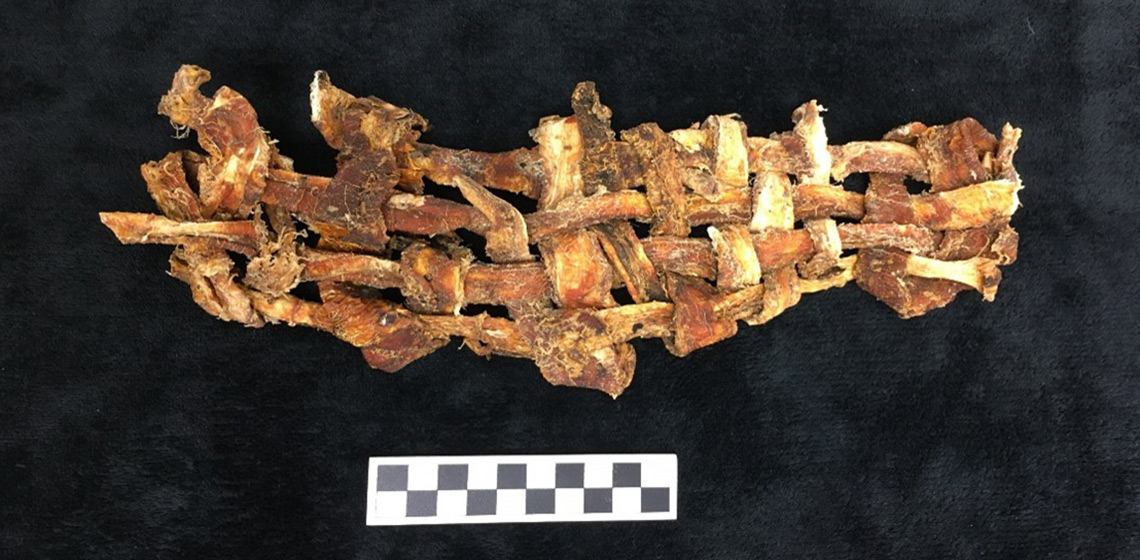
The ethnohistoric record from the American Great Plains indicates that dried pumpkin (Cucurbita spp.) strips were often woven into mats as a form of food storage. This form of food storage was likely employed over large geographical areas and deep in time, but archaeological methods for identifying their production and use have been wanting...
Book Review: Interpreting Science at Museums and Historic Sites by Debra A. Reid (eds)
Publication Date
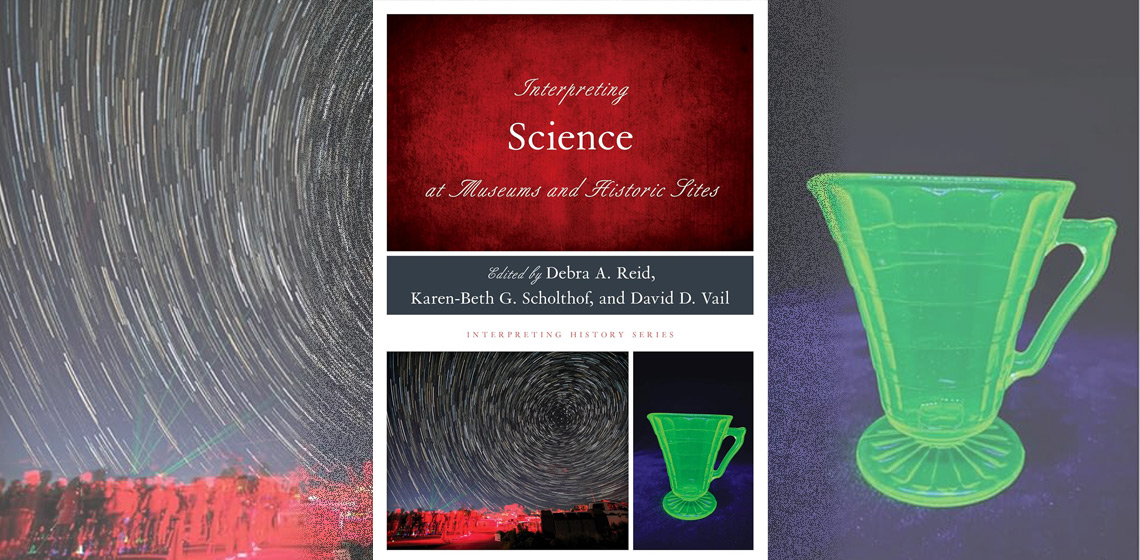
We live in a time when advances in science and technology can quickly outpace our ability to understand its impact on our past, present, and future. Interpreting Science at Museums and Historic Sites provides insights into how museums and historic sites can bridge this gap so that we can better understand the past and perhaps influence future social directions for the better...
An Experimental Approach to Baking Ancient Roman Placenta
Publication Date
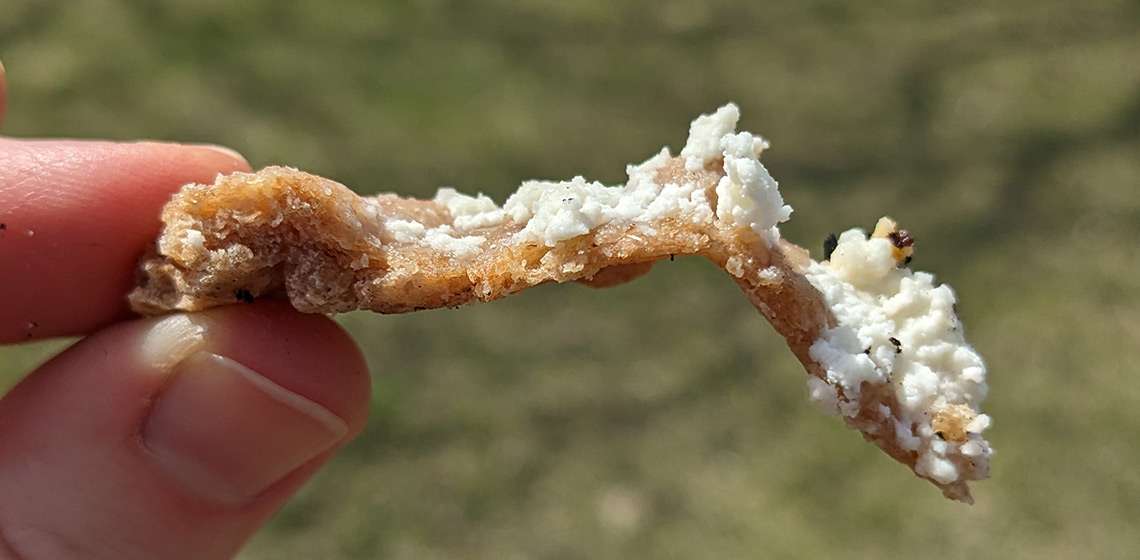
Cato The Elder (234-149 BC) wrote our oldest extant work of continuous Latin prose, On Farming (de agri cultura), a how-to guide for farming and life that also included many recipes. We were interested in the section on bread recipes in this text, particularly the recipe for the complex, layered placenta due to...
Launching an Experimental Archaeology Course at the Undergraduate Level
Publication Date
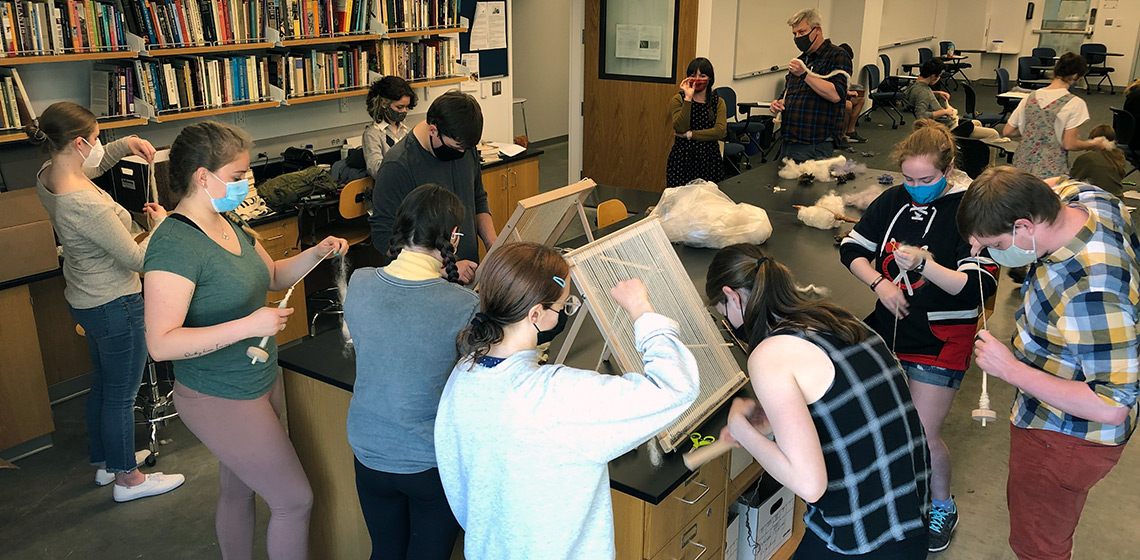
This article describes the process of designing and running a new course on Experimental Archaeology and Experiential History at a small liberal arts college in central Minnesota. We discuss the general methodological and pedagogical goals for the course, a representative three-week sequence of readings and labs based on the lives of shepherds, and the pedagogical and digital infrastructure...