
USA
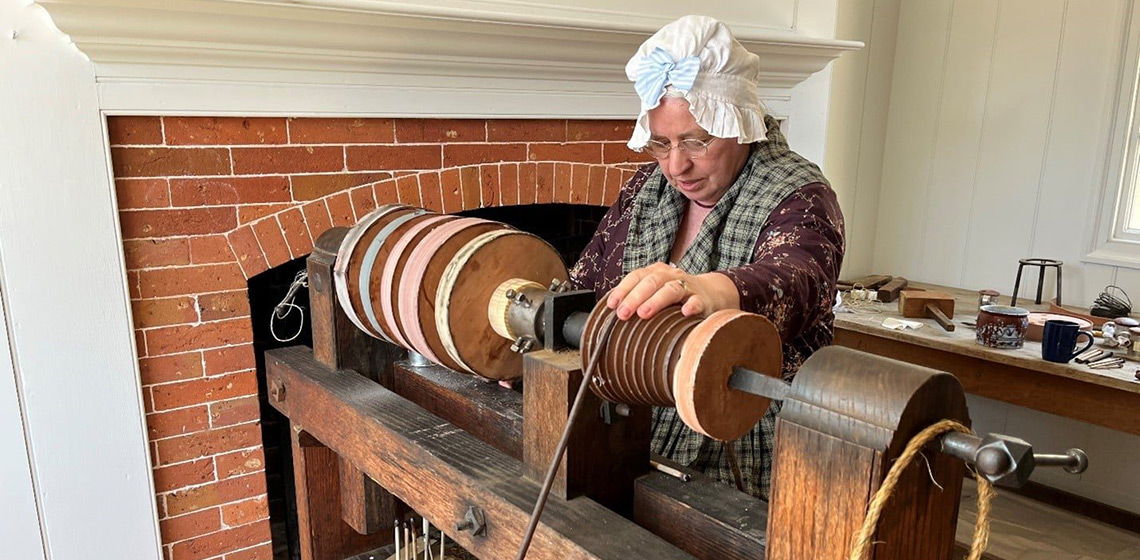
“Cuts Stones of all Sorts, In the Best Manner…”: Experiments in 18th Century lapidary work in America
Publication Date
Unusual or rare gems have been valued for as long as there have been humans to appreciate them. The making of beads and ornaments provides some of the earliest examples of the manipulation of materials solely for aesthetic reasons. Throughout history, we have refined the processes and constructed dedicated machinery to further enhance the desirable qualities of certain stones...
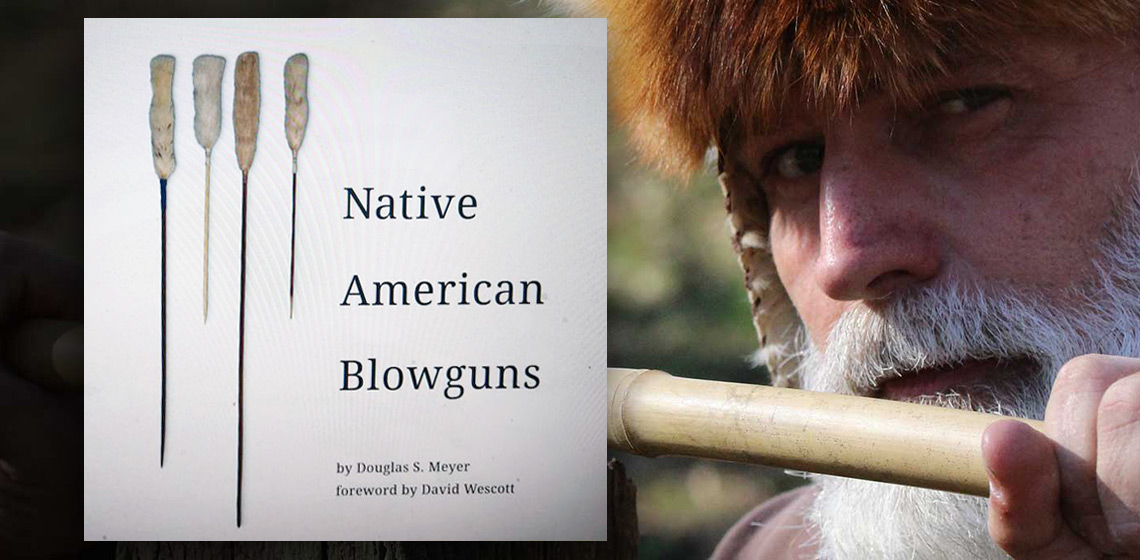
Book Review: Native American Blowguns by Douglas S. Meyer
Publication Date
Honestly, before I got to know Douglas S. Meyer, I had no idea that blowguns existed in North America. They are well known in South America, particularly for being used with poisoned darts, but the ones from the Southeast of the United States were completely new to me. Meyer is a very experienced expert on primitive skills who studied this weapon for more than 30 years...
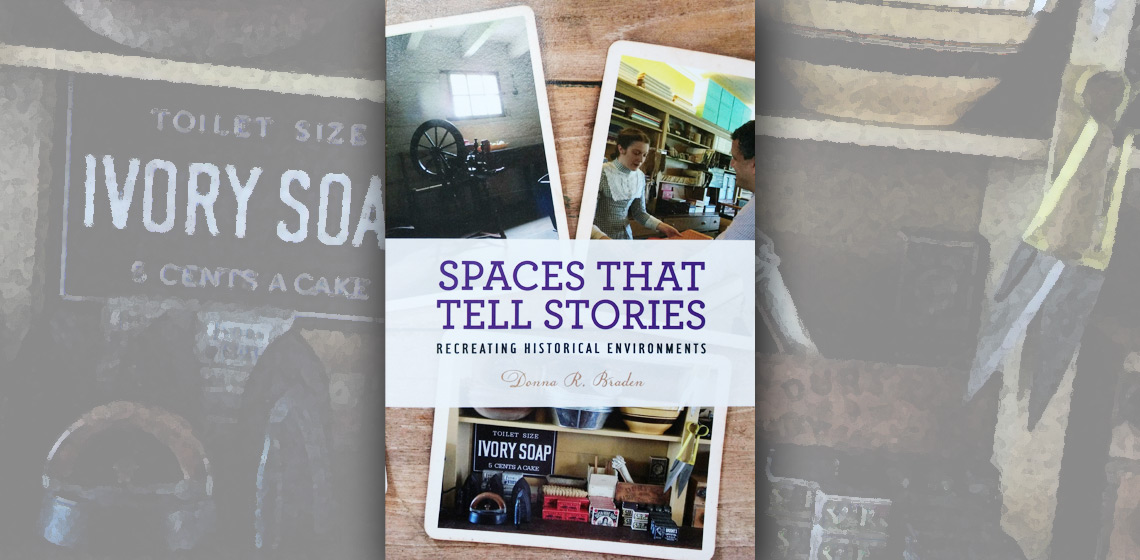
Book Review: Spaces that tell stories: Recreating Historical Environments by Donna R. Braden
Publication Date
Spaces that tell stories: Recreating historical Environments is a textbook and a how-to manual for those setting up a new exhibition or living history site, or for those evaluating existing interpretation on a site. Everybody who works in museum education, exhibition and living history knows how fantastic it is when an historical environment engages a visitor in the topic. We also know how difficult it can be...
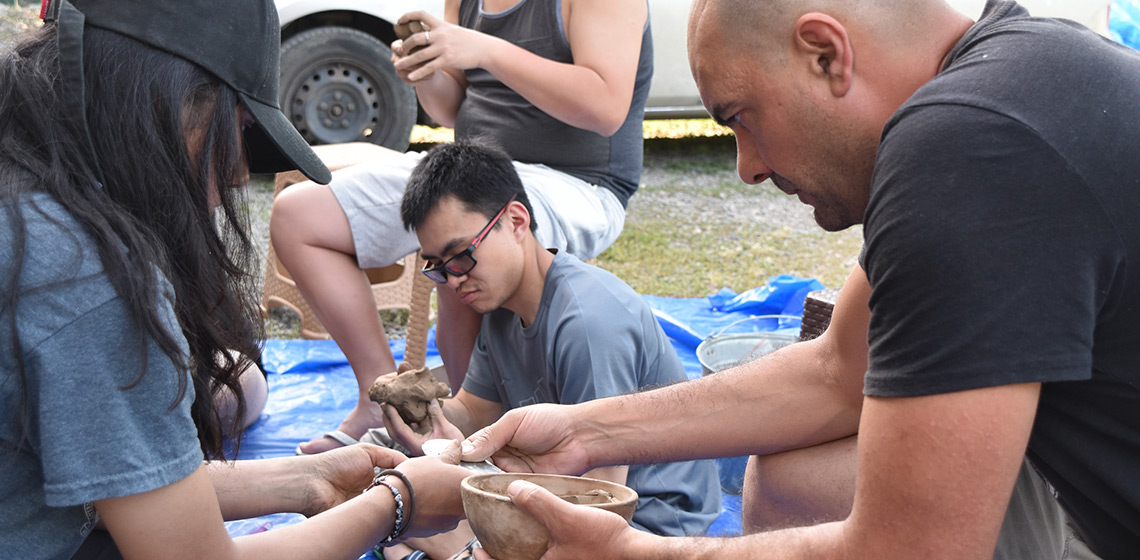
Session Review: ASOR Experimental Archaeology Session, November 2019, San Diego, CA, USA
Publication Date
In November 2019, Experimental and Experiential Archaeology made its debut as an independent session at the ASOR Annual Meeting in San, Diego, California, USA, featuring research done in the context of the ancient Near East. The session was organized by Tracy L. Spurrier from the University of Toronto who has been dabbling in modern lost wax bronze casting in order to research how...
Conference Review: Reconstructive & Experimental Archaeology Conference REARC 2019
Publication Date
REARC Conferences
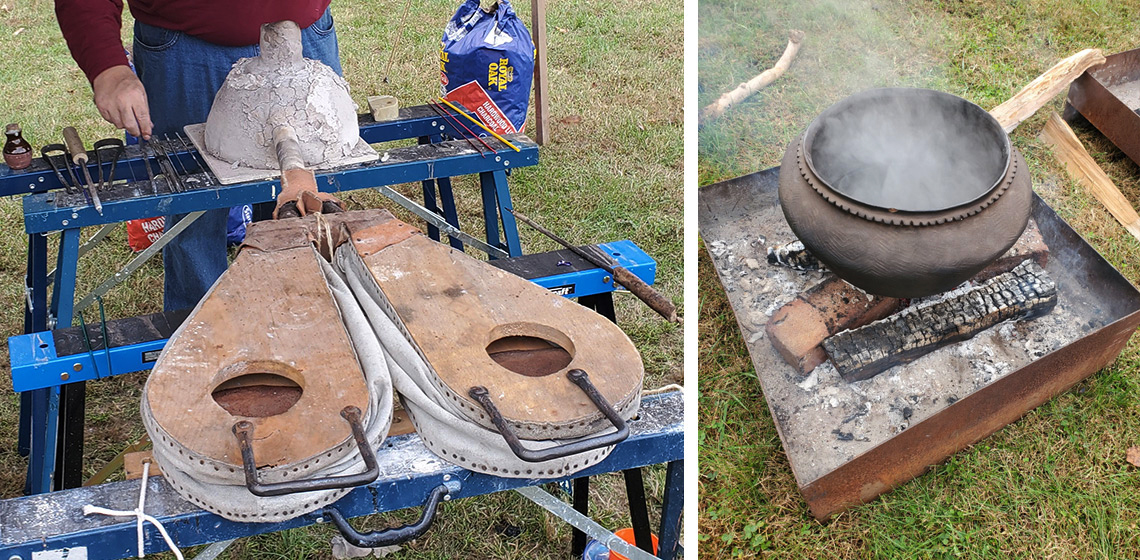
***The 9th annual Reconstructive and Experimental Archaeology Conference, hosted by the Center for Historic Preservation at the University of Mary Washington and George Washington’s Ferry Farm in Fredericksburg, Virginia, took place between October 25th and 26th...
***The 9th annual Reconstructive and Experimental Archaeology Conference, hosted by the Center for Historic Preservation at the University of Mary Washington and George Washington’s Ferry Farm in Fredericksburg, Virginia, took place between October 25th and 26th...
Book Review: Interpreting the Environment at Museums and Historic Sites by Reid and Vali
Publication Date
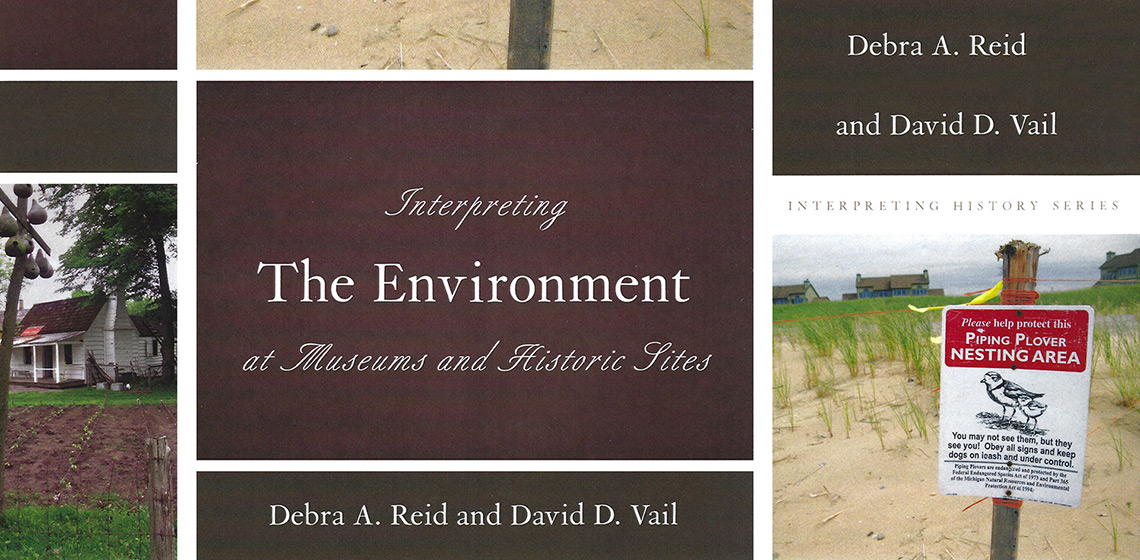
Interpreting the Environment at Museums and Historic Sites is a textbook and a call to action. In the midst of the Anthropocene, Debra A. Reid and David D. Vail argue, museums and conservation areas should attend to their environmental assets, tell environmental stories, and take an activist role in encouraging better stewardship.
Book Review: The Living History Anthology, Perspectives from ALHFAM by Martha B. Katz-Hyman et al. (eds)
Publication Date
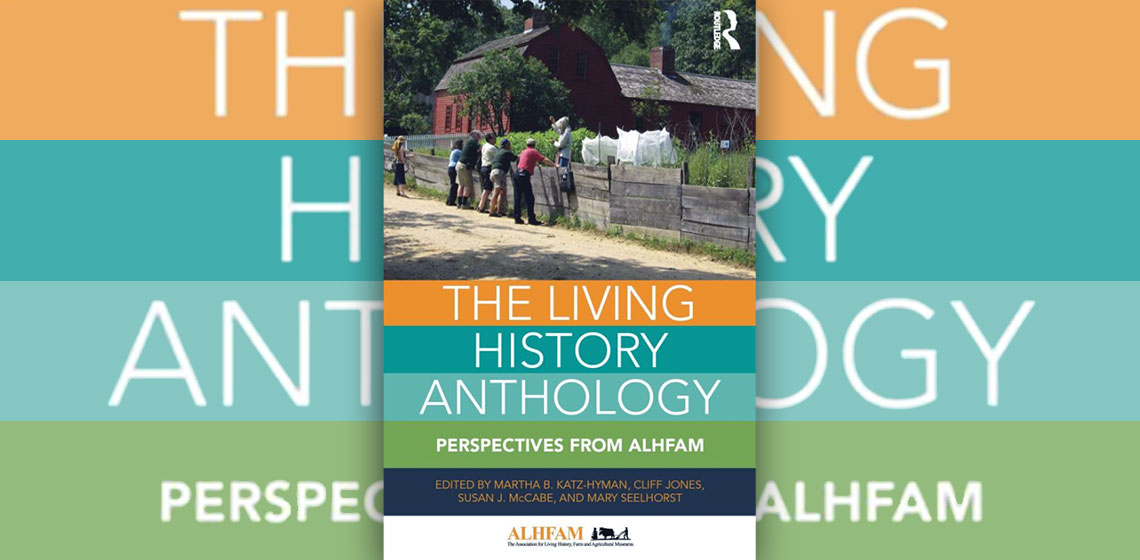
Many open-air museums in the United States are members of the Association of Living History, Farm and Agricultural Museums (ALHFAM). Only a small portion of the ALHFAM members are agricultural museums, however living history in a museum context is what unites the members...
Colonial Williamsburg: Archaeology, Interpretation & Phenomenology
Publication Date
2018 EXARC in Kernave
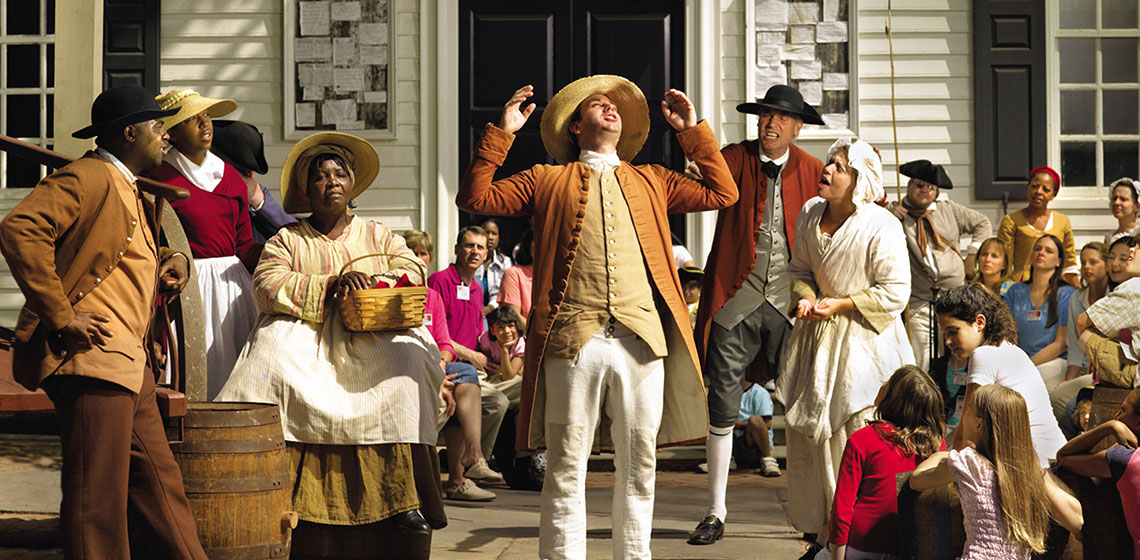
***When I began investigating this conference I was unclear as to how well EXARC’s focus on experimental archaeology would blend with International Museum Theatre Alliance (Imtal)’s approach of museum theatre and interpretation. They seem after all, two very different disciplines...
***When I began investigating this conference I was unclear as to how well EXARC’s focus on experimental archaeology would blend with International Museum Theatre Alliance (Imtal)’s approach of museum theatre and interpretation. They seem after all, two very different disciplines...
Early Efforts in Experimental Archaeology: Examples from Evans, Pitt-Rivers, and Abbott
Publication Date
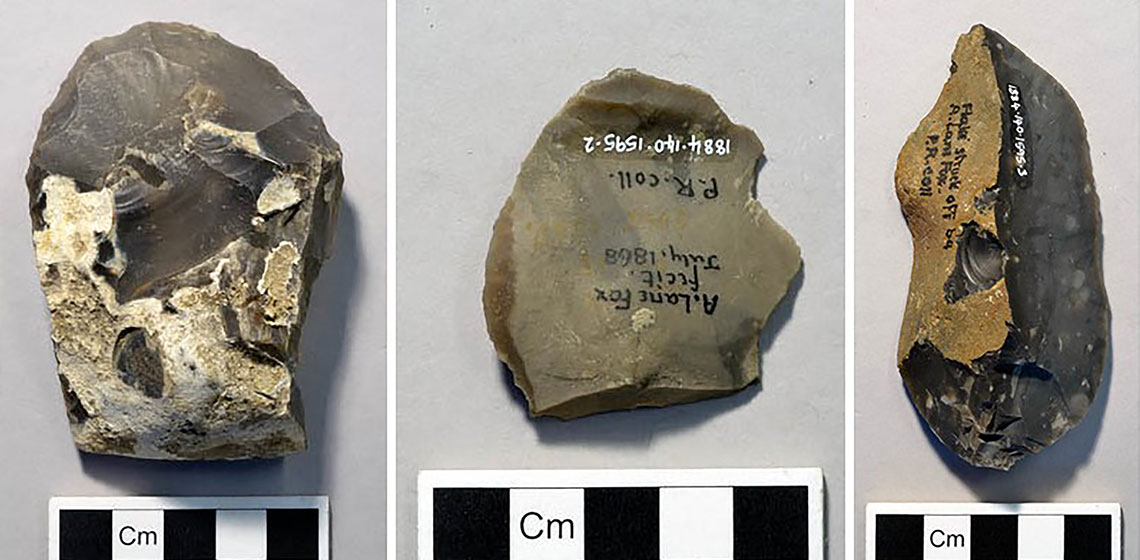
Experimental archaeology formally began more than 150 years ago with attempts in replicative flint knapping by well-known archaeologists such as Sir John Evans, Augustus (Lane Fox) Pitt-Rivers, John Lubbock, and Sven Nilsson (Coles, 1973). These individuals sought to discover how stone tools were made in order to better identify archaeological artifacts as the products of human manufacture and to understand...
How to Run a Reenactment - Introduction to Reenactments and Reenactors, Part 1
Publication Date
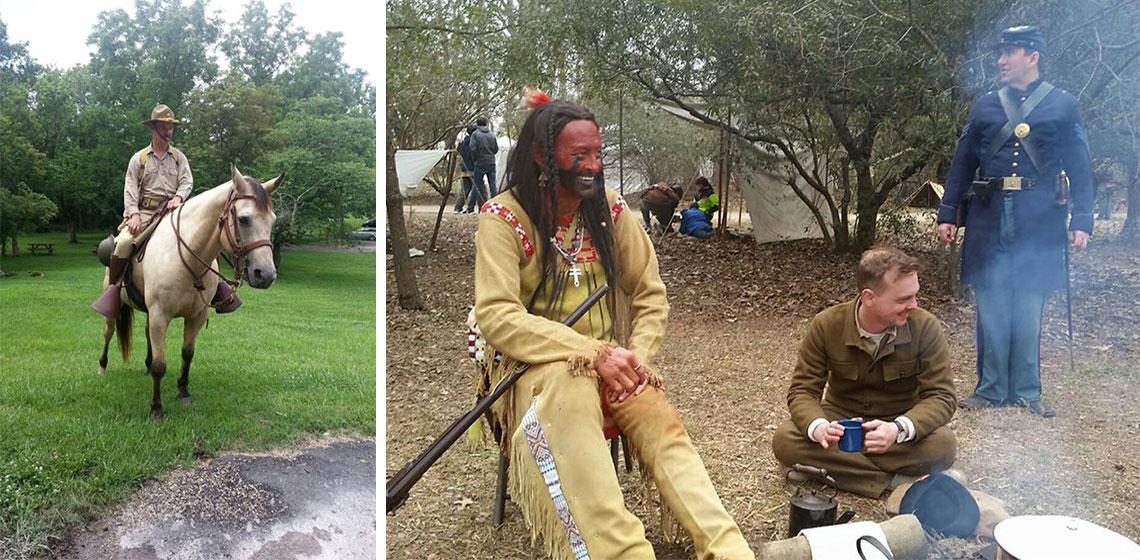
Reenactments, meaning special events that use outside costumed interpreters, are a great way for sites to engage visitors and host memorable programs that build a following. Planning and executing a reenactment can be a daunting challenge for a site that has never hosted one. Like any special event, you have to make sure you have the staffing, resources, and logistics to handle the event...