
Roman Era
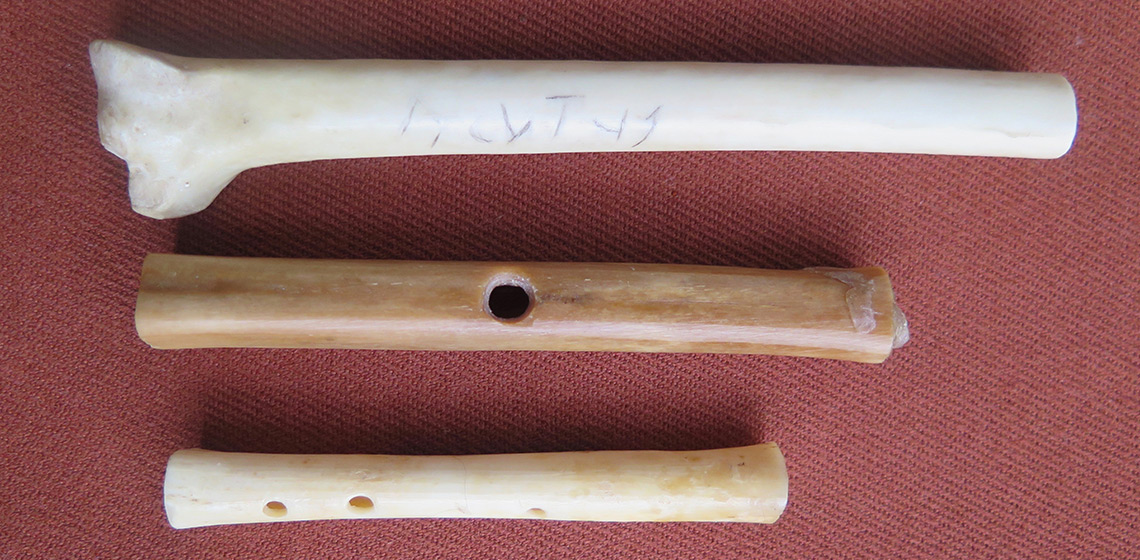
Acutus’ Eagle Bone and Two Bone Tubes with Holes Found in A Roman Fleet Base in The Netherlands - About Signalling Whistles and Animal Calls
Publication Date
At the location of a former Roman military fort and fleet base existing from AD 15-28 in Velsen, The Netherlands, more than 3000 bones and bone fragments were excavated. Three of these can be interpreted as musical instruments. Two bone tubes, of a roe deer and a stork, are provided with one and three holes respectively, on the third, a length of an eagle wing bone with one joint removed...
Ancient Greek Weaving, Experimental Archeology on Greek Textiles and Household GDP
Publication Date
#EAC12 World Tour 2021
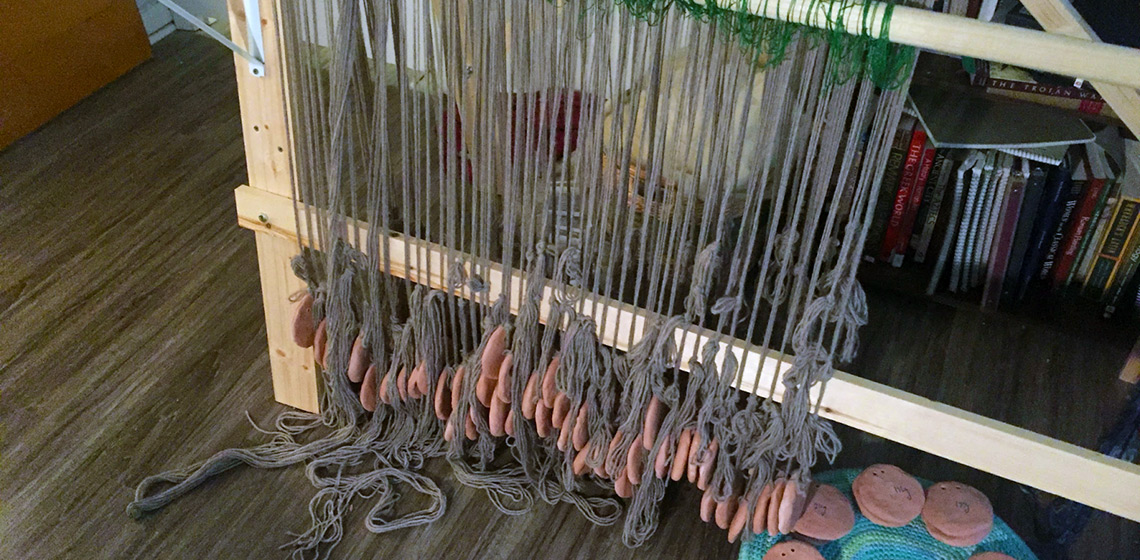
***This paper outlines the experimental weaving project of an ancient Greek chlamys to investigate the weaving production capacity of a typical household and reconstruct women’s contribution to household GDP in ancient Greece. While some scholars have researched finer textiles and tech-niques based on visual evidence...
***This paper outlines the experimental weaving project of an ancient Greek chlamys to investigate the weaving production capacity of a typical household and reconstruct women’s contribution to household GDP in ancient Greece. While some scholars have researched finer textiles and tech-niques based on visual evidence...
Roman Bone Artefacts – First Steps Towards a New Approach
Publication Date
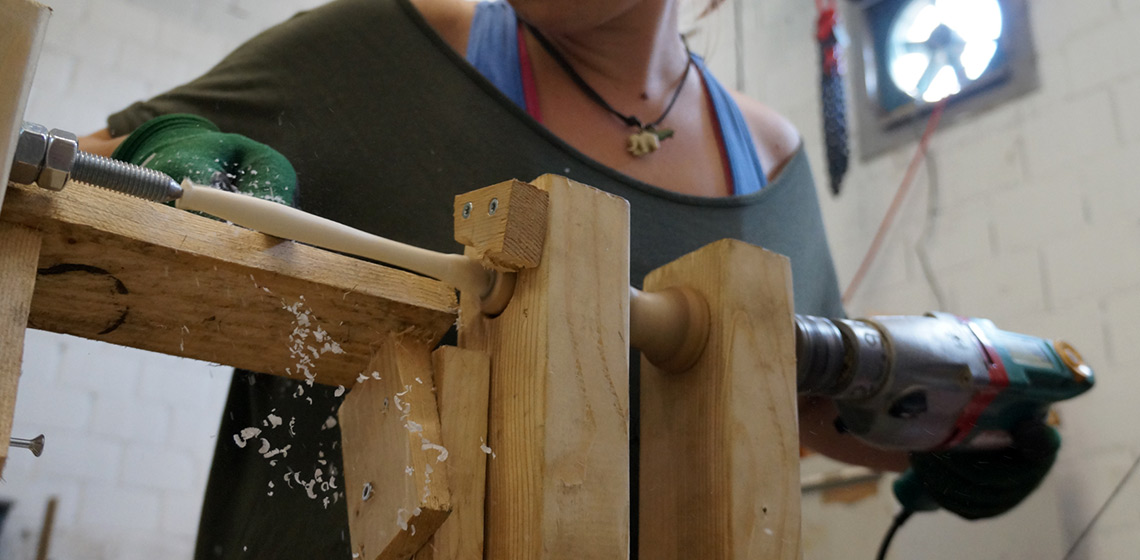
To date, archaeologists often use a typological approach to assess the functions of bone artefacts from the Roman period. In some of these assigned typological groups, certain artefacts do not have a clear definition. This study aimed to assess whether use-wear analysis combined with experimental archaeology could be applied to bone artefacts from the Roman period as ...
Roman Gold Washing as Described by Pliny the Elder
Publication Date
#EAC12 World Tour 2021
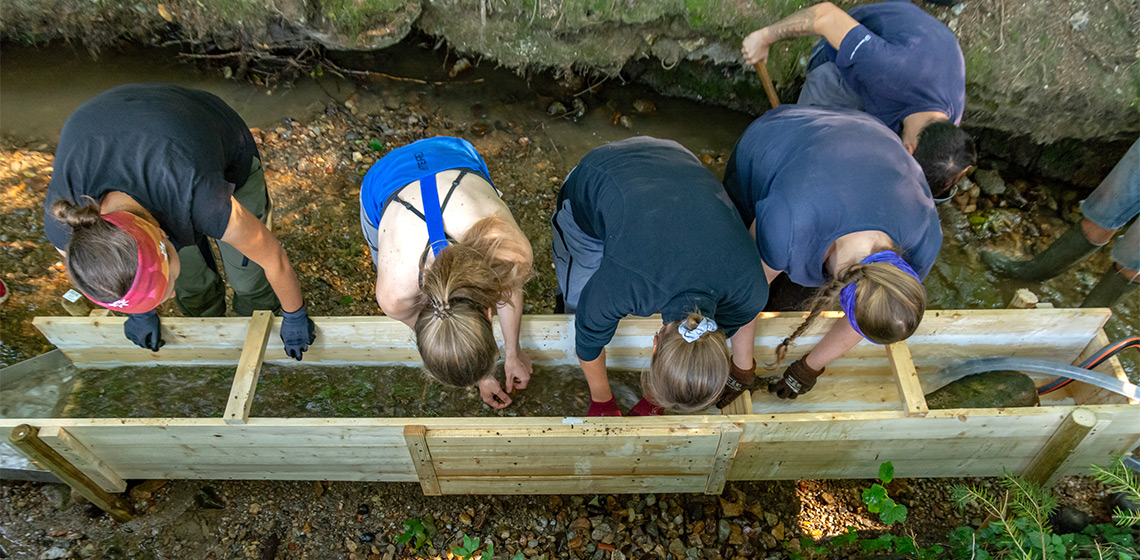
***As part of a four-year interdisciplinary research project of a Roman gold mine in the landscape known as the "Karth" to the south of Vienna, Austria, a reconstruction of gold washing took place as described by Pliny the Elder in book 33 of his Natural History. So far, the "Karth" is the only proven Roman gold mine known in the Eastern Alps...
***As part of a four-year interdisciplinary research project of a Roman gold mine in the landscape known as the "Karth" to the south of Vienna, Austria, a reconstruction of gold washing took place as described by Pliny the Elder in book 33 of his Natural History. So far, the "Karth" is the only proven Roman gold mine known in the Eastern Alps...
The Career of an Orange Stone
Publication Date
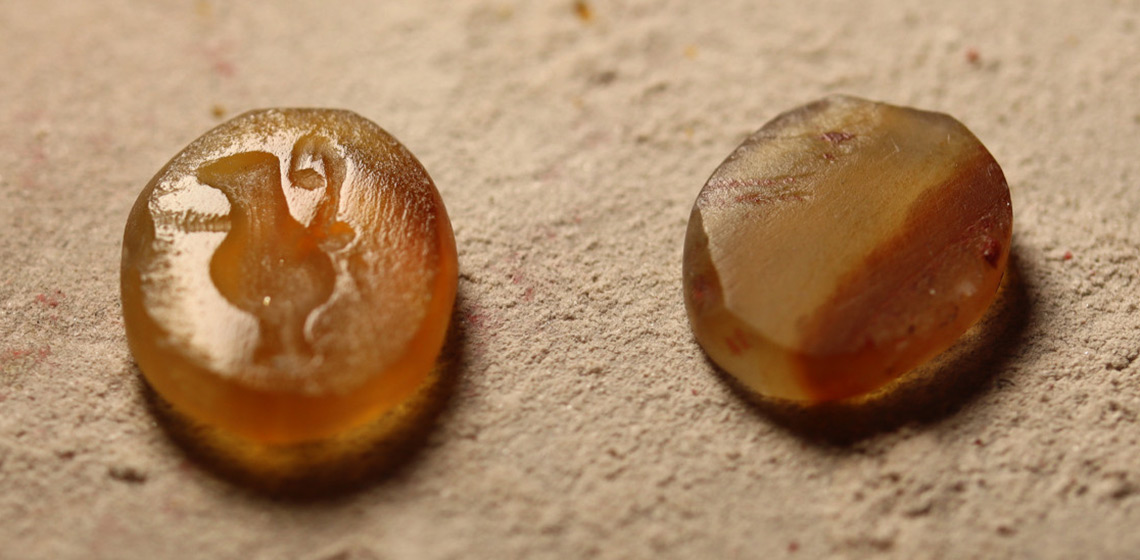
The analysis of archaeological works of art involves their formal, thematic and interpretative description. The importance of these stages rests in their potential to reveal the biography of an artefact. Research methods investigating the production technology behind an object are a valuable factor extending the field of interpretation of a given object. Each finished work is the result of a creative process...
The Ancient Magic of Malt: Making Malt Sugars and Ale from Grain Using Traditional Techniques
Publication Date
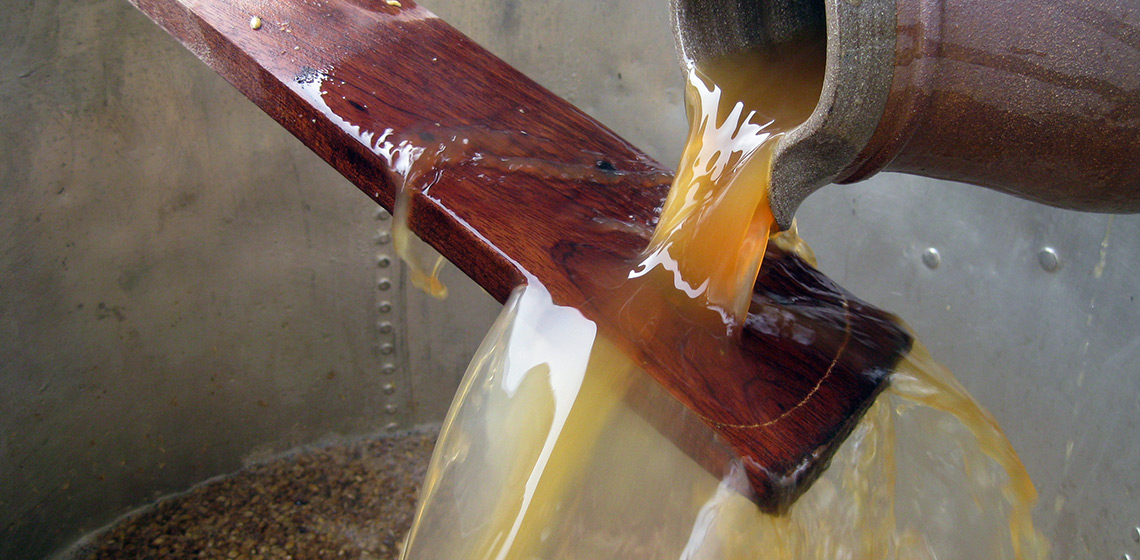
The transformation of grain into malt, malt sugars and ale is a three step process. First, the controlled germination (malting), then ‘mashing in’ and collecting a sweet liquid known as wort and finally, the fermentation by pitching the yeast which converts the sugary wort into an alcoholic beverage. Each step requires different conditions for the process to work. They cannot be combined...
Book Review: Experimentelle Archäologie in Europa, Jahrbuch 2020
Publication Date
Annual Proceedings of the EXAR Tagung
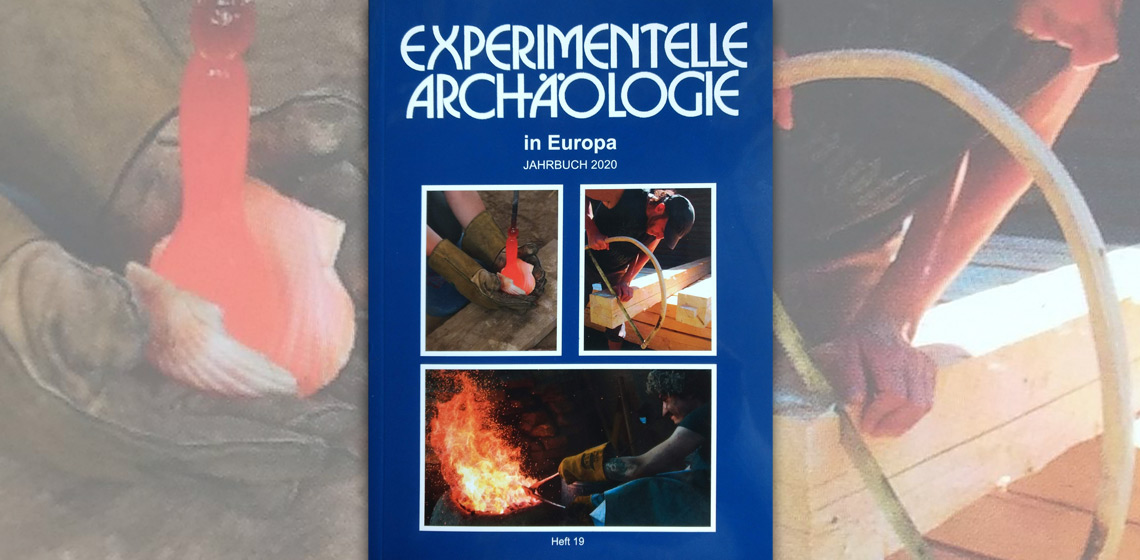
***The 19th issue of the periodical includes 19 essays over 231 pages which present the contributions of the EXAR conference held in 2019. The annual report (Jahresbericht, p.225) and the instructions for authors (Autorenrichtlinien, p.229) of Experimentelle Archäologie in Europa can be found at the end...
***The 19th issue of the periodical includes 19 essays over 231 pages which present the contributions of the EXAR conference held in 2019. The annual report (Jahresbericht, p.225) and the instructions for authors (Autorenrichtlinien, p.229) of Experimentelle Archäologie in Europa can be found at the end...
Experimental Roman Minting: Casting Silver-Copper Alloys into a Bronze Mould
Publication Date
#EAC12 World Tour 2021
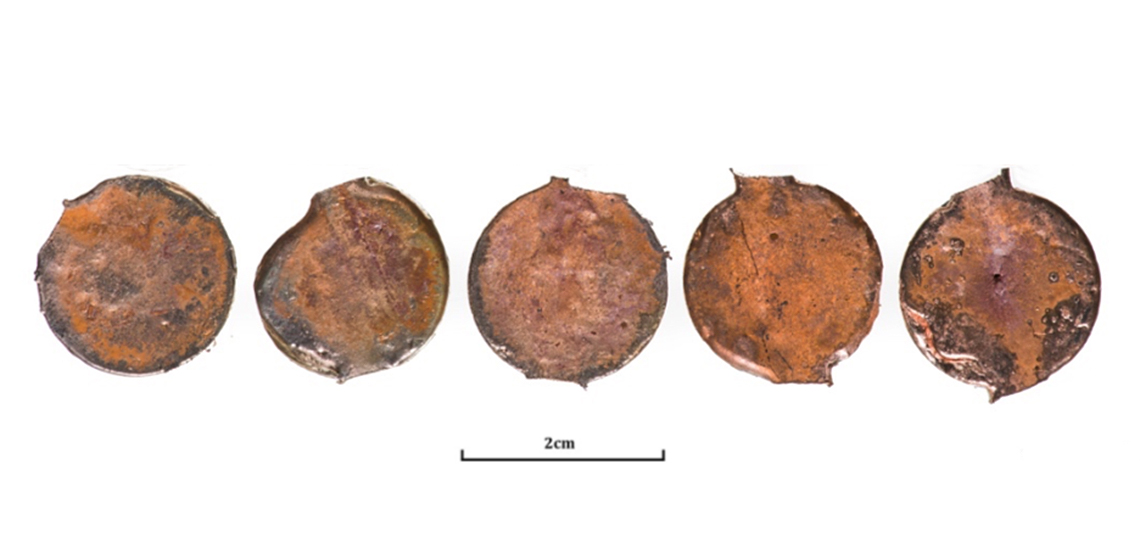
***This paper provides the details of a Roman minting experiment, which used a bronze mould to cast debased silver blanks typical of the third century A.D. The investigation follows the paper ''Experiments reproducing Roman debased alloys" (George, 2020) which studied the manufacturing methods used...
***This paper provides the details of a Roman minting experiment, which used a bronze mould to cast debased silver blanks typical of the third century A.D. The investigation follows the paper ''Experiments reproducing Roman debased alloys" (George, 2020) which studied the manufacturing methods used...
Alternative Reconstruction of a First Century AD Roman Cavalry Saddle
Publication Date
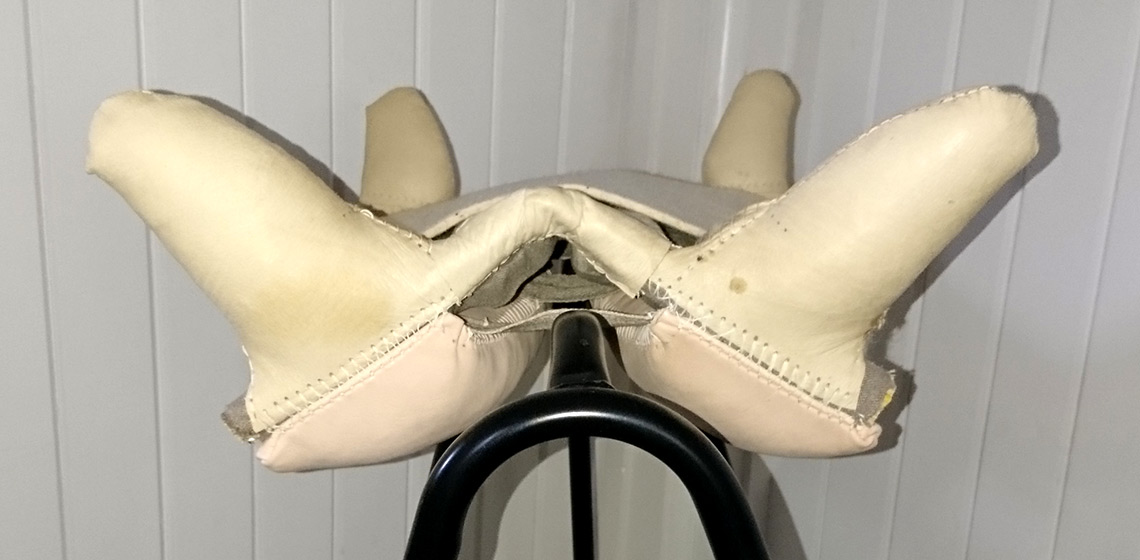
The reconstruction of a First Century AD Roman cavalry saddle has not been investigated since Peter Connolly introduced his ideas of a wooden tree saddle in 1984, based on the evidence and dimensions provided by archaeological finds of leather saddle covers and bronze saddle horn reinforcers. This alternative reconstruction, not using wood, was designed to...
An Experiment with the Warp-weighted Loom and Heavy Loom Weights. The Case of the Giant Refractory Ceramic “Doughnuts” from North Piedmont, Italy
Publication Date
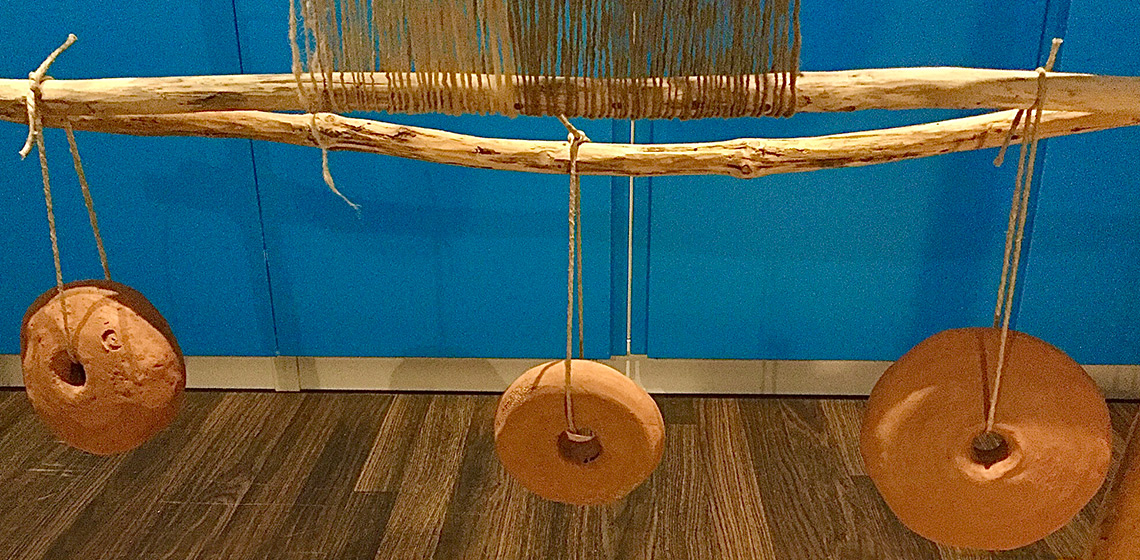
Heavy, doughnut-shaped, loom weights made of refractory clay are often found in excavations of Roman and Late Roman settlements in North Piedmont. Unfortunately, they are not found in situ with a weaving loom. We have interpreted them as having been specifically designed for use on a warp weighted loom with a lower mobile beam which is weighed down by a few heavy loom weights...