You are here

sociology

3 Story Telling - Examples

Monica Johannessen (NO)
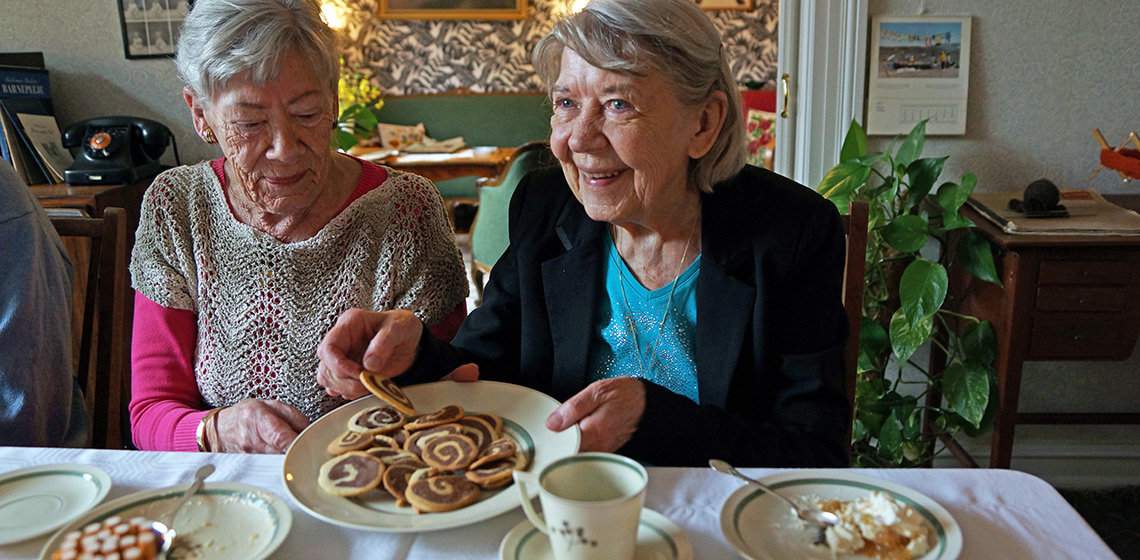
You can do story telling in many different ways. At Landa we involve the guest in the story. The goal for us is that they feel that they are in the time the story is from. Every visitor of any of the different arrangements that we have here, like the museum, the event, school classes, groups, private arrangements and so on will during the time they spend at Landa learn history through activities, storytelling, and experience.

1 Story Telling - Introduction

Monica Johannessen (NO)
Storytelling is the conveying of events in words, images and sounds, often by improvisation or embellishment. Stories or narratives have been shared in every culture as a means of entertainment, education, cultural preservation and to instill moral values.

Did people know they were people or did they still think they were monkeys (NL)?

Many peoples modestly called and still call themselves ‘people’, like the Ainu in Japan or the Inuit of the Polar Circle as do many others. Prehistoric groups of people like the Neanderthal may have had the same habit...

I saw visitors throw coins into a few of the wooden canoes in the museum. Why (DE)?

This question rather requires answering by ethnologists. From archaeological view, this phenomenon can easiest be explained as the popular adaptation of earlier ‘”water cults”. From prehistory, we know numerous sacrifices...

What kind of punishments did they know in the Middle Ages when you had done something wrong (NL)?

Medieval punishments were often quite gruesome and painful. One could simply be put in a block of shame, or much worse than that. Much needed to happen before they would for example cut off your hand, because that would mean...

What kinds of people were working in the castle (NL)?

A castle could have different functions. In most cases, it was the building from which the neighbouring territory was controlled. This could be a town, an important road or a larger area. Often soldiers were encamped, a garrison...

Were there many parties in the Middle Ages? (NL)?

The image we have of the Middle Ages is often about the king at his castle, knights and ladies, jokers et cetera. But the truth was much different...

How many people stayed on a Crannog (UK)?

Crannogs varied in size but it would probably be an extended family of parents, grand parents and children, aunts uncles, cousins, etc. Crannogs were used from 5,000 years ago to as recently as 250 years ago, so the number of people staying there would have changed as the function of crannogs changed.

In the Iron Age, who was exactly the boss (NL)?

That depended on where exactly: at home, in the village.. Life was probably very much structured because the security of existence of every individual and the group as a whole depended on it...

Pages

Subscribe to sociology
© by: EXARC since 2001. All rights reserved