
Hungary
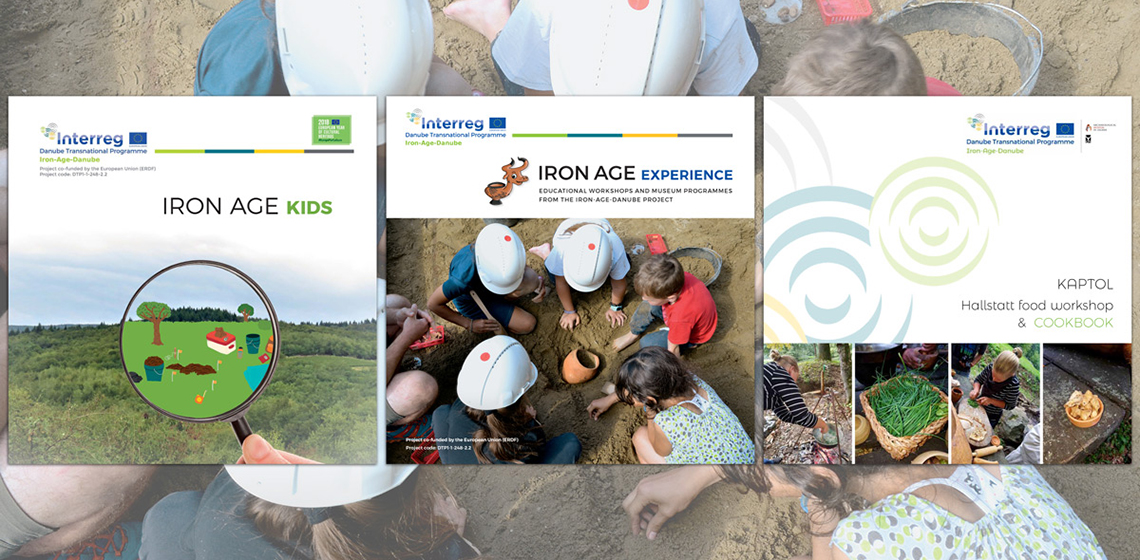
Book Review: Iron Age Experience, Iron Age Kids and Kaptol - Hallstatt Food Workshop & Cookbook
Publication Date
Iron-Age-Danube was a cross-border project, part of the Interreg Danube Transnational Programme of the European Union. It lasted from 2017 until 2019. It counted 12 partners and seven associated organisations from in Austria, Croatia, Hungary, Slovakia and Slovenia.
The major goal of the project is to communicate a lively image of archaeological research and the Iron Age landscapes to the visitors...
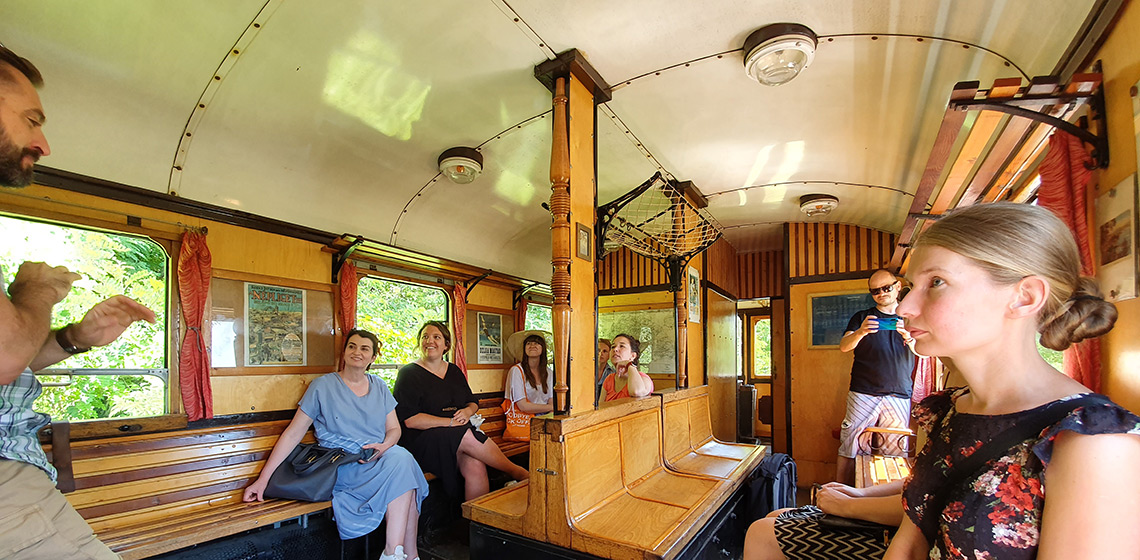
Event Review: NEMO Learning Exchange in Budapest (HU)
Publication Date
The purpose of this Learning Exchange was to discover more about the Hungarian museum landscape, with examples of successful programmes engaging in social responsibility in Hungary. The host and organiser Zsolt Sari, Deputy Director General of the Hungarian Open Air Museum (Skanzen), was joined by colleagues from the Ludwig Museum, the Petofi Literary Museum, and the Herman Otto Museum...
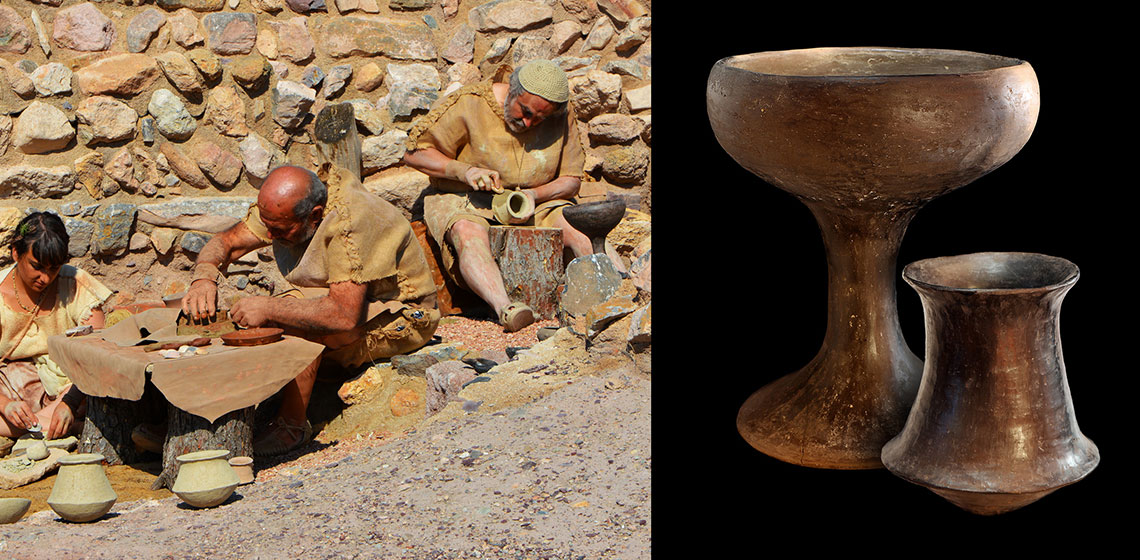
CRAFTER: Reviving Bronze Age Pottery in EU-funded Project
Publication Date
The CRAFTER project aims at reviving modern-day artisanship by drawing inspiration from pottery traditions of four of the most remarkable Bronze Age societies of Europe: El Argar (south-eastern Spain), Únětice (Central Europe), Füzesabony (eastern Hungary) and Vatin (south Serbia)...
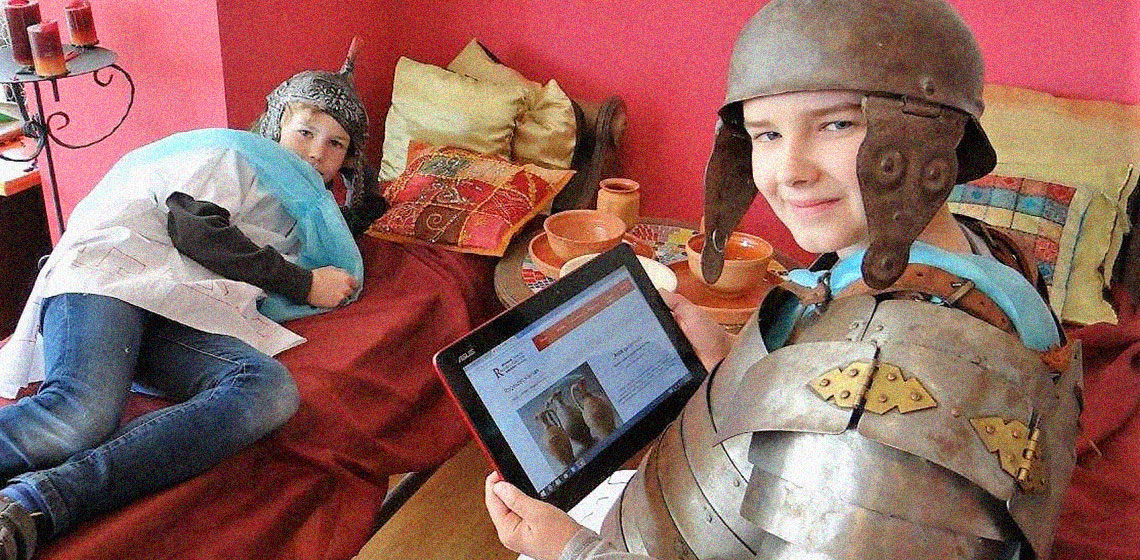
Vacation in the Past - Effective Heritage Interpretation through Education
Publication Date
2018 EXARC in Kernave
***Heritage sites are breathing memories from the past; however, visitors can hardly imagine or experience the ancient life on the spot. In fact, these visits are supposed to conjure up journeys back into the past and park managers should facilitate such experiences by the most effective means possible in order to help tourists gain...
***Heritage sites are breathing memories from the past; however, visitors can hardly imagine or experience the ancient life on the spot. In fact, these visits are supposed to conjure up journeys back into the past and park managers should facilitate such experiences by the most effective means possible in order to help tourists gain...
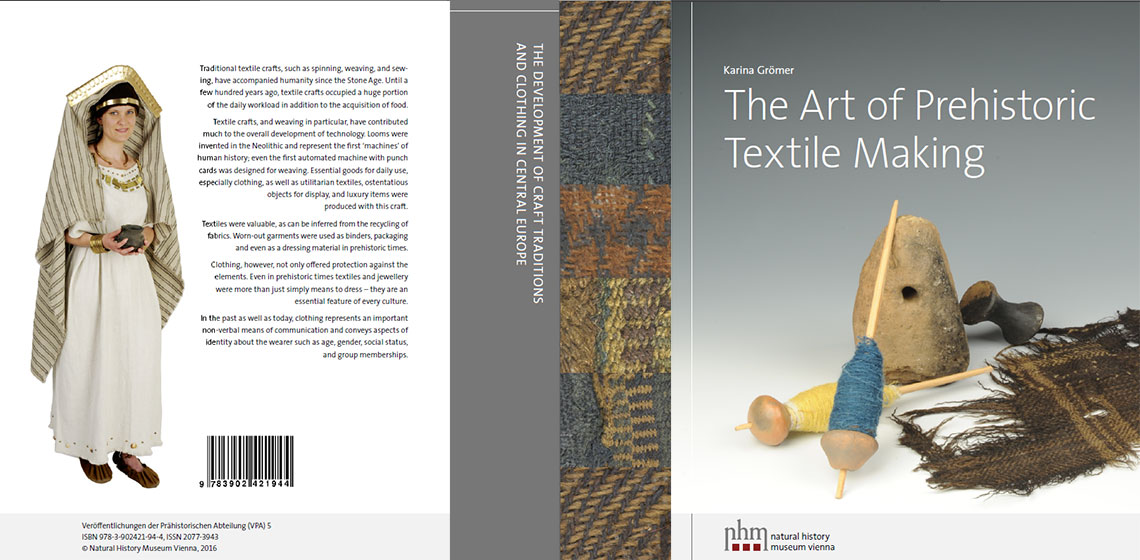
Book Review: The Art of Prehistoric Textile Making: The Development of Craft Traditions and Clothing in Central Europe by Karina Grömer
Publication Date
Textile research has made significant advances in recent years as new technologies and methods are developed, tested, and applied to the analyses of archaeological textiles. The FWF-Project1, a collaborative research effort involving researchers and artists from institutions in Austria, the Netherlands, and Germany, engaged in ...
Interview: Scientific Tools Applied within Archaeology and Historical Re-enactment: Dr Gábor Szollosy on the Implementation of Experimental Archaeology in Hungary

Publication Date
How do you personally approach the concept of experimental archaeology?
Experimental archaeology - in my opinion - has the main and only aim to find answers to questions where classical archaeological methods fail to find them.
Interview: Ancient Hoplitikon, "Poorer Cousin" to History Academia or alternative XXI Century Interpretation of History?

Publication Date
I liaise with a number of living history groups globally, which all share the same aims and objectives of researching and actively pursuing experimental archaeology related to Ancient Greece and Rome. By networking, we create a foundation of knowledge that meets our framework for understanding the past, whether it be military martial arts, polytheism...
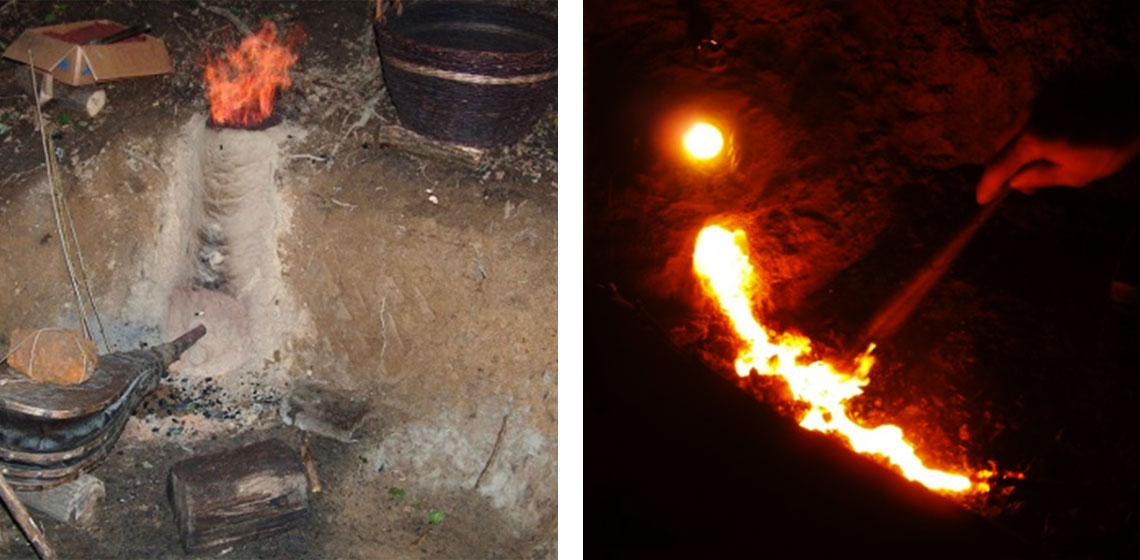
From the Soil to the Iron Product - the Technology of Medieval Iron Smelting
Publication Date
2013 EXARC meeting at Csiki Pihenökert (HU)
***Nowadays, the development of technology rushes past the people of the machine-based technical civilisation, therefore they fail to understand the technological wonders that surround them. One of these is the ancient technology of iron smelting...
***Nowadays, the development of technology rushes past the people of the machine-based technical civilisation, therefore they fail to understand the technological wonders that surround them. One of these is the ancient technology of iron smelting...
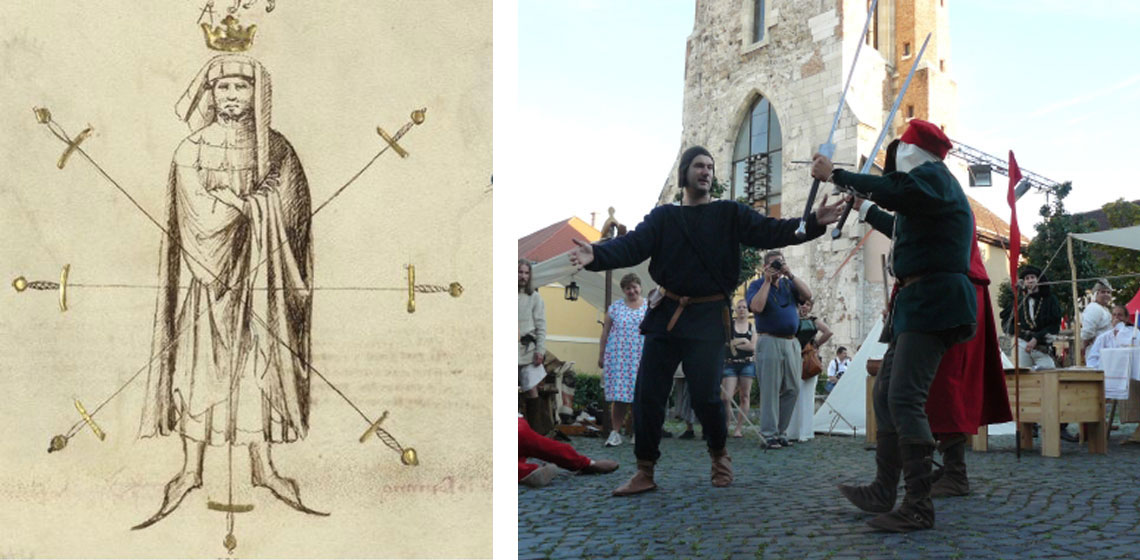
Historical European Martial Arts (HEMA) and Reenactment - Concept, Problems, Approaches in Our Experience
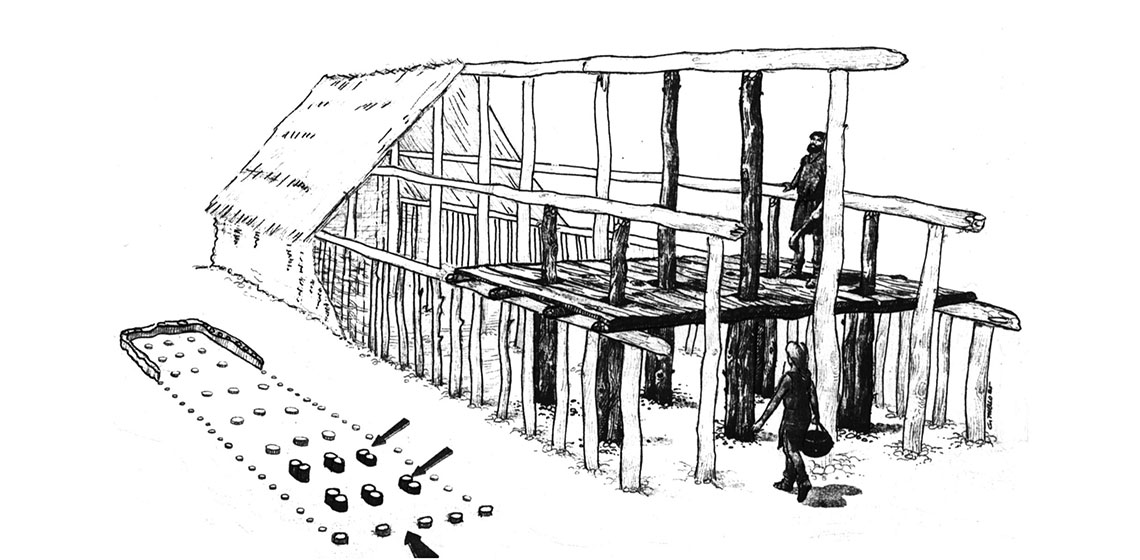
The Reconstruction of the Danubian Neolithic House and the Scientific Importance of Architectural Studies
Publication Date
1987 ESF Proceedings
The 1980s was the beginning of a boom in the construction of archaeologically inspired buildings inside and outside archaeological open-air museums.
***The purpose of this paper was to explore the scientific basis of building reconstructions. The critical issue was to address the problems of reconstruction in order to specify limits within which the reconstruction is of research/educational value and to a set standards which may act as guidelines.