
Poland
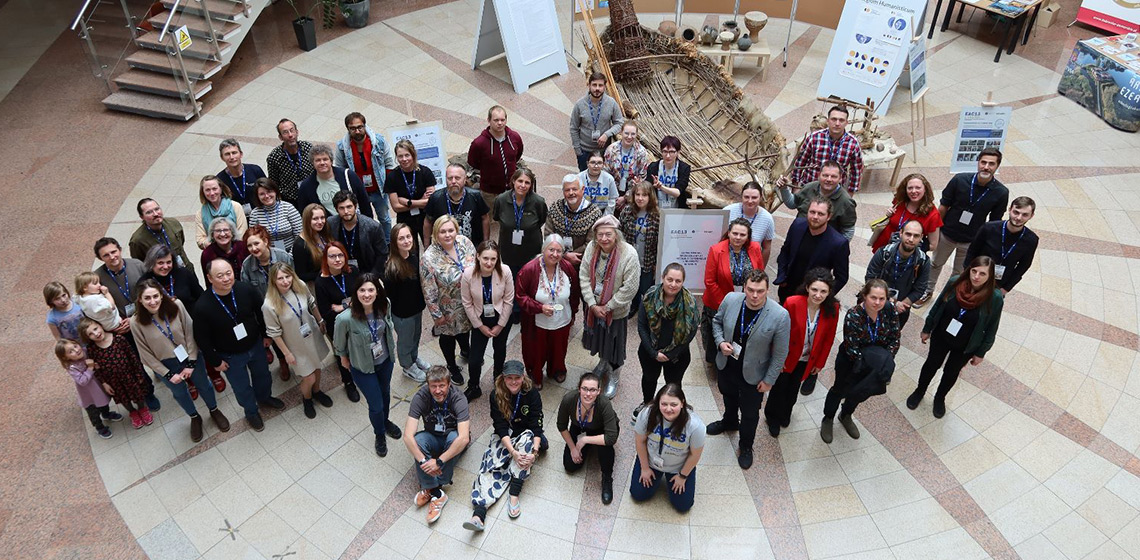
Conference Review: EAC13, Torun, Poland, May 2023
Publication Date
This year EXARC/EAC held its first fully hybrid conference at Nikolaus Copernicus University in Toruń, Poland on 1-3 May. Using the experience and technology from the EAC World Tour, the previous conference in 2021, EXARC was able to include international speakers who would otherwise be unable to participate in the conference.
Book Review: Reality or Fiction?
Publication Date
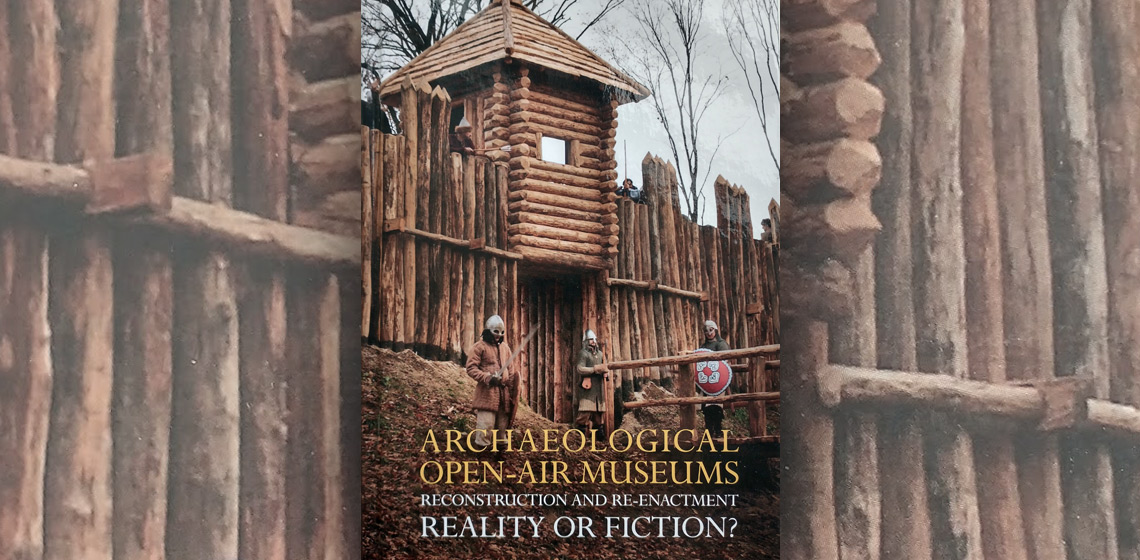
In October 2018, a conference took place in Southern Poland. It was attended mainly by people from Poland and Slovakia, but also included several EXARC members from abroad. The conference was titled “Archaeological Open-Air Museums: Reconstruction and Reenactment – Reality or Fiction?” which is also the title of this book which was published in 2022...
Different Vessel Surface Polishing Methods and Mutual Effects of their Applications
Publication Date
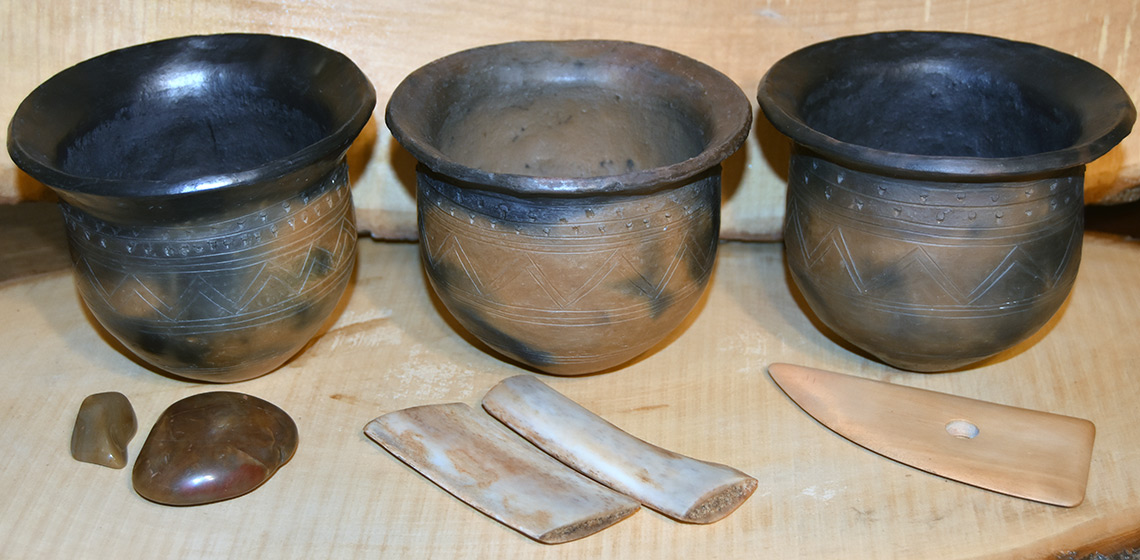
The discovery of an excavated cup with a glossy surface prompted reflection on the polishing of vessel surfaces and their mutual significance. We present the results of the application of three different polishing methods along with a reflection on their function and on the skills and ability of the potter...
Bone Pipes with Parallel Tone Holes. Materials from Medieval Poland (until the End of the 12th C)
Publication Date
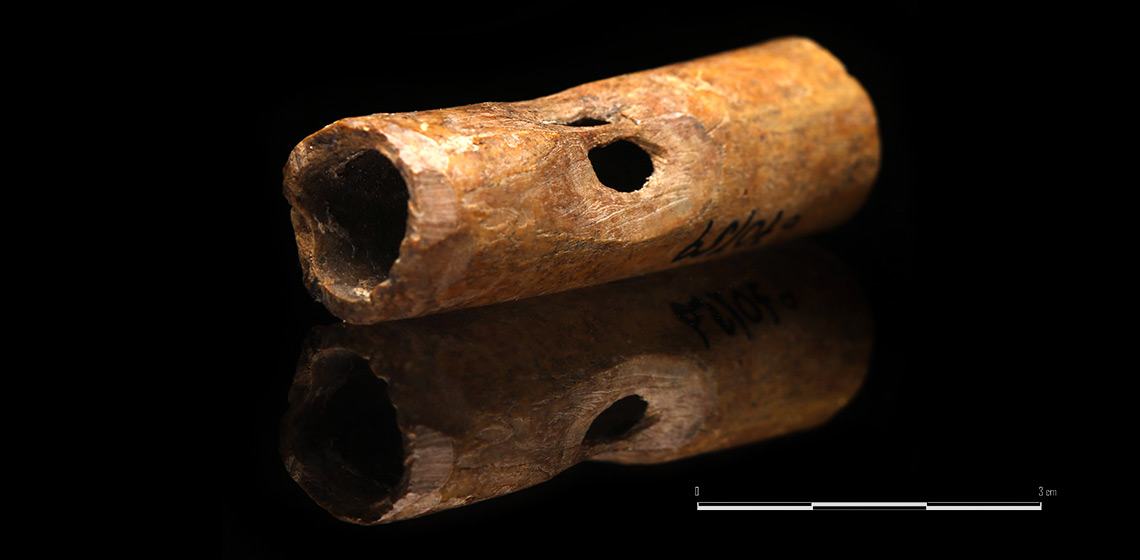
Bone and wood pipes are among the medieval aerophones which have been discovered during archaeological excavations in Poland. The ones that interested us are characterized by a parallel arrangement of sound holes. They are short pipes, several centimetres long, with two holes cut in different places of the pipe body, either at one end or in the middle...
What was *platъ and how Did it Work? Reconstructing a Piece of Slavic Cloth Currency
Publication Date
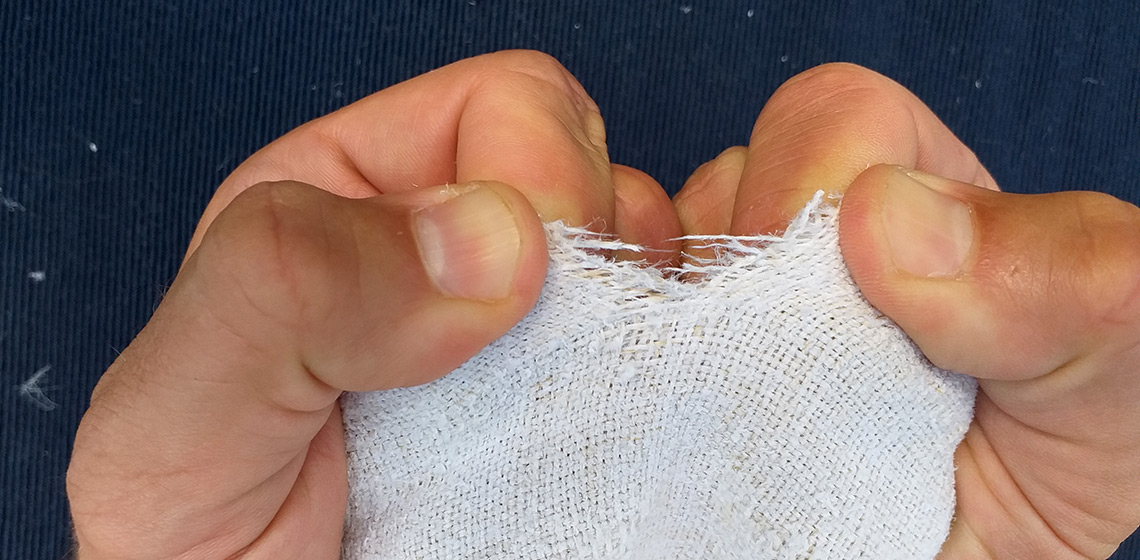
Using a credit theory of money, we propose that at least some Slavic tribal communities underwent a process of social monetization. In order to fully support this hypothesis, however, many linguistic and historiographic sources would need to be discussed – a task which exceeds the scope of a single article. Therefore, we will here focus on examining (from technical perspective) the oldest type of “money” mentioned by Slavic tribal communities, which we interpret as physical records of mutual obligations.
Conference Review: Biannual Conference of the Association of European Open Air Museums (AEOM), Poland, August 2019
Publication Date
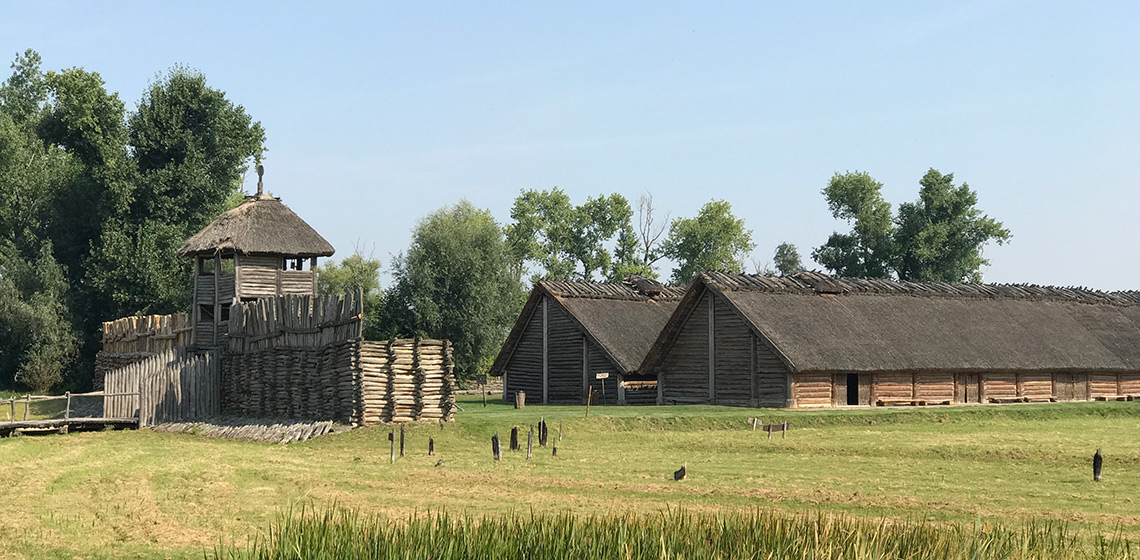
This year’s Association of European Open Air Museums (AEOM) Biannual Conference 2019 took place at multiple sites in Poland, over four days in late August. Its two key themes were ‘How Open Air Museums represent different cultural identities’, and ‘Representing the past - technical solutions for reconstruction and archaeological interpretation’. I was invited to participate in order to...
Conference Review: Archaeological Open-Air Museums: Reconstruction and Reenactment – Reality or Fiction?
Publication Date
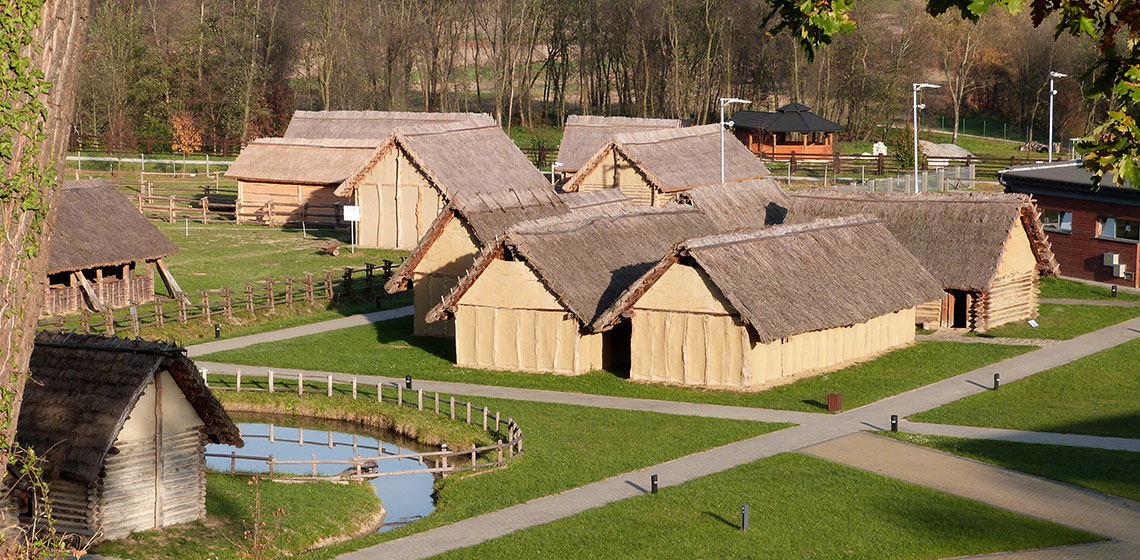
An amazing golden Autumn day greeted us on our first visit to Trzcinica, South Eastern Poland, where last October Terramara Park representatives had been invited to the conference “Archaeological Open-Air Museums: Reconstruction and Reenactment – Reality or Fiction?”. It was an honour to have be selected by the Polish colleagues of the Carpathian Troy Archaeological Open-air museum, and ...
Popularisation of Experimental Archaeology in the Activity of Harjis - Project under the Patronage of the Institute of Archaeology of the University of Lodz (PL)
Publication Date
2018 EXARC in Kernave
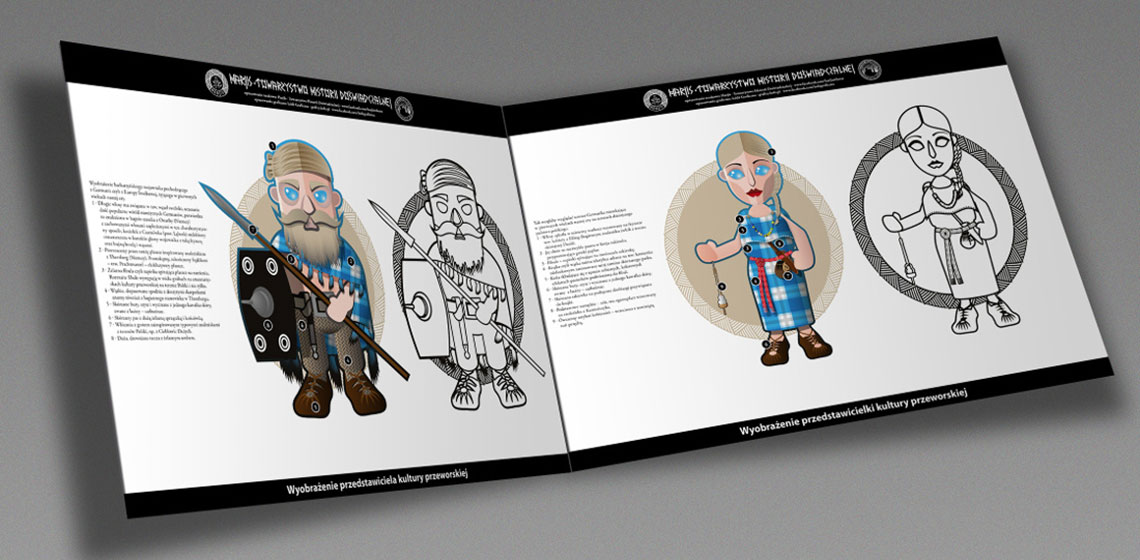
***This article outlines our experiences gained during the implementation of activities at the Society of Experimental Archeology Harjis. Our society aims to recreate dress, weaponry and the realities of the Przeworsk culture, that is, people living in the first centuries of Common Era in the territory of present-day Poland...
***This article outlines our experiences gained during the implementation of activities at the Society of Experimental Archeology Harjis. Our society aims to recreate dress, weaponry and the realities of the Przeworsk culture, that is, people living in the first centuries of Common Era in the territory of present-day Poland...
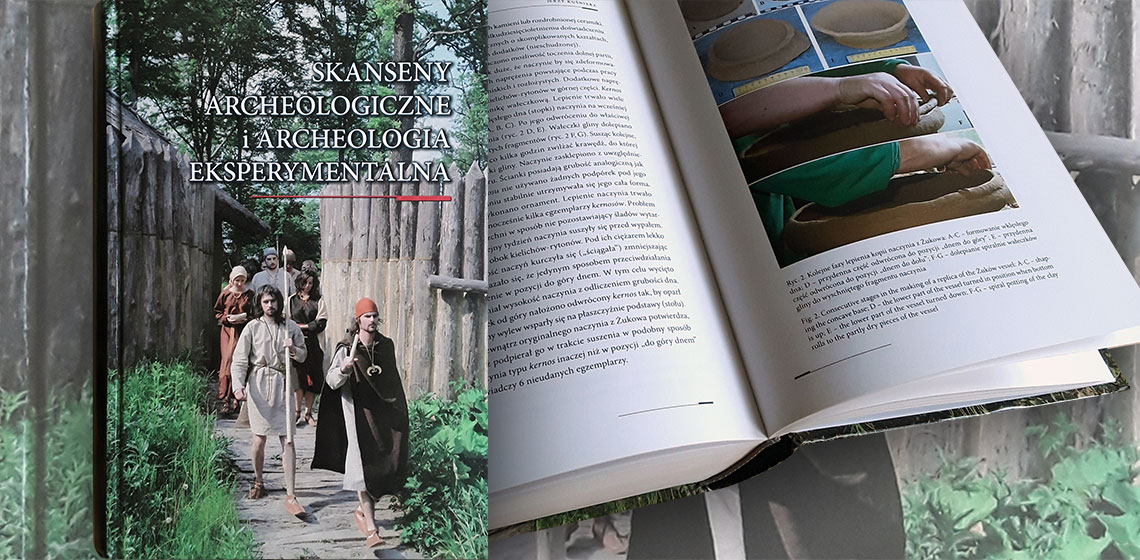
Book Review: Skanseny Archeologiczne i Archeologia Eksperymentalna by Jan Gancarski
Publication Date
The book Skanseny Archeologiczne i Archeologia Eksperymentalna published by the Podkarpackie Muzeum in 2012 brings up the subject of open-air museums, opportunities and disadvantages of the promotion of cultural tourism and experimental archaeology mainly in Poland but also in Slovakia. Articles presented in this book were prepared for two different conferences organised by this museum...
Twenty Years with Flint. The Society for Experimental Prehistoric Archaeology – Where are We Now?
Publication Date
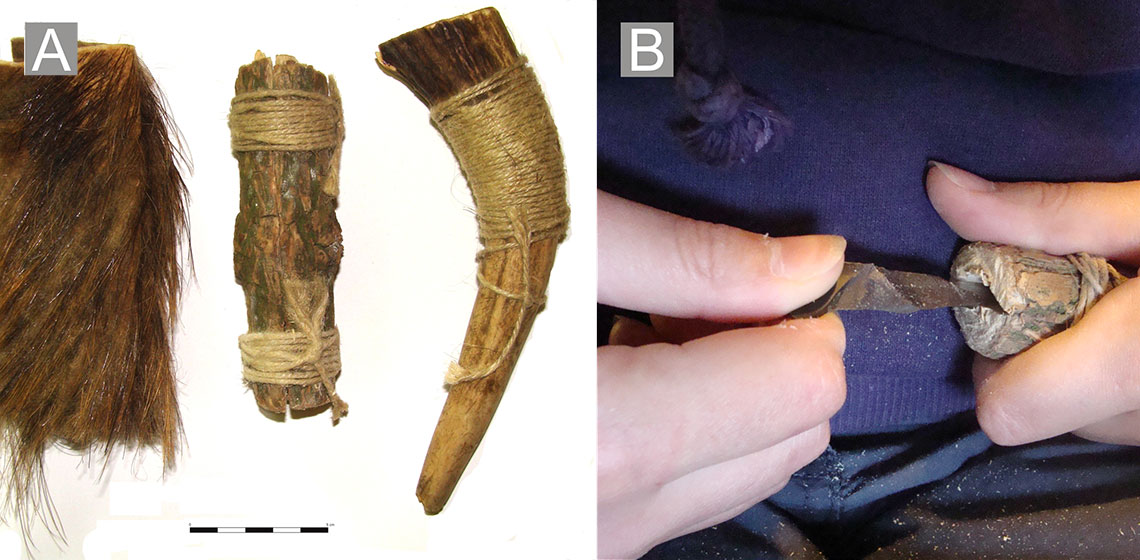
The Society of Experimental Prehistoric Archaeology (SEPA, www.keap.umk.pl) is an organisation affiliated with the Nicolaus Copernicus University’s Institute of Archaeology since 1998. The first academic supervisor of SEPA was Jolanta Małecka-Kukawka, now led by Grzegorz Osipowicz...