
USA
From Gastonia to Gotha: My Thoughts and Impressions on doing Museum Work
Publication Date
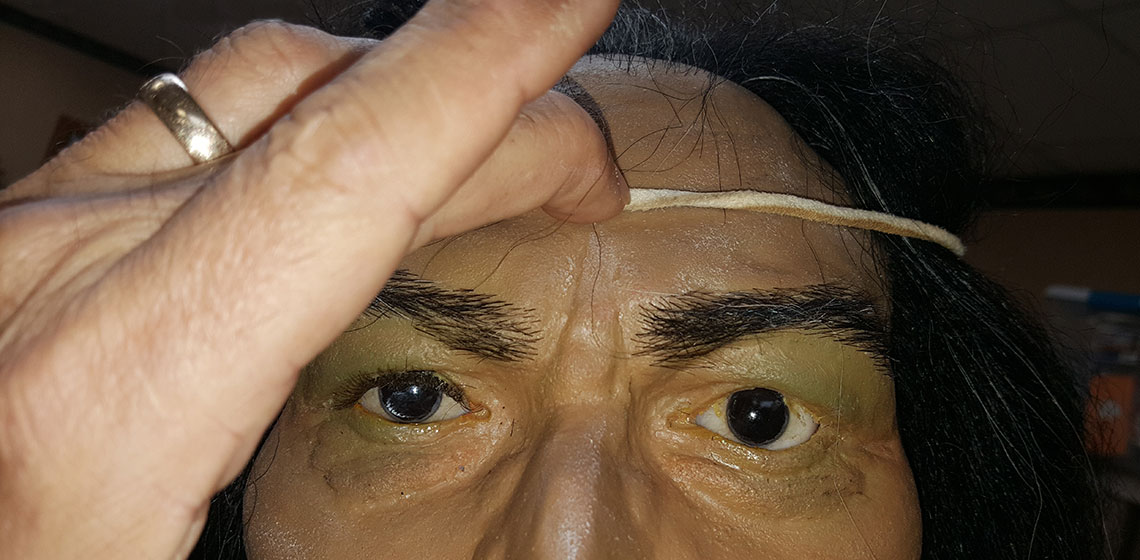
What I consider my first real museum work came from a message on my phone on January 9th from Ann Tippitt, the Director of the Schiele Museum in Gastonia, North Carolina. Ann asked if I was interested in outfitting a Catawba Indian mannequin for the exhibit. Ann wanted a complete set of clothes, weapons and gear...
Conference Review: Reconstructive & Experimental Archaeology Conference REARC 2018
Publication Date
REARC Conferences
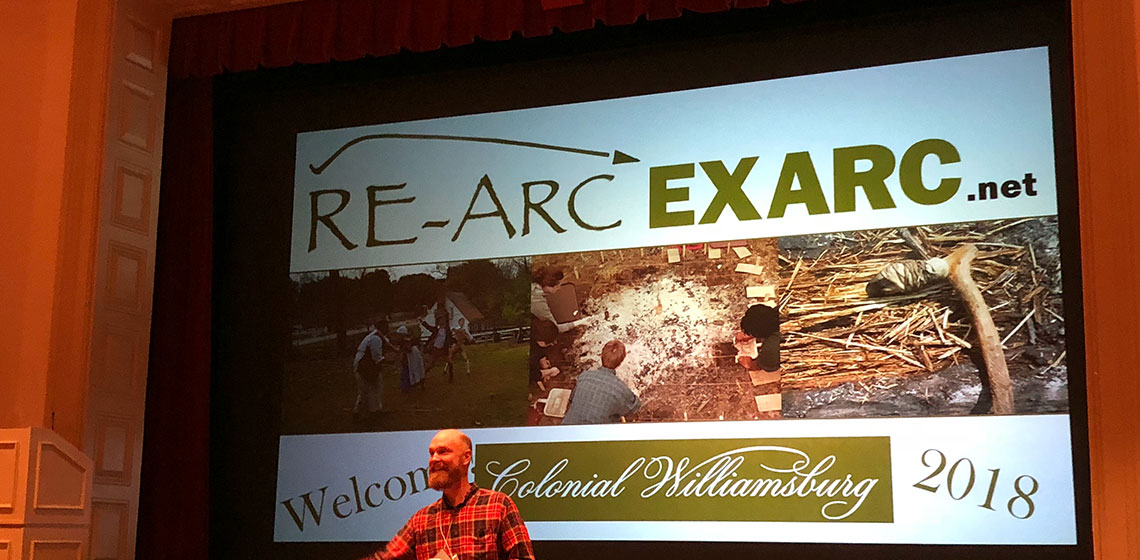
***The 8th annual Reconstructive and Experimental Archaeology Conference hosted by EXARC drew speakers and participants from many parts of the world. The REARC conference was once again hosted by Colonial Williamsburg in Virginia, from October 18-20th. Friday was reserved for the presentation of papers...
***The 8th annual Reconstructive and Experimental Archaeology Conference hosted by EXARC drew speakers and participants from many parts of the world. The REARC conference was once again hosted by Colonial Williamsburg in Virginia, from October 18-20th. Friday was reserved for the presentation of papers...
Textile Textured Silver Ingots: A Technical Investigation into how these Textures came to be on some Viking Hoard Ingots
Publication Date
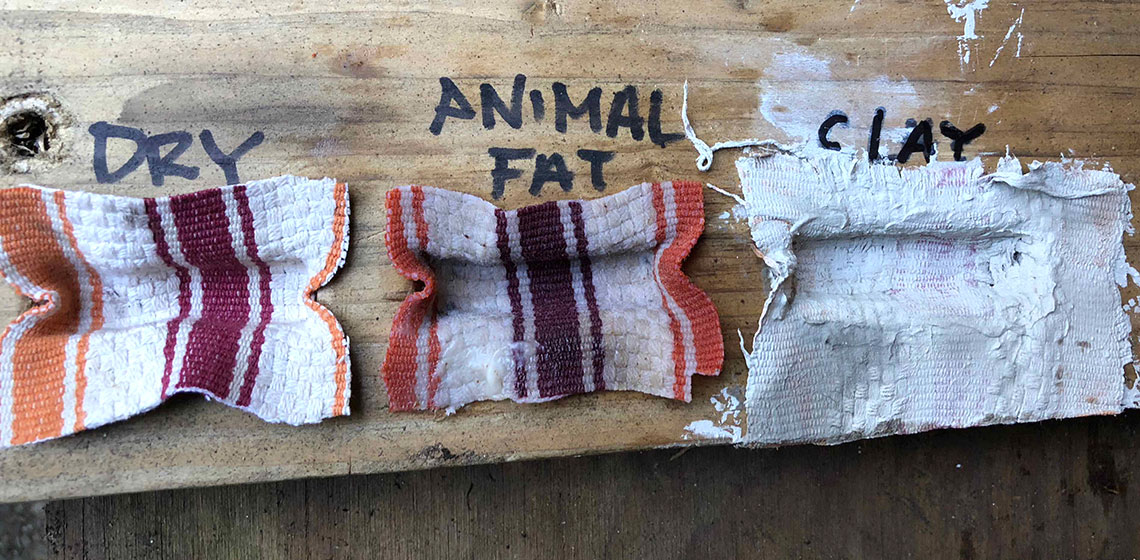
The ‘West Coast Cumbria’ hoard, discovered in 2014, is a late ninth/ early tenth-century Viking silver hoard, housed at the Beacon Museum, Whitehaven, UK. It is composed of 20 Viking silver objects: bar-shaped ingots and ornaments, in various stages of fragmentation (PAS ‘Find-ID’ LANCUM-FA14C8). One, complete ingot (museum no. 2016.162.5) bears coarse cloth-impressions on its upper surface...
Public Access to (Pre-)History Through Archaeology
Publication Date
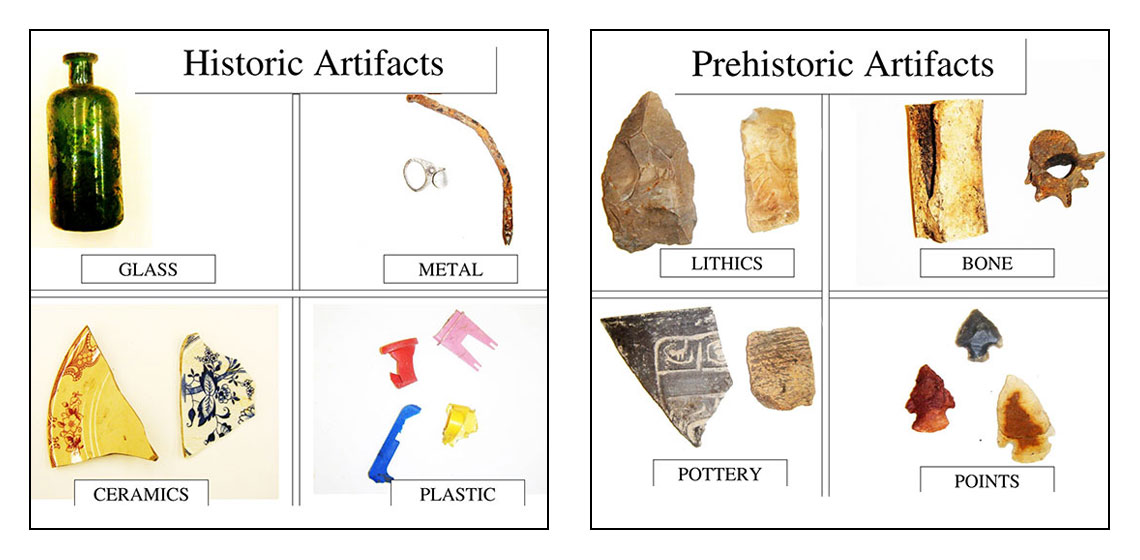
Public history, like experimental archaeology, is relatively new as an accepted academic program; the two fields are intrinsically linked and should, ideally, use interdisciplinary collaboration to better educate and involve the public in their work. This paper presents case studies in education and interpretation by the author, as well as exemplary programs from various sites in the United States and Europe...
Conference Review: SAA General Session, Experimental Archaeology 2018
Publication Date
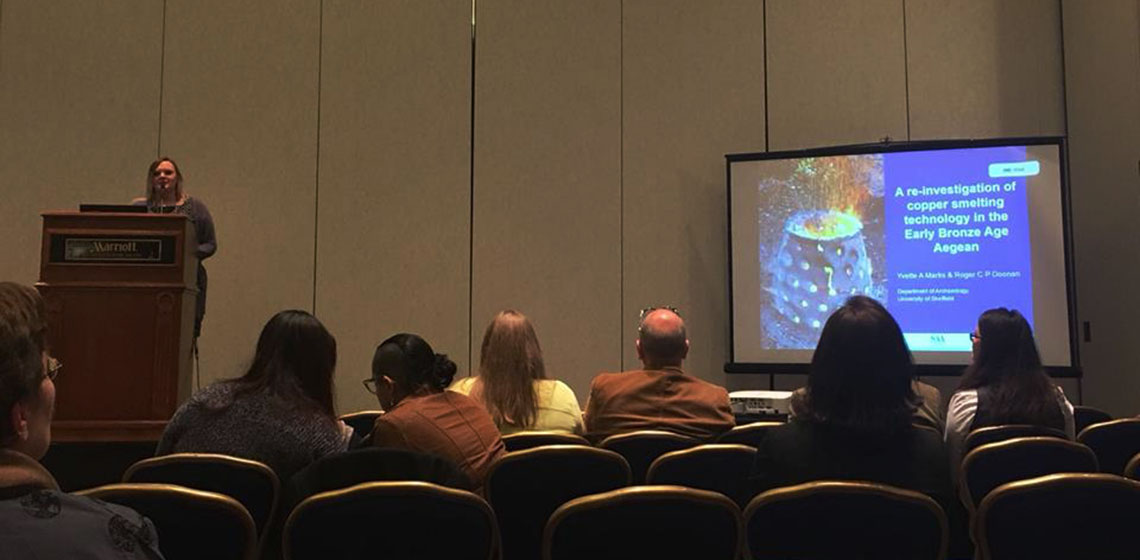
The Society for American Archaeology is, perhaps with the exception of the World Archaeology Congress, the largest meeting of archaeologists in the world. The 2018 annual meeting was held in Washington DC and was attended by approximately 5000 archaeologists. Delegates were primarily from the States, but there was also a good international showing with attendees coming from around the world...
History in Motion: Colonial Williamsburg
Publication Date
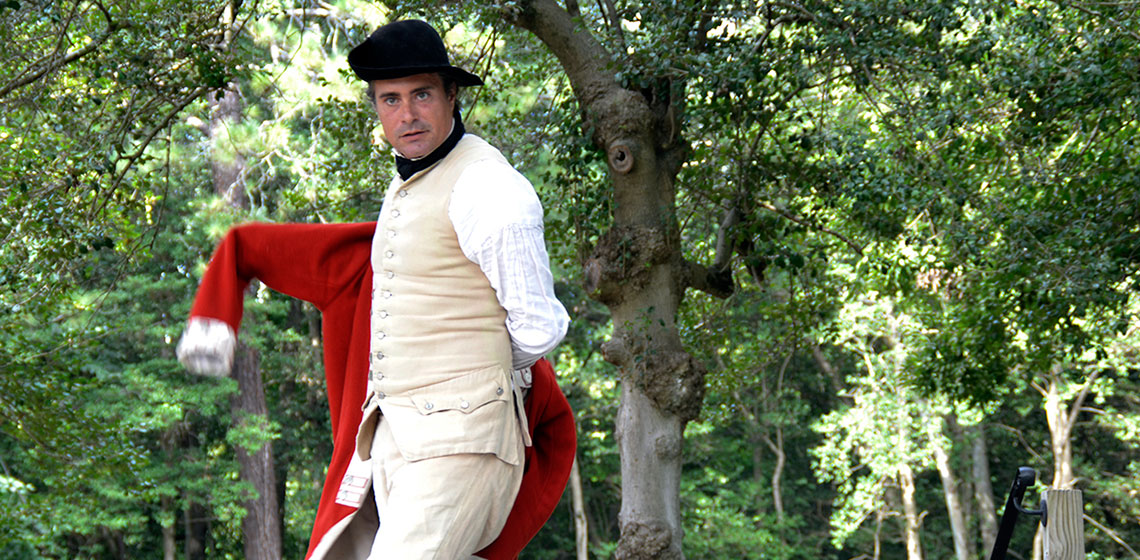
Boundaries are always an interesting topic. In the framework of the current heritage buzz word decolonization, boundaries might also represent what is “colonised” in every cultural enterprise, or to be more specific, how and why some form of power obtruded its authority, and to what extent. Like almost all other museums, Colonial Williamsburg deals with the past. The past has its own boundaries that...
Experimental Approaches to Student Success
Publication Date
10th EAC Leiden 2017
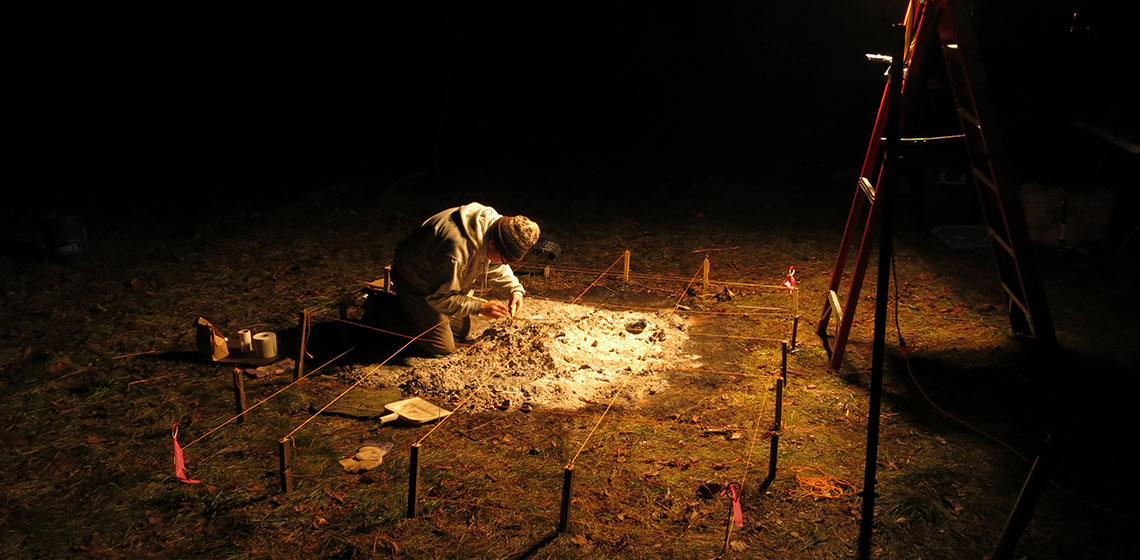
***An undergraduate student who hopes to secure meaningful work or pursue graduate studies needs to have excellent grades. This is true for all disciplines, but especially for niche fields like archaeology. Grades alone, however, are rarely enough. Employers and graduate schools seek candidates that are not only ‘book smart’ but who have...
***An undergraduate student who hopes to secure meaningful work or pursue graduate studies needs to have excellent grades. This is true for all disciplines, but especially for niche fields like archaeology. Grades alone, however, are rarely enough. Employers and graduate schools seek candidates that are not only ‘book smart’ but who have...
Conference Review: Reconstructive & Experimental Archaeology Conference REARC 2017
Publication Date
REARC Conferences
***There was something for everyone at the 2017 Reconstructive and Experimental Archaeology Conference, as it represented many aspects of experimental archaeology. The conference took place between the 16th and 19th of November, 2017, at Colonial Williamsburg in Williamsburg, Virginia. Although it was a small conference...
***There was something for everyone at the 2017 Reconstructive and Experimental Archaeology Conference, as it represented many aspects of experimental archaeology. The conference took place between the 16th and 19th of November, 2017, at Colonial Williamsburg in Williamsburg, Virginia. Although it was a small conference...
Shifting the Sand: Replicating Black Powder Grenades
Publication Date
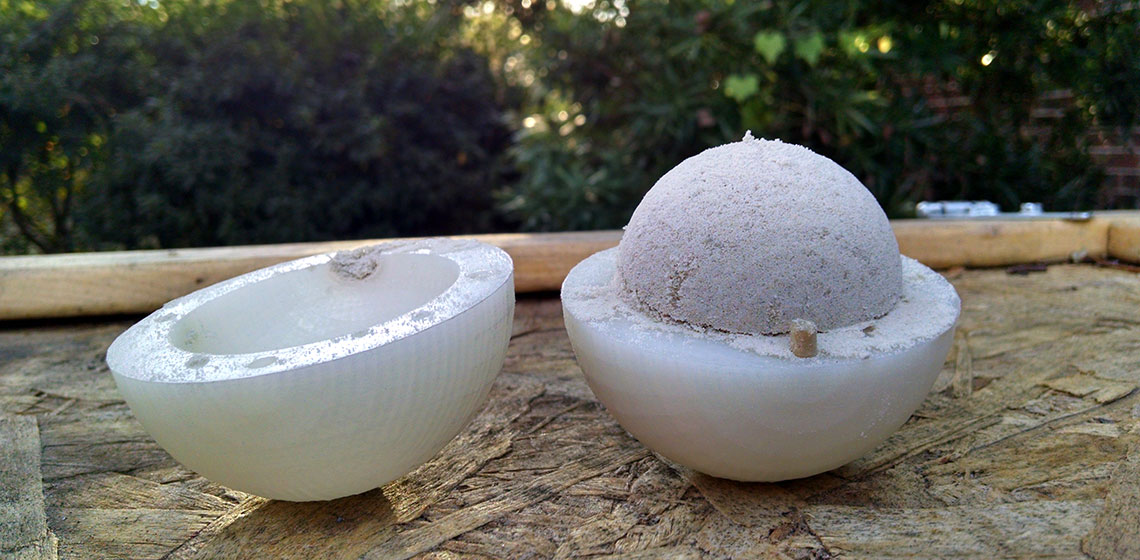
Black powder hand grenades are ubiquitous for several European archaeological sites between 1600 AD and 1900 AD. Unfortunately, many archaeological reports only note the presence of hand grenades in artifact inventories, perhaps denoting some minor measurements. Only one report contains a full assessment of grenades, but this was performed by treasure hunters who excavated the pirate ship Whydah...
Experimental Archaeology as Participant Observation: A Perspective from Medieval Food
Publication Date
10th EAC Leiden 2017
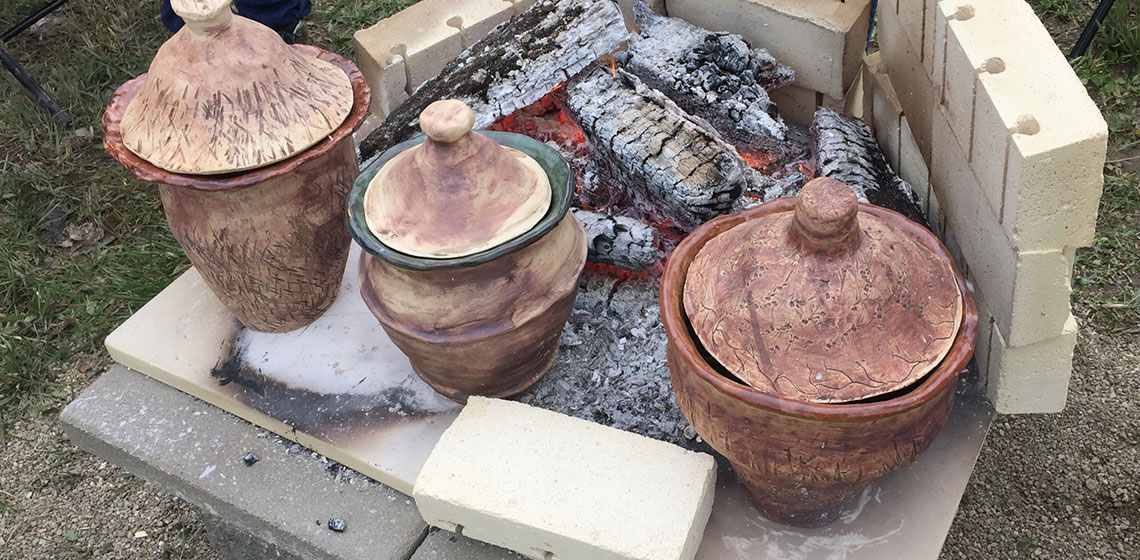
***Central to anthropology is the concept of participant observation, where a researcher engages in immersive learning through ethnographic fieldwork. This concept is also important for archaeologists as immersive learning provides an avenue for more robust interpretation and the development of...
***Central to anthropology is the concept of participant observation, where a researcher engages in immersive learning through ethnographic fieldwork. This concept is also important for archaeologists as immersive learning provides an avenue for more robust interpretation and the development of...