
Iron Age
From Wax to Metal: An Experimental Approach to the Chaîne Opératoire of the Bronze Disk from Urdiñeira
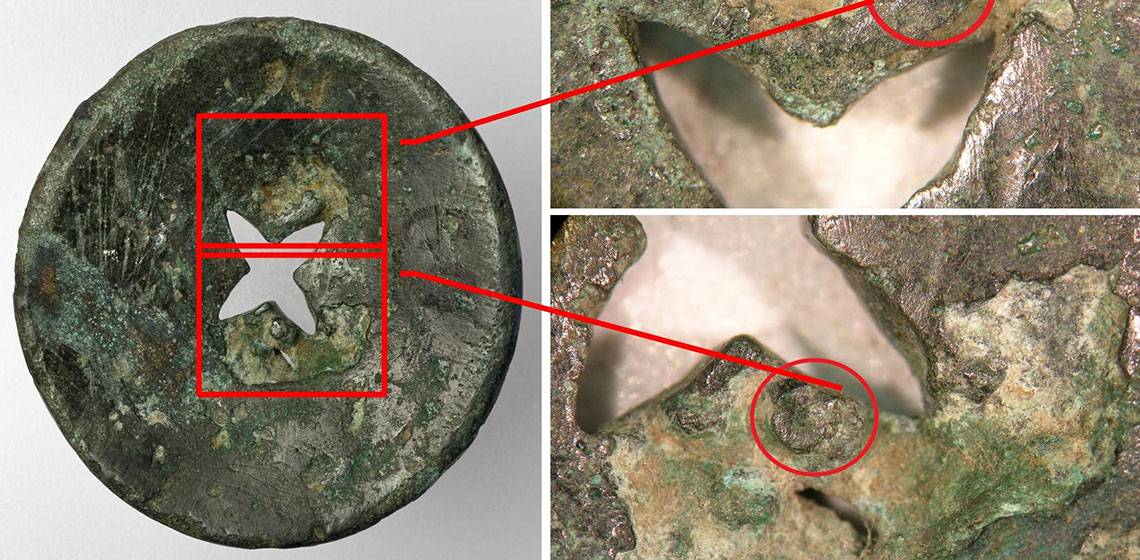
***The so-called ‘Treasure of A Urdiñeira‘ (A Gudiña, south-east of the province of Ourense, Spain) consists of an assemblage of three metal artefacts: two gold bracelets and a bronze button or disk, dated from the transition between the Late Bronze Age and the Early Iron Age...
Acorn Bread in Iron Age of North-western Iberia, from Gathering to Baking
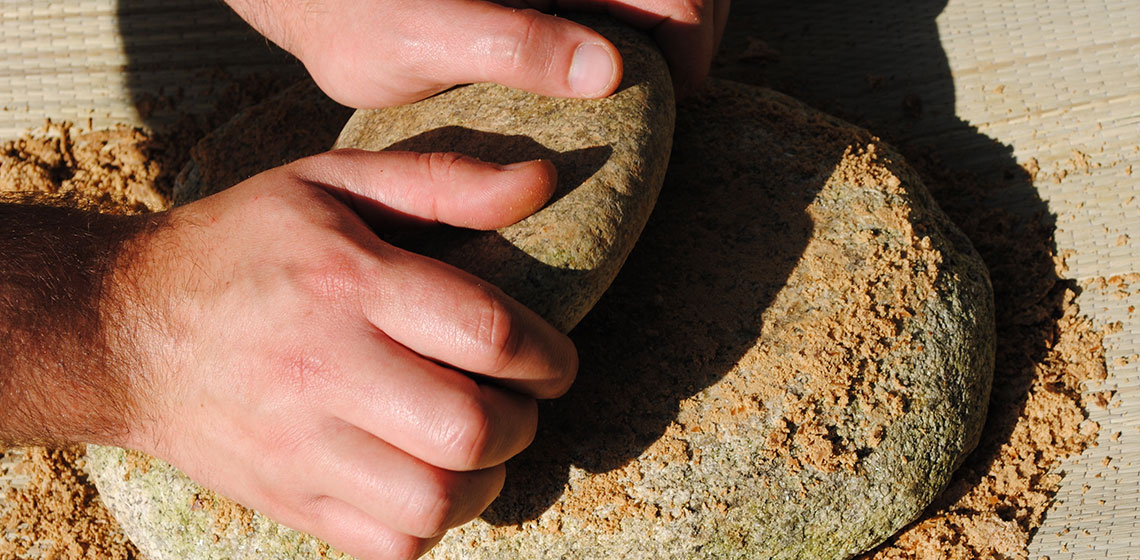
***Strabo's Geography is one of the main sources that archaeologists use for the study of the Castro Culture’s (Iron Age in north-western Iberia) customs on food and consumption. In his description, he affirms that during two thirds of the year, those mountaineers fed on the acorn...
Conference Review: Live Interpretation, 2013 EXARC’s Meeting in Hungary
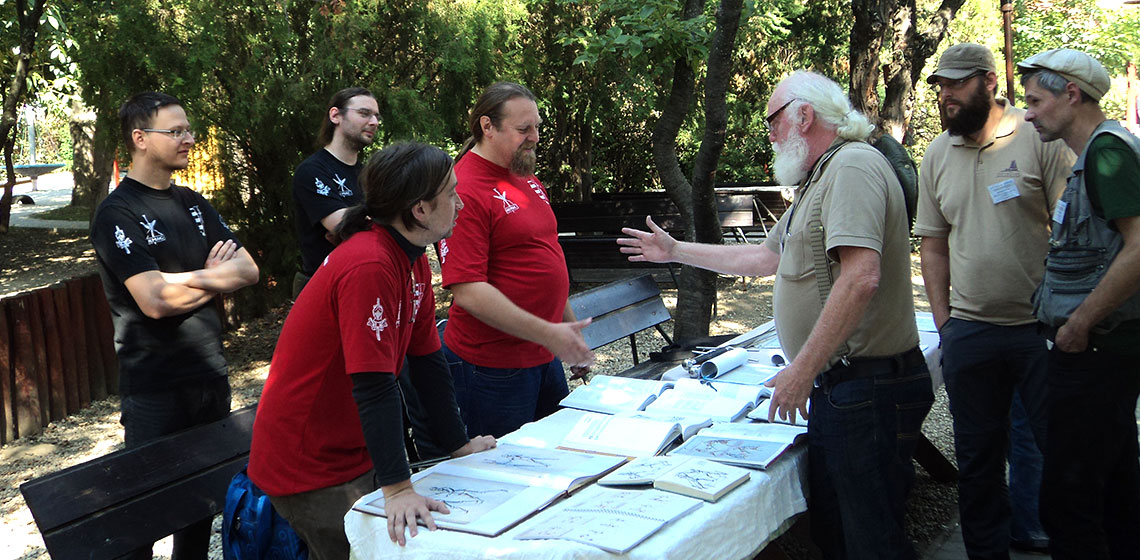
I Know What you Did Last Summer
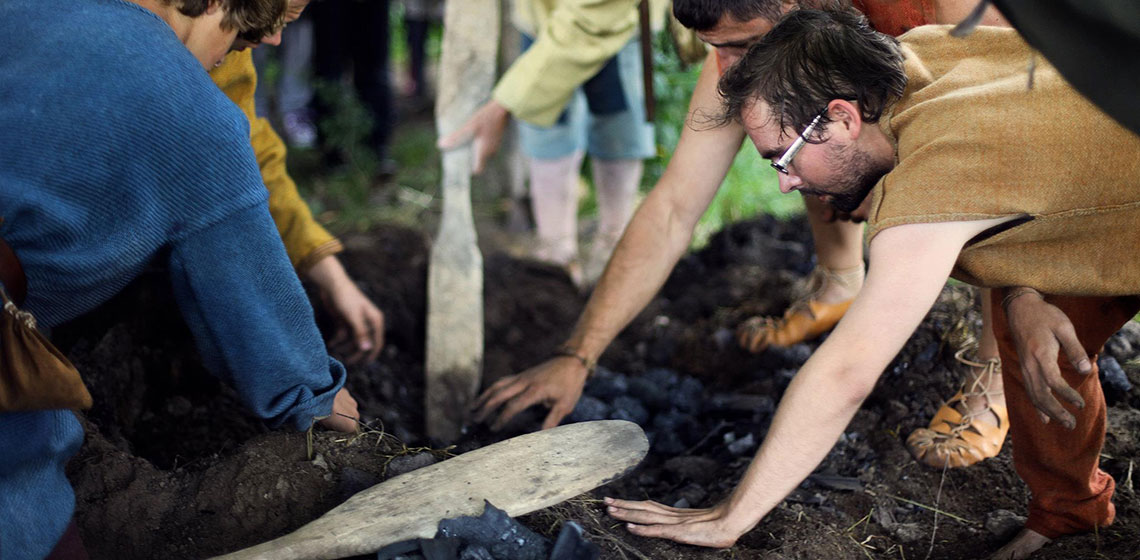
Conference Review: Reaching Visitors Through Dialogue, Play and Experimental Archaeology. OpenArch Congress Archeon
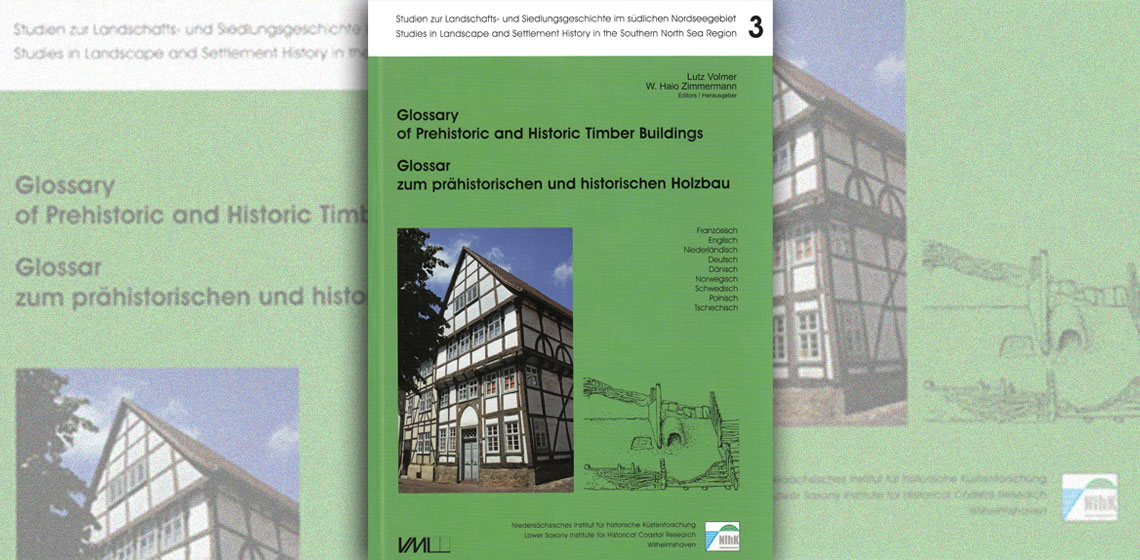
Book Review: Glossary of Prehistoric and Historic Timber Buildings by Lutz Volmer and W. Haio Zimmermann (ed.)
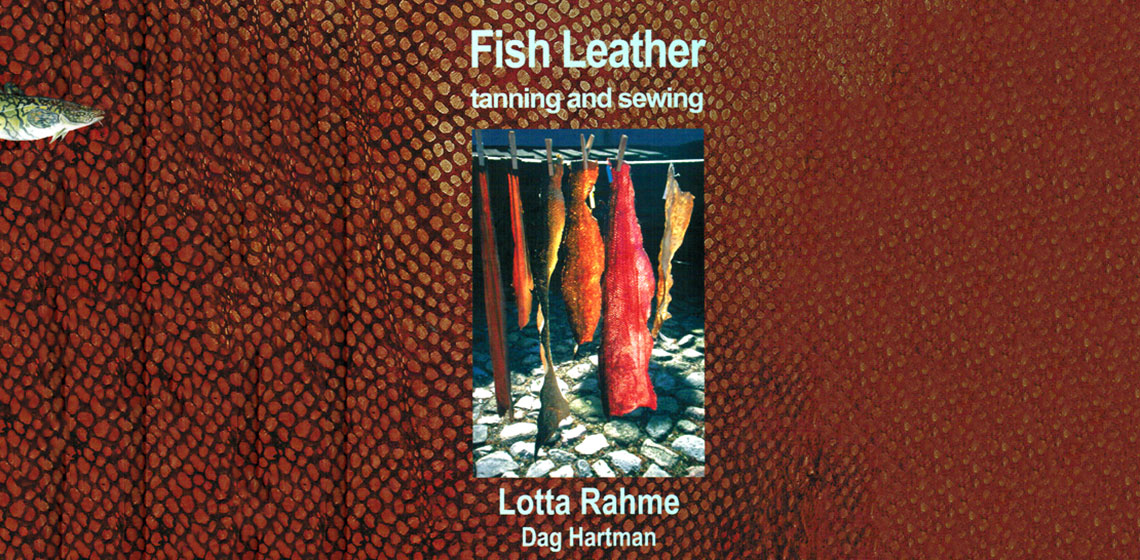
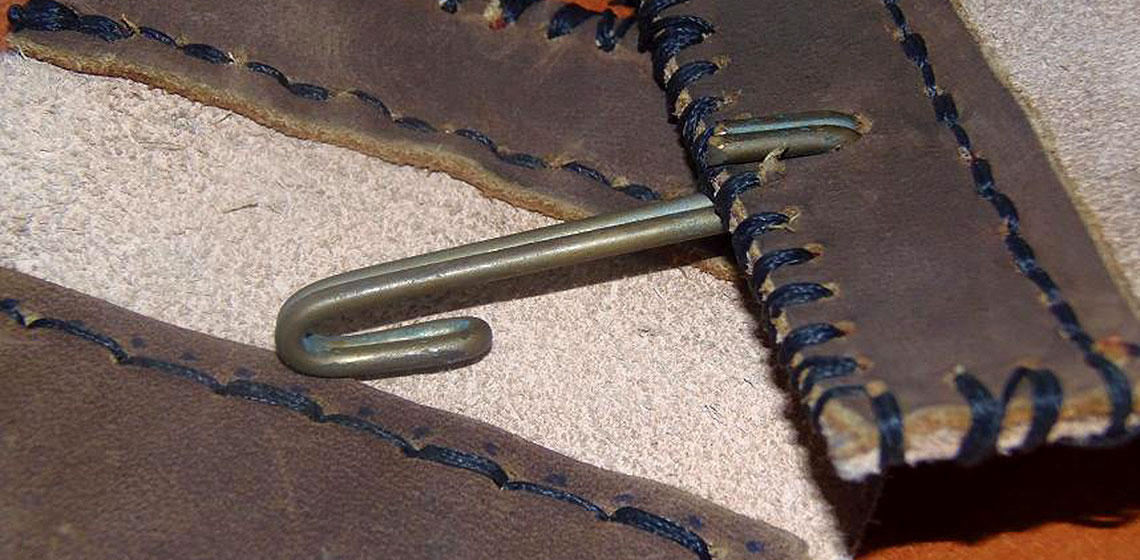
Book Review: Fish Leather Tanning and Sewing by Lotta Rahme and Dag Hartman
Discussion: Food - Reconstruction and the Public
Aspects on Realizing House Reconstructions: a Scandinavian Perspective
1987 ESF Proceedings
The 1980s was the beginning of a boom in the construction of archaeologically inspired buildings inside and outside archaeological open-air museums.
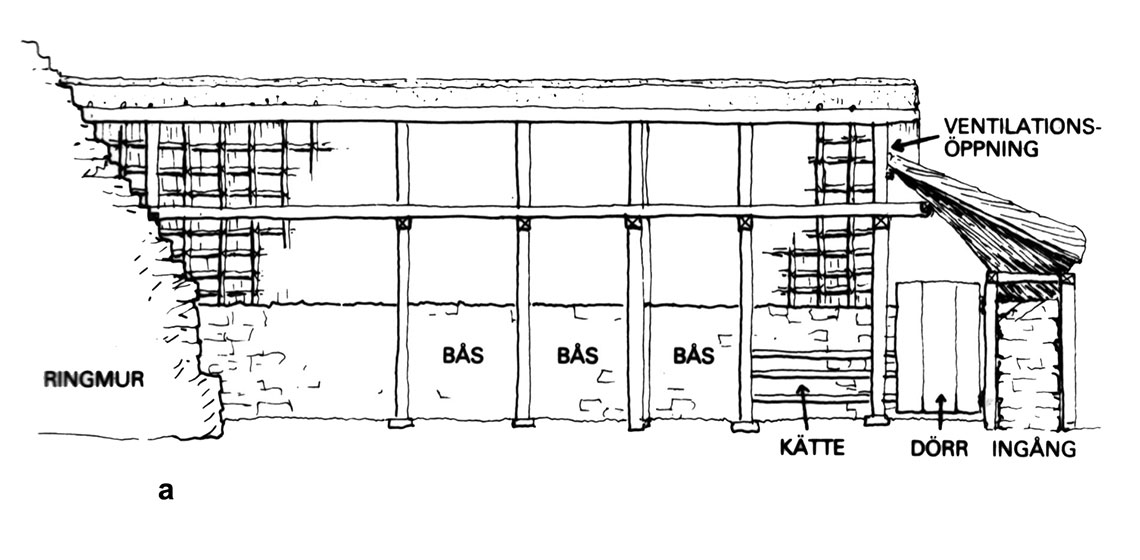
***Experiments are an integrated part of archaeological research, a tool used to analyse and understand archaeological phenomena. It is a method as legitimate and as problematic as so many others. The reconstruction of wooden buildings is a main branch of experimental archaeology.
A Picenian Warrior Who Lived in the Eight Century BC: A Hypothetical Reconstruction
Various populations inhabited this territory from the tenth to the early third century BC, when the Roman army took control of it: the Laziali and Sabini in Lazio, the Etruscans and, from the fifth century, Celts in Toscana and Emilia Romagna, Umbri in Umbria and Picenians in Marche and Abruzzo. At the beginning of the Iron Age, and until the eighth century, we have evidence of other populations as well. The most ancient group being the Sub-Apenninical culture, which were Villanova and Proto-Villanovan populations that seem to have had towns in the Region Marche.