
United Kingdom
The Art of Contrast: Experimental Insights into Partial Tinning on Roman Military Equipment
Publication Date
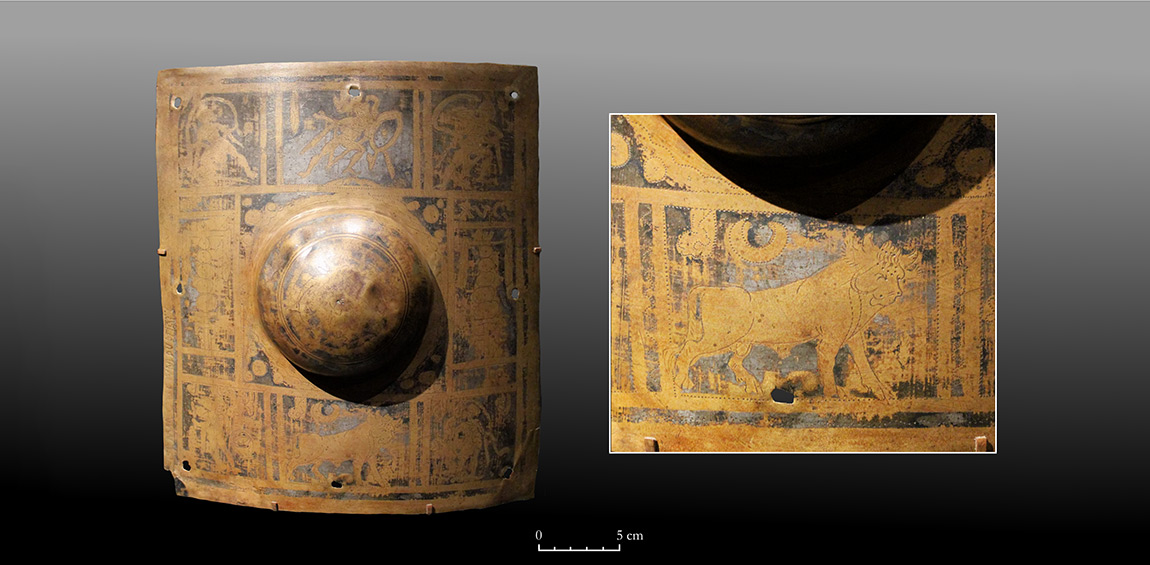
Roman armour was frequently richly decorated, with embossed designs being among the most striking examples. A more subtle technique, sometimes used alongside embossing, was partial tinning on copper alloys: the selective application of a tin layer to create a visual contrast with the base metal. Recent analysis reveals this method was more technically complex than previously assumed. This article presents experimental insights into how partial tinning could have been achieved using Roman-era technology...
Experimental Approaches to Amber Bead Production in Early Medieval (Fifth- And Sixth-Century AD) England
Publication Date
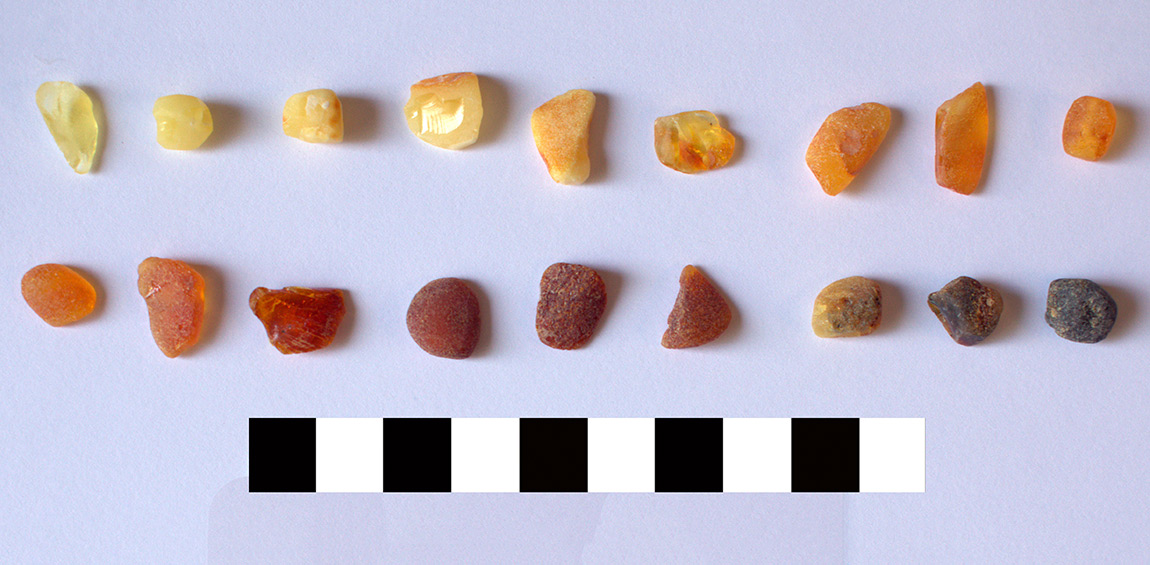
Tens of thousands of amber beads have been recovered from furnished early medieval female burials of the later fifth to early seventh centuries AD in southern and eastern Britain (Brugmann, 2004, fig. 64; Huggett, 1988, pp.64-66). Amber reached its peak in the middle of the sixth century, overtaking even glass beads in popularity (Huggett, 1988, p.64; Brugmann, 2004, p.47; Hirst, 1985, p.75). Despite the wealth of evidence for the finished objects, no archaeological traces of amber-working in southern Britain during the same period have yet been identified, from either excavated settlements or cemeteries....
Rediscovering and Rebuilding the Tranent-Cockenzie Waggonway: archaeology and experimental archaeology of Scotland’s First Railway
Publication Date
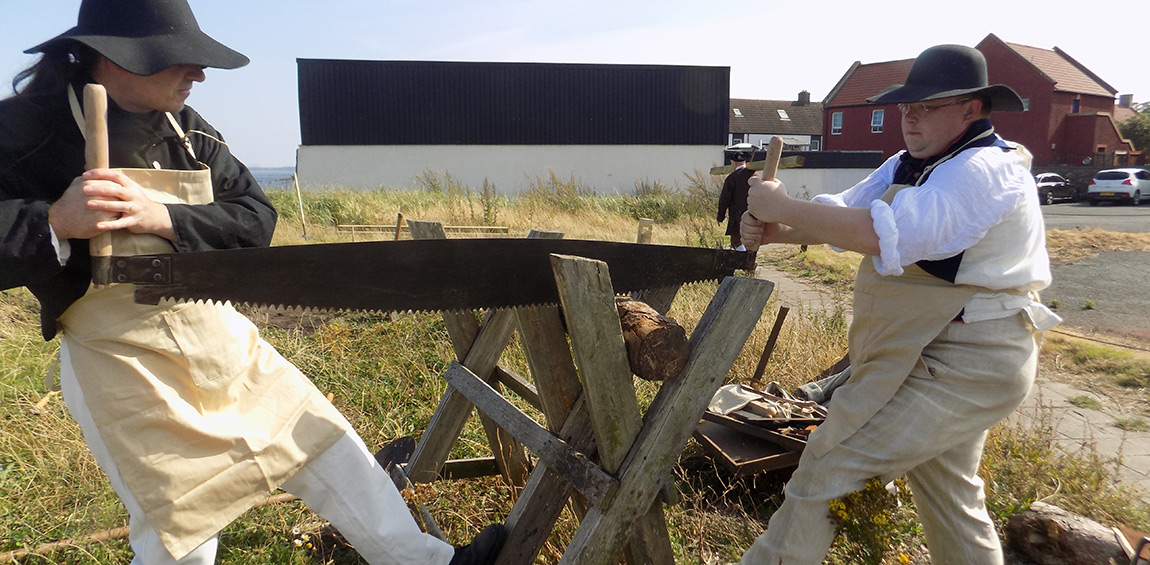
This paper discussed the history, archaeology and experimental reconstruction of the Tranent-Cockenzie Waggonway. First it outlines the known chronology of the railway; secondly is describes the archaeology of the wooden phases of the waggonway (1722-1815) and finally the recent (2024) experimental archaeological project which attempted to reconstruct a 6m long section of the waggonway based on archaeological evidence found in 2019 and 2021...
Weaving Lost Traditions: A Comparative Transdisciplinary Reconstruction of a Welsh Cleft Hazel Basket

Publication Date
This study explored the reconstruction of traditional Welsh cleft hazel basketry through a transdisciplinary methodology that combines descriptive and thematic analysis with ethnographic methods. It aimed to document the reconstruction process in detail and compare the outcomes of a volunteer-led initiative with the practices of traditional makers. The descriptive element of the project recorded the sequence of actions and technical decisions made by volunteers, revealing the challenges and adaptations involved...
Searching for Dubh: Experiments in Black Dyes Pre 15th Century in Ireland and Scotland
Publication Date
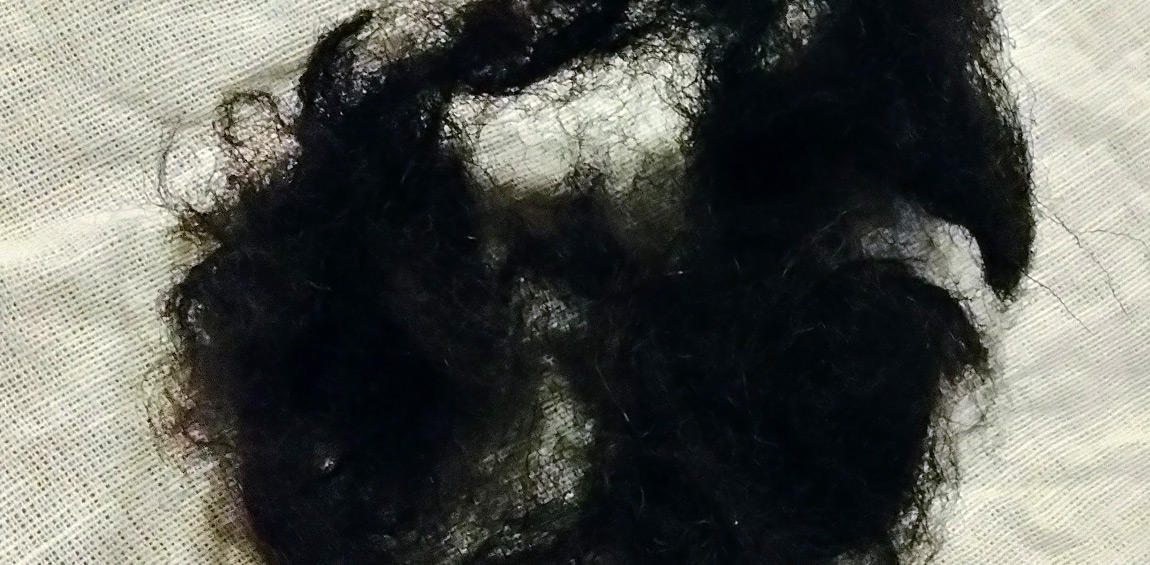
This paper explores sources of black dyes in Ireland and Scotland prior to 1500, in order to better understand the extent to which they were used and the hues that can be produced. I propose that it is possible to obtain true blacks using only natural dyeing techniques. To test this hypothesis, four variations of historically plausible dye methods, and a control, were tested based on the availability of the dyestuffs. Brown Shetland wool was dyed according to possible historical methods, and each variant was subjected to a series of tests to examine lightfastness and wash fastness. Initially, testing showed a low indigotin content, an organic compound which creates a blue pigment, in the sourced woad, resulting in a poor dye bath and skewed results.
Does the Addition of Manganese Dioxide Aid in The Production of An Ember when Using Strike-A-Light Technology With Horse Hoof Fungus? A Potential Neanderthal Technology
Publication Date
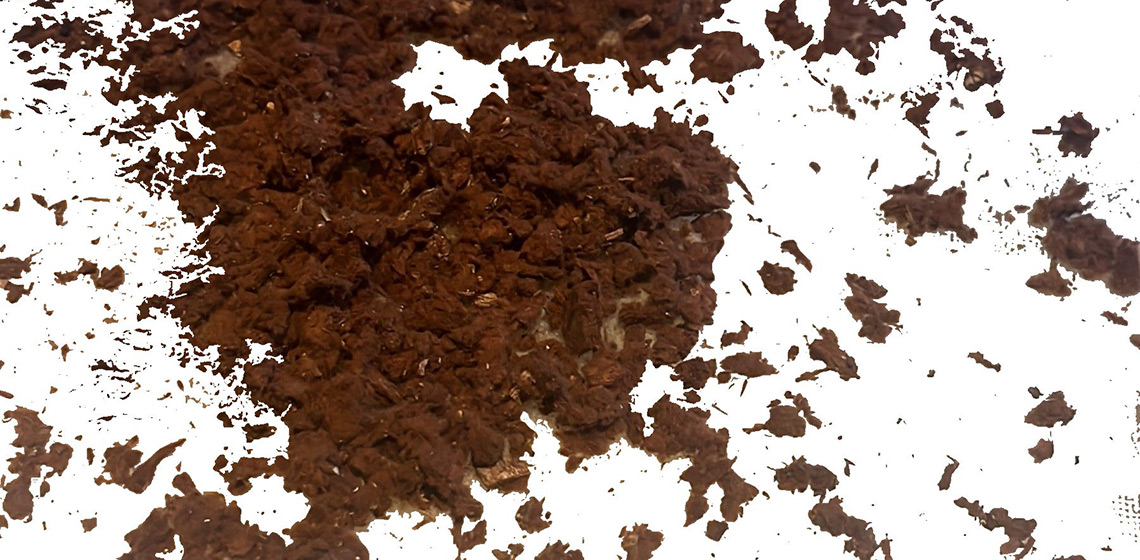
Recent archaeological and experimental work suggests that Neanderthals may have been purposefully gathering manganese dioxide to aid in their fire lighting. Given the evidence for complex Neanderthal pyro-technology, this appears to be a plausible hypothesis. In this paper, we add to the experimental testing of this hypothesis by ...
All Aboard! A re-enactment approach to Victorian Railway Guard’s Clothing
Publication Date
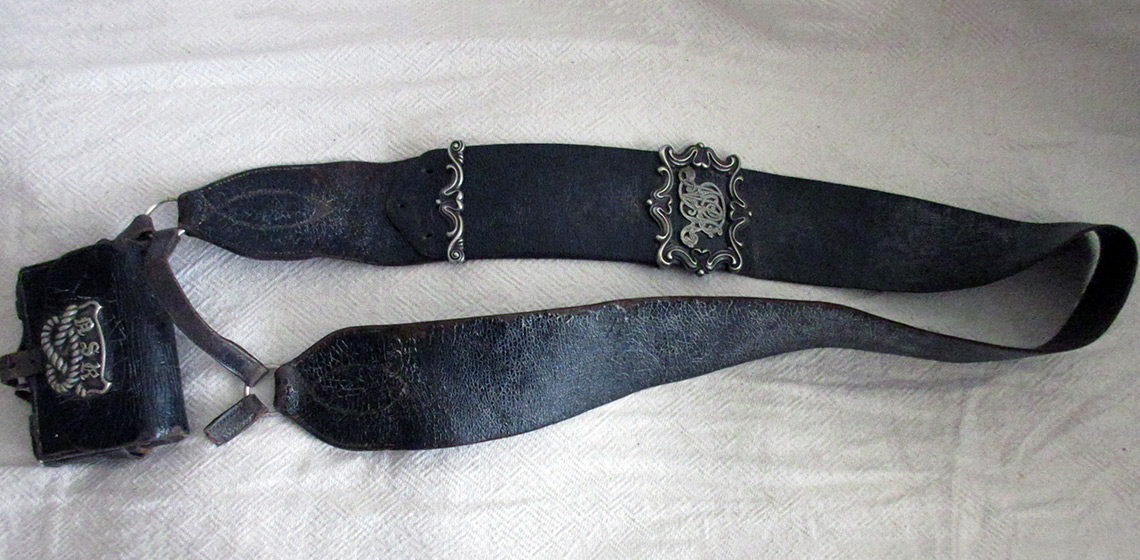
This paper examines the form, function and practicality of the clothing worn by late nineteenth century railway guards in Britain. It does so by taking a re-enactment approach, involving the commissioning, wearing, and reporting of replica garments in an appropriate workplace. It demonstrates that whilst such uniforms were smart and created an impression of authority in the wearer and potential viewer...
Conference Review: EXARC at the EAA, Belfast, September 2023
Publication Date
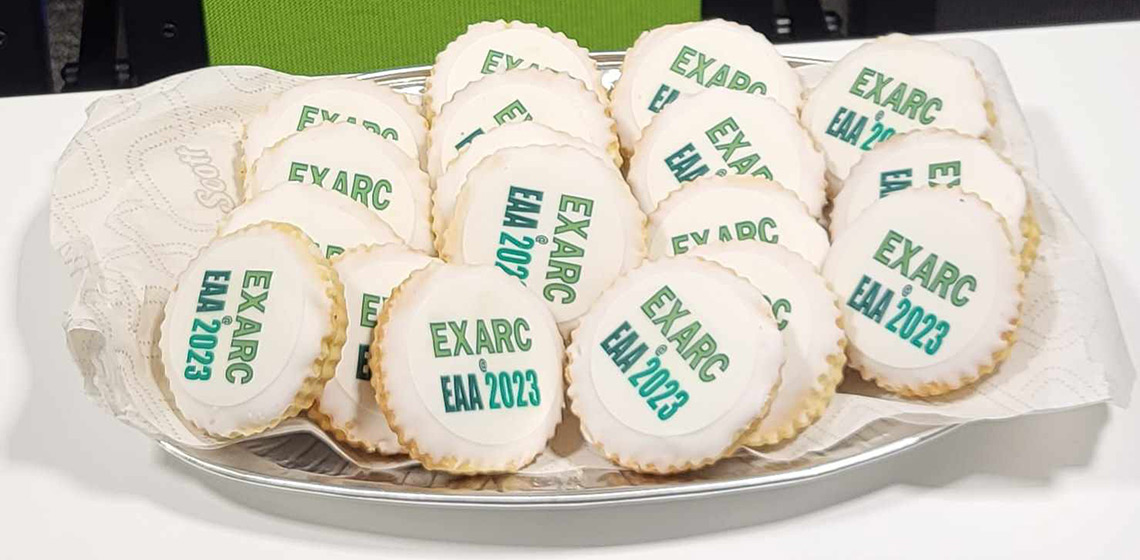
The purpose of the session, co-chaired by Brendan O’Neill and Rena Maguire (UCD) and Giovanna Fregni, was to bring together researchers working in different fields who engage in experimental archaeology as part of their work. Its aim was to fuse experimental and experiential archaeology with reconstructing past narratives. The session was well-attended, and not only because of the bespoke EXARC biscuits! The papers were divided into the categories of organic materials, pyrotechnic processes, and educational and cultural significance.
Nesshenge: an Experimental Neolithic Henge with 15 Years of Exposure
Publication Date
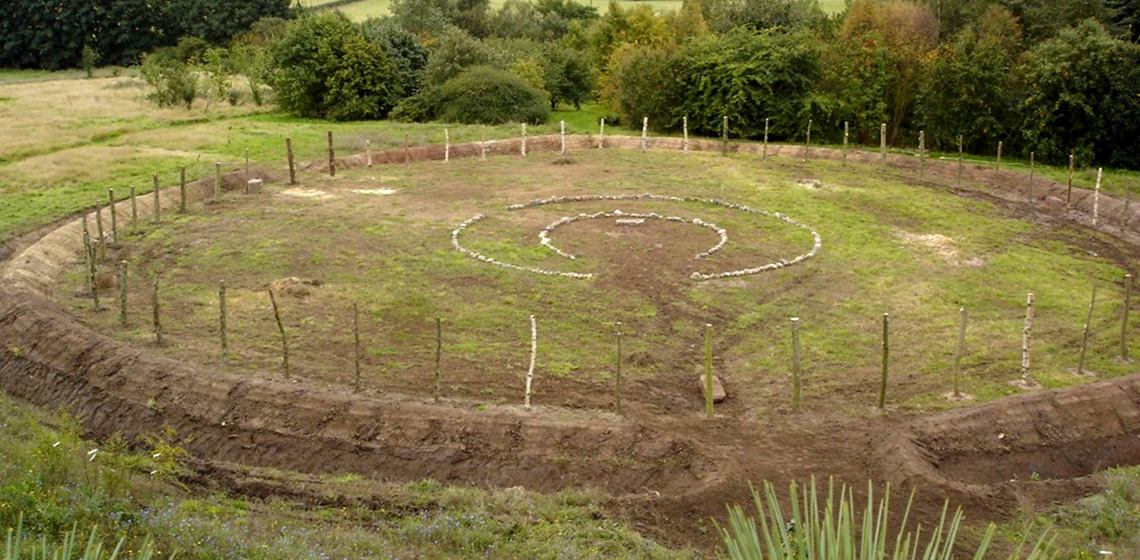
Our understanding of the planning processes involved before any Neolithic structure was physically built, from the moment when it was conceived in a person’s mind up to the point of its construction requires further investigation for which experimental archaeology can provide some direction...
Cross-Contamination via Stone Tool Use: A Pilot Study of Bifacial Butchery Tools
Publication Date
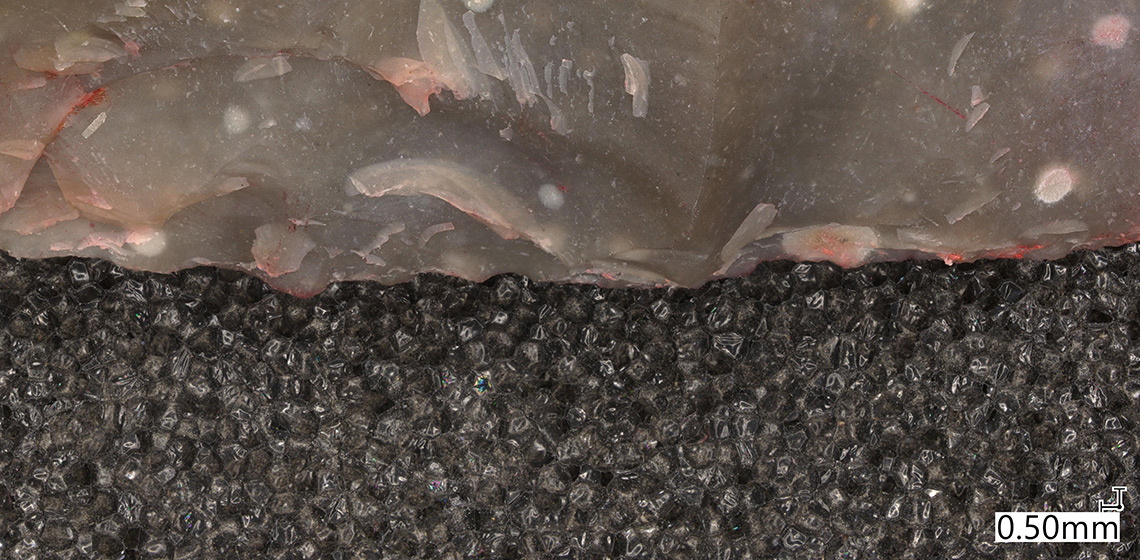
The pathogenic environment has been a constant shaping presence in human evolution. Despite its importance, this factor has been given little consideration and research. Here, we use experimental archaeology and microscopic analysis to present and support a novel hypothesis on the pathogenic properties of bifacial butchery tools...