
United Kingdom
Hard Fun: Further Discussions on an Undergraduate Project to (Re)Construct and Fire a Medieval Tile Kiln
Publication Date
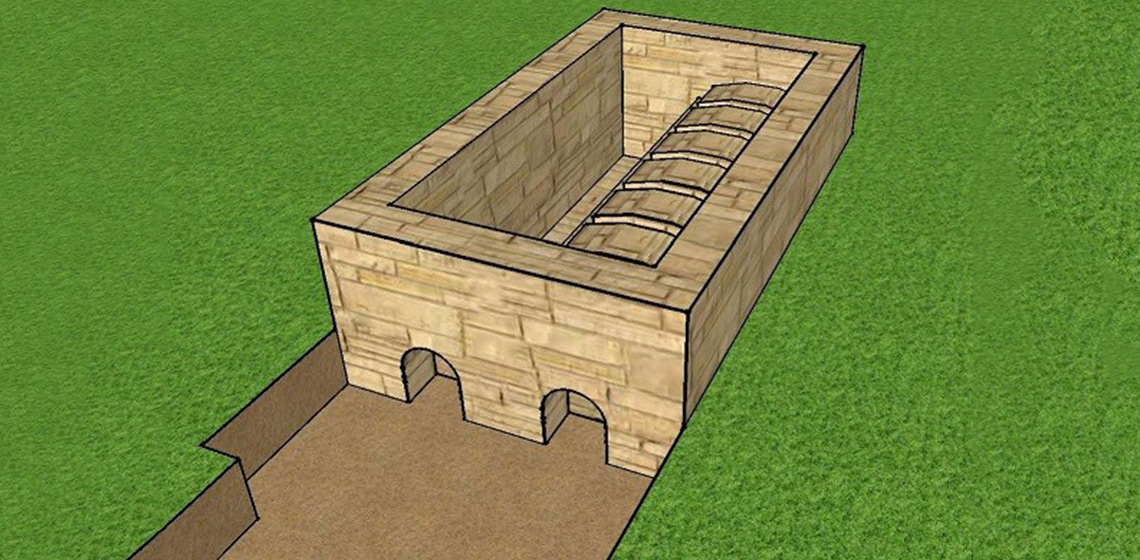
This experiment, undertaken over a 12-month period in 2015 at Norton Priory Museum in Cheshire, formed part of a pedagogic case study and an experimental archaeology project. Here eight Archaeology and 12 Ceramics students from the University of Central Lancashire (UCLAN) researched, built, and fired a tile kiln using evidence from previous experimental archaeology projects on the site and other firing projects...
Anglo-Saxon Beads: Redefining The “Traffic Lights”
Publication Date
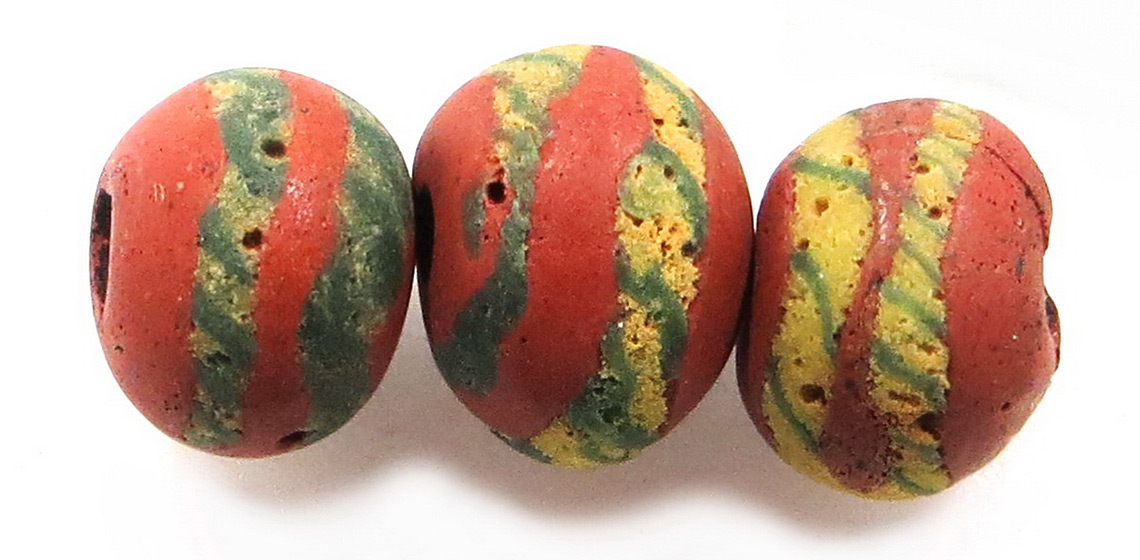
Many thousands of glass beads have been excavated from Early British cemeteries of the fifth and sixth centuries AD. Amongst these beads is a type that was particularly common: decorated polychrome beads in red, yellow, and green glass in a variety of styles and combinations. Birte Brugmann, in her 2004 analysis of Saxon-period glass beads (Brugmann, 2004), named these beads “Traffic Light” (TL) beads...
Event Review: Metallurgy Short Course at SHARP, 2022
Publication Date
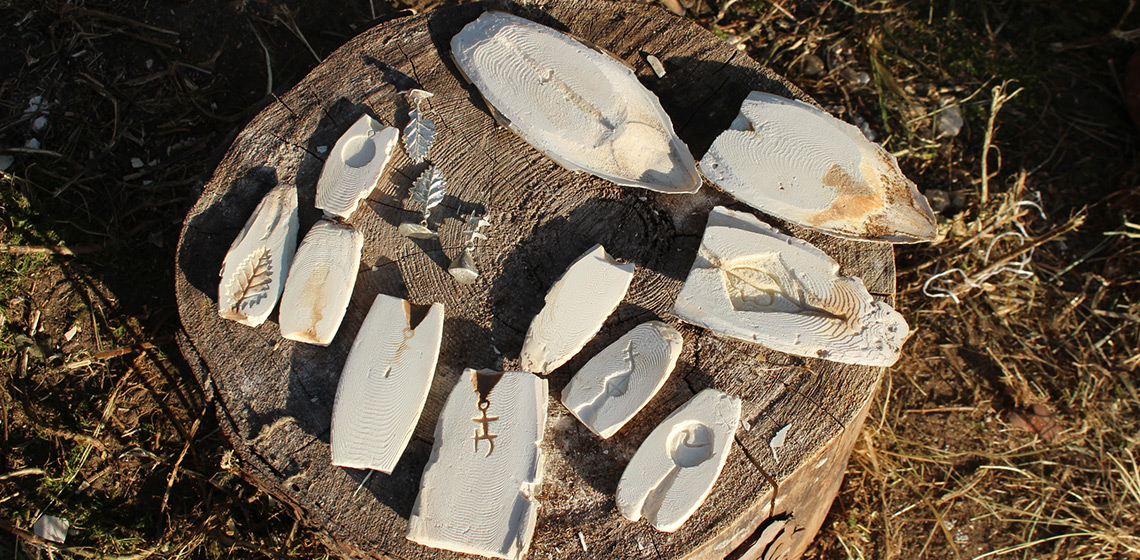
This year The Sedgeford Historical and Archaeological Research Project (SHARP) resumed its Introduction to Metallurgy course with a day-long class followed by metal casting demonstrations during its annual Open Day. It took place on July 16-17, 2022...
Conference Review: The Historical Metallurgy Society’s Second Accidental and Experimental Conference, June 2022
Publication Date
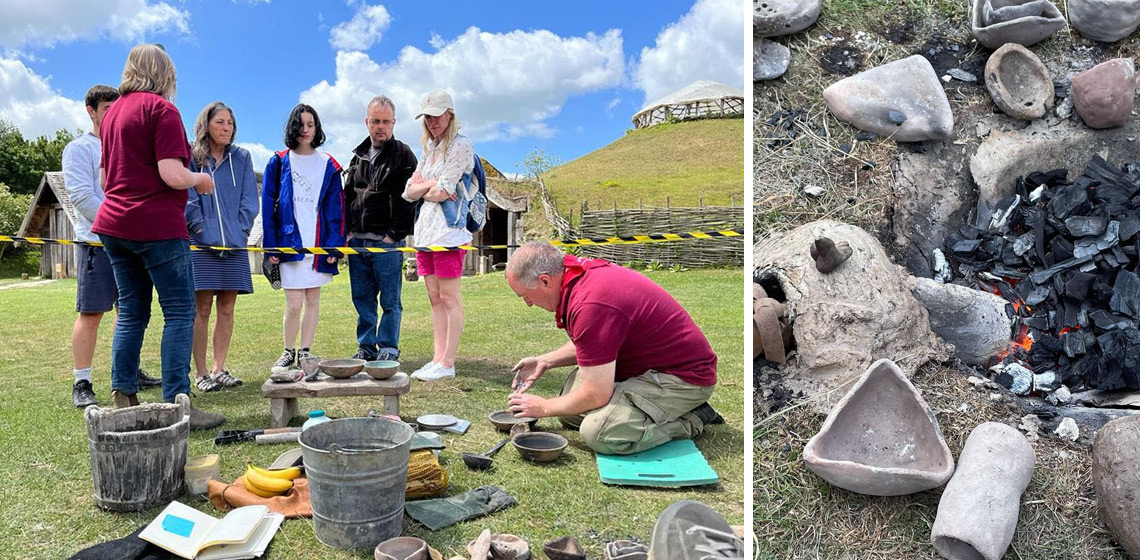
The Second Accidental and Experimental Conference was held on 10-12 June 2022 after multiple delays due to the pandemic. This year it was held at the Ancient Technology Centre in Cranbourne, East Dorset, England. The event was organised by Vanessa Castagnino on behalf of the Historical Metallurgy Society (https://historicalmetallurgy.org/).
The Little Bowl That Could! Experimental Iron Smelting in a Bowl Furnace
Publication Date
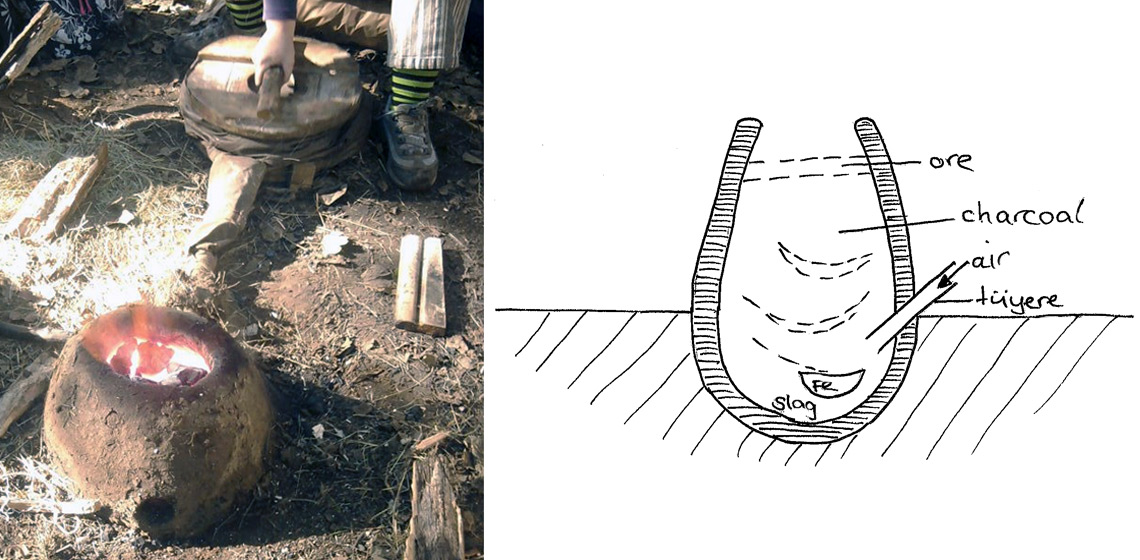
The bowl furnace has been a somewhat neglected topic in the early history of iron making, often overshadowed in experimental work by the shaft furnace. This assessment attempts to re-evaluate the position of the bowl furnace in early iron-making - firstly by looking at how it is regarded in scholarly literature, and secondly, through an experimental reconstruction programme...
A Proposed New Appearance of the Iron Stand from Sutton Hoo, Based on Existing Material
Publication Date
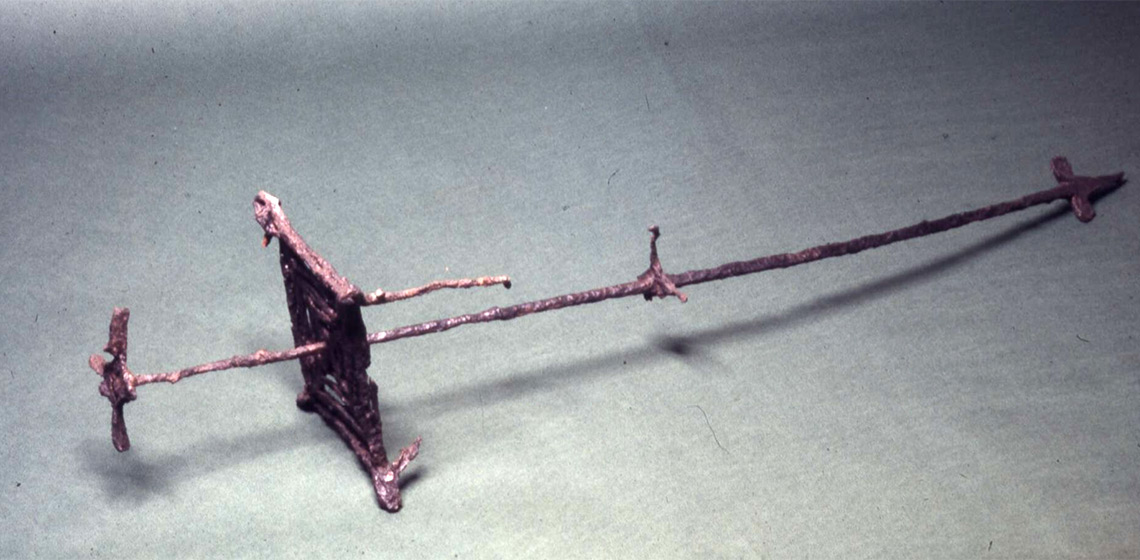
The Iron Stand from Sutton Hoo, Mound 1 was excavated in 1939. While a first tentative interpretation of its original appearance was made in 1952, this was updated in 1972 following a science-led investigation of the artefact. However, some features of the object were not included in the later representation...
Before They Dyed. Mordants and Assists in the Textile Dyeing Process in Anglo-Saxon and Anglo-Scandinavian Britain: An Experimental Approach
Publication Date
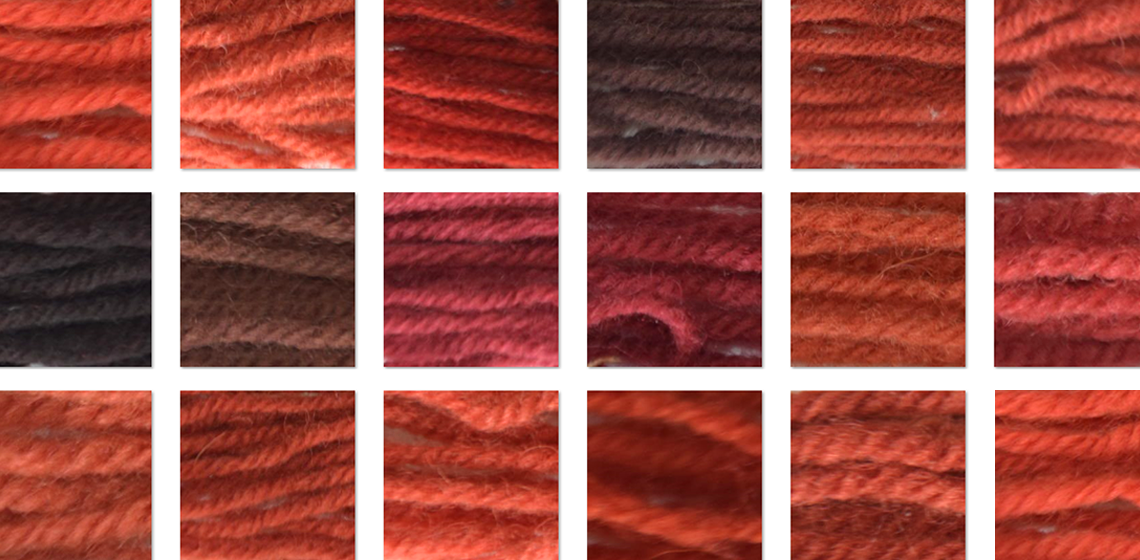
The experiment aimed to investigate certain aspects of the textile dyeing process in Anglo-Scandinavian and Anglo-Saxon Britain: substances known as mordants and assists. This aspect of the dyeing process is often omitted by researchers, who mostly focus on dyestuff as a source of colour. Mordants and assists deserve wider research, however, as they play a great part in the dyeing process...
Early Medieval Bone Pipes: Understanding the Sounds of These Instruments through Reconstruction
Publication Date
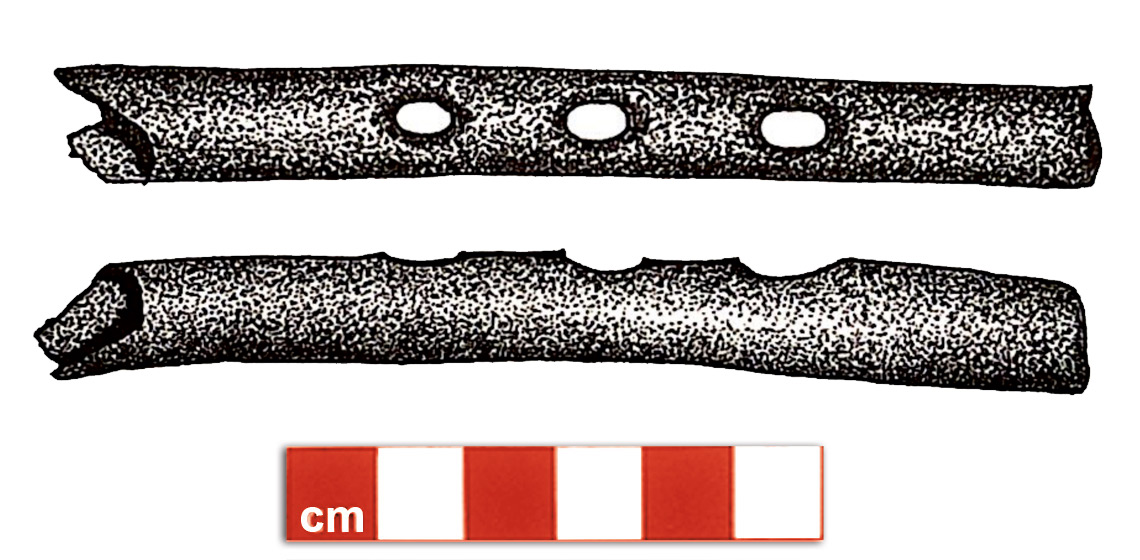
Bone pipes are the most numerous instrument surviving from Early Medieval England. These instruments are usually classified as ‘flutes’ despite many of the examples missing the defining categorisations. Two examples from the archaeological record of early Medieval England will be used as case studies: one instrument from North-West Essex and the other from York...
The Weald & Downland Living Museum’s Saxon Hall
Publication Date
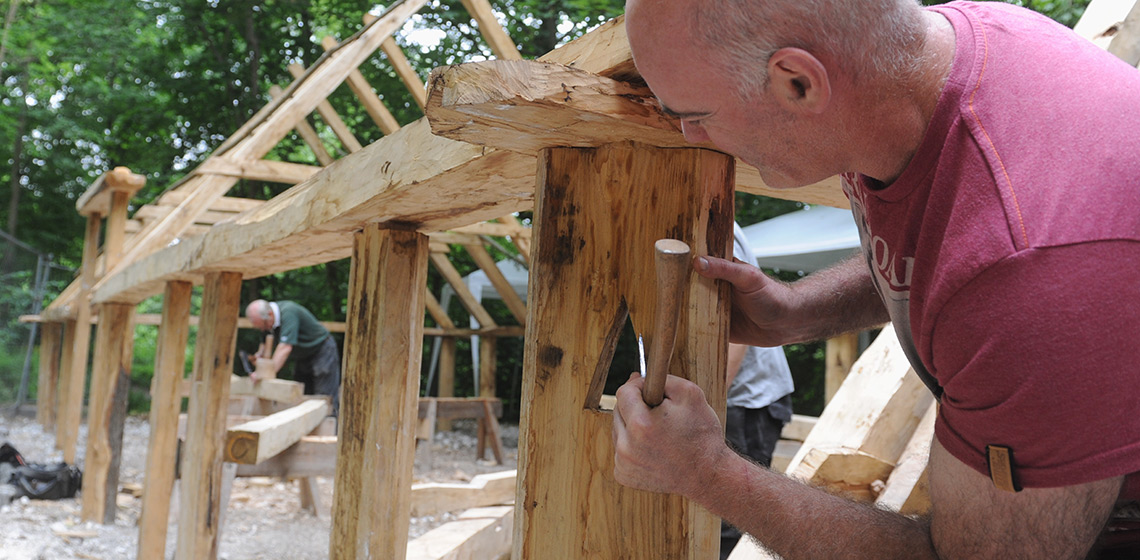
In the early days of the Weald & Downland Open Air Museum, from September 1970, there was a Saxon building on the site, which was one of only two archaeological reconstructions at the museum. This original sunken-floor Saxon building is no longer standing but, after several years in the planning, a new project saw the construction in 2015 of another Saxon building, the Saxon Hall from Steyning...
A Discussion on the Position of Weaving in the Society of Prehistoric Britain
Publication Date
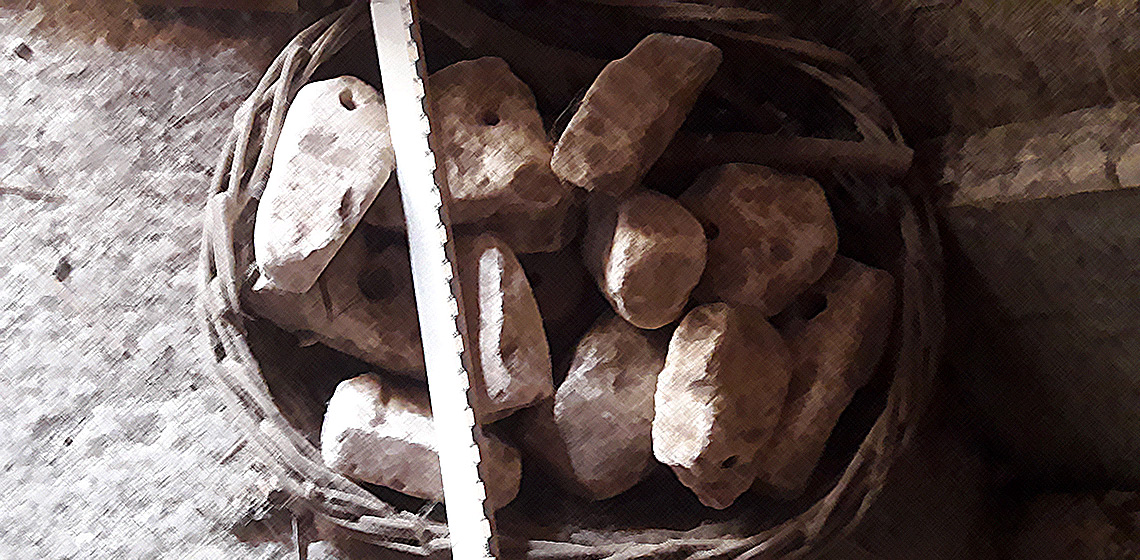
There have been several recent experiments on using warp-weighted looms in Demark, Italy and Greece, some in Roman houses (Andersson Strand, 2015; Dimova, 2016). The experiments, in particular those in Denmark and Netherlands, took place in the typical rectangular longhouses used in their respective prehistories, unlike 'Britain's predominant roundhouses...