
United Kingdom
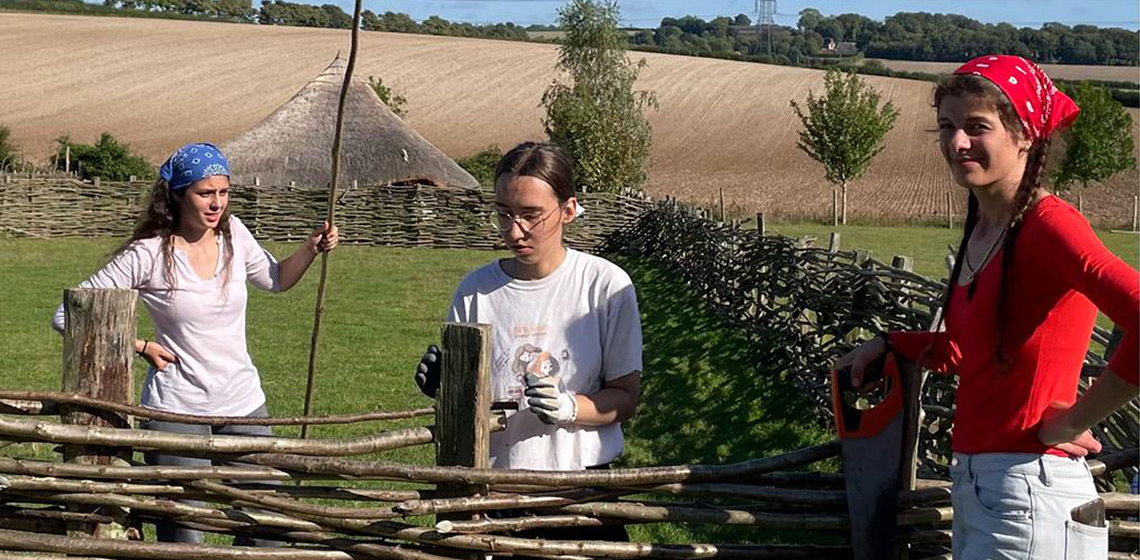
Crossing Borders and Eras: the adventures and experiences of three Romanian Archaeology Students in two European Archaeological Open-Air Museums: preHistorisch Dorp (NL) and Butser Ancient Farm (UK)
Publication Date
In this article, we share our enriching experiences during internships at two prominent Archaeological Open-Air Museums in Europe: preHistorisch Dorp in the Netherlands and Butser Ancient Farm in the UK. Motivated by our passion for experimental archaeology, we embarked on this journey to contribute to the development of this field in Romania.
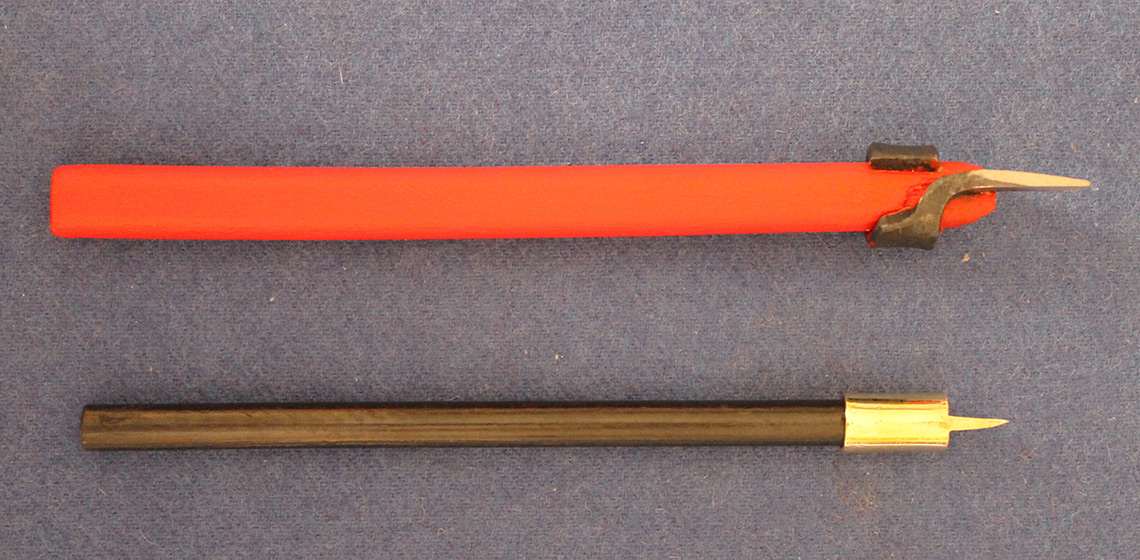
The Making of Roman Metal Ink Pen Nibs
Publication Date
Roman ink pen nibs have been made from different materials such as bone, horn, reed, iron, and copper alloys. This article deals with experiments to reproduce Roman ink pen nibs made from copper alloy and iron.
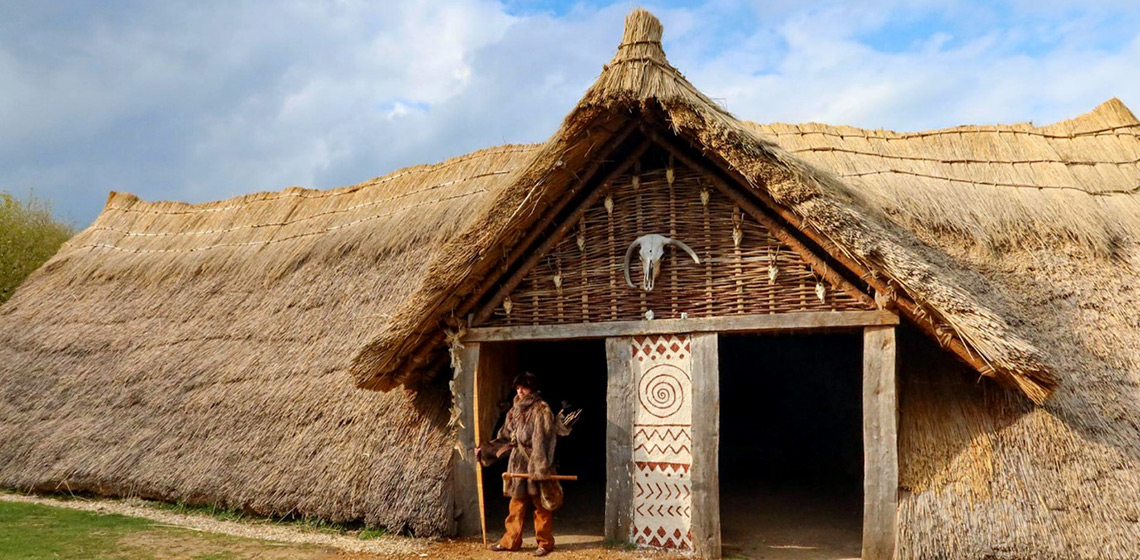
The Butser Ancient Farm Horton Neolithic Building – Its Construction and Significance to the Interpretation of Buildings of Early Neolithic Britain and Ireland
Publication Date
In 2019 a substantial building, based on archaeological evidence of early British Neolithic dwelllings, was constructed by site staff, volunteers, and staff of Wessex Archaeology at the Experimental Archaeology site, Butser Ancient Farm in Hampshire, England. The archaeological feature on which our building was based was excavated in 2012 by Wessex Archaeology as part of a pre-extraction programme...
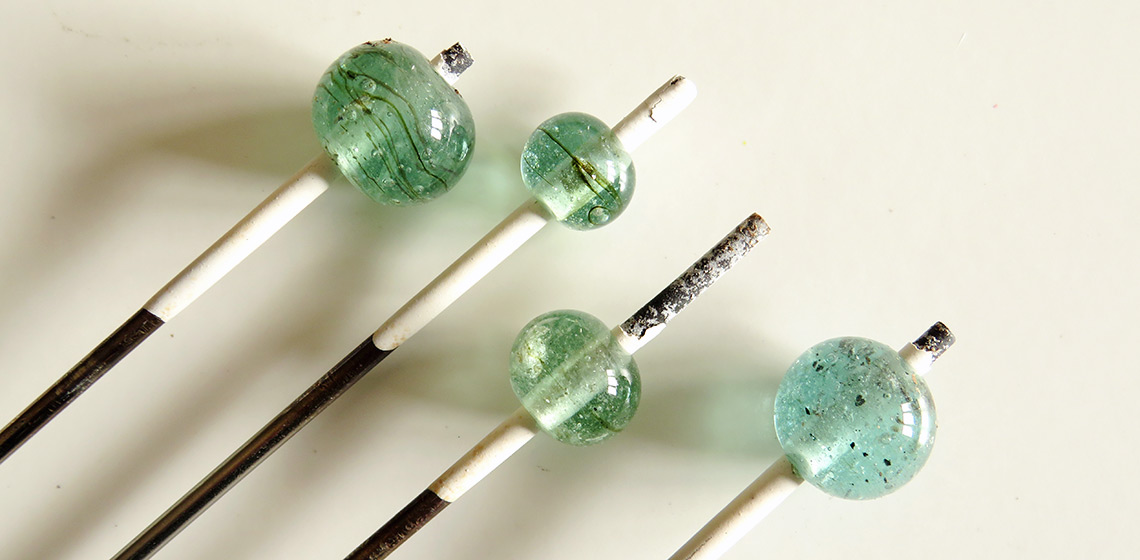
Testing Roman Glass in the Flame
Publication Date
Glass made during the Romano British period was recycled throughout the Late Roman and Early Medieval periods. Studies have shown that British beadmakers of the fifth and early sixth centuries AD made a large proportion of their beads using Roman period glass (Peake, 2013). To study fully the techniques of glass workers in early Anglo-Saxon times, it is important to...
Glass Lamps, a Few Points
Publication Date
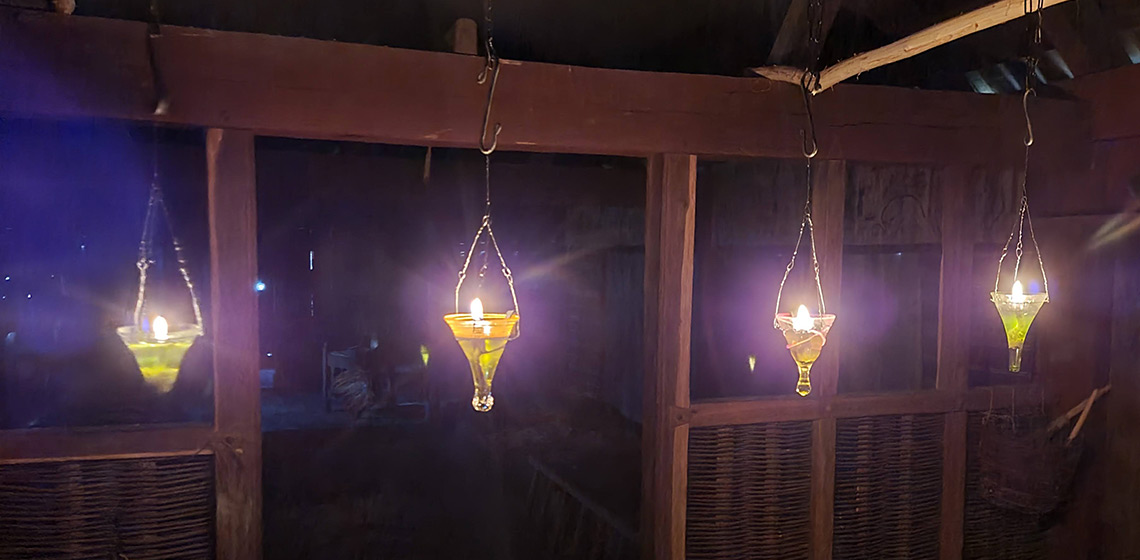
Funnel-shaped glasses have been found in several places, for example in Birka (graves 577, 526, 551, 850, 854, 464, 849 and 433), Sweden and in the Netherlands (De Heul, Utrecht collection PUG). They are often used by reenactors as drinking cups, but could that be their only possible function?
Book Review: Fragments of the Bronze Age by Matthew G. Knight
Publication Date
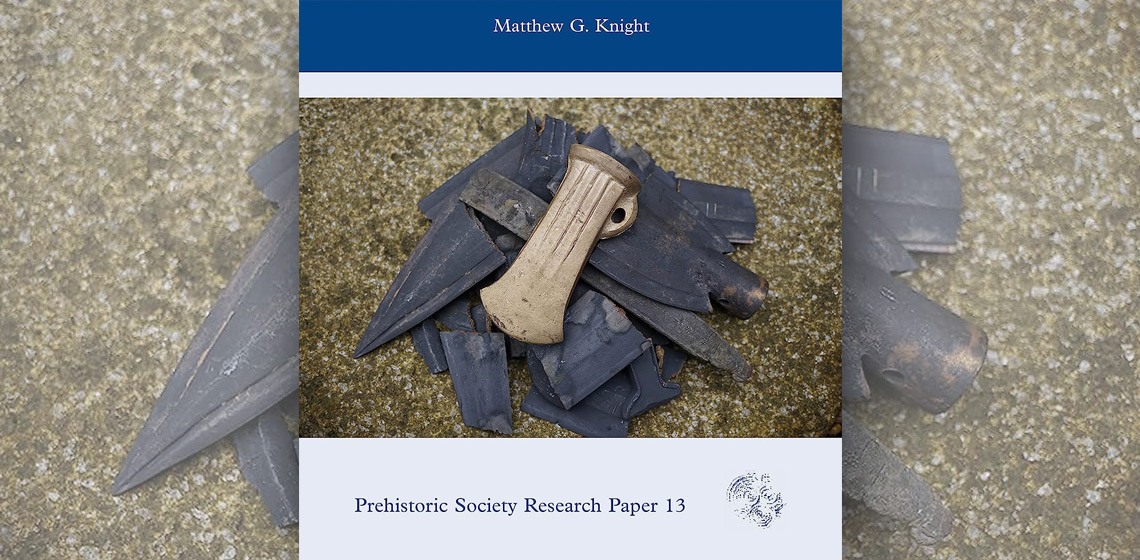
In this book, Matthew Knight examines fragmentation of metal objects from hoards dating to the Bronze Age of South-West Britain, and uses experimental archaeology to better assess fragmentation and destruction. Fragmentation is the deliberate destruction of metal objects. Other forms of destruction can include bending, folding, or crushing objects so that they are no longer useable.
The Scottish Crannog Centre: Sustainable Thinking through Time and Place
Publication Date
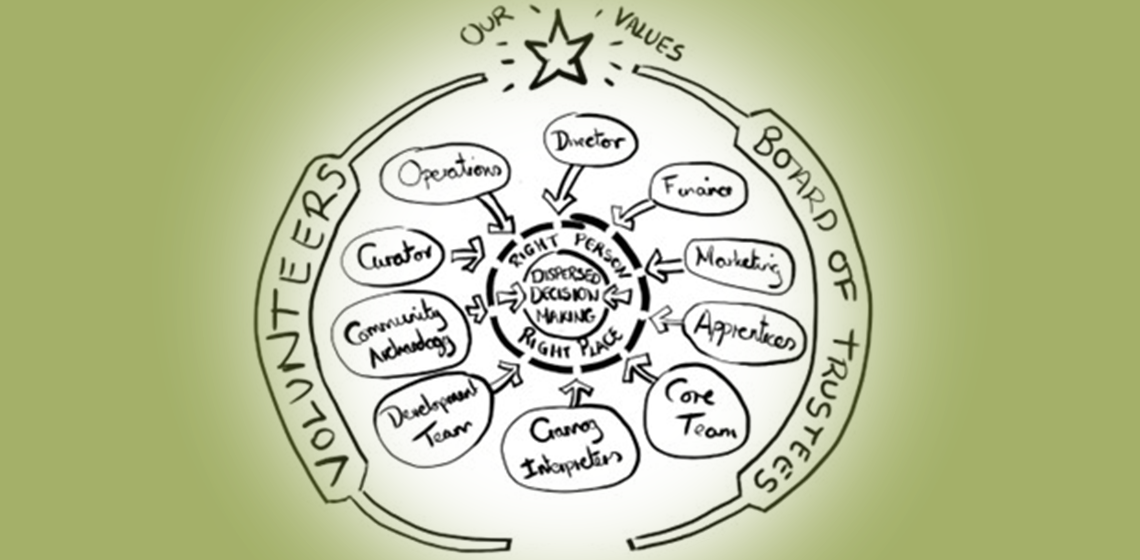
The Scottish Crannog Centre is currently in the process of moving to a new larger site, just across the waters of Loch Tay to the northern shores. On our journey to our new home of Dalerb we took the decision to embrace sustainability in all its forms and consider how we can highlight certain sustainable practices that can be seen in the archaeological record...
Pottery at the Scottish Crannog Centre
Publication Date
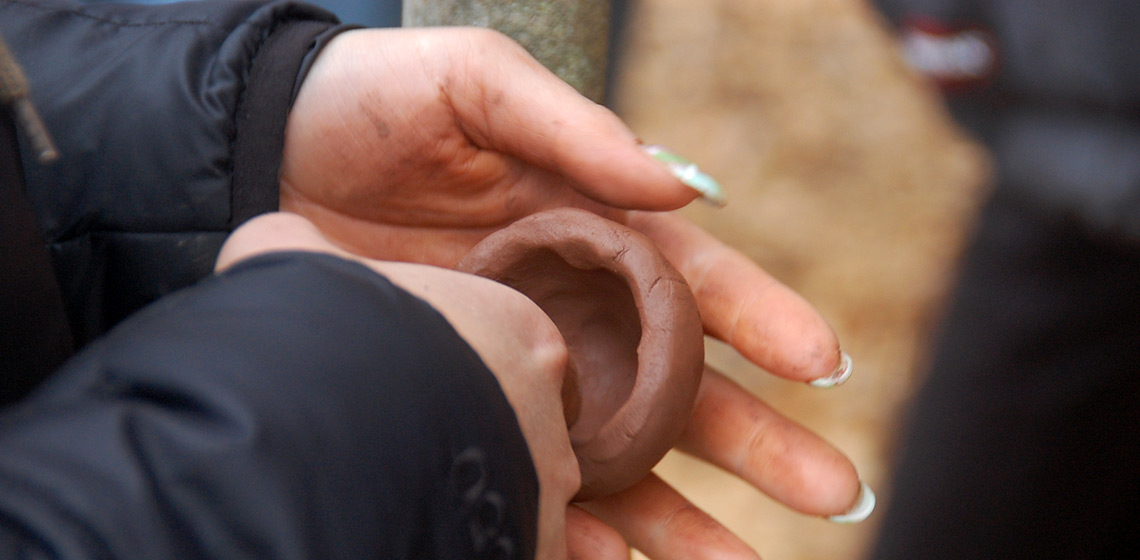
The Scottish Crannog Centre, an open-air museum on Loch Tay in Highland Perthshire, has been able to do some really meaningful, powerful work over the past 12 months focusing on the power of prehistoric pottery! Supported by the Esmee Fairbairn Collections Fund and the Headley Trustand Art Fund, the project has led to new relationships, a new strategic partner for the organisation and ...
Exploring the Potential of Shared Authority Projects in Open-Air Museums
Publication Date
#EAC12 World Tour 2021
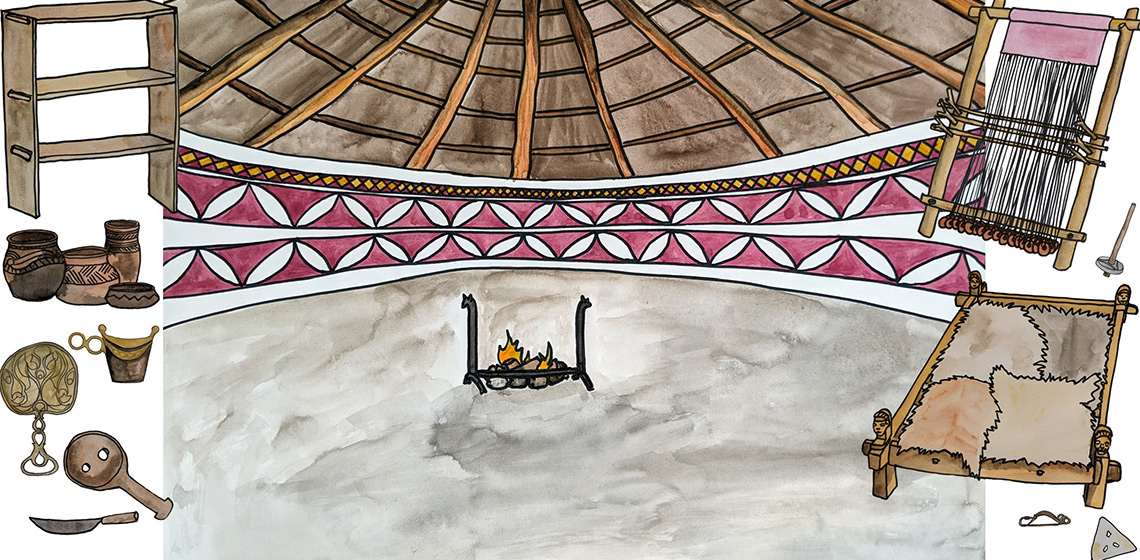
***As our societies become more diverse and the demographics of heritage visitors change, many open-air museums are concerned about how to remain relevant. Making a shift to an activist approach is one way museums can evolve to better serve their visitors and community. Many traditional museums have adopted this approach, but relatively few open-air museums have done so...
***As our societies become more diverse and the demographics of heritage visitors change, many open-air museums are concerned about how to remain relevant. Making a shift to an activist approach is one way museums can evolve to better serve their visitors and community. Many traditional museums have adopted this approach, but relatively few open-air museums have done so...
Peat Burns: The Methods and Implications of Peat Charcoaling
Publication Date
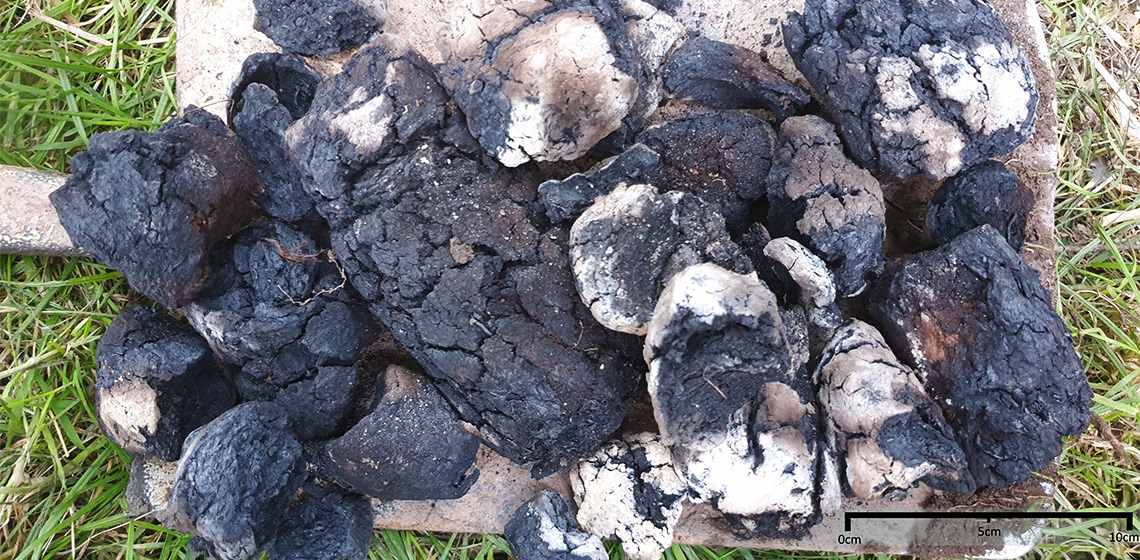
The Northern Isles of Scotland offer a fascinating case study for understanding past economies and resource management due to the comparative lack of trees found elsewhere in the British Isles. Archaeological evidence proves that this environment did not prevent the development of industrial pursuits in this region during the Iron Age and local accounts dating to ...