
United Kingdom
History Matters at Ty Mawr Medieval Hall
Publication Date
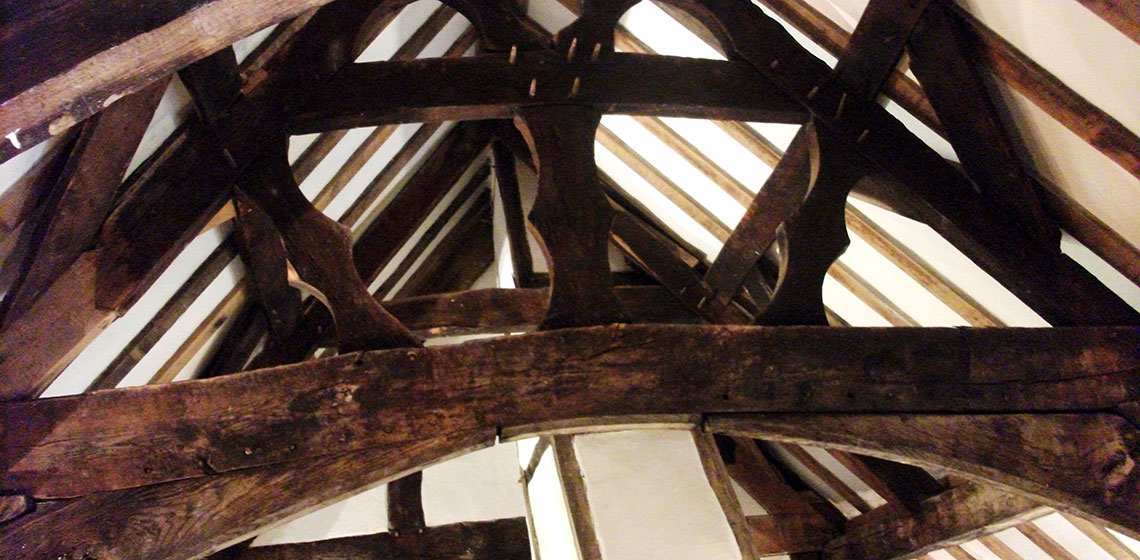
Nestled in the hills of Montgomeryshire lies a gem of medieval history, the enigmatic Ty Mawr hall (Ball 2009a) rediscovered in the late 20th century, yet over 500 years old. Hidden within a tumbled down brick cow house this remarkable medieval house was the largest aisled hall ever recorded in Wales...
The Mummification of Votive Birds: Past and Present
Publication Date
7th UK EA Conference Cardiff 2013
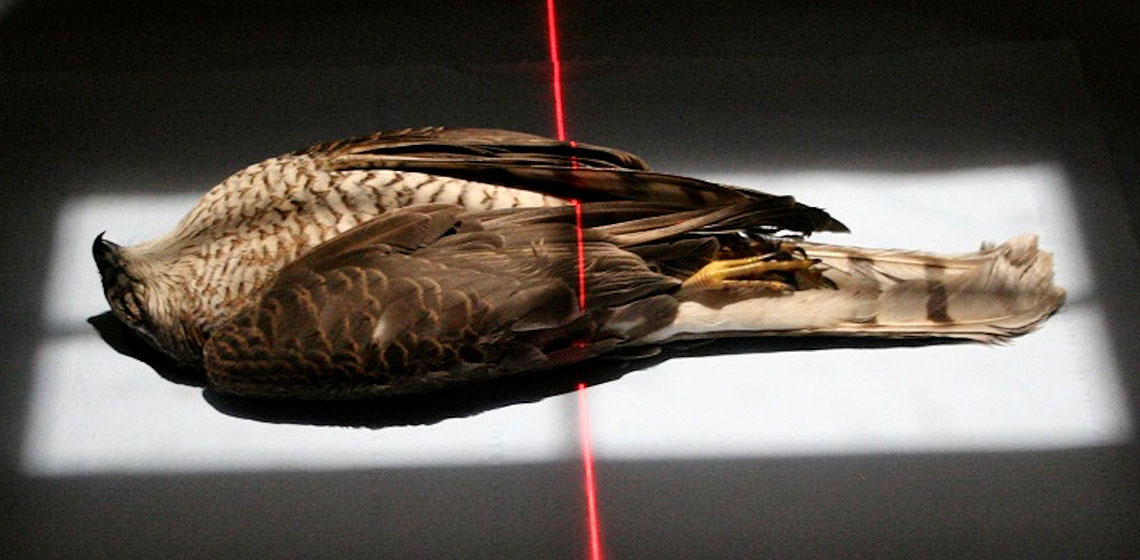
***A mummy is defined as a ‘well-preserved dead body’ (Cockburn, Cockburn & Reyman 1998, 1), achieved by either natural or anthropogenic methods and refers to both human and animal subjects. Mummies achieved through both these methods are found in ancient Egypt as a result of preservation through desiccation, achieved by direct contact between the corpse and a dry, sandy matrix (natural); or through the use of natron (anthropogenic), coupled with evisceration (the removal of the internal organs) and anointment with resinous compounds, followed by wrapping the corpse in layers of linen (Ikram and Dodson 1998; Taylor 2001).
***A mummy is defined as a ‘well-preserved dead body’ (Cockburn, Cockburn & Reyman 1998, 1), achieved by either natural or anthropogenic methods and refers to both human and animal subjects. Mummies achieved through both these methods are found in ancient Egypt as a result of preservation through desiccation, achieved by direct contact between the corpse and a dry, sandy matrix (natural); or through the use of natron (anthropogenic), coupled with evisceration (the removal of the internal organs) and anointment with resinous compounds, followed by wrapping the corpse in layers of linen (Ikram and Dodson 1998; Taylor 2001).
“You could See it [the Past] in your Mind”: What Impact might Living History Performance Have on the Historical Consciousness of Young People?
Publication Date
Combining theoretical perspectives with two case studies carried out in 2008 with British students aged from 10-17 years old, this paper will explore how living history might contribute to the development of young people’s historical consciousness and help them to cope with the social and cultural differences which confront them when learning about the past. In particular, it will focus on the effectiveness of first- and third-person interpretation.
Conference Review: A Trip to the Birthplace of Experimental Archaeology
Publication Date
Summer is already coming to an end, but in experimental archaeology, season is not important. Following the conclusion of a field course in experimental archaeology held in the University of Latvia, it is hoped that a short report and perhaps a more detailed article will be produced in the future...
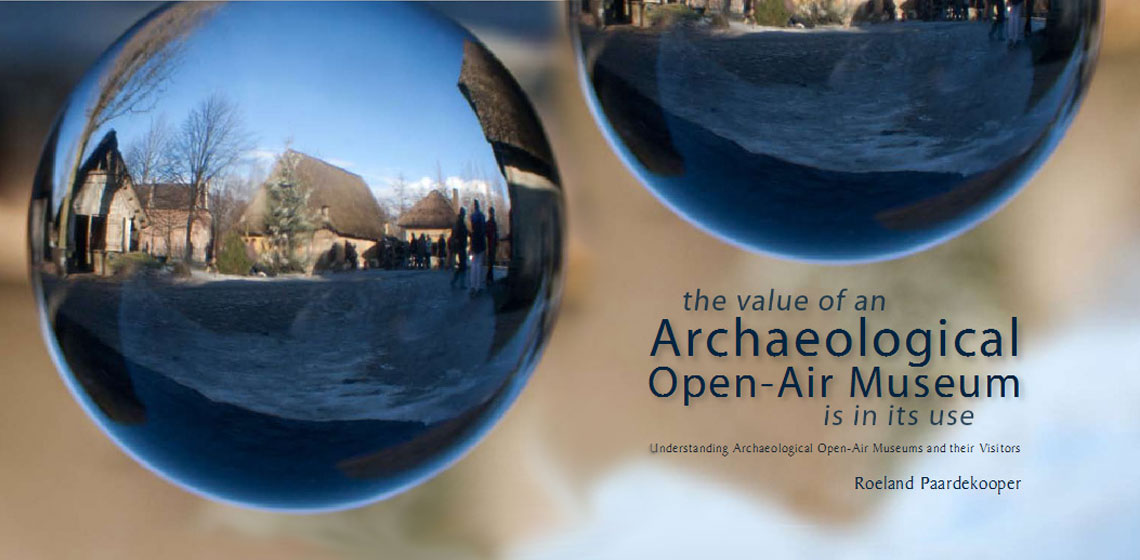
Book Review: The Value of an Archaeological Open-Air Museum is in its Use by Roeland Paardekooper
Publication Date
With publication of Dr Paardekooper’s monograph we now, finally, have a secure databank of facts and figures relating to archaeological open-air museums in Europe, including management structures, key financial indicators, visitor profiles and visitor numbers...
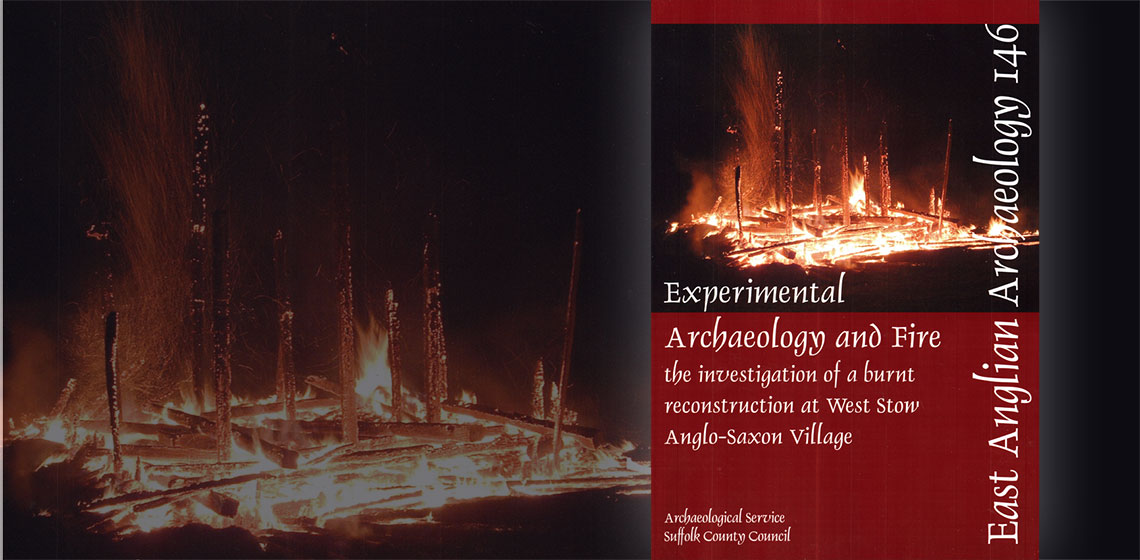
Book Review: Experimental Archaeology and Fire. The Investigation of a Burnt Reconstruction at West Stow Anglo-Saxon Village by Jess Tipper
Publication Date
What should an archaeologist do if one of the reconstructions of an experimental village is accidentally burning during the night? Simple: pick up a camera and start taking pictures. And then, of course, plan the excavation to record as much information as possible followed by an analytical and detailed publication on the results...
Discussion: Food - Reconstruction and the Public
Publication Date
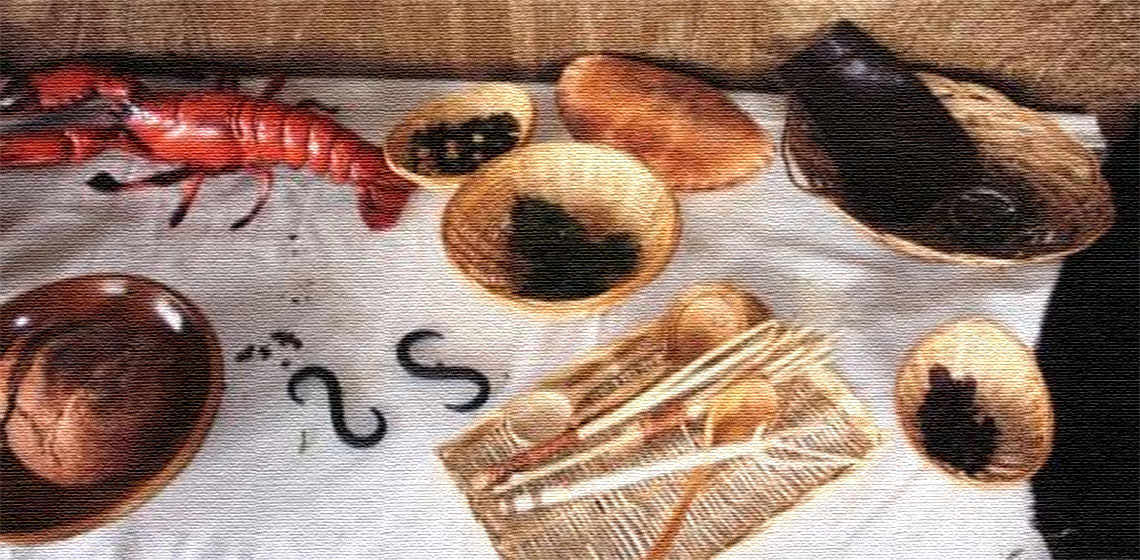
For a BBC program in 1954, Sir Mortimer Wheeler tasted a reconstruction of the Tollund Man’s last supper, which turned out to be a tasteless mush. This led him to announce: "I believe that the poor chap of Tollund committed suicide because he could stand his...
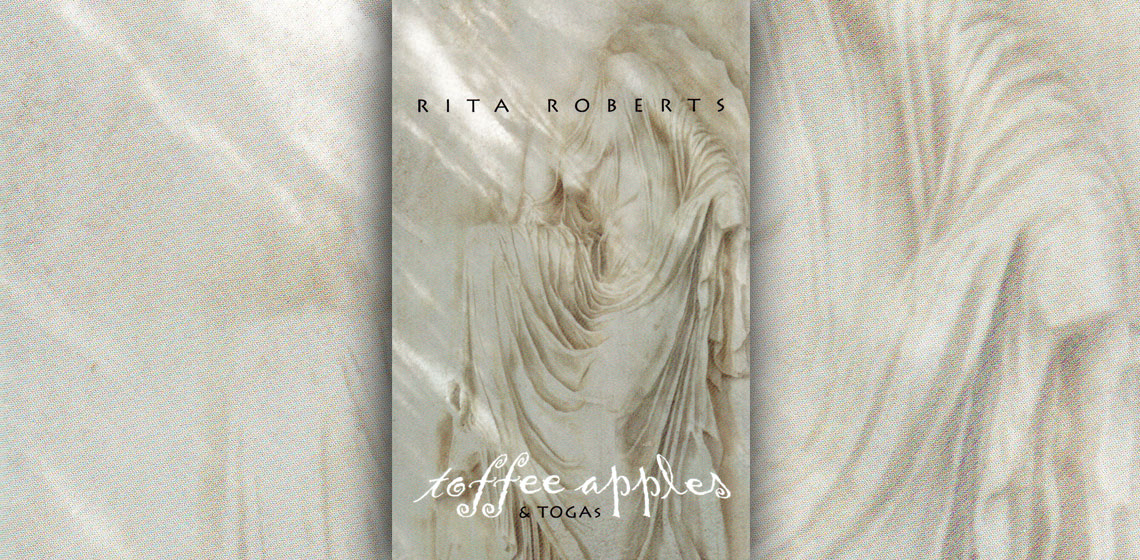
Book Review: Toffee Apples & Togas by Rita Roberts
Publication Date
Although Marcus Gavius Apicius was a brilliant observer and author, he was no cook, this is possible to recognise even after 2000 years... Only people truly knowledgeable in cooking, and also those who love to experiment, can cook according to the literary translation of Apicius...
Where Were the Viking Brew Houses?
Publication Date
7th UK EA Conference Cardiff 2013
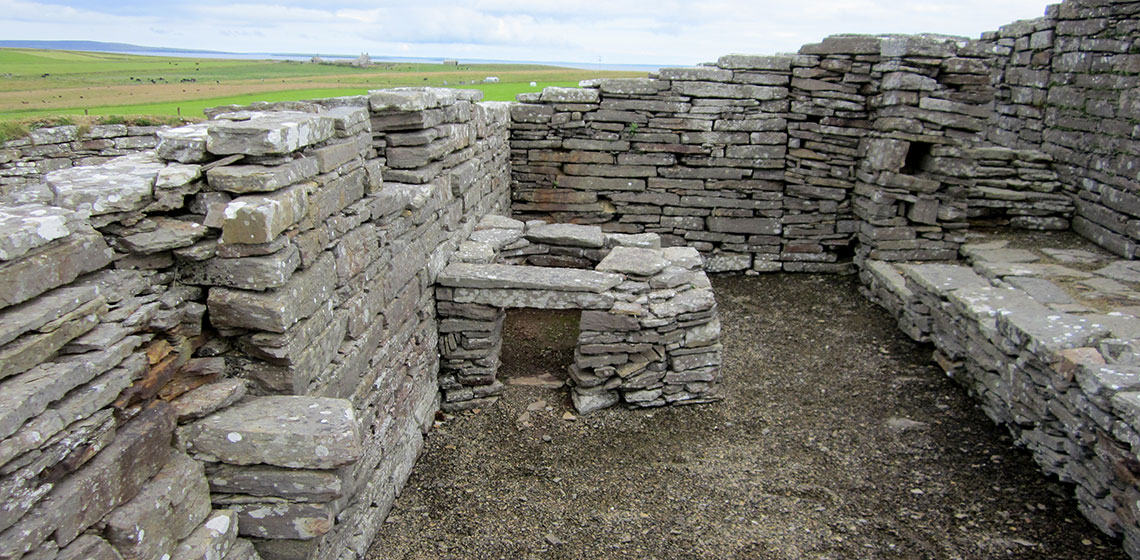
***The authors have over 15 years' experience in experimenting with recreating ancient and traditional techniques of making ale from malted grain. Graham is a craft brewer, with 30 years' experience making beer from the grain. Merryn is an archaeologist, with an interest in malting and brewing technologies...
***The authors have over 15 years' experience in experimenting with recreating ancient and traditional techniques of making ale from malted grain. Graham is a craft brewer, with 30 years' experience making beer from the grain. Merryn is an archaeologist, with an interest in malting and brewing technologies...
Fire and Bone: An Experimental Study of Cremation
Publication Date
7th UK EA Conference Cardiff 2013
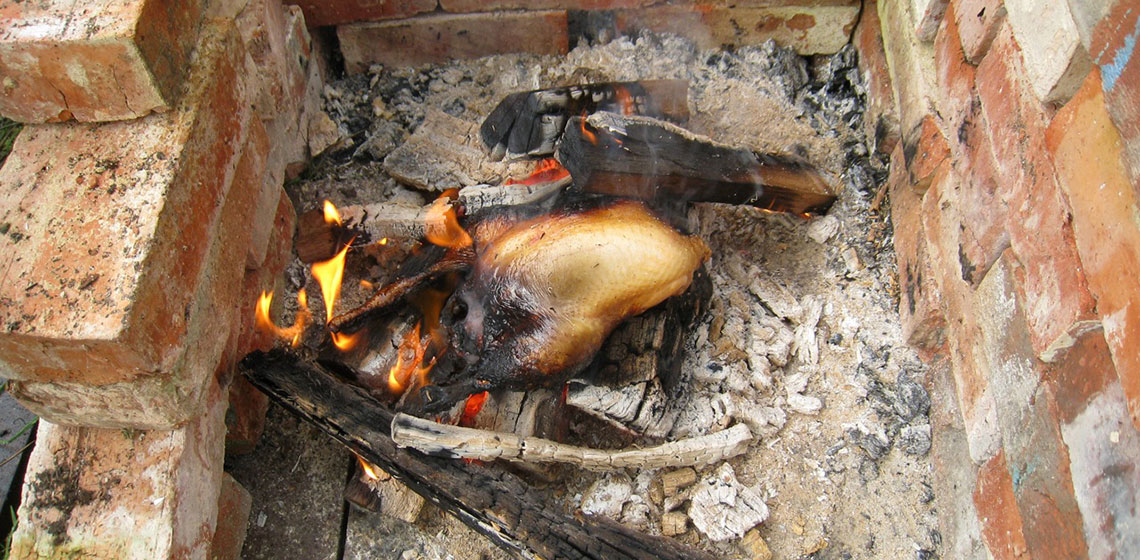
***Many bone fragments have been burned in controlled laboratory conditions but few have been burned on outdoor pyres. In order to study and understand cremated bone, it is crucial to conduct experiments in real environmental conditions. In this study several cremations were carried out outdoors...
***Many bone fragments have been burned in controlled laboratory conditions but few have been burned on outdoor pyres. In order to study and understand cremated bone, it is crucial to conduct experiments in real environmental conditions. In this study several cremations were carried out outdoors...