
United Kingdom
Let’s Build a Medieval Tile Kiln - Introducing Experimental Archaeology into the University Curriculum
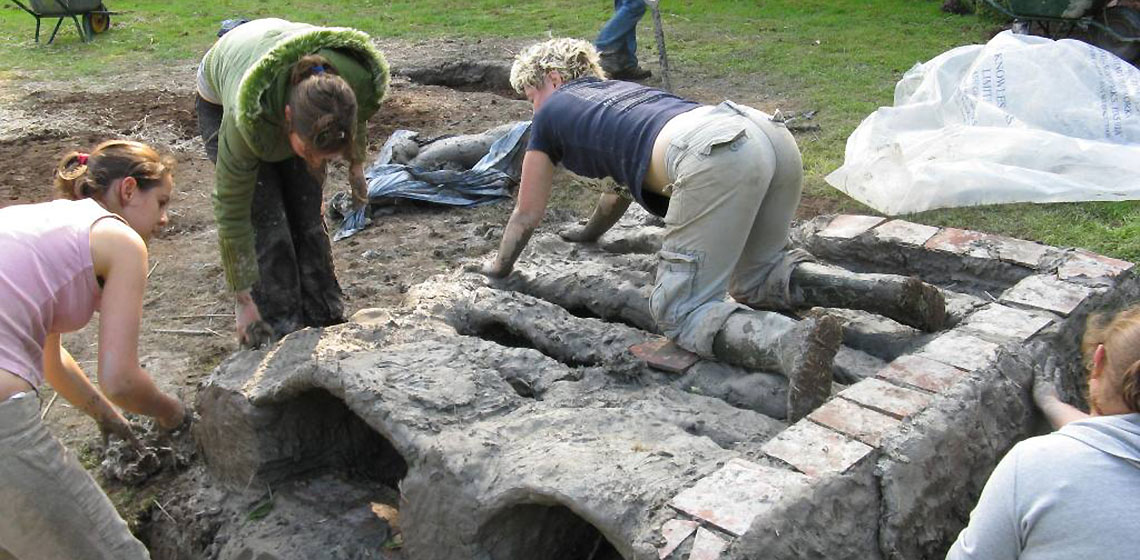
***As a lecturer at the University of Central Lancashire (UCLAN) I teach a course on medieval archaeology and run a successful programme in designing exhibitions for local museums and community groups. I also encourage my students to take part in the community archaeology and history projects...
Book Review: Experimentation and Interpretation, The Use of Experimental Archaeology in the Study of the Past by Dana C. E. Millson
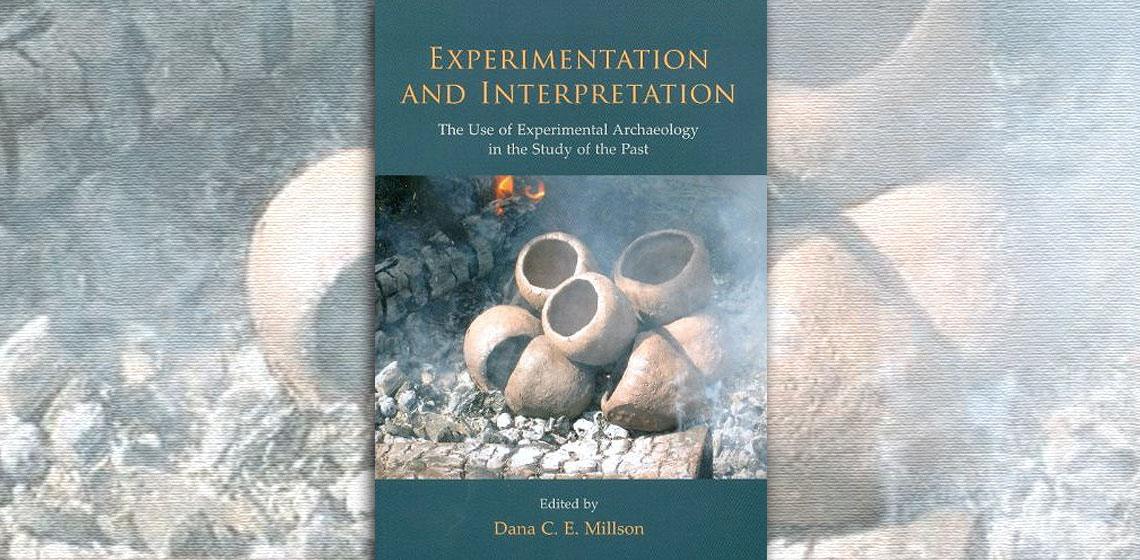
What role does experimental archaeology have in the wider discourse? According to the papers in this book, all of which were presented at the Theoretical Archaeological Group (TAG) conference in Southampton in 2008, a large one...
A Personal Experience in Communicating History: Tales From the River Trent
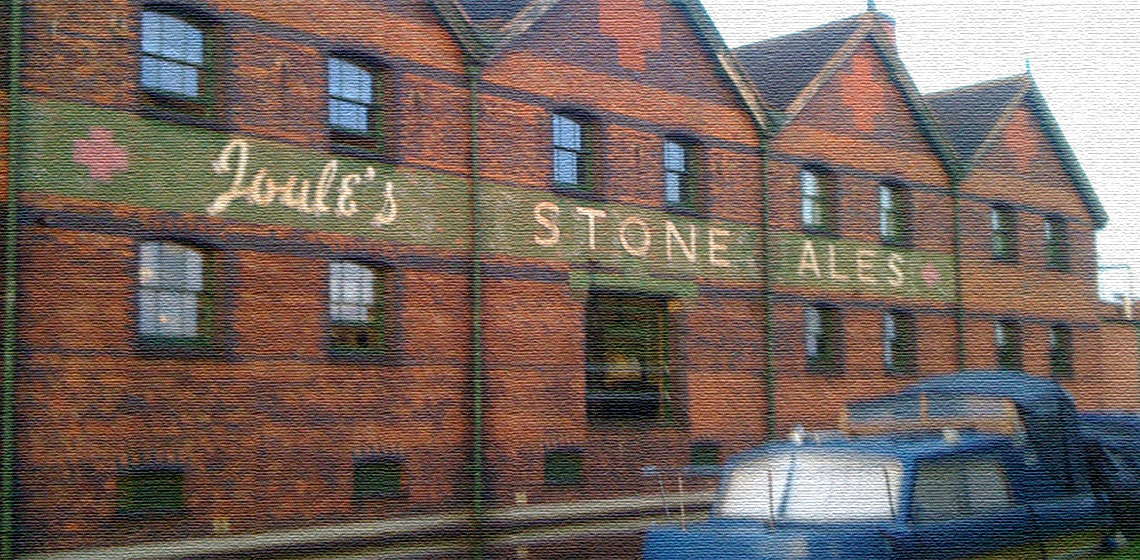
Saturday 1 September dawns gloriously, and is unseasonably sunny. Our fingers are crossed that this is the Indian Summer we'd been praying for all August since we intend to do a lot of walking in the next three weeks...
Conference Review: 7th Experimental Archaeology Conference, Cardiff 2013
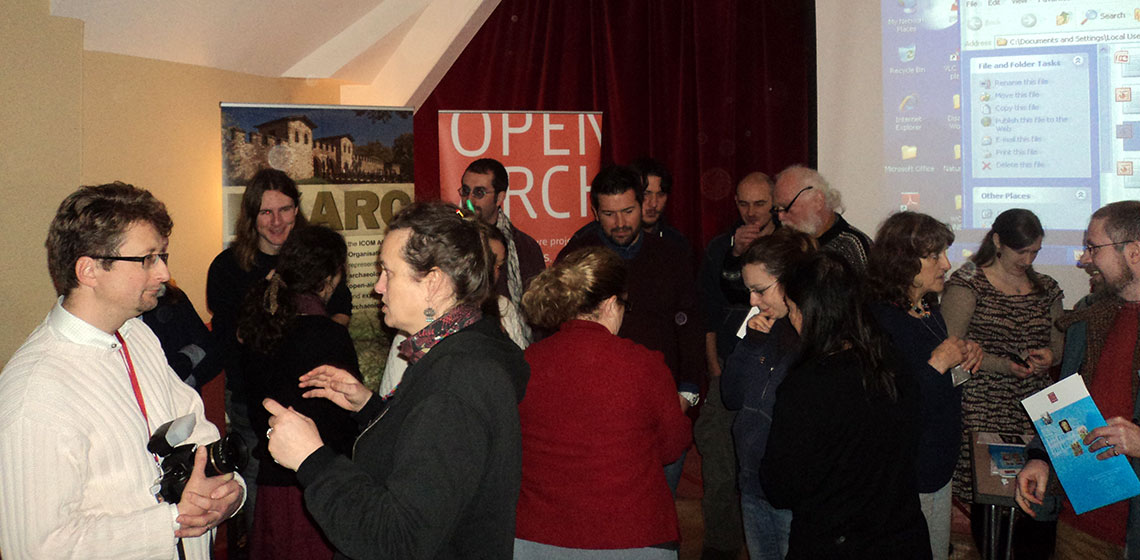
***The 7th Experimental Archaeology Conference was held on 12-13th January 2013. This annual event, first held in 2006. This year it was hosted jointly by the School of History, Archaeology and Religion at Cardiff University and St Fagan’s Open-Air Museum. Seventy-five delegates originally booked to attend, but one hundred actually...
Conference Review: Didarchtik’s Final Workshop at Butser
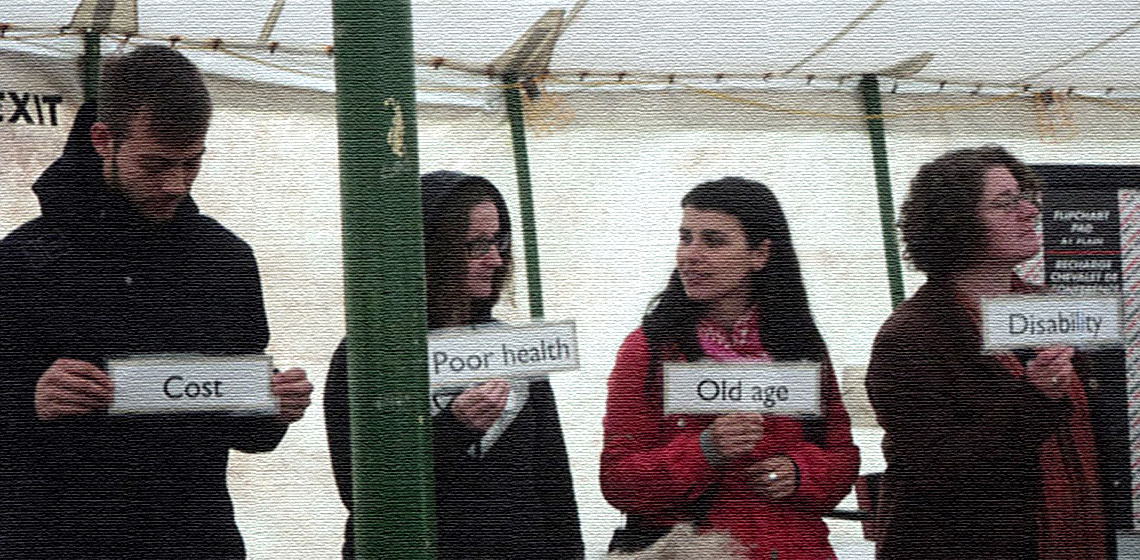
By mid-2012, the Learning Partnership Didarchtik had come to an end with a last workshop at Butser Ancient Farm in the UK. Many subjects we had touched on over the previous two years were back on the table...
Precision Lost Wax Casting
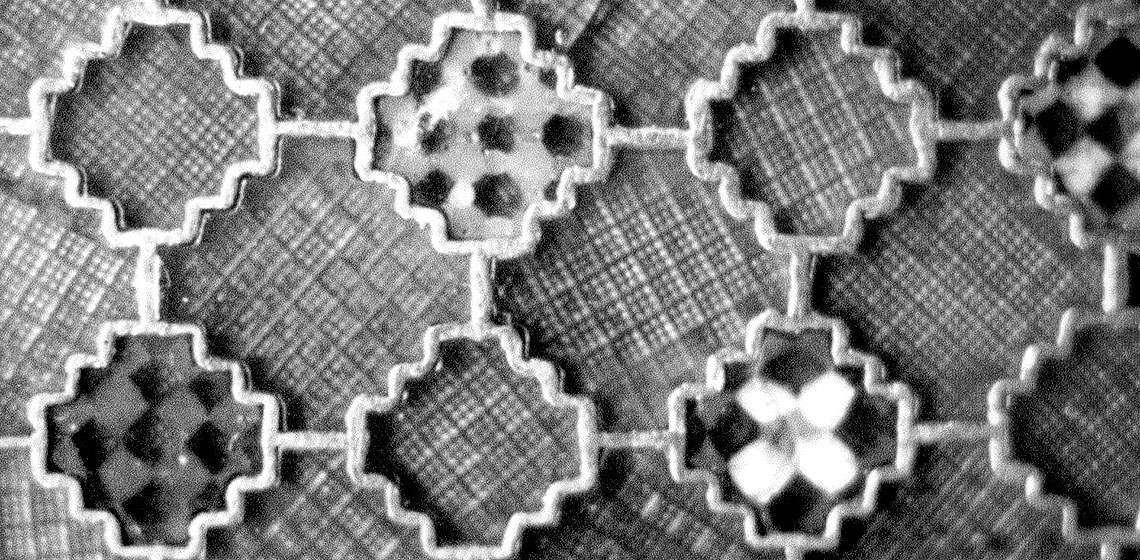
***The limits of precision casting were explored experimentally at the Bronze Casting Workshop at Wilhelminaoord, the Netherlands, by making wax models, moulds and lost wax castings using essentially early metalworking conditions. Geometrically patterned models of Dark Age type dies were used to...
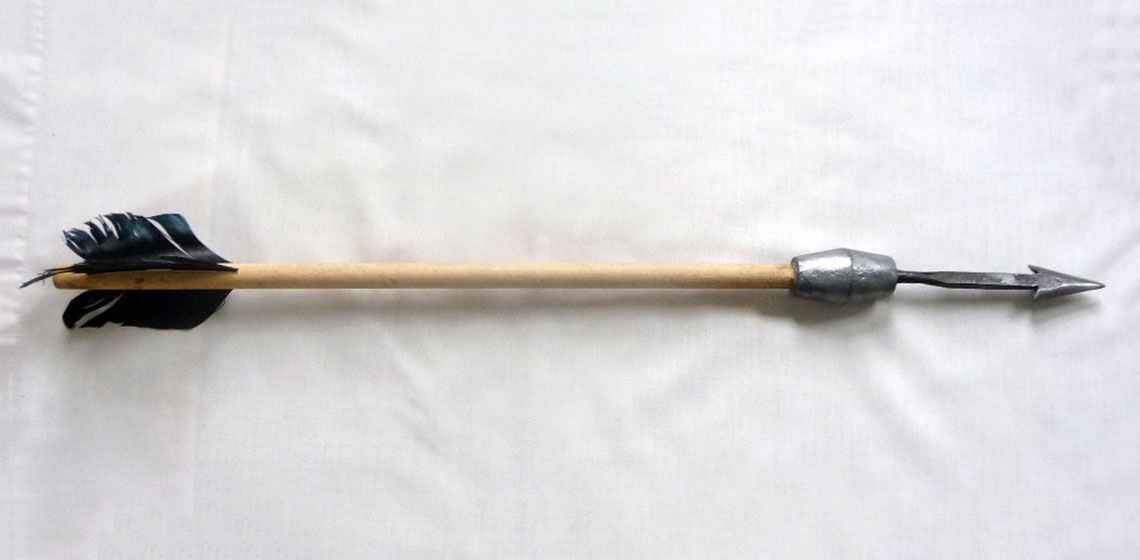
The Use of Metal Moulds to Cast Lead Weights onto the Wooden Shaft of a Plumbata
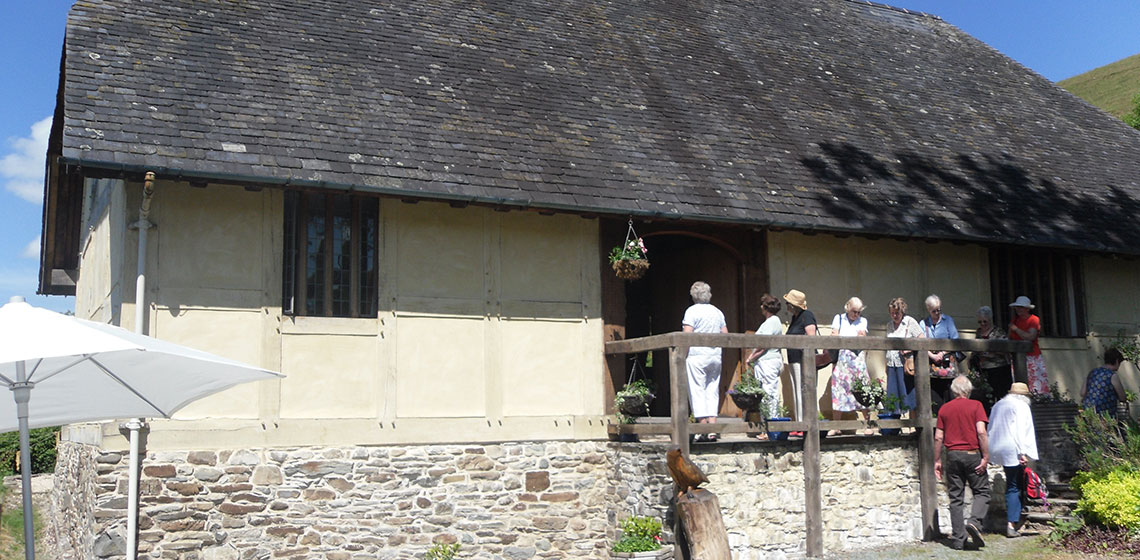
Discussion: Archaeological Reconstruction in Situ
Book Review: Experimental Archaeology by Alistair Marshall
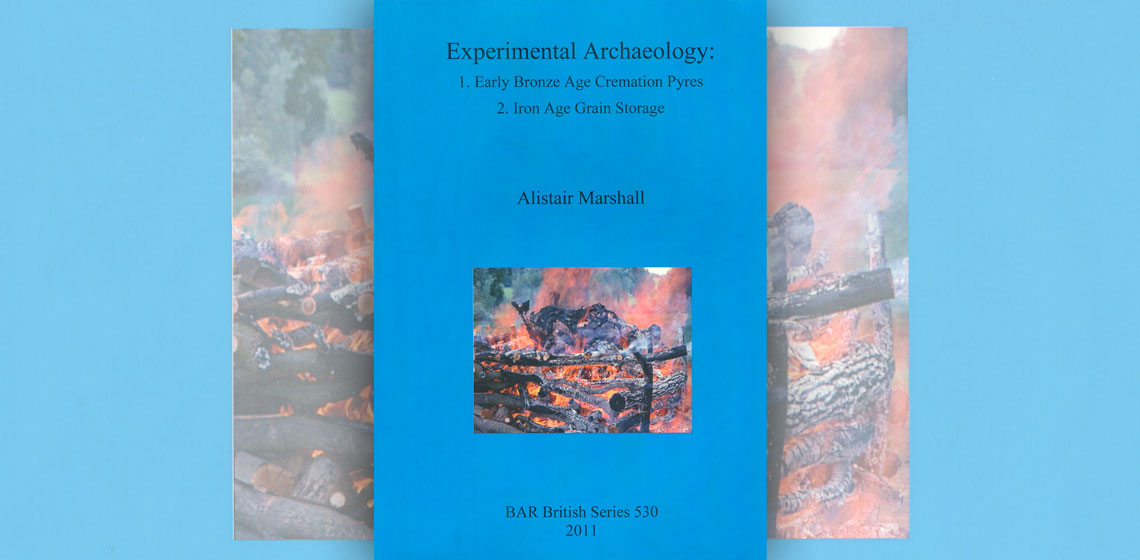
Experimental Archaeology: 1. Early Bronze Age Cremation Pyres. 2. Iron Age Grain Storage - the first thing that strikes the reader is that the book’s preface is missing leaving little understanding of the overall purpose of the book beyond the publication of two very different but significant experiments...
Conference Review: 6th Experimental Archaeology Conference, York 2012
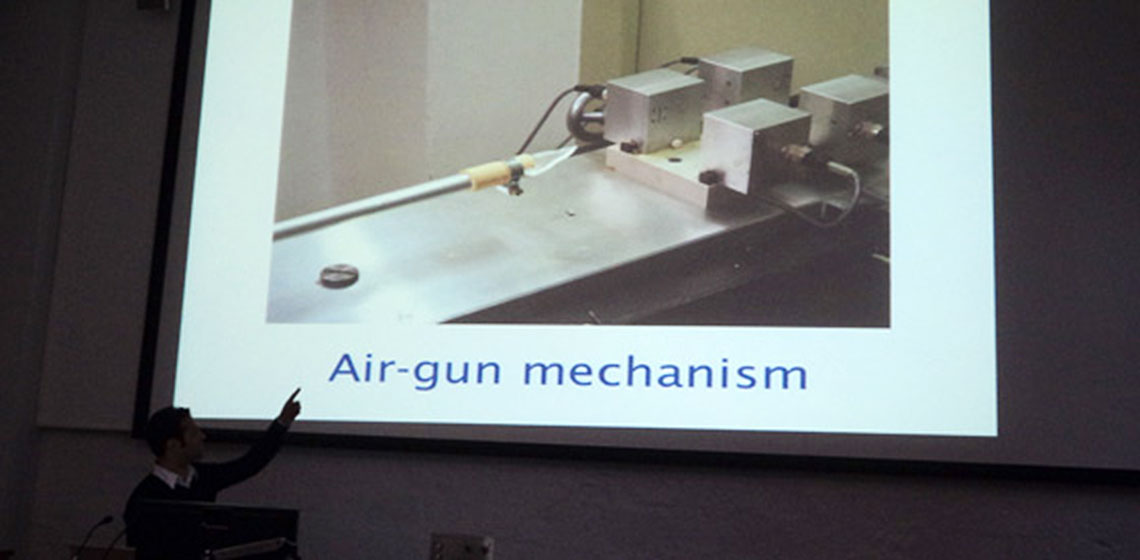
*** Established in 2006 with a workshop at UCL London, the Experimental Archaeology Conference is an annual event aiming to bring together experimental practitioners from Europe and afield. Since 2006 it has been held at a variety of locations in England and Scotland...