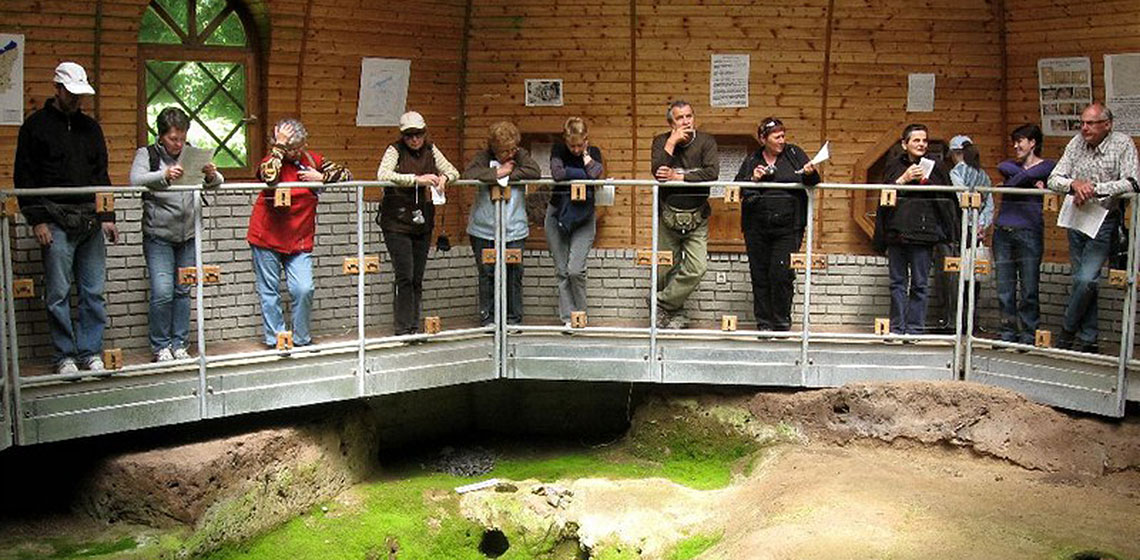
Roman Era
Fire and Bone: An Experimental Study of Cremation
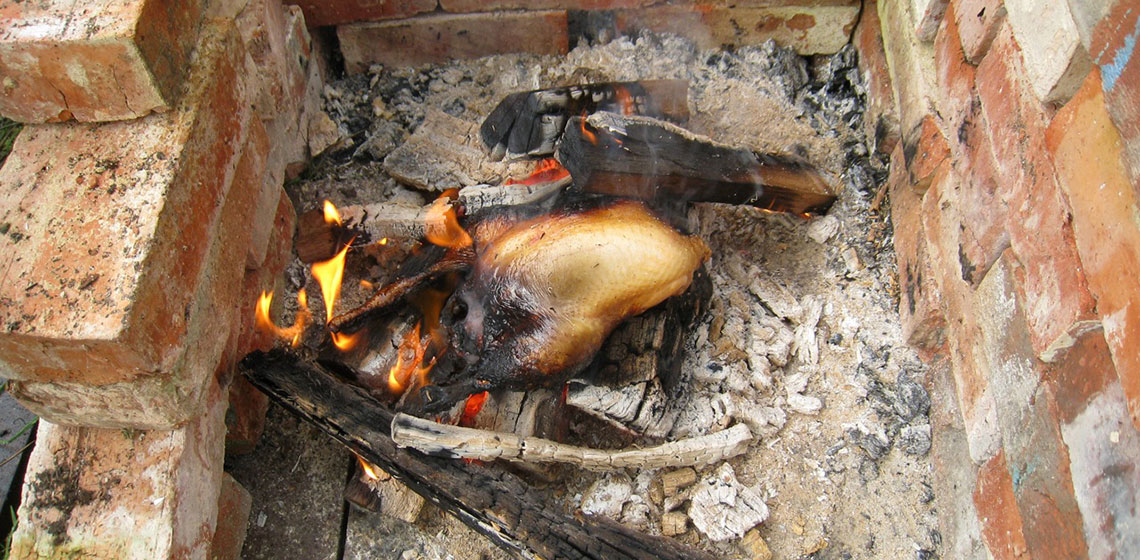
***Many bone fragments have been burned in controlled laboratory conditions but few have been burned on outdoor pyres. In order to study and understand cremated bone, it is crucial to conduct experiments in real environmental conditions. In this study several cremations were carried out outdoors...
Book Review: The Boyne Currach: from Beneath the Shadows of Newgrange By Claidhbh Ó Gibne
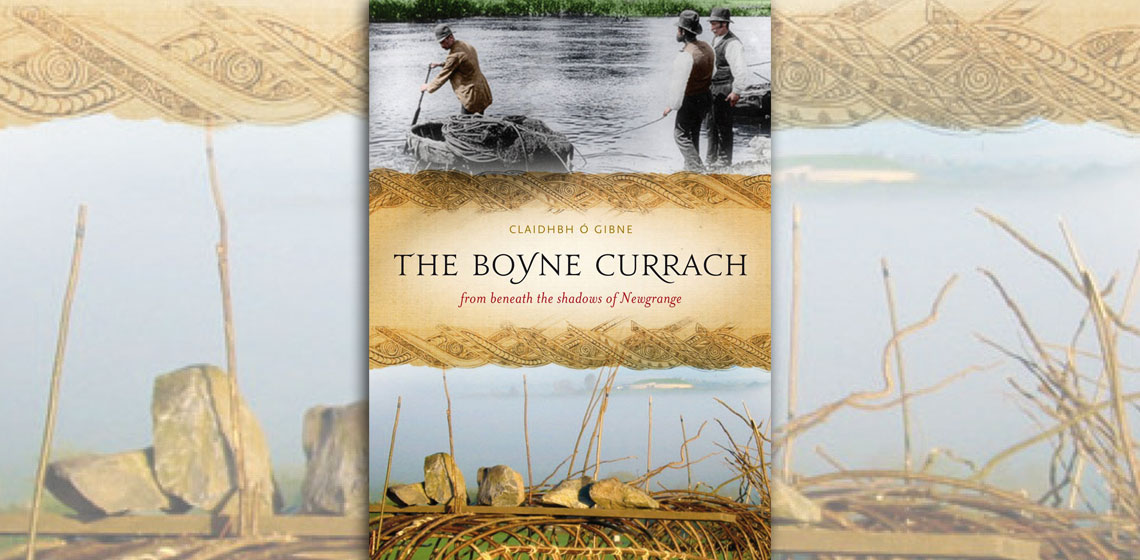
Claidhbh Ó Gibne has devoted himself to building traditional currachs and researching their history. His new volume, The Boyne Currach: From beneath the shadows of Newgrange, puts the currach in the context of the history of...
A Personal Experience in Communicating History: Tales From the River Trent
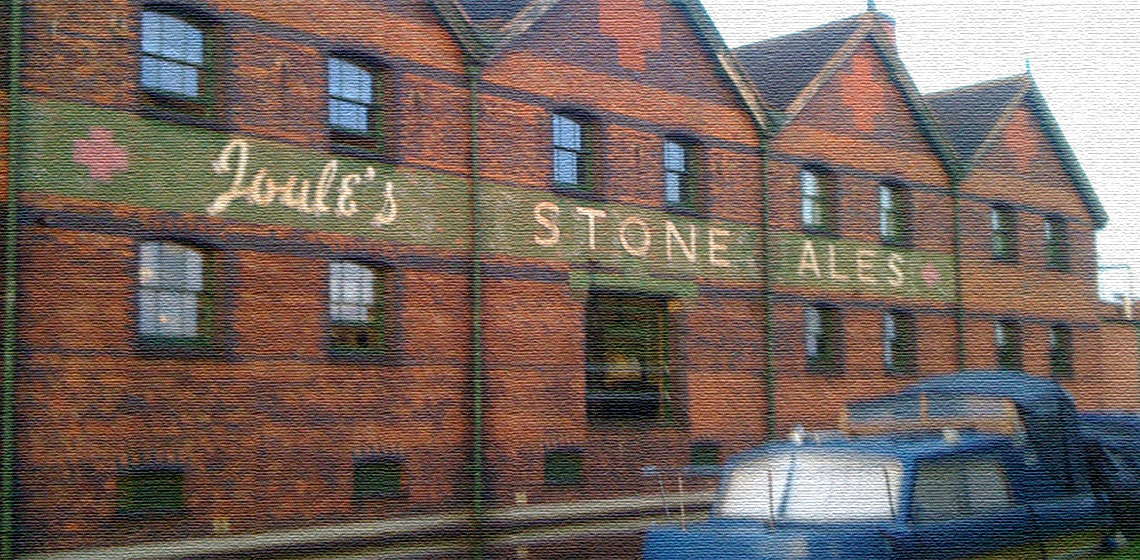
Saturday 1 September dawns gloriously, and is unseasonably sunny. Our fingers are crossed that this is the Indian Summer we'd been praying for all August since we intend to do a lot of walking in the next three weeks...
Conference Review: 7th Experimental Archaeology Conference, Cardiff 2013
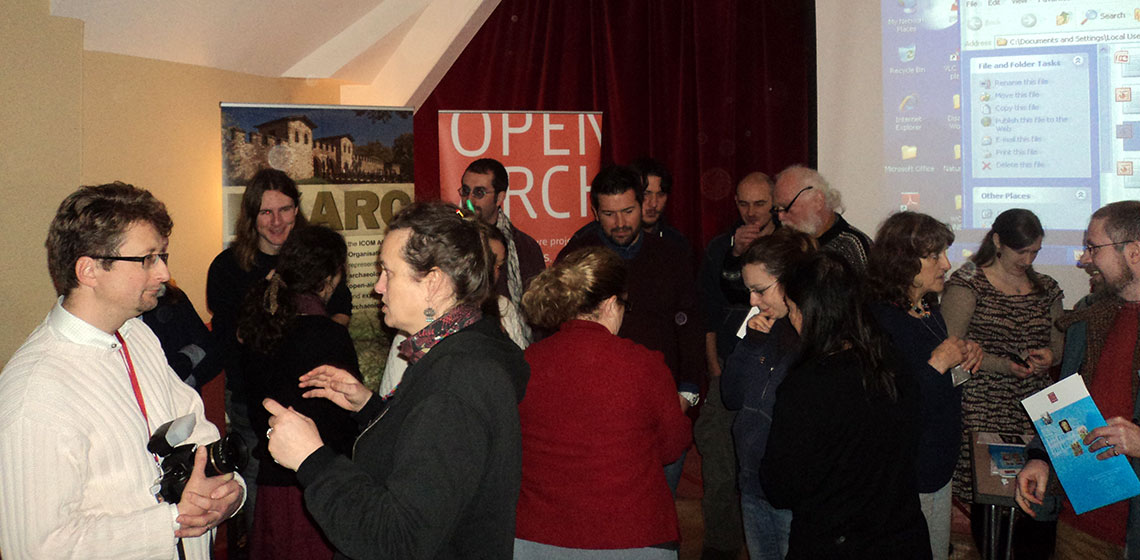
***The 7th Experimental Archaeology Conference was held on 12-13th January 2013. This annual event, first held in 2006. This year it was hosted jointly by the School of History, Archaeology and Religion at Cardiff University and St Fagan’s Open-Air Museum. Seventy-five delegates originally booked to attend, but one hundred actually...
Experimental Lime Burning Based on the Findings from the Roman Empire Period
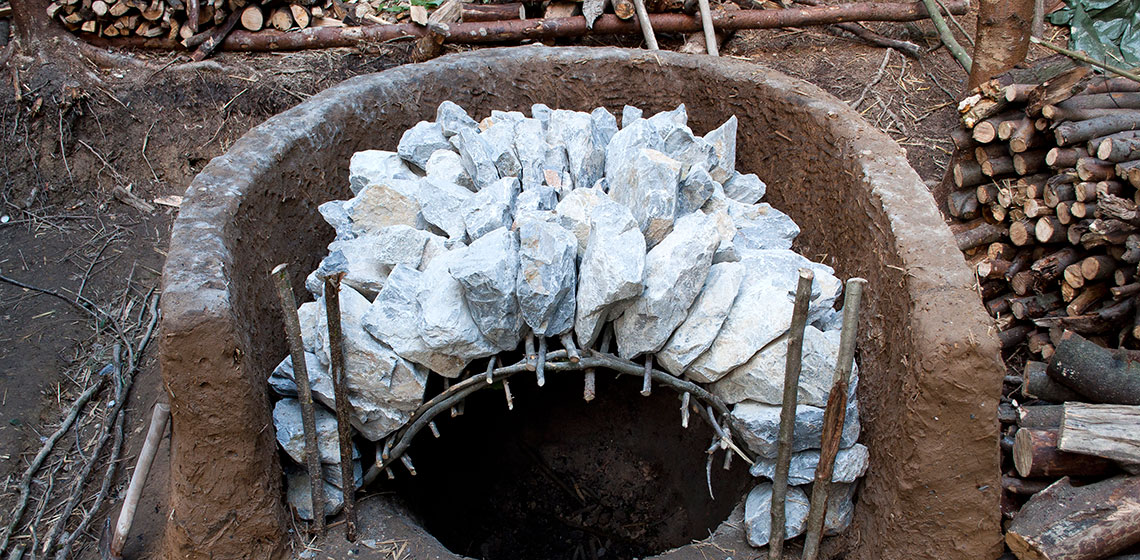
In 2006 the remains of two lime kilns from the Roman Empire period were discovered in Tuněchody near Chrudim in the Czech Republic. These finds became the object of a detailed multidisciplinary research project resulting in hypotheses on the use of the kilns. Based on these hypotheses experimental research was designed (Thér et al. 2010)...
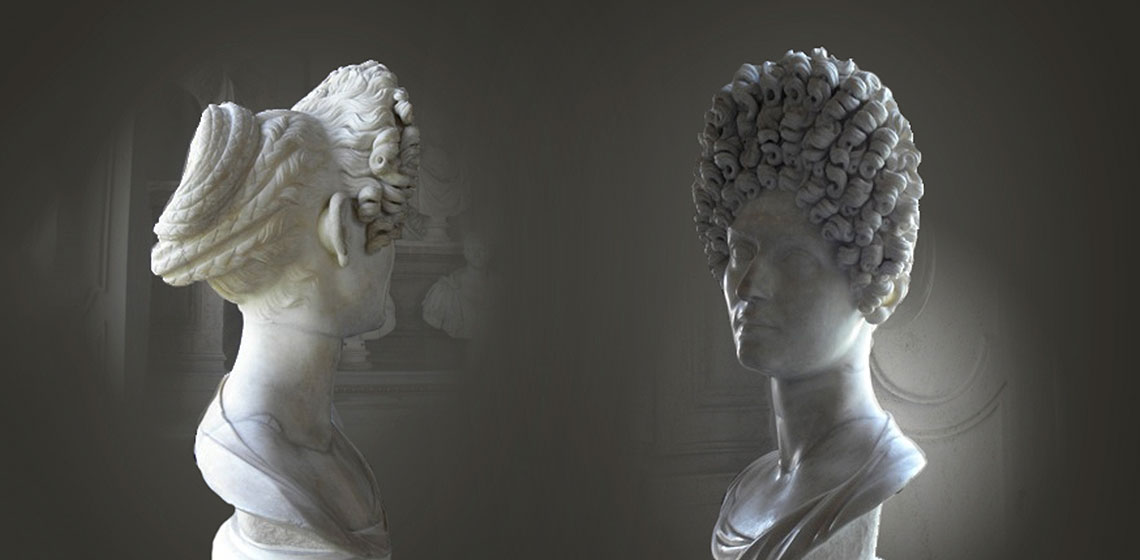
Recreating the Fonseca Hairstyle
Gene Fornby - the Ancient Village of Gene
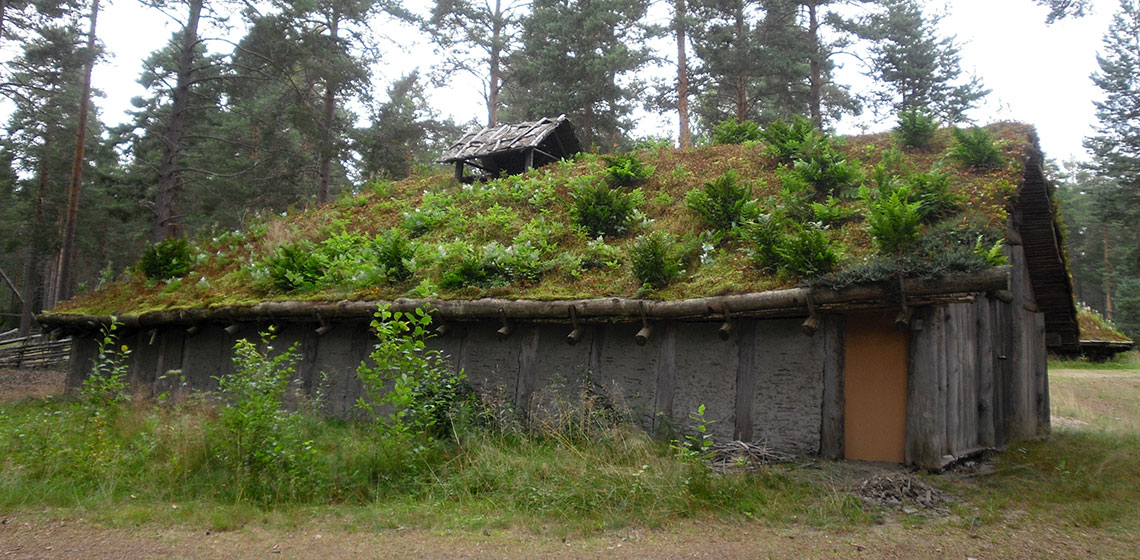
I have for years, through articles, debate and political activities, been a very active part in the efforts to preserve Gene Fornby from demolition. The cause seemed long doomed to be lost, but in the end the saving-line won. Therefore the longhouse and the smithy, in my opinion the important reconstructions, will be preserved and restored.
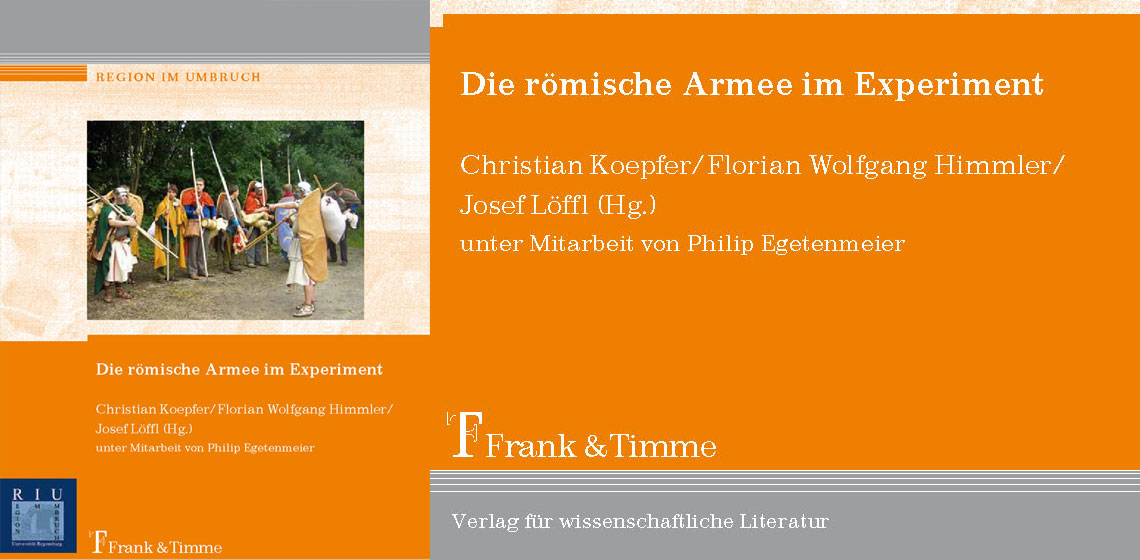
Book Review: Die römische Armee im Experiment by Chr. Koepfer, F. W. Himmler & J. Löffl
Conference Review: VAEE Celebrates 20 Years
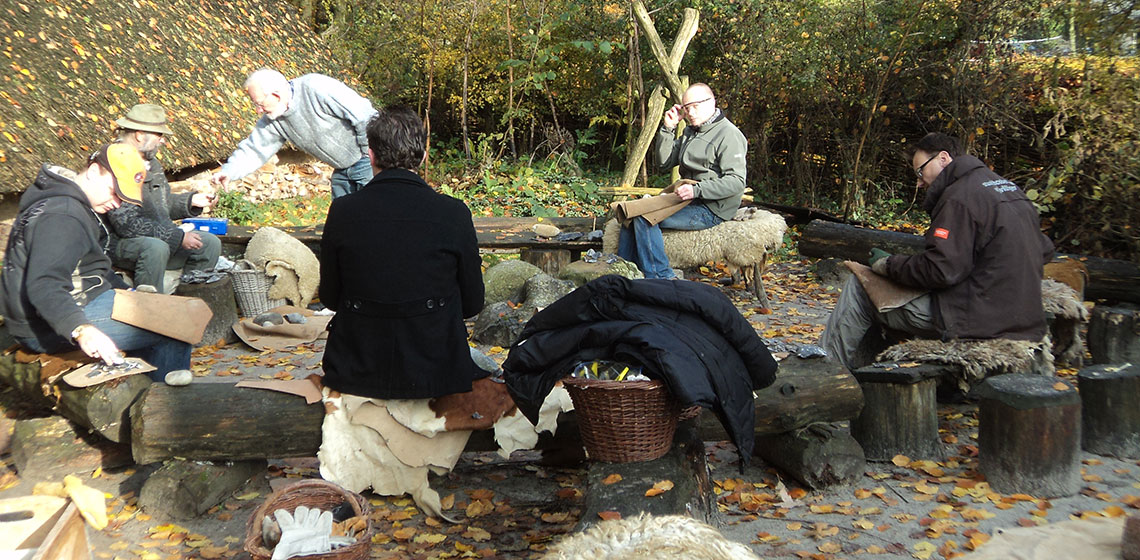
If you live in the Netherlands and work with archaeological open-air museums, archaeological experimentation or education, there is a good chance you are a member of VAEE, the Dutch Association for Experimental Archaeology & Education...
Event Review: Fourth Iron Smelting Camp in Hungary