
Roman Era
Conference Review: EXAR Tagung 2012, Brugg (CH)
Publication Date
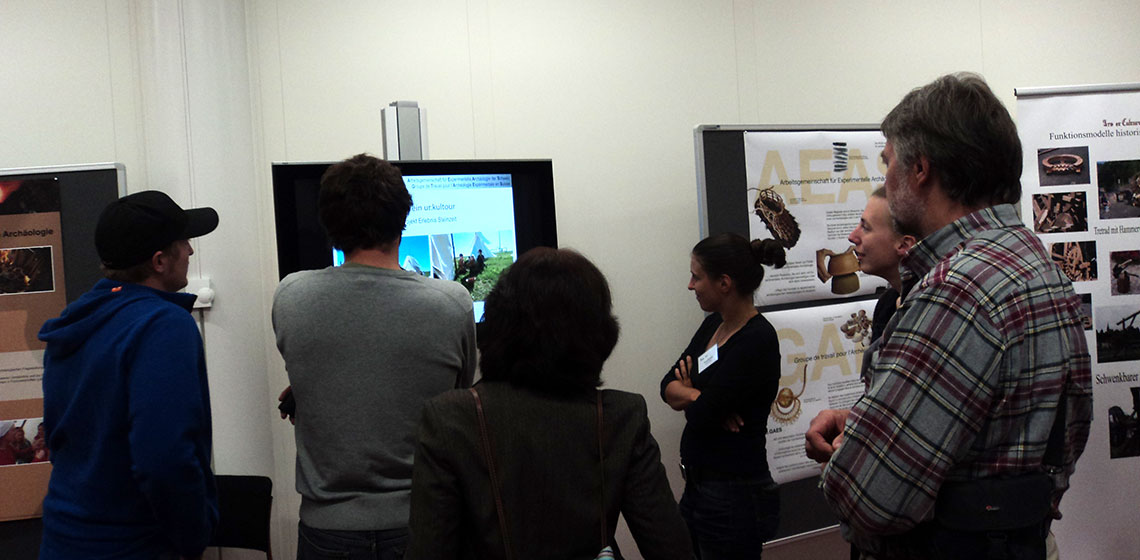
In early October 2012, EXAR held its yearly conference in Brugg, Switzerland. EXAR is the European Association for experimental archaeology and has over 150 members. Their highlight is their annual conference and the proceedings, which usually appear 12 months later, which is very fast...
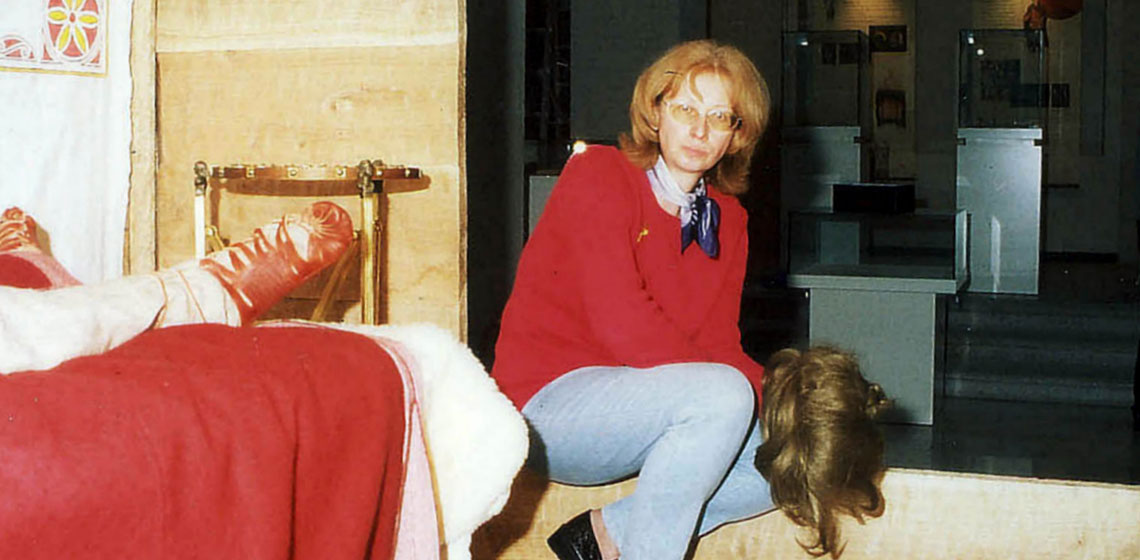
Interview: Dr Rosemarie Leineweber
Publication Date
Dr Leineweber (1951) has an impressive track record in German experimental archaeology, reaching over two decades back. She worked with metals, cremation experiments and much more, with museum colleagues, university students and researchers and inspiring many people in how to experiment in a way which is not only fun, but brings progress...
Ancient Repairs on Bronze Objects
Publication Date
1999 Wilhelminaoord Workshop
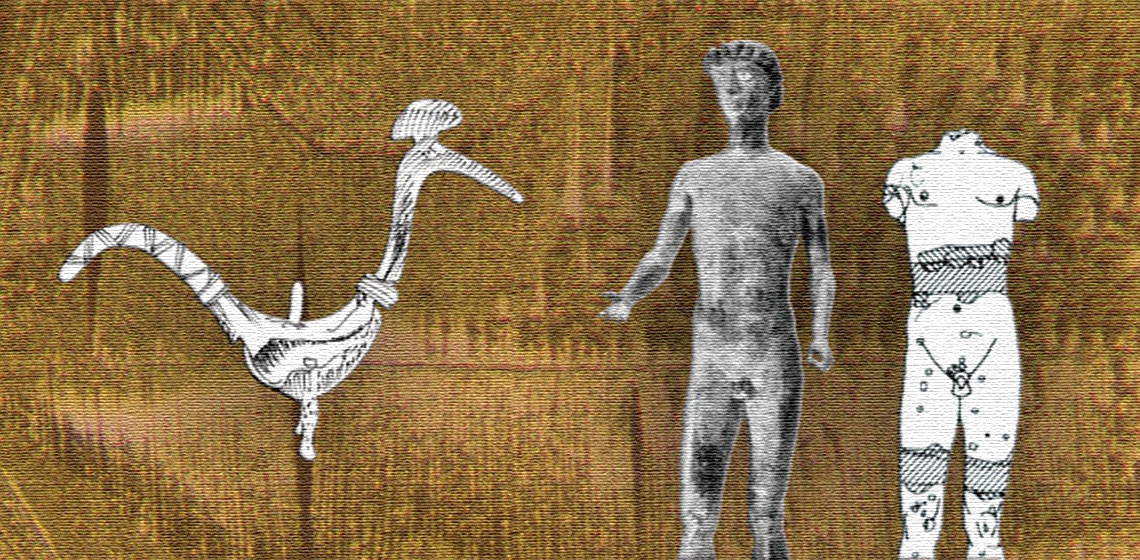
***Bronze objects can be damaged in many ways, for example during casting or during their time of use. Often this damage was repaired using various techniques. In this paper, some examples of ancient repairs and their techniques are described and illustrated with examples published in the literature...
***Bronze objects can be damaged in many ways, for example during casting or during their time of use. Often this damage was repaired using various techniques. In this paper, some examples of ancient repairs and their techniques are described and illustrated with examples published in the literature...
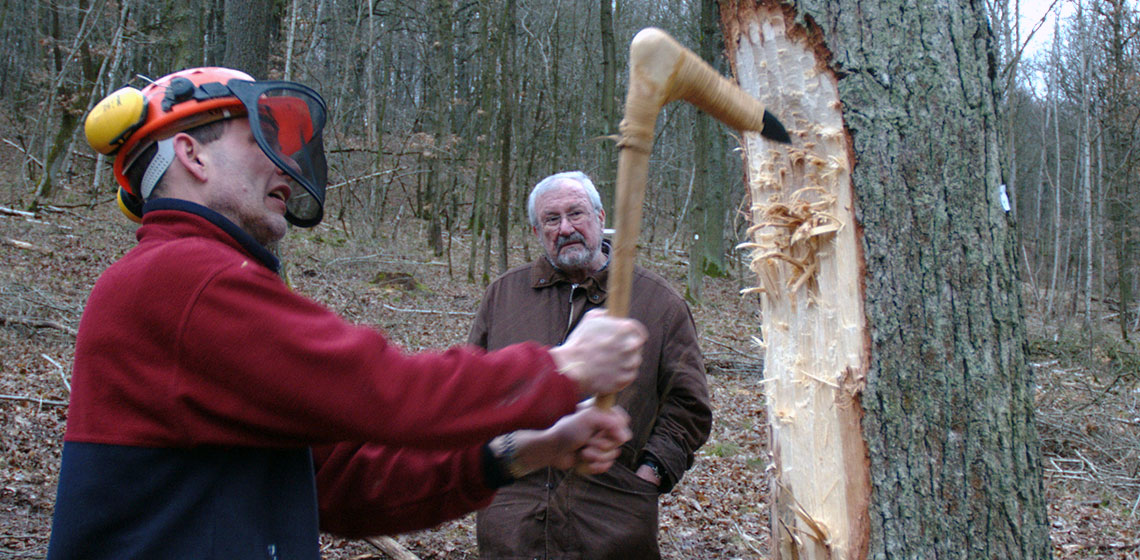
Interview: Helmut ‘Hugo’ Windl
Publication Date
Archaeology Starts Just Outside Your Door! Experimental archaeology in Austria carries a name: Hofrat Dr Helmut ‘Hugo’ Windl (born 1944). Windl, has, from the start of his academic career, stood strong for the establishment of this practical form of research in the Alp Republic...
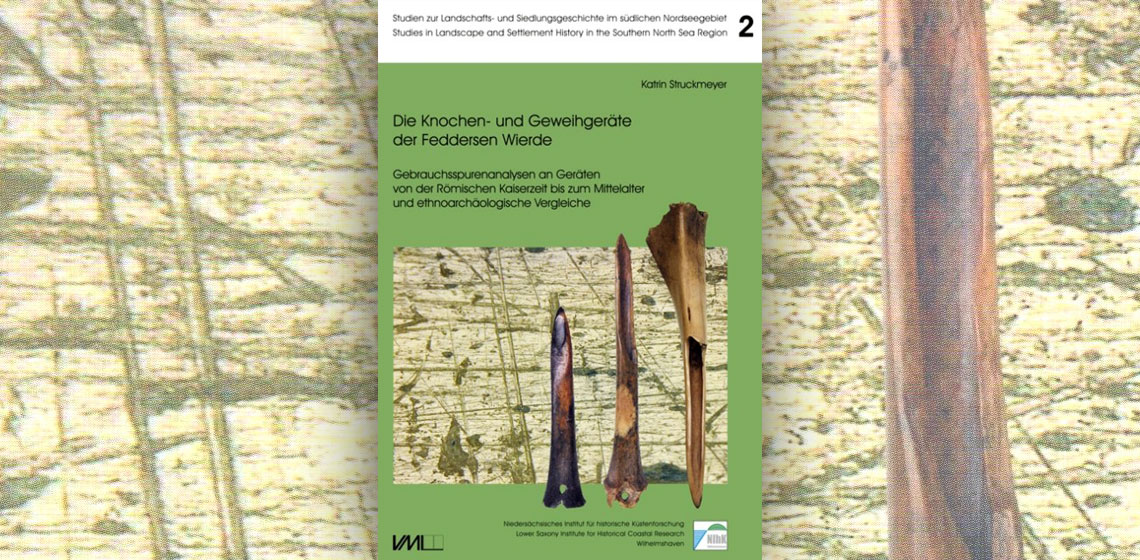
Book Review: Die Knochen- und Geweihgeräte der Feddersen Wierde by Katrin Struckmeyer
Publication Date
The purpose of this book, which was originally presented as a dissertation at Hamburg University, is to present the 1,293 bone, antler, horn and ivory tools that were found at the terp settlement Feddersen Wierde in the coastal area of Lower Saxony, Germany, and to decide on the possible functions of the tools.
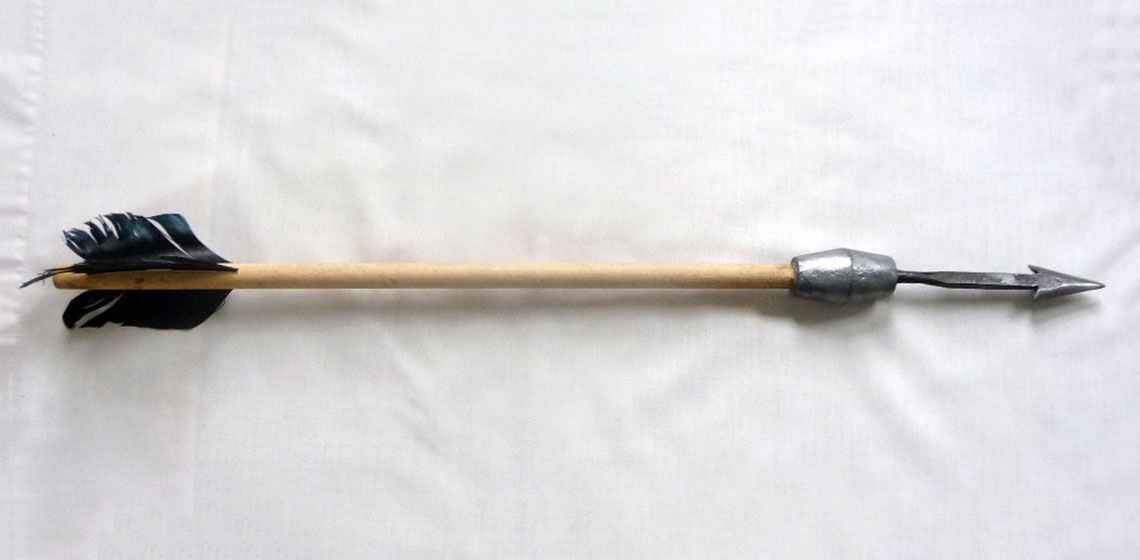
The Use of Metal Moulds to Cast Lead Weights onto the Wooden Shaft of a Plumbata
Publication Date
Plumbata - Plural plumbatae. a projectile weapon used during the latter part of the Roman period – a fletched dart. They usually consisted of a barbed iron head with a lead weight fitted to a fletched wooden shaft. Plumbatae have been found on several sites in Britain and abroad and written evidence for their existence has been reported in the fourth century by Vegitius...
Public Outreach in the Drents Museum in Assen (NL)
Publication Date
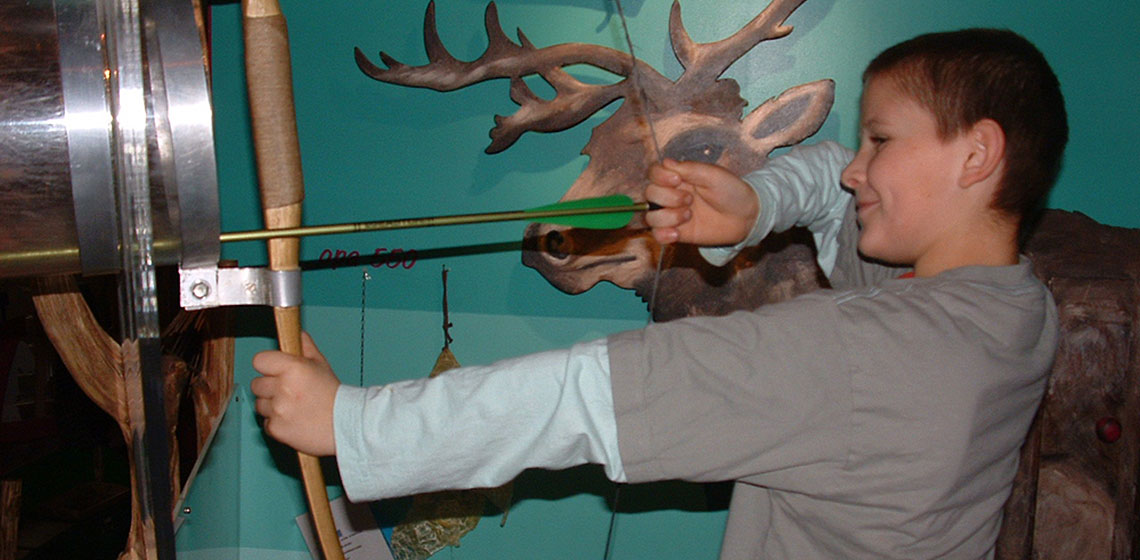
Part of my job as museum teacher at the Drents Museum in Assen is attending to the all the groups that visit our museum. This includes the great number of children, both elementary school and high school students, that visit our museum. A lot of children think of a museum as a boring place where there is nothing to do but look at old paintings...
Obituary: Kazimierz Bielenin (29 January 1923 - 19 November 2011)
Publication Date
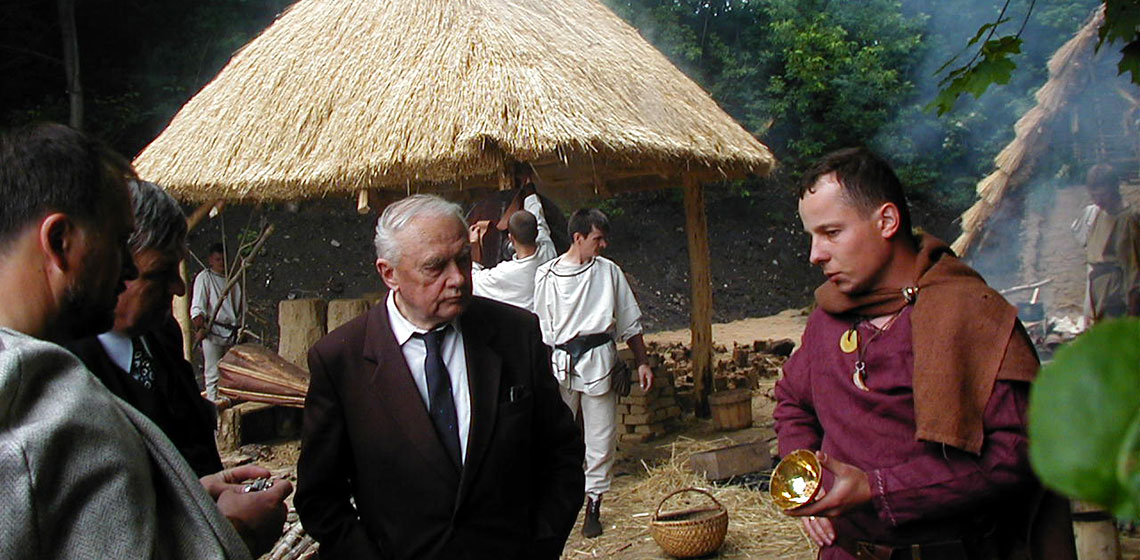
On the 19th of November 2011, Prof. dr hab. Kazimierz Bielenin died in Kraków after a long and exhausting illness. He was a great scientist and scholar but also a very modest man with a great personality...
Archaeological Open-Air Museums in the Netherlands, a Bit of History
Publication Date
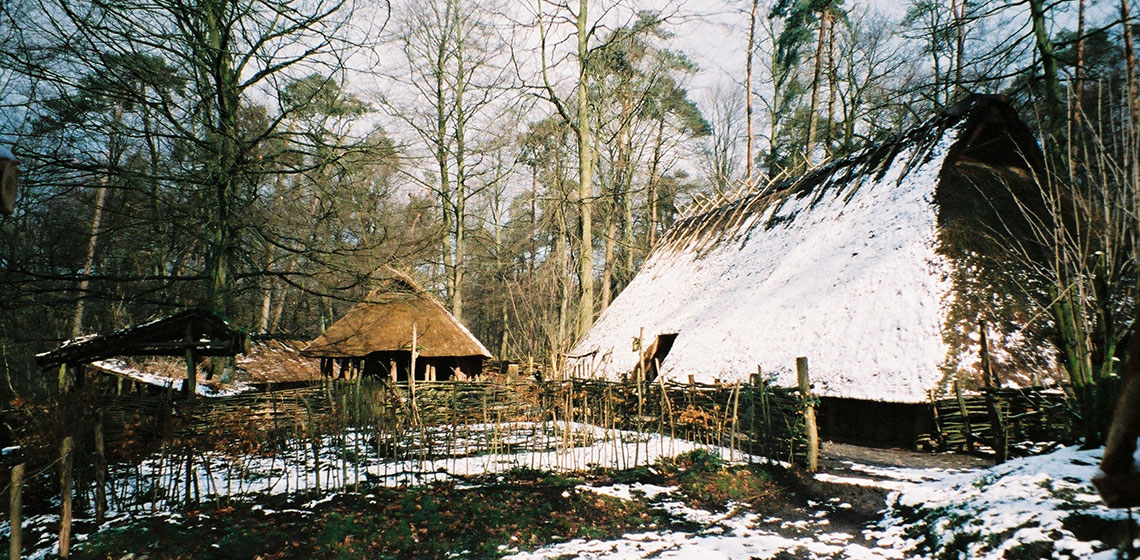
This article is a result of my interest in, and experience with, archaeological open-air museums. With the start of HOME Eindhoven in 1982, I became actively involved in these museums and I was one of the people involved from the first moment in EXARC. From 2005 onward, I have been conducting postgraduate research at the University of Exeter into archaeological open-air museums...
Conference Review: III Congrès Internacional d’Arqueologia Experimental
Publication Date
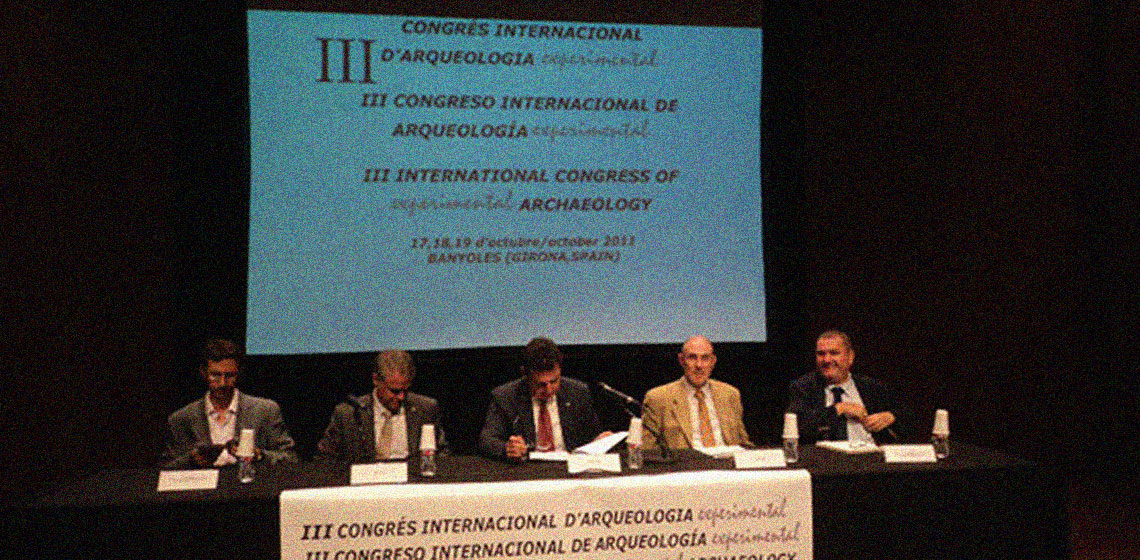
From 17 - 19 October 2011 in Banyoles, Spain, the third international congress of experimental archeology took place, organized by the Asociacion Experimenta. Banyoles 2011 was a very intense conference, with over 50 speakers in three days, the quality of presentations was particularly high, as well as the presence of young, skilled and passionate researchers...