
Roman Era
An Experimental Approach to Baking Ancient Roman Placenta
Publication Date
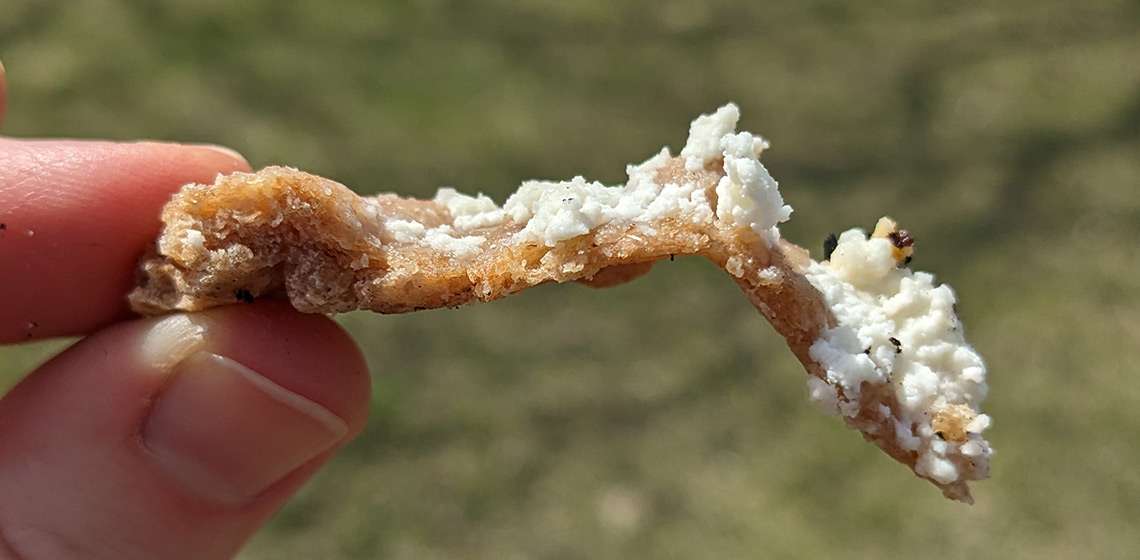
Cato The Elder (234-149 BC) wrote our oldest extant work of continuous Latin prose, On Farming (de agri cultura), a how-to guide for farming and life that also included many recipes. We were interested in the section on bread recipes in this text, particularly the recipe for the complex, layered placenta due to...
The Making of Roman Metal Ink Pen Nibs
Publication Date
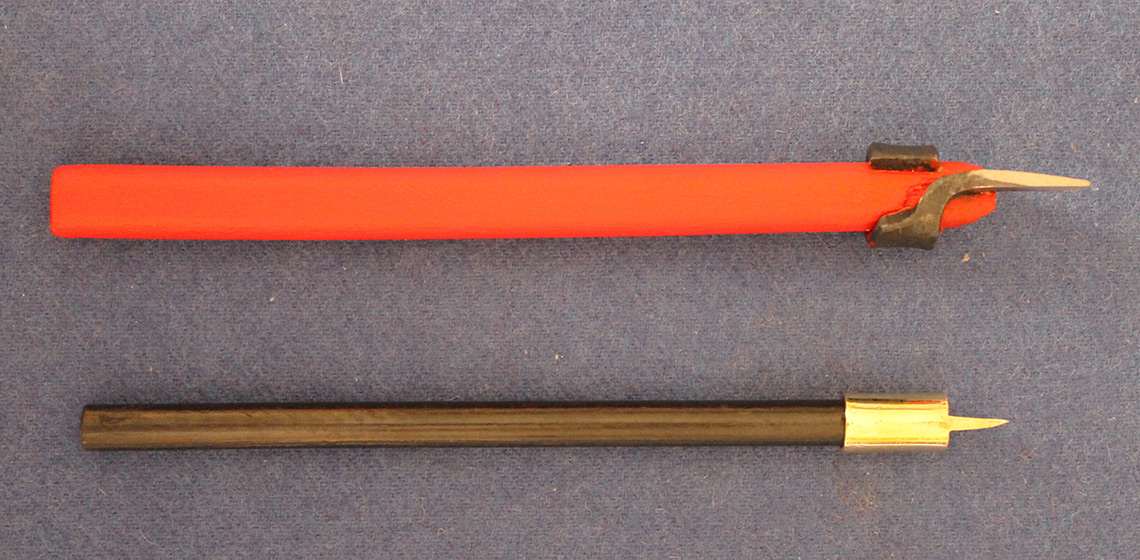
Roman ink pen nibs have been made from different materials such as bone, horn, reed, iron, and copper alloys. This article deals with experiments to reproduce Roman ink pen nibs made from copper alloy and iron.
Testing Roman Glass in the Flame
Publication Date
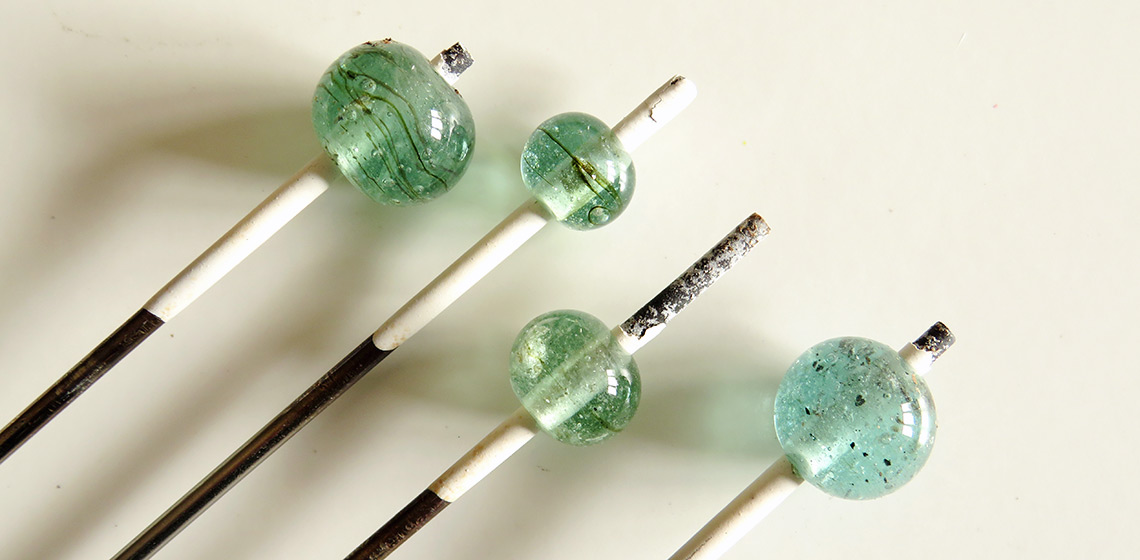
Glass made during the Romano British period was recycled throughout the Late Roman and Early Medieval periods. Studies have shown that British beadmakers of the fifth and early sixth centuries AD made a large proportion of their beads using Roman period glass (Peake, 2013). To study fully the techniques of glass workers in early Anglo-Saxon times, it is important to...
Book Review: Experimentelle Archäologie in Europa, Jahrbuch 2022
Publication Date
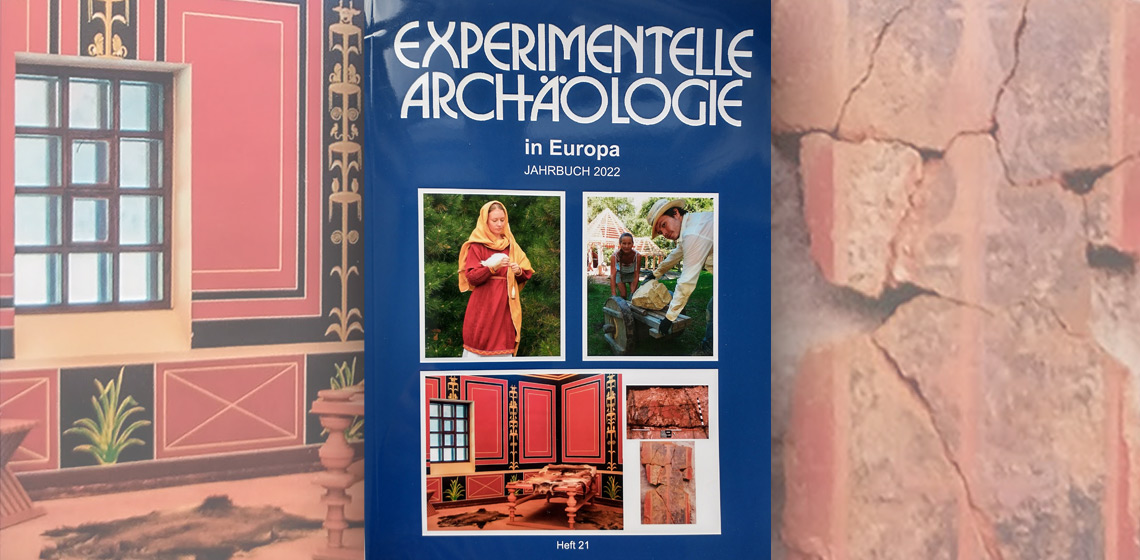
Annual Proceedings of the EXAR Tagung
***The periodical is published by Gunter Schöbel and the European Association for the Advancement of Archaeology by Experiment e. V. (Europäische Vereinigung zur Förderung der Experimentellen Archäologie) in collaboration with the Pfahlbaummuseum Unterhuldingen...
***The periodical is published by Gunter Schöbel and the European Association for the Advancement of Archaeology by Experiment e. V. (Europäische Vereinigung zur Förderung der Experimentellen Archäologie) in collaboration with the Pfahlbaummuseum Unterhuldingen...
Garum Sardiniae in Tabula: Rediscovering the Ancient Taste of Roman Cuisine
Publication Date
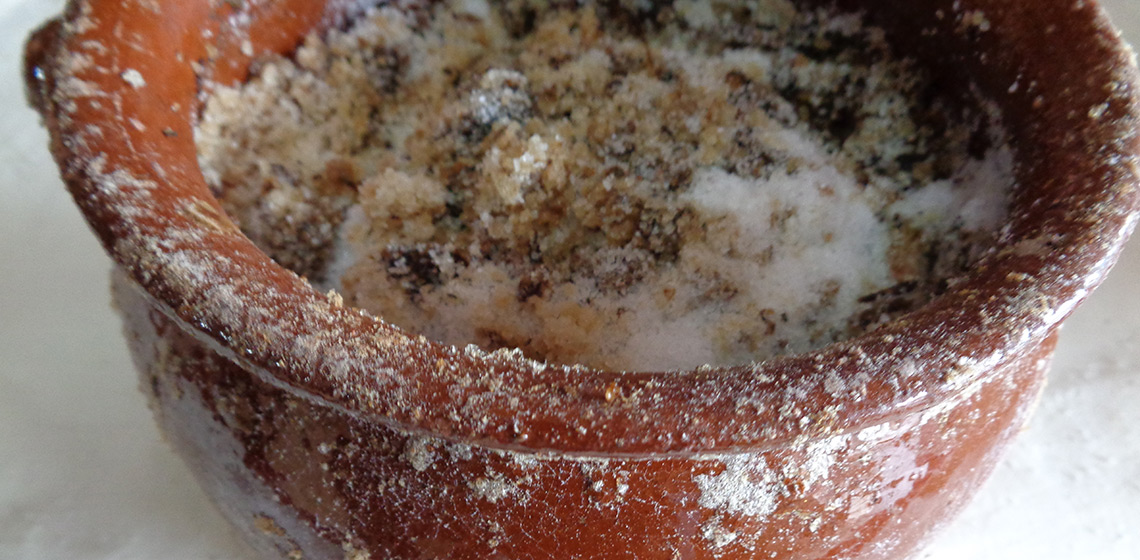
The historiography concerning the Garum, as well as the archaeological evidence of the same, are very wide and cover the entire topic both from the historical and archaeological points of view. Can a team of archaeologists faithfully recreate Garum today, starting only with the historical knowledge available to us, and at the same time ...
Experimenting with the Ancient Greek Pottery Production Process from Clay Selection to Firing in a (Re)constructed Updraft Kiln
Publication Date
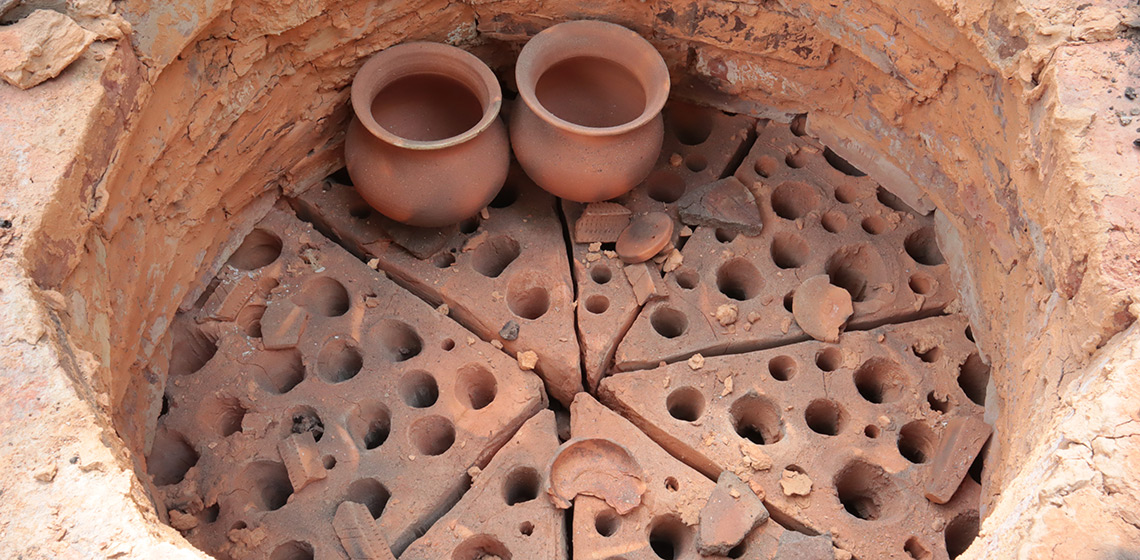
This article presents an experimental archaeology project that aimed to reproduce the Hellenistic Greek pottery production process. The project's main research questions were focused on understanding how locally available raw materials and climatic conditions influenced the production process and how the process created social networks with the local community...
The Production of Roman Metal Screw Threads
Publication Date
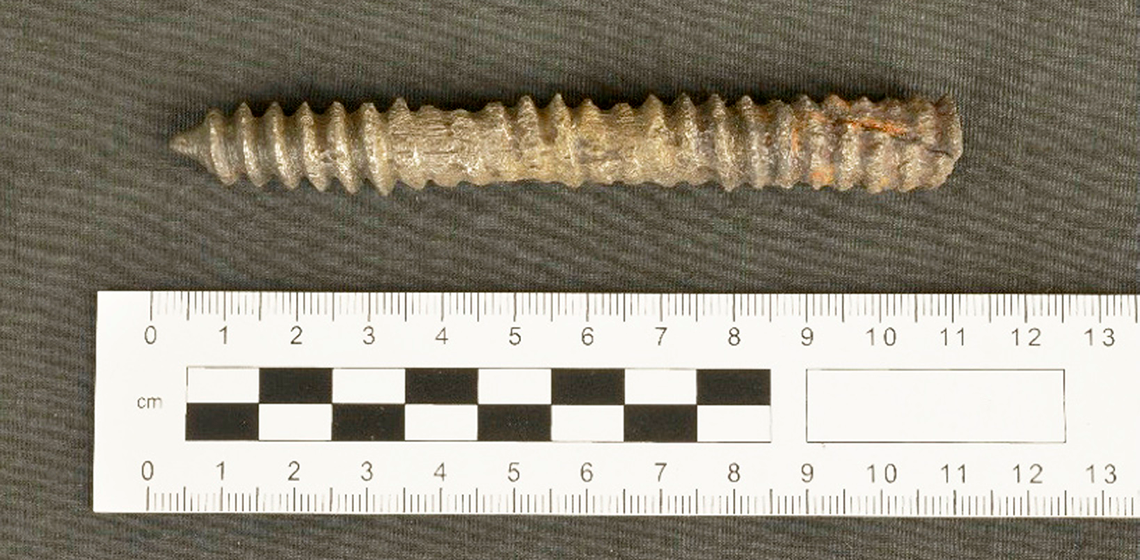
The production of Roman screws and screw threads is a topic that is largely absent in the archaeological literature. During the Roman period, small metal screw threads were used both as fastenings and to impart motion. This paper will show that it is possible to produce small metal screw threads using very simple technology that was well within the skill set of any competent metal worker...
The 2,500th Anniversary of the Battle of Plataea, 26-31 July 2022. Recreating the Cavalry
Publication Date
Introduction
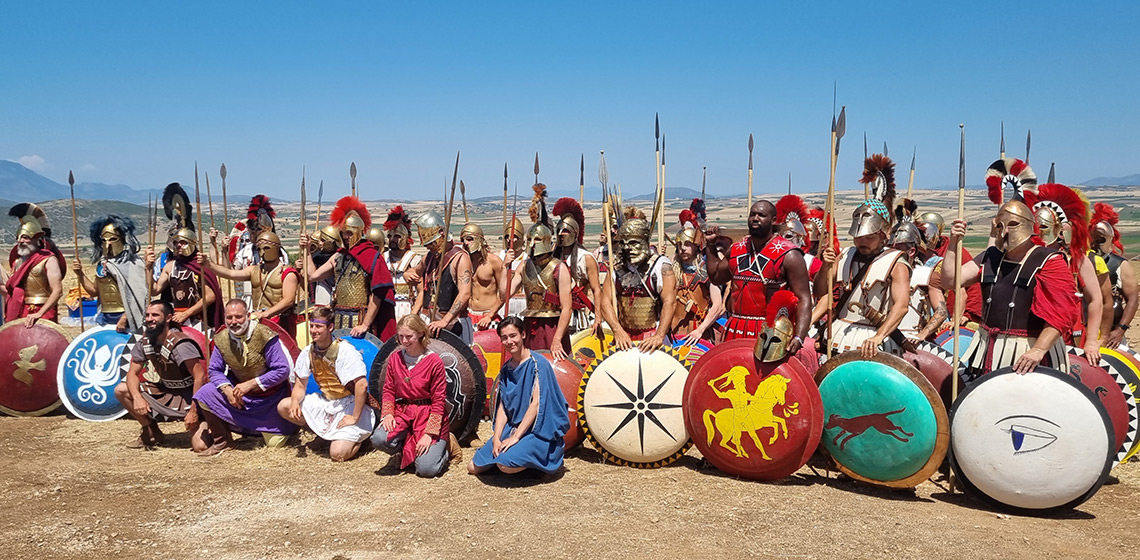
Delayed by the pandemic, the 2022 event was organised with the support of the local community, the Ephorate of Antiquities, and the re-enactment group ‘Hoplologia’ lead by Christian Cameron. Using re-enactors to commemorate their Classical history was, for a variety of political and religious reasons, an important step for the Greek authorities to take. Christian gathered around ninety very experienced and passionate re-enactors and reconstructors in Plataea from at least eight different counties, at their own expense.
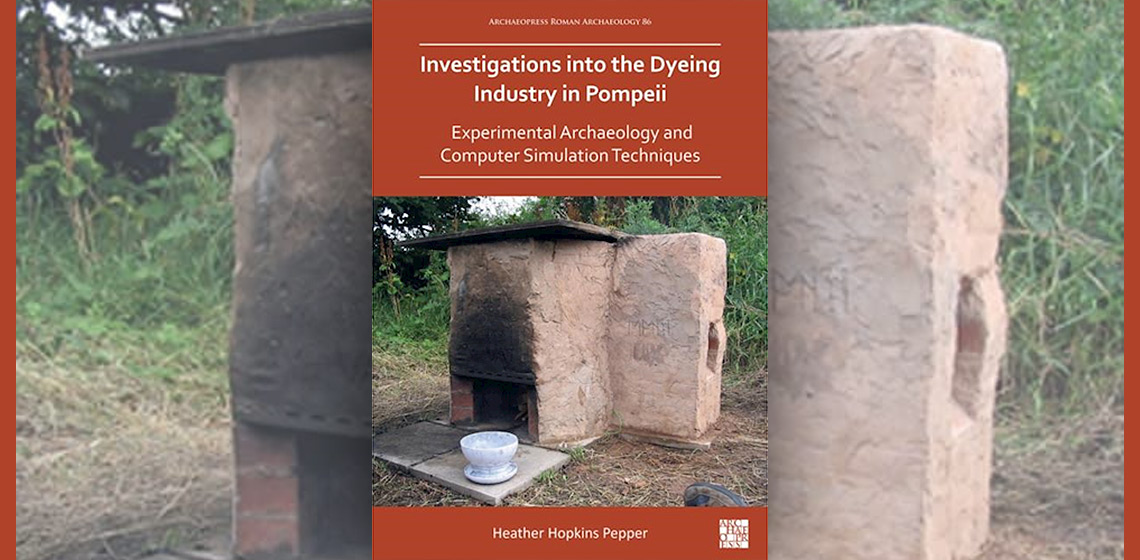
Book Review: Investigations into the Dyeing Industry in Pompeii by H. Hopkins Pepper
Publication Date
I was honoured to be asked to write a review on H. Hopkins Pepper´s “Investigations into the Dyeing Industry in Pompeii” as well as a bit nervous… Who am I, a non-scholar to write a review on a PhD. Then I realised that there might not be that many people who read this kind of literature for fun and on a regular basis. I still feel a bit like an imposter, but here is my view on the Hopkins´ book.
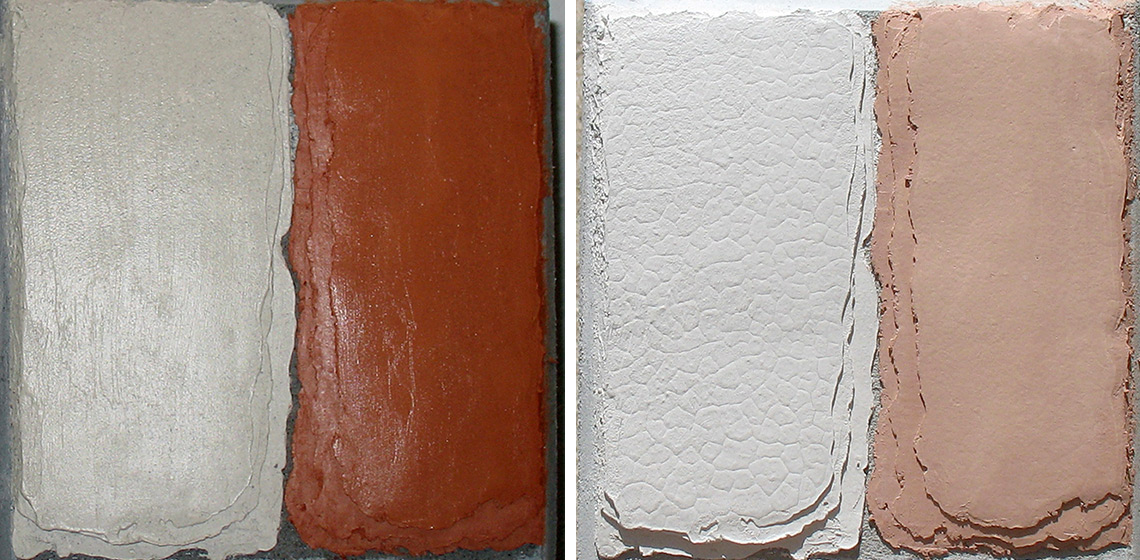
Experiments with Lime Mortars containing Charcoal and Ashes
Publication Date
We encountered a number of cases in the published archaeological studies where ashes and charcoal were used as aggregates in ancient lime mixtures. These mixtures were tested in a small number of experiments, and this paper presents the results. Our tests confirmed that charcoal retains moisture and can be used to help mortars retain water...