
container / vessel
Breaking the Mould: Production of Early Ceramic and Aceramic Forms at the Coves de Santa Maira
Publication Date
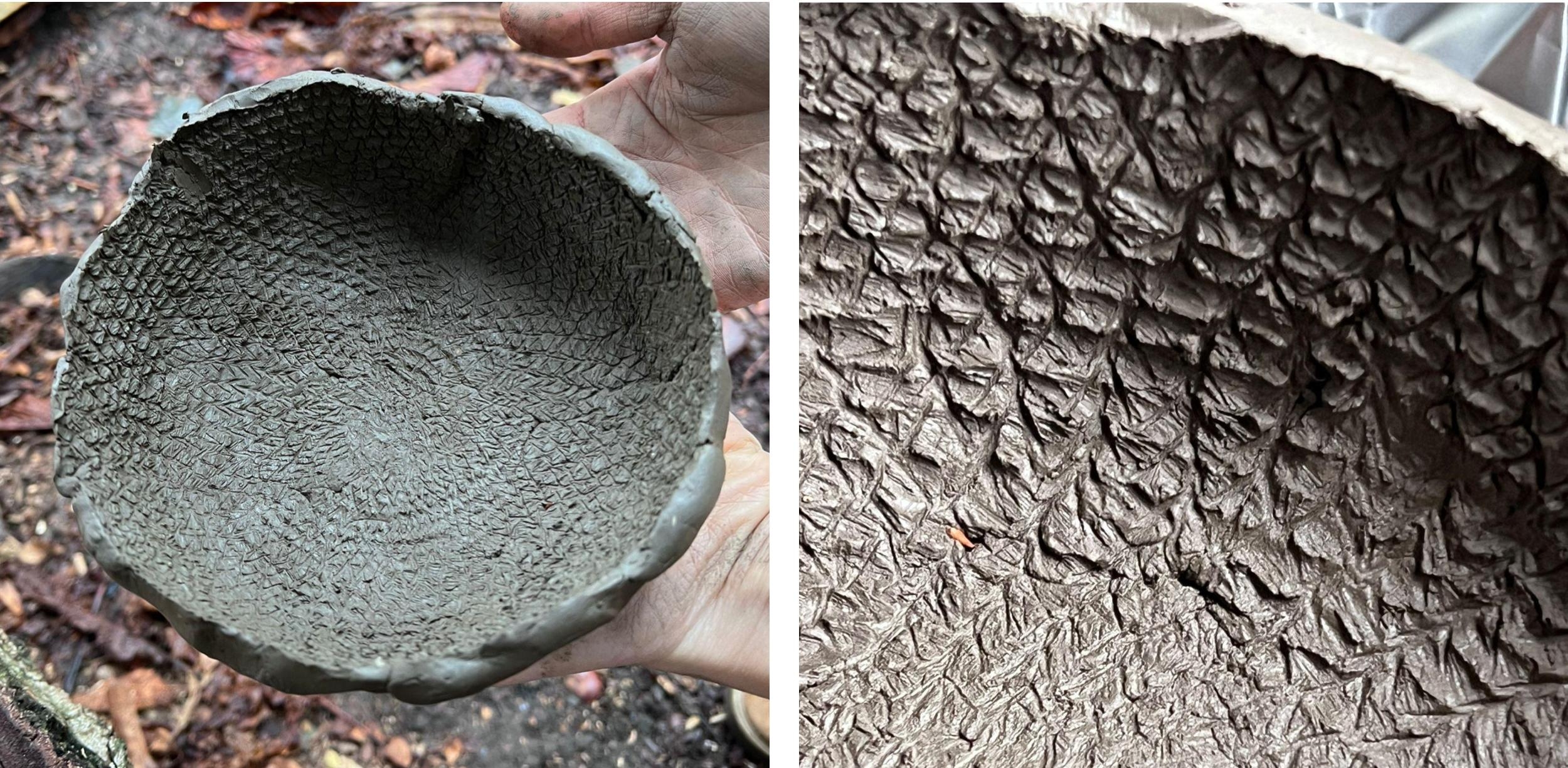
Ceramics are a keystone of early technological development for many ancient cultures, but their development is far from linear or simple. Ceramic artefacts, through examination of their production and use, give insights into many aspects of life by those who made and used them including cooking, food storage, mobility, pyrotechnology, art, and performance. Ceramic fragments uncovered at Coves de Santa Maira in eastern Spain may shed light on the early development and use of ceramic vessels in Western Europe during the Final Magdalenian, Epipaleolithic and Mesolithic (Aura Tortosa et al., 2019). Using experimental techniques, this article explores the production and use of various clay and ceramic forms of which the fragments were once a part...
Study on the Globular-Bellied Vessels of the Zhongshan State in the Late Bronze Age of China

Publication Date
To interpret the manufacturing techniques of globular-bellied vessels from the Zhongshan State of China’s Late Bronze Age (770 BCE–221 BCE), experimental reconstruction was carried out. Based on the experimental results, it can be concluded that these vessels were composed of three separate components: the lid, the spherical body, and the flared base, which were integrated into a single unit through a specialized assembly technique. Specifically, the three components were first individually fabricated, the spherical body and flared base were then polished and incised with decorative patterns before being bonded into an integrated unit. Finally, this unit was combined with the lid to form a complete vessel. It should be emphasized that...
Throwing Punic Amphorae: An Archaeological and Experimental Approach to the use of the Potter's Wheel in southern Iberia during the Iron Age
Publication Date
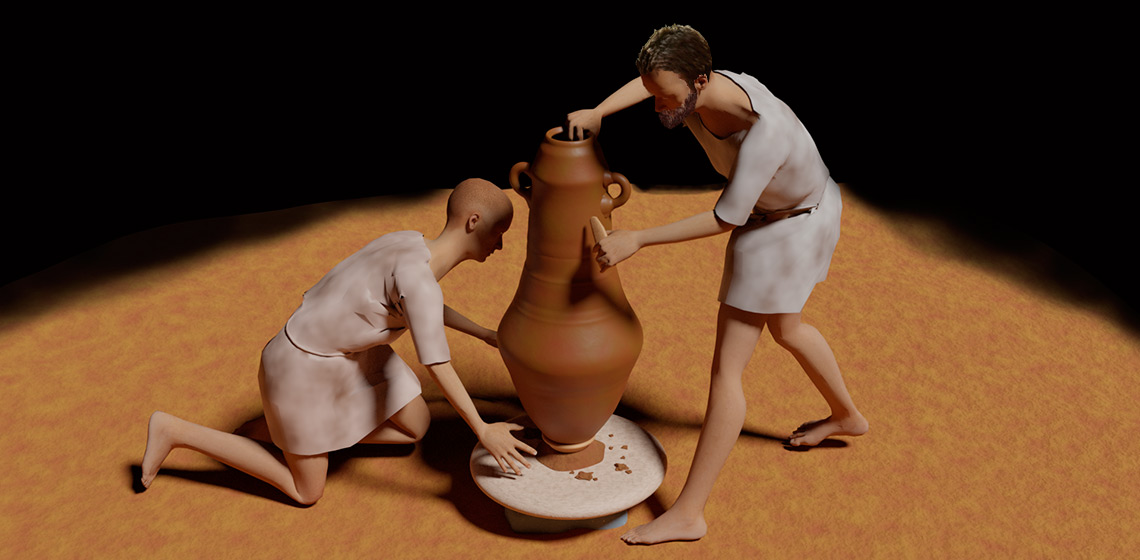
The transport of food products in amphorae was a basic pillar for the maritime-oriented economies and sustenance supplies of the Phoenician and Punic communities of first millennium BC southern Iberia. Over the last few decades, numerous investigations have been carried out aimed at identifying the manufacturing sites of these amphorae, at defining both their typological and chronological aspects...
Killing the Cauldron: Experimental Research on Dented Bronze Cauldrons from the (post)Medieval Period
Publication Date
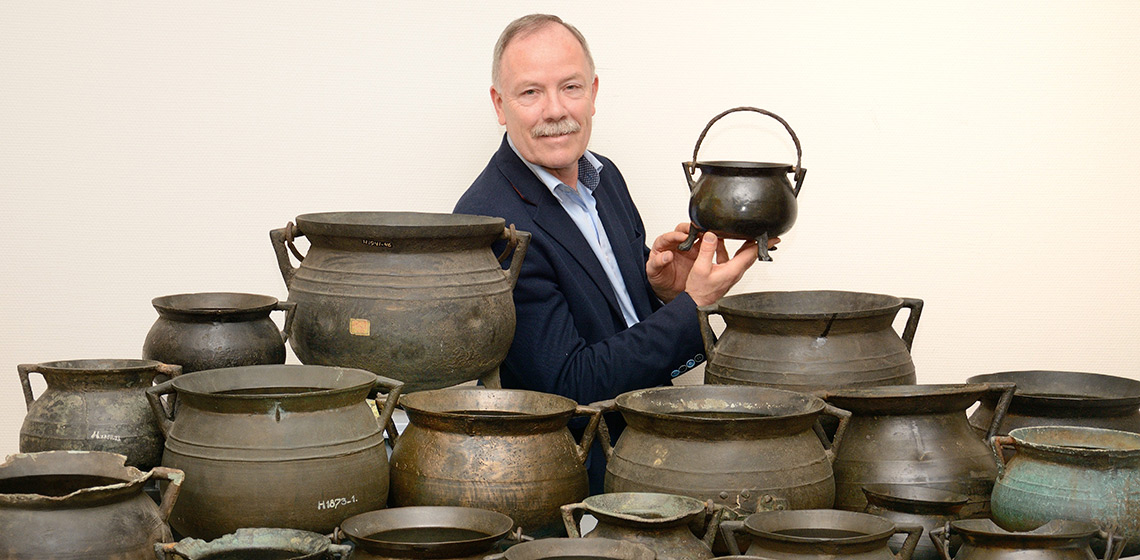
Bronze cauldrons from the late Middle Ages, and the 16th and 17th century are hardly ever discovered during archaeological excavations but are usually unearthed by detectorists having discovered the find of their life. Many of these vessels happen to be damaged. Sometimes one or two legs are lost, or a piece of the rim is missing, more often they exhibit one or more dents. We know that in prehistory the ritual...
Ancient Distillation and Experimental Archaeology about the Prehistoric Apparatuses of Tepe Gawra
Publication Date
11th EAC Trento 2019
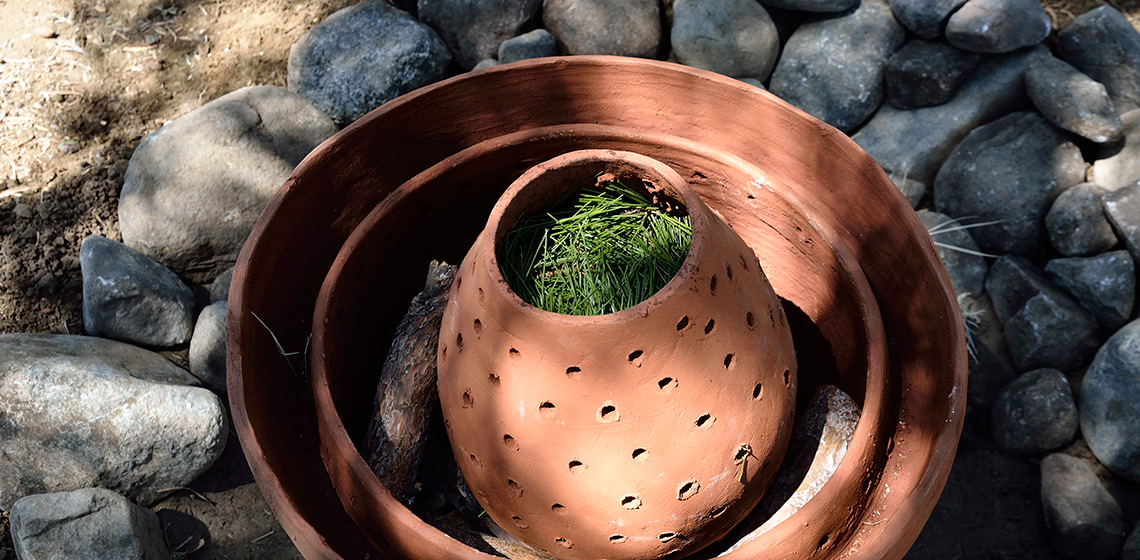
***The Perfume Theme Park Museum of Cyprus’ research protocol of Experimental Archaeology (https://www.perfumecypark.org), aims at verifying hypotheses of ancient perfume manufacturing processes, to formulate a possible comparison with modern realities derived from the island’s ancient cultural heritage. What has recently emerged...
***The Perfume Theme Park Museum of Cyprus’ research protocol of Experimental Archaeology (https://www.perfumecypark.org), aims at verifying hypotheses of ancient perfume manufacturing processes, to formulate a possible comparison with modern realities derived from the island’s ancient cultural heritage. What has recently emerged...
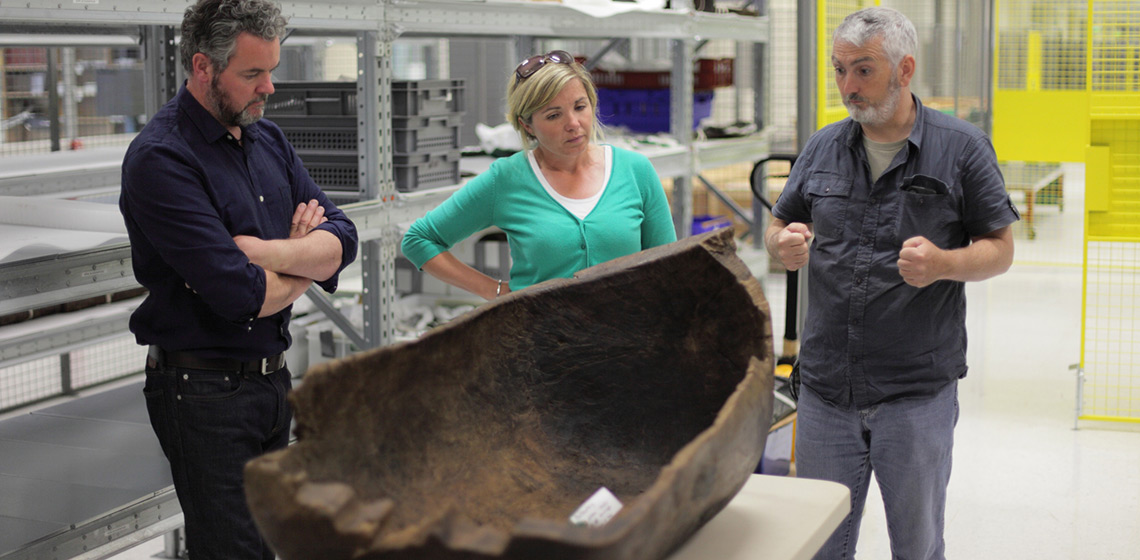
Making, Multi-Vocality and Experimental Archaeology: The Pallasboy Project
Publication Date
This paper outlines The Pallasboy Project, which set out to craft a replica of the eponymous Irish Iron Age wooden vessel. We consider the process and progress of the project, as it developed in a number of slightly unusual directions. The paper includes a description of the experimental work, alongside personal reflections and comments by...