
Czech Republic
Life of a Stone Axe. Chaîne opératoire of Neolithic Polished Stone Tools Based on an Archaeological Experiment. A view at the second life of polished tools from Czechia
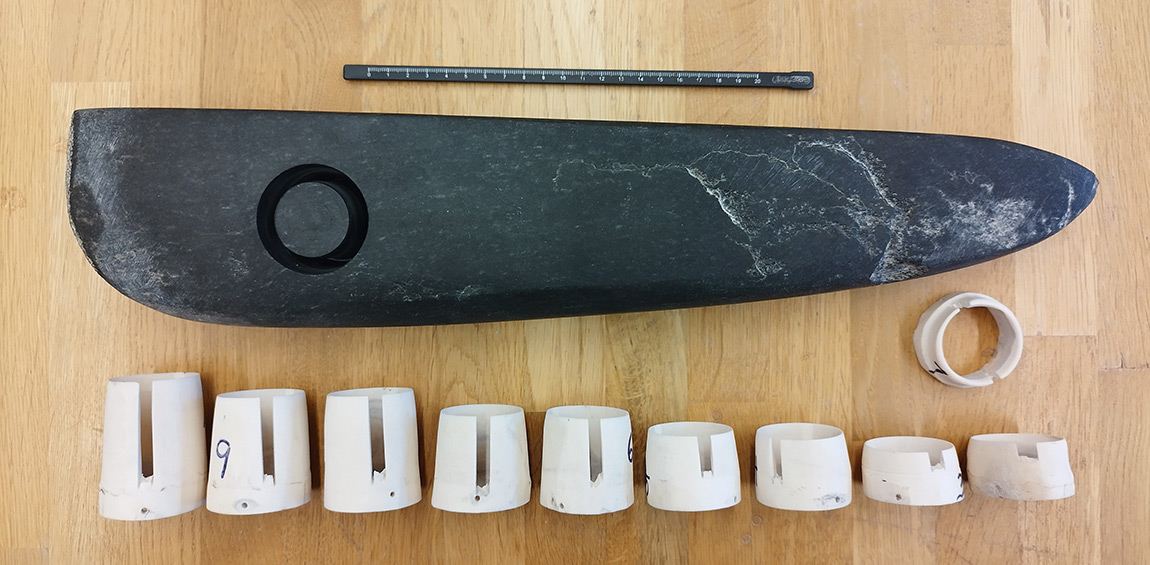
The aim of the project described in this article was to reproduce the life of polished stone tools from their manufacture, use and use after repair or as a new tool. The data resulted from eight years of detailed documented and time-demanding experiments (just drilling alone presents more than 2500 hours of work). Some of the results created a new view of the polished stone tools’ chaîne opératoire. In the Czech environment it especially concerns so called workshops on Neolithic settlements. Furthermore, the data from the experiments are compared to traces of manufacture and use on the original artifacts from Bohemia and Moravia.
The Art of Contrast: Experimental Insights into Partial Tinning on Roman Military Equipment
Publication Date
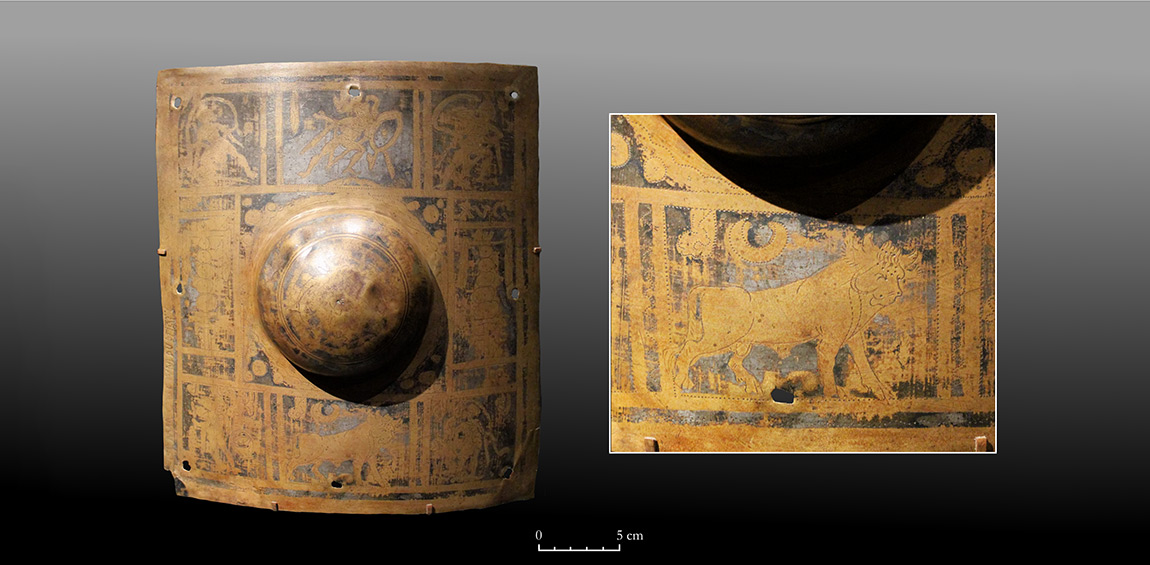
Roman armour was frequently richly decorated, with embossed designs being among the most striking examples. A more subtle technique, sometimes used alongside embossing, was partial tinning on copper alloys: the selective application of a tin layer to create a visual contrast with the base metal. Recent analysis reveals this method was more technically complex than previously assumed. This article presents experimental insights into how partial tinning could have been achieved using Roman-era technology...
Conference Review: The ICOM Museum Convention in Prague, August 2022
Publication Date
The International Council of Museums, ICOM, has a habit of meeting every three years in a large General Conference. The last time was in Kyoto, Japan, in 2019. EXARC was present there, and we witnessed a heavy debate on the museum definition, but also spoke with many museum professionals from Japan and abroad. We worked in close cooperation with ICOM Netherlands that time...
What was *platъ and how Did it Work? Reconstructing a Piece of Slavic Cloth Currency
Publication Date
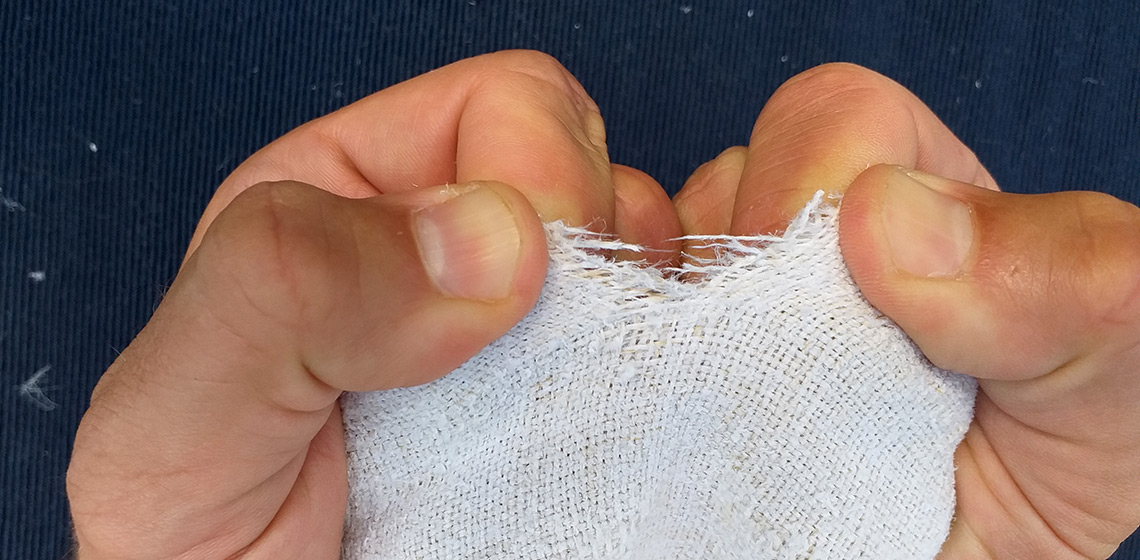
Using a credit theory of money, we propose that at least some Slavic tribal communities underwent a process of social monetization. In order to fully support this hypothesis, however, many linguistic and historiographic sources would need to be discussed – a task which exceeds the scope of a single article. Therefore, we will here focus on examining (from technical perspective) the oldest type of “money” mentioned by Slavic tribal communities, which we interpret as physical records of mutual obligations.
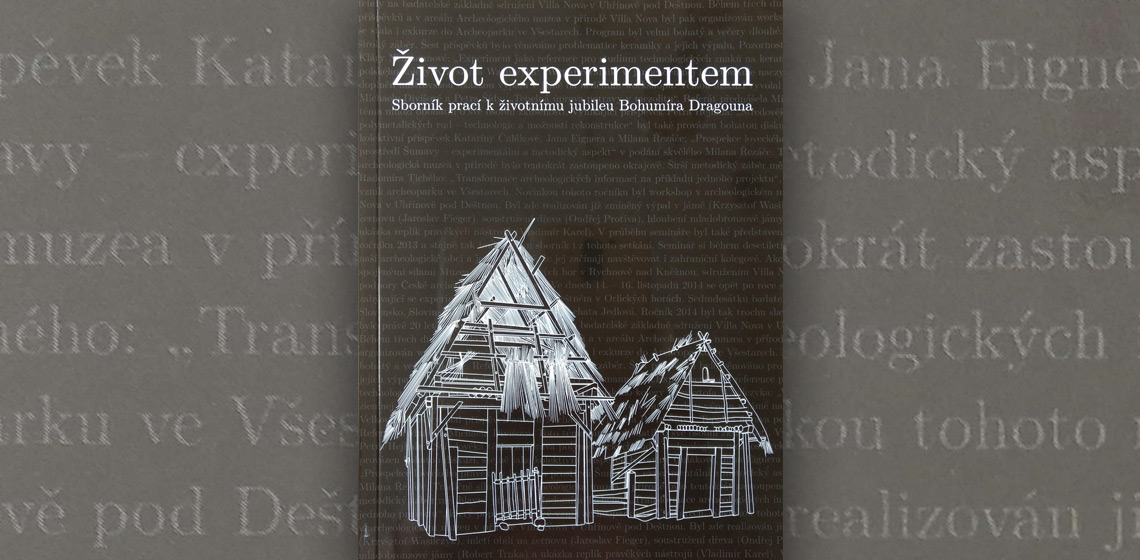
Book Review: Zivot experimentem. Sbornik praci k zivotnimu jubileu Bohumira Dragouna
Publication Date
This publication was created on the occasion of the 50th anniversary of the eminent Czech archaeologist and experimenter Bohumír Dragoun. In its 168 pages the book looks at his life, and also at the increasingly popular interactive museums and experimental activities in archaeology...
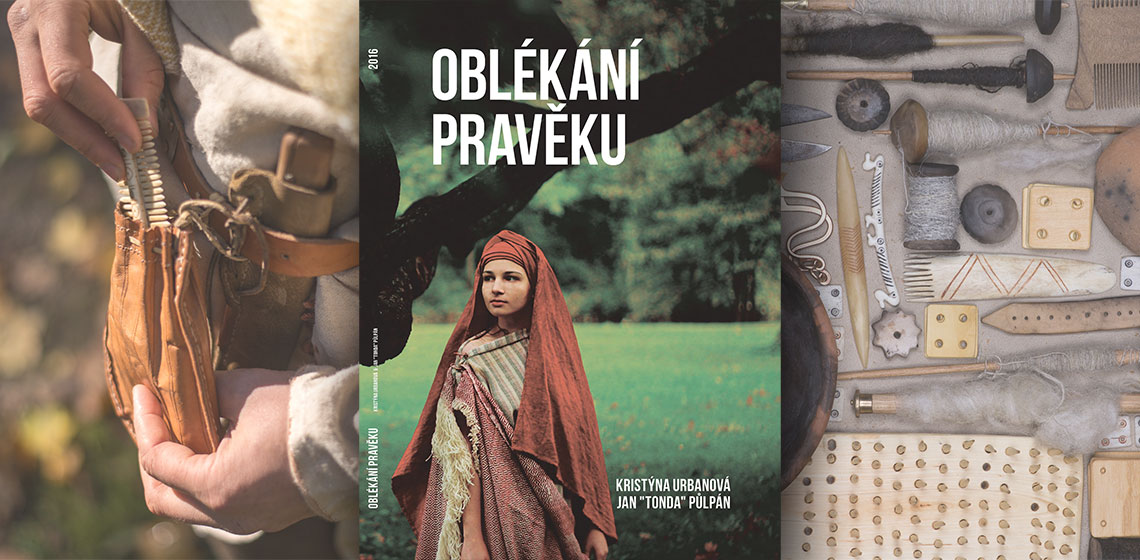
Book Review: Dressing Prehistory (Oblekani Praveku) by K. Urbanová and J. T. Pulpán
Publication Date
A unique popular education publication called Oblékání pravěku (Dressing prehistory) has appeared on the Czech book market. It is a work by archaeologist Kristýna Urbanová, and Jan T. Půlpán, an experienced experimenter. At first glance the book attracts attention with an unusually large format, well chosen because of the foundation elements of the publication – colour photographs...
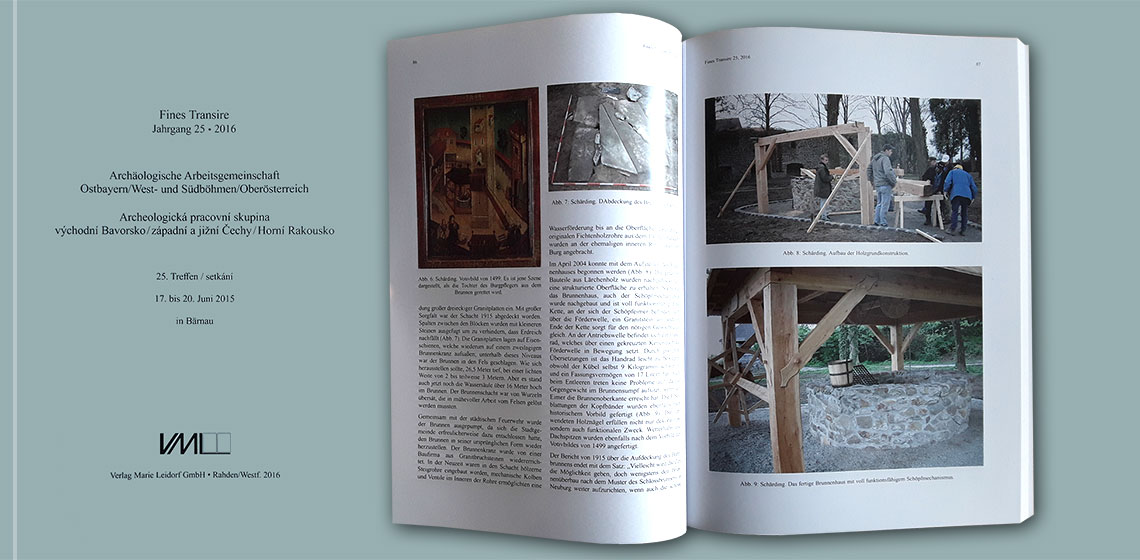
Book Review: Proceedings of the 25th Meeting of Archaeologists from Germany, the Czech Republic and Austria
Publication Date
On the 17th – 20th June 2015 40 participants of the 25th Archaeological working group East Bavaria/ West and south Bohemia/ Upper Austria, were hosted by the Upper Palatinate town Bärnau which lies on the border with the Czech Republic. The meeting took place in the conference hall of the Historic Park Bärnau-Tachov, a remarkable archaeological open-air museum which demonstrates...
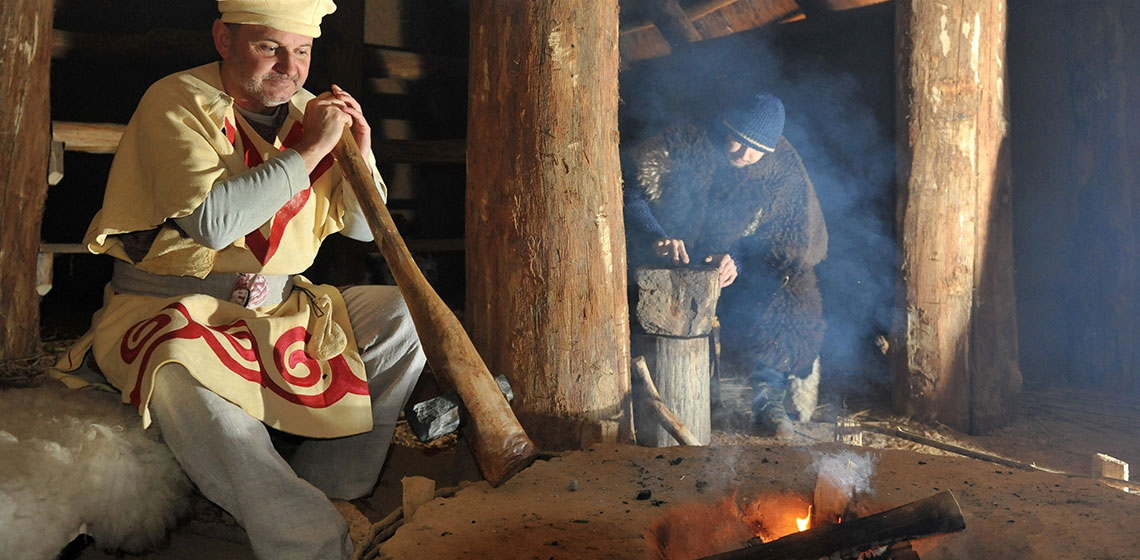
“Days of Living Archaeology” at the Prehistoric Archaeopark Vsestary, Czech Republic
Publication Date
Until recently, the presentation of archaeology in the Czech Republic was solely connected to classic museum exhibitions. Unfortunately, not all museums have archaeological exhibitions. For example, the National Museum in Prague currently does not have any, not even temporary, archaeological exhibition due to the reconstruction of the historical building...
Experimental Production of High and Late Medieval Pottery at the Scientific Research Centre in Panská Lhota
Publication Date
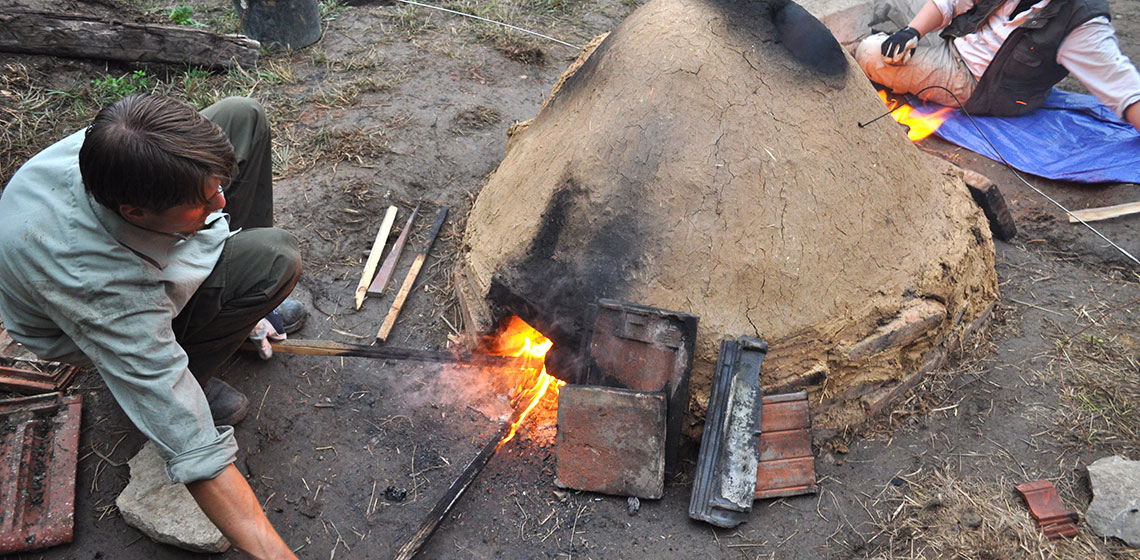
Experimental pottery production at the scientific research centre of the Institute of Archaeology and Museology at the Masaryk University Faculty of Arts (from here on ÚAM) in Panská Lhota began in the summer of 2012. The primary target of the experimental pottery production was an attempt to understand the manufacturing process...
A Course in Experiential Archaeology at an Archeopark as a Part of Active University Education
Publication Date
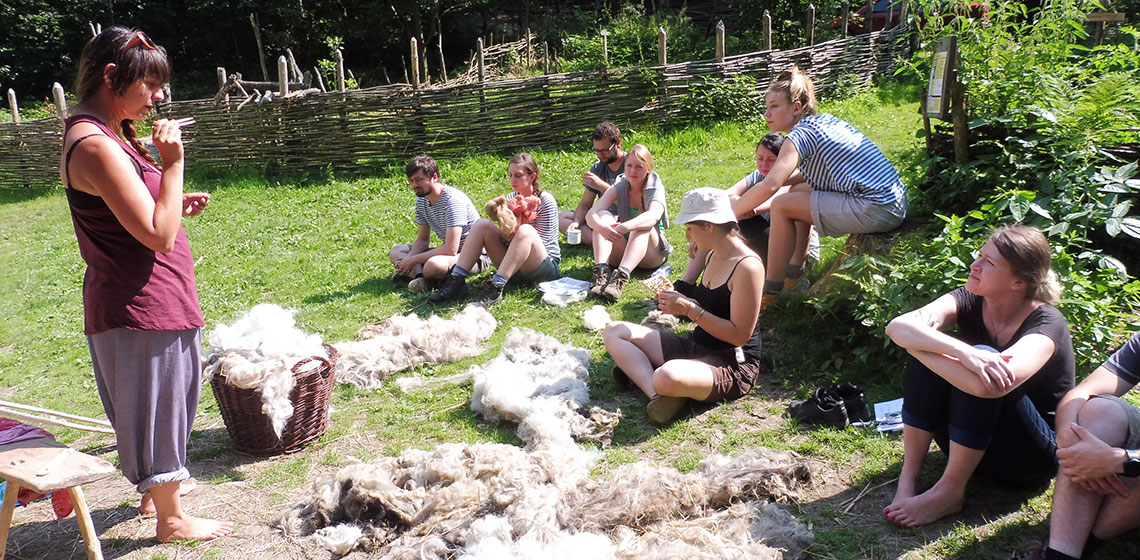
As with any other science, archaeology constantly adopts new methods and trends over time. University education in the field can be very helpful advancing sciences in every country. This type of education influences the early stages of future top scientists and forms their future careers. Therefore, education should reflect not only scientific innovations but also innovative educational methods...