

The content is published under Creative Commons Attribution 4.0 International license (CC BY 4.0).
Unreviewed Mixed Matters Article:
Conference Review: CIMA, Germany, March 5–8, 2026
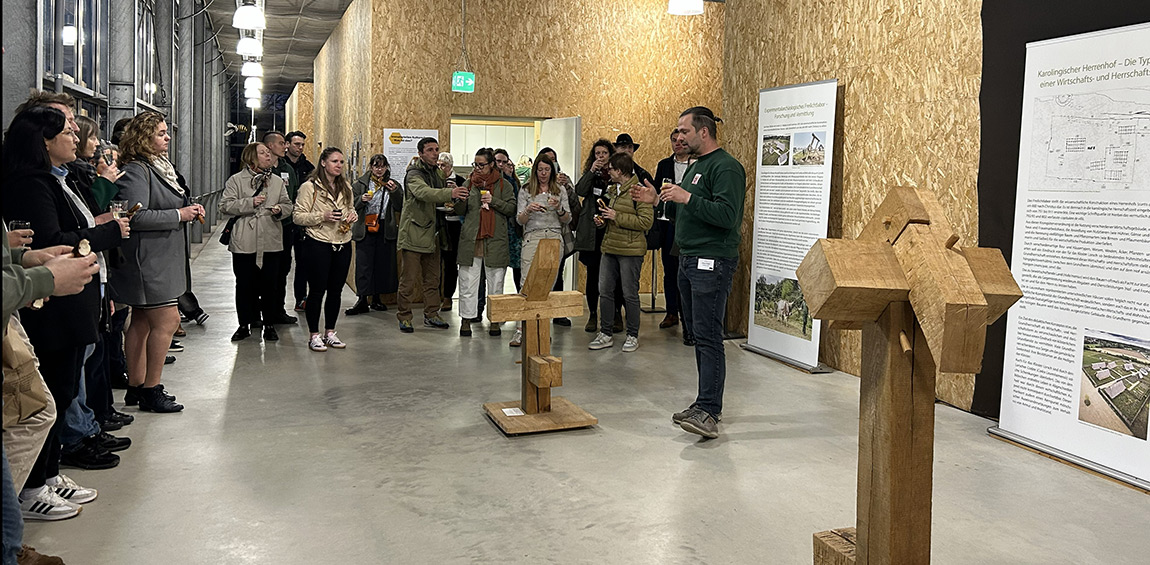
Congress of International Agricultural Museums (CIMA), Lorsch, Germany | March 5–8, 2026
The CIMA 2026 Conference brought together museum professionals, researchers, practitioners, and heritage specialists from across the world for four days of intensive exchange on agricultural and intangible cultural heritage. Hosted in Lorsch, with key venues including the Museumszentrum Lorsch and the Lauresham Open-Air Laboratory, the conference was characterized by a warm and collegial atmosphere, encouraging open dialogue and active participation across disciplines and national traditions.
From the outset, the conference fostered a sense of shared purpose. Informal conversations during coffee breaks, shared meals, and evening receptions complemented the formal programme and created excellent opportunities for networking. Participants repeatedly emphasized the value of meeting colleagues facing similar challenges in museum practice, documentation, and interpretation, particularly in relation to living heritage and sustainability.
Structure and Thematic Focus of the Programme
The conference programme combined working groups, paper sessions, keynote lectures, and field-based activities. This structure allowed for both in-depth thematic discussion and practical engagement. Core topics included sustainability and climate action, safeguarding and documenting intangible cultural heritage, changing perspectives in museum work, and strategic challenges for agricultural museums.
The working groups on Friday created a particularly productive framework for discussion. Topics such as Living Animals in Museums , Working Animals , Women in Agriculture , and Identifying and Cataloguing Historic Agricultural Equipment enabled participants to exchange concrete experiences, methodological approaches, and institutional strategies. The working group on Trades and Skills in Agriculture explored issues of agricultural intangible heritage related to animal husbandry for the preservation of historic landscapes as well as approaches of using Experimental Archaeology as a methodology in the classroom. The latter approach enables pupils to engage with topics on a deeper, practical and therefore more involved level and fosters critical thinking. In the working group on 21 st Century challenges in Museum Practice the keyword that came up repeatedly were sustainability, using agricultural museums to engage on issues of the loss of biodiversity, repairing the disconnect between human and nature, learning skills we might need to survive in the future, budget cuts and engaging with controversial topics.
Relevant Topics and Quality of Discussion
The paper sessions on Saturday demonstrated the high relevance and topicality of the conference contributions. Presentations addressed pressing issues such as climate change, sustainable land use, the documentation of intangible cultural heritage, and the role of museums as active agents in societal transformation. Keynotes and panels highlighted how agricultural heritage knowledge can contribute to present-day ecological and social challenges, while also reflecting critically on the limits and responsibilities of museums.
Discussions following the papers were notably engaged and thoughtful. Speakers and audiences alike contributed perspectives from archaeology, ethnography, agricultural history, museum studies, and hands-on practice. This interdisciplinary exchange strengthened the analytical depth of the conference and encouraged participants to reflect beyond their own institutional contexts.
Commonalities Between Open-Air Museum Types
In several discussions and papers, the common ground between archaeological open-air museums and ethnographic or agricultural open-air museums became apparent. These institutions share core challenges: the interpretation of past practices through material remains, the upkeep and maintenance of buildings, the integration of experimental and living-history approaches, and the ethical and practical dimensions of working with living animals, crafts, and landscapes.
The Lauresham Open-Air Laboratory provided an ideal setting to explore these commonalities in practice. Experimental archaeology, historical agriculture, and ethnographic interpretation intersected visibly, illustrating how collaborative approaches can enrich research, documentation, and public engagement alike.
Field Day and Living Heritage in Practice
The final day of the conference, dedicated to a Field Day celebrating intangible cultural heritage, offered a strong and memorable conclusion. On-site farming presentations and guided tours translated the theoretical discussions of previous days into tangible experience. Particularly impactful were the real ploughing demonstrations with oxen, which vividly illustrated the embodied knowledge and skills discussed throughout the conference.
Further highlights included sheep dog trials, showcasing traditional herding practices, and a wide range of Living History demonstrations like textiles, blacksmithing and historical cooking. These activities not only engaged conference participants but also demonstrated effective ways of communicating complex heritage practices to broader audiences. The Field Day underscored the importance of practice-based interpretation and confirmed the relevance of living heritage approaches for both archaeological and agricultural museums.
Conclusion
Overall, CIMA 2026 was a highly successful conference, distinguished by its excellent atmosphere, strong professional networking, relevant and forward-looking topics, and consistently high quality of discussion. By combining scholarly debate with hands-on demonstrations and field-based experiences, the conference convincingly demonstrated the value of integrating tangible and intangible heritage, research and practice, and different types of open-air museums. The insights and connections gained during the conference will provide lasting impulses for future collaboration and innovation within the international agricultural museum community.
Keywords
Country
- Germany