

EXARC Journal

The content is published under a Creative Commons Attribution Non-Commercial 4.0 License.


Themed Collections:

Kiernan Experimental Archaeology Award
Featured

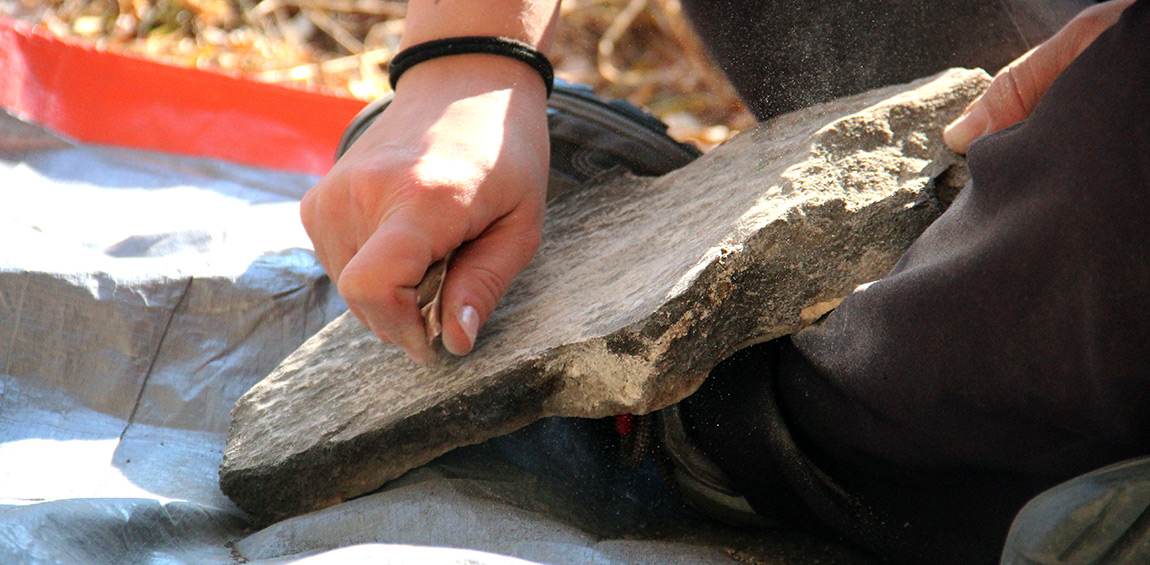
Between Function and Symbolism: Experimental insights from Mghvimevi
Author(s)
Aleko Zavradashvili 1, 2 ✉,
Levan Losaberidze 2, 3,
Mariam Kokhreidze 1,
Tatia Mamalashvili 4,
Vladimer Kenkadze 1
Publication Date
The Mghvimevi engravings represent the oldest known rock art in Georgia, dating to the Upper Palaeolithic. Fieldwork campaigns revealed 30 grooves consisting of parallel and intersecting lines. The nature of these grooves raises questions about whether they represent intentionally produced symbolic art or incidental traces of utilitarian activity. To address this issue, an experimental archaeology project funded by EXARC was undertaken...

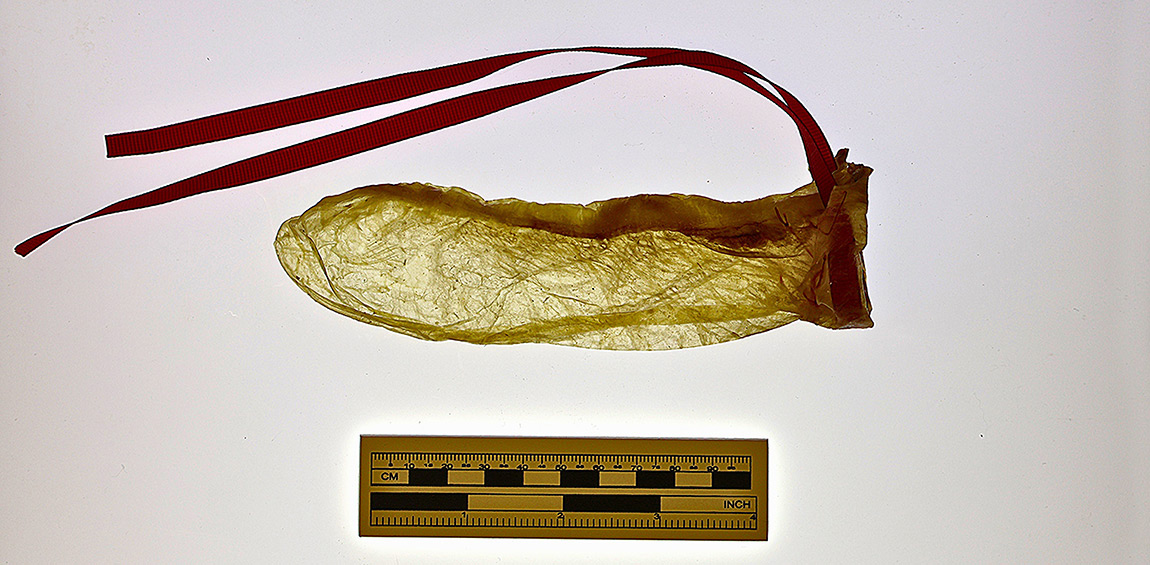
Certain Small Contrivances. Recreating an Intestinal Condom Recipe to Determine the Potential Effects of Manufacturing on Zooarchaeology by Mass Spectrometry (ZooMS)
Author(s)
Elizabeth G. Tarulis 1 ✉,
Taylor Bowden-Gray 1,
Brigid M. Ogden 1
Publication Date
Skin and membranous artifacts are rarely recovered from archaeological excavations due to taphonomic processes that result in rapid decomposition. These classes of artifacts can, however, occasionally be preserved in extreme conditions such as waterlogging, freezing, and dry environments. One such artifact is likely an intestinal condom recovered from a well at the Oxon Hill/Addison Plantation site (18PR175; ca. 1685-early 20th c.) in Maryland, United States...

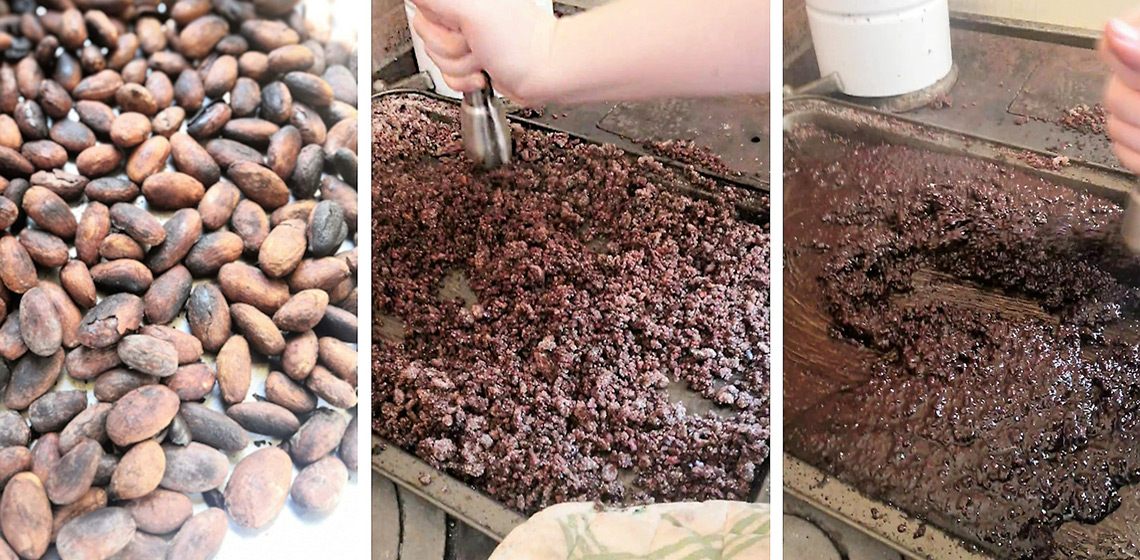
Experimental Archaeology and the Sustainability of Dental Calculus Research: The Case of Chocolate and the Nuns Of S. Maria Della Stella’s Church, Saluzzo, Italy
Author(s)
Sarah Sandron 1 ✉,
Anita Radini 2,
Dominique Scalarone 3,
Beatrice Demarchi 1,
Rosa Boano 1,
Alison Beach 4,
Cynthianne Spiteri 1
Publication Date
In Italy, chocolate (Theobroma cacao L.) was introduced during the Columbian exchange, and it quickly became both an important and accessible part of the Italian culinary tradition. Today, Italy is Europe’s second-largest chocolate producer...

Can Experimental Archaeology Confirm Ethnographic Evidence? The Case of Aboriginal Boomerangs Used as Retouchers

Author(s)
Eva Francesca Martellotta 1, 2
Publication Date
In this article, an experimental programme is used to examine how boomerangs may be used to retouch stone tools. The programme's findings confirm ethnographic data pertaining to the employment of hardwood boomerangs in retouching activities and investigate their technological similarities to Palaeolithic bone retouchers...

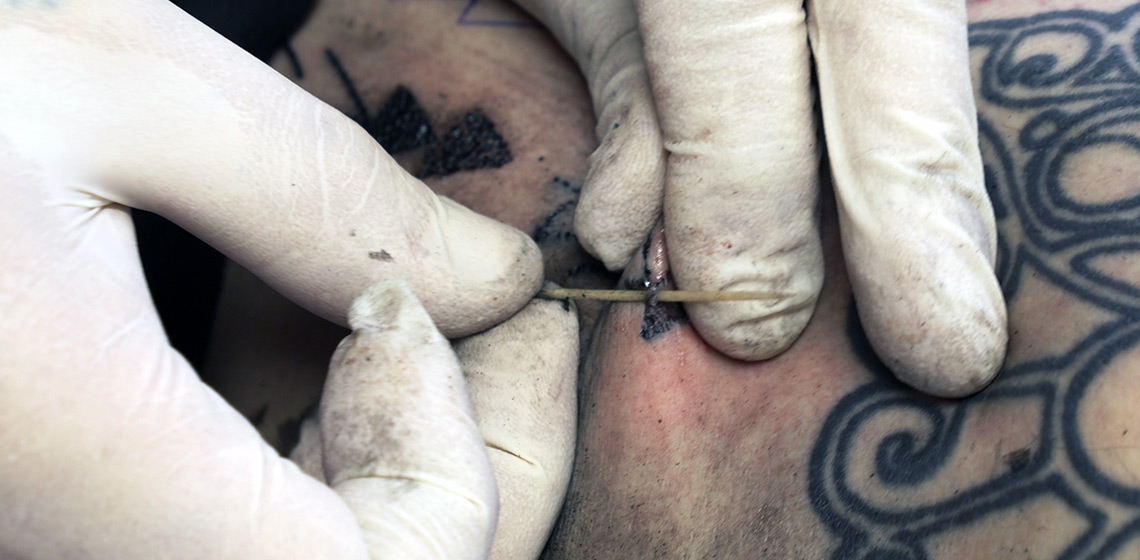
Examining the Physical Signatures of Pre-Electric Tattooing Tools and Techniques
Author(s)
Aaron Deter-Wolf 1 ✉,
Danny Riday 2,
Maya Sialuk Jacobsen 3
Publication Date
This paper presents the first experimental archaeological study to formally compare the physical characteristics of tattoos made on human skin using multiple pre-modern tools and tattooing techniques. Our project used eight tools fashioned from animal bone, obsidian, copper, and boar tusk, along with a modern steel needle, to create tattoos on the leg of co-author Danny Riday...