
The content is published under Creative Commons Attribution 4.0 International license (CC BY 4.0).
Themed Collections:
Throwing Sticks
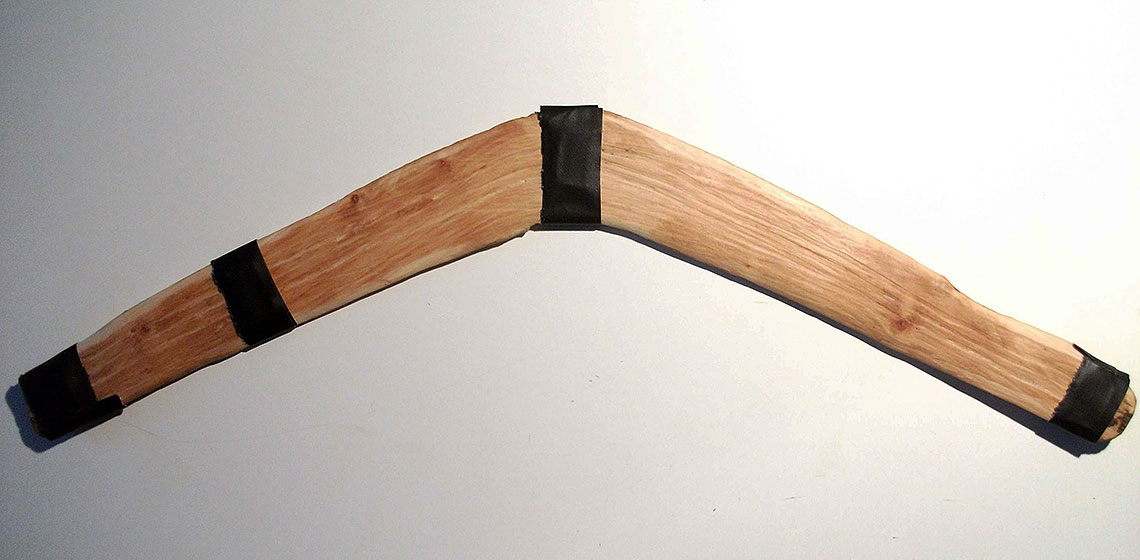
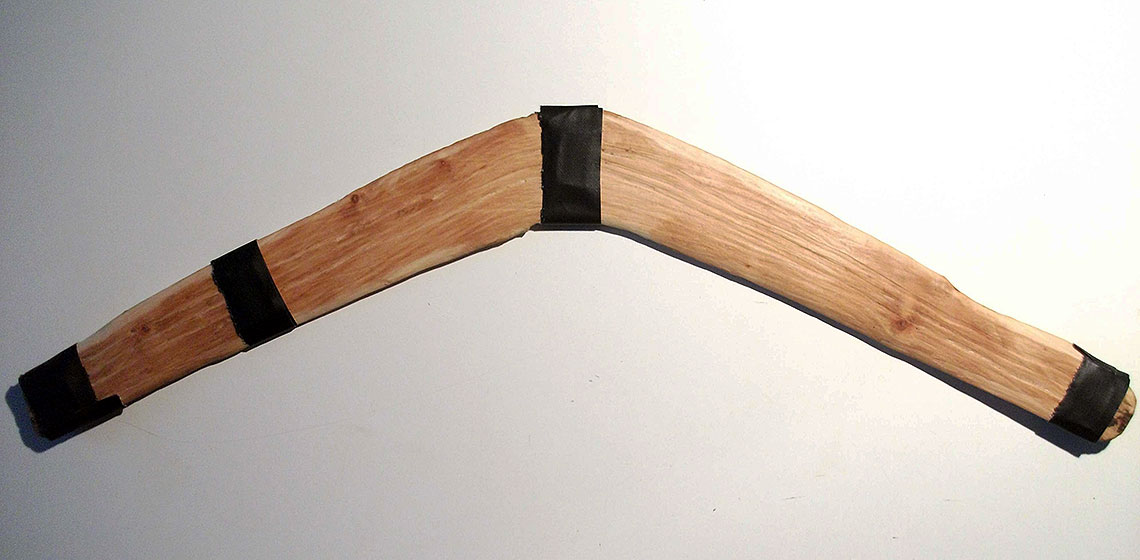
Throwing sticks are among humanity’s most versatile and enduring tools, found across cultures and time periods in many shapes and functions. More than simple projectiles, they reflect refined knowledge of aerodynamics, woodworking, and local environments. Used for hunting, daily tasks, and at times symbolic purposes, their adaptability - from straight clubs to returning forms - reveals deep technological creativity. Recent interdisciplinary research, from experimental archaeology to advanced material analysis, is renewing our understanding of how these tools were made, used, and valued. This Themed Collection of the EXARC Journal articles explores their significance, showcasing the ingenuity embedded in these deceptively simple objects.
Featured
Investigation of the Practical Functions of Fluting on Throwing Sticks and on Other Ethnological Wooden Artefacts
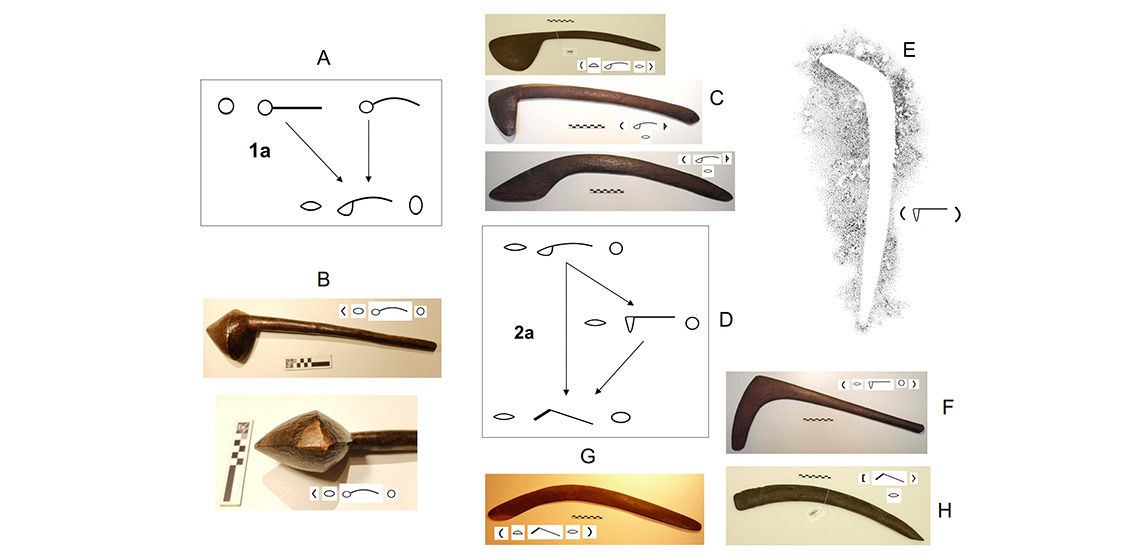
A Scheme of Evolution for Throwing Sticks
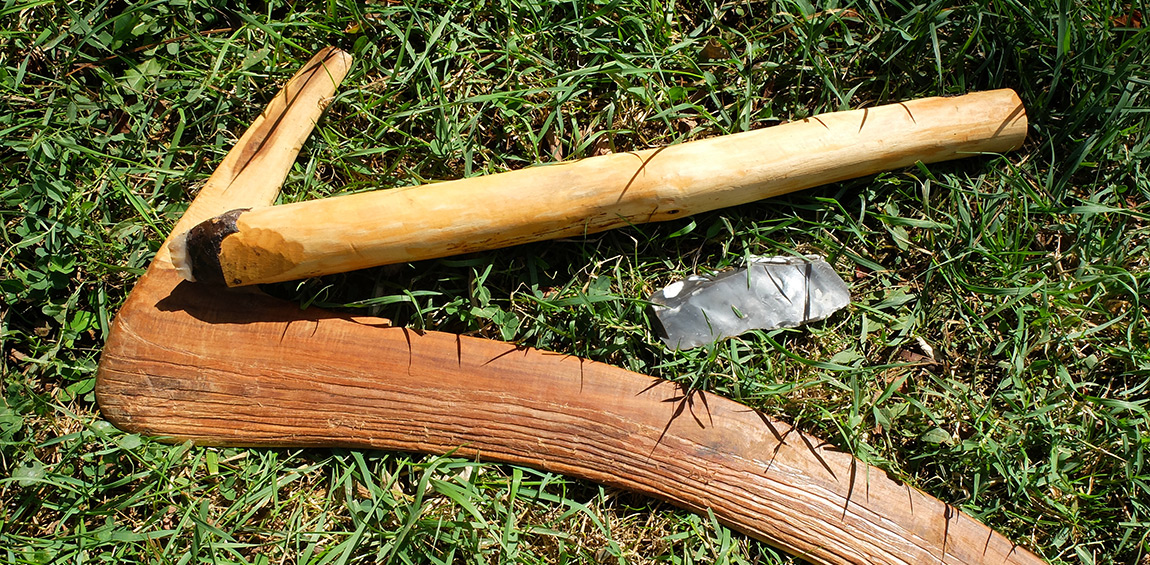
Can Experimental Archaeology Confirm Ethnographic Evidence? The Case of Aboriginal Boomerangs Used as Retouchers

Traces of Manufacture, Use, Repair and Modification Observed on Ethnographic Throwing Sticks and Boomerangs
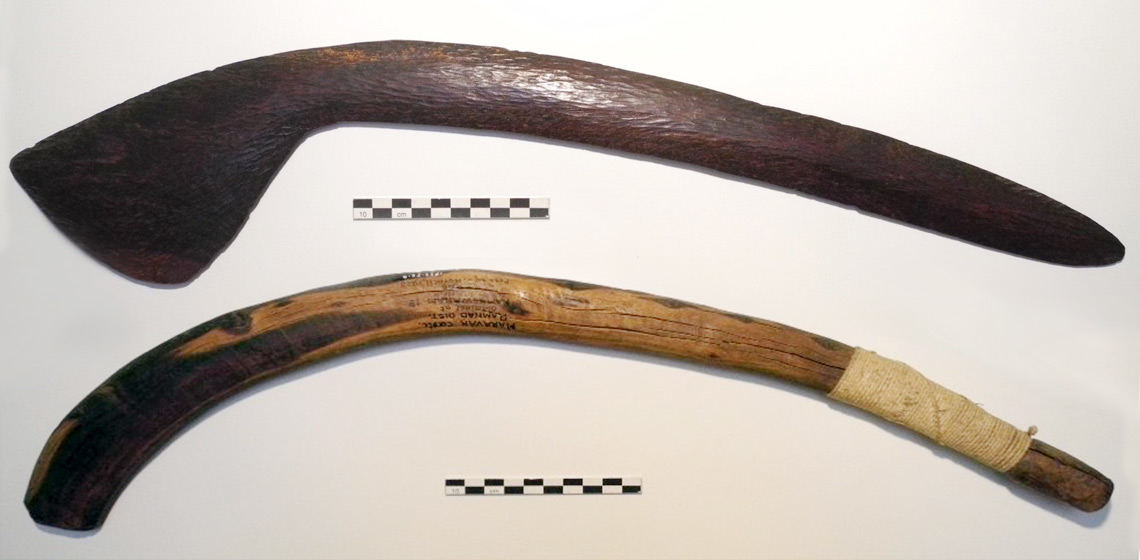
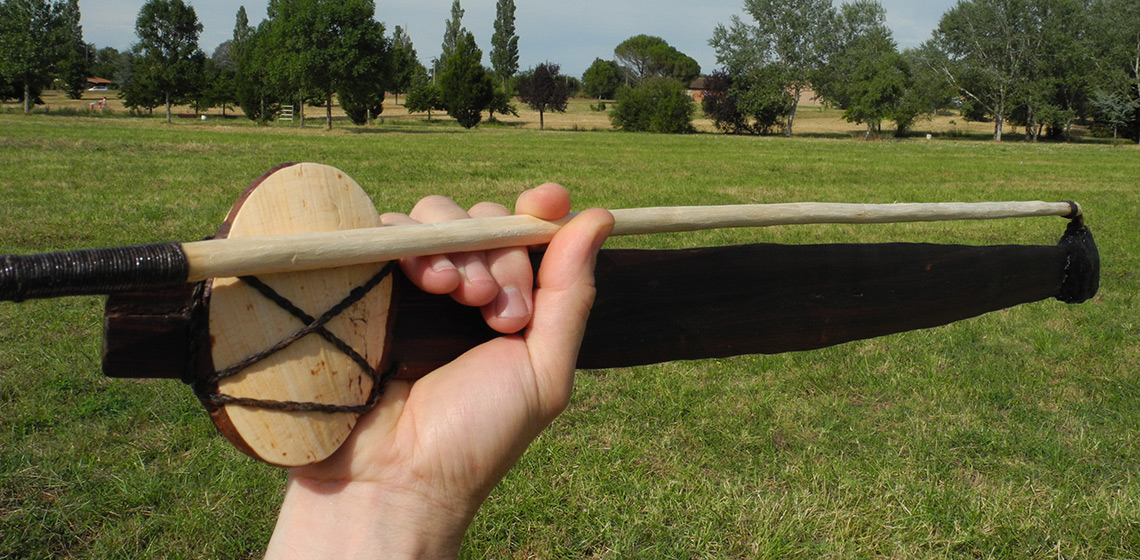
Throwing Stick to Spear Thrower - Study of Ethnographic Artefacts and Experimentation
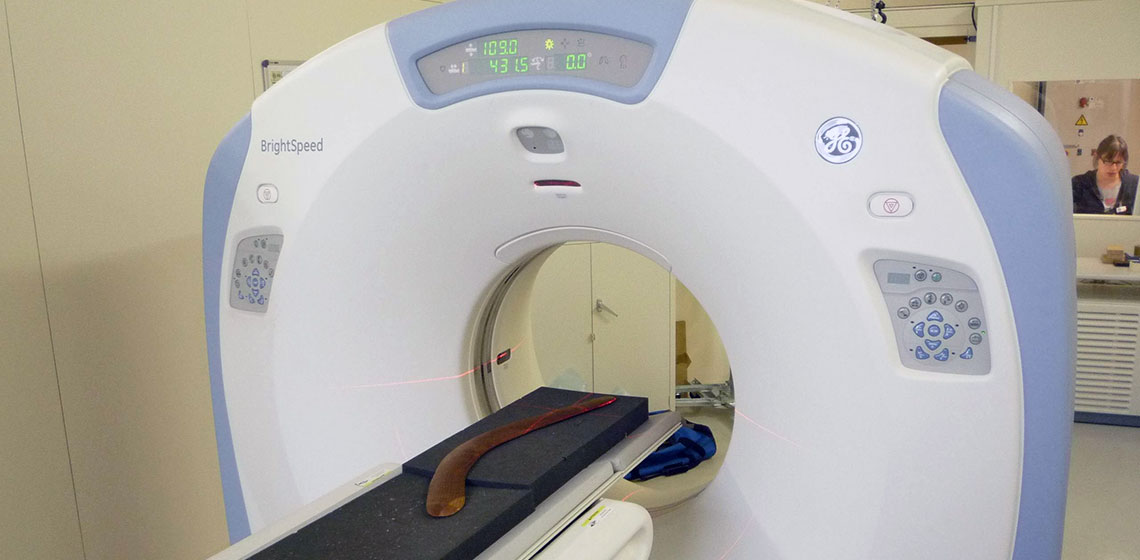
X-Ray Tomography and Infrared Spectrometry for the Analysis of Throwing Sticks & Boomerangs
In 2009, confronted to the study of throwing sticks collections from several museums and private collections (including more than three hundreds artefacts) and the need to evaluate their aerodynamic and functions, I developed a throwing stick classification and a methodology to measure their characteristics (Bordes, 2014). This approach is complementary to the gathering of ethnographic or archaeological contextual data to confirm or invalidate hypotheses about theirs functions.
A Gaulish Throwing Stick Discovery in Normandy: Study and Throwing Experimentations