
fire
Examination of Bone Alterations Through Experimental Burning of Animal Carcasses: A Preliminary Study in Japan
Publication Date
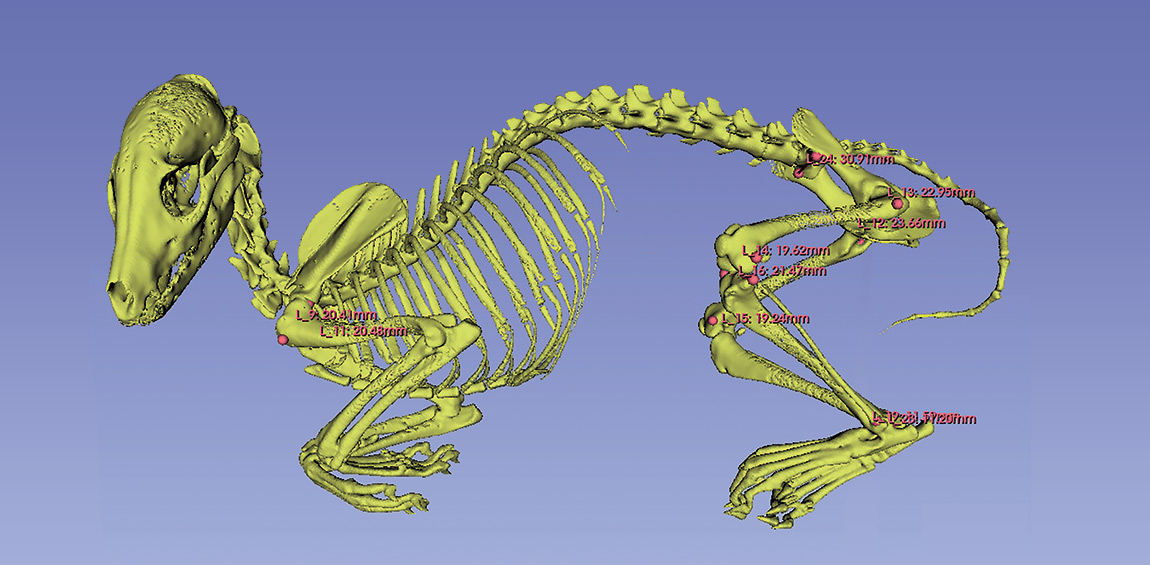
Burned human remains, suggesting the presence of different burning processes, have been reported from Late Jōmon period sites in Japan. Compared with Western countries, however, experimental research in Japan aimed at clarifying the causal relationship between burning conditions and bone alterations remains limited. Consequently, determining which specific burning conditions account for the morphological variations observed in archaeologically burned human bones continues to pose a challenge. This study conducted four controlled burning experiments to compare the effects of different burning conditions on bone alterations, using animal carcasses with soft tissue as well as defleshed and defatted bones...
Preservation Biases in Polycyclic Aromatic Hydrocarbons and their Implications for Identifying Archaeological Fire Use
Publication Date
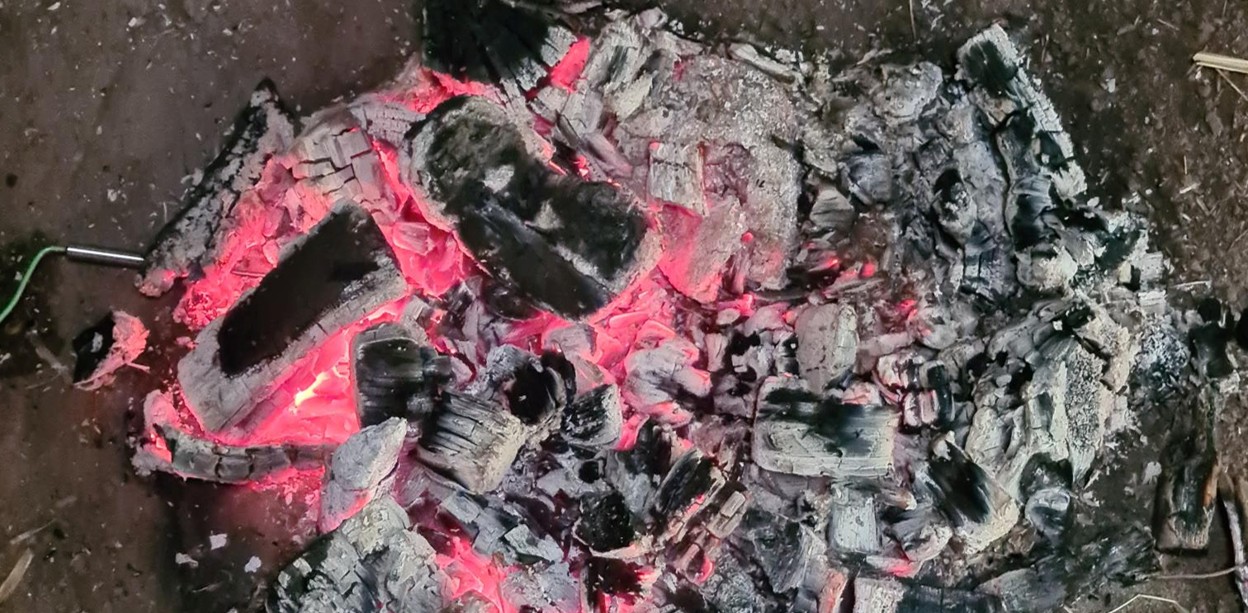
Polycyclic aromatic hydrocarbons (PAHs) are increasingly used to identify fuel sources, combustion conditions, and anthropogenic fire use in archaeological soils and sediments, yet the extent to which post‑depositional processes alter PAH profiles in archaeological combustion features remains poorly understood. This experimental study examines the short‑term preservation and taphonomic behaviour of PAHs within an experimentally produced Palaeolithic style hearth over a one‑year period. Fourteen controlled fires using wood, grasses, dung, and fresh bone were conducted in a semi‑enclosed prehistoric shelter, and soil samples were collected immediately after burning, then at 3‑month, 6‑month, and 12‑month intervals.
Lighting the Dark in The Palaeolithic: Examining Variation in Light between Different Wood Species Using a Randomised Firewood Collection Strategy
Publication Date
Light produced by fire was a crucial survival tool for Palaeolithic hunter-gatherers, enabling the occupation of deep caves and the extension of daylight hours. Previous research using standardised experimental protocols identified variations in the illuminance properties of different wood species, which could be utilised for various tasks as part of fuel selection strategies. However, these standardised experiments, which control for the size and state of the wood and hearth design, do not accurately reflect actual firewood collection and fuel management strategies employed by prehistoric hominins...
Does the Addition of Manganese Dioxide Aid in The Production of An Ember when Using Strike-A-Light Technology With Horse Hoof Fungus? A Potential Neanderthal Technology

Publication Date
Recent archaeological and experimental work suggests that Neanderthals may have been purposefully gathering manganese dioxide to aid in their fire lighting. Given the evidence for complex Neanderthal pyro-technology, this appears to be a plausible hypothesis. In this paper, we add to the experimental testing of this hypothesis by ...
Reconstructing the Pyrotechnological Development of the Harappans Using Ethnoarchaeological Parallels in The Region of Ghaggar, India
Publication Date
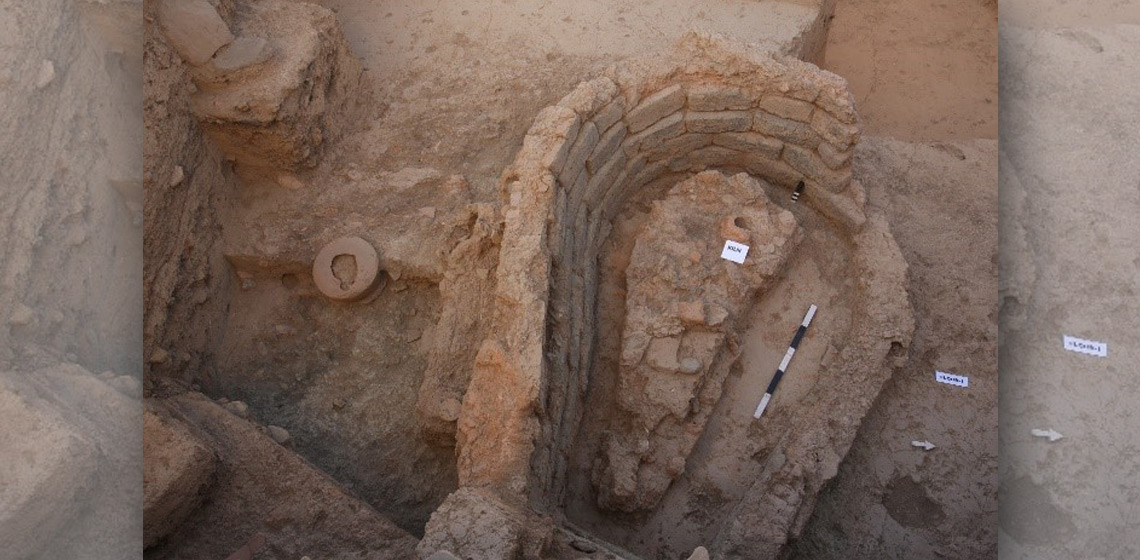
Indus Valley Civilization flourished in India and Pakistan owing to its technological advancements dating back to the 3rd millennium BC. The present paper aims to trace the emergence of pyrotechnology through documenting the industrial settlements that have been excavated in recent years, as well as locating the potential trading network for the craft items being produced at these small settlements on...
Pilot fires: Preliminary Report from Interdisciplinary Actualistic Fire Experiments
Publication Date
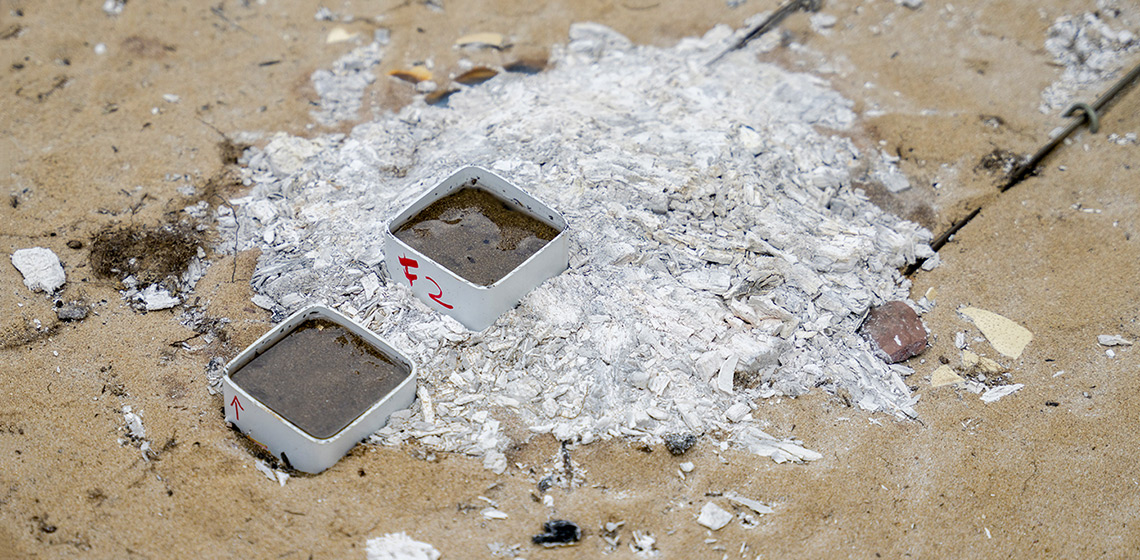
Hearth formation processes are complex. They involve multiple actions, reactions, and activities before, during, and after an active fire and can also impact a wide range of materials and sediments at an archaeological site. Archaeologists approach combustion features and formation processes from multiple analytical perspectives...
A Spark of Inspiration: Experimentally Testing Manganese Dioxide as a Fire Lighting Aide
Publication Date
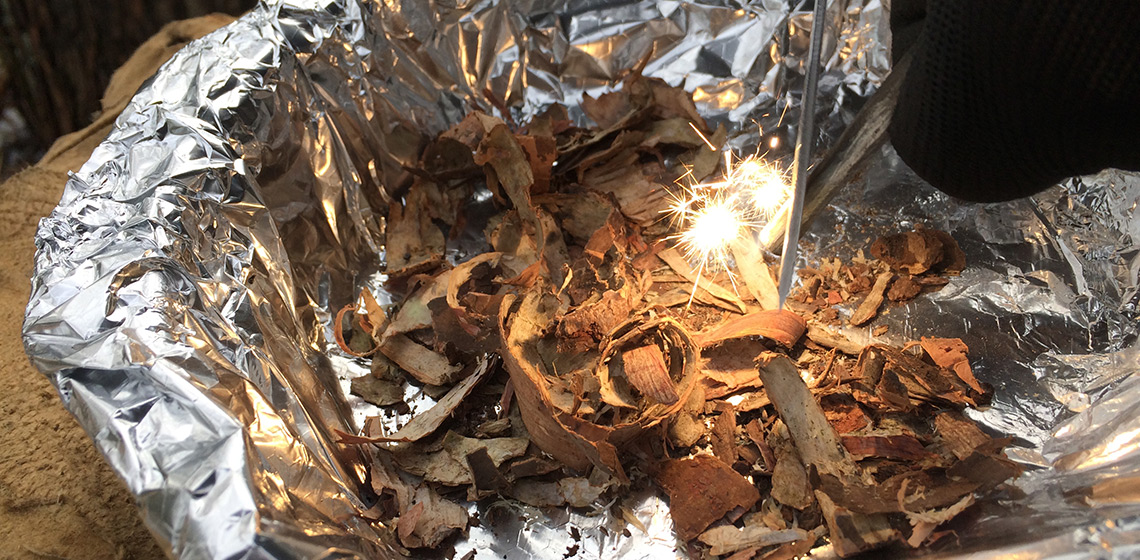
Evidence for the production, use, and control of fire by Neanderthals in Europe ranges from the scale of ecosystems to microscopic alterations of artefacts. While there is a consensus that Neanderthals were skilled in the use of fire, there remains a dispute over whether they had mastered the ability to produce fire on demand. The unique discovery that Neanderthals may have been utilising manganese dioxide as...
Experiment with Kindling Oil Lamps
Publication Date
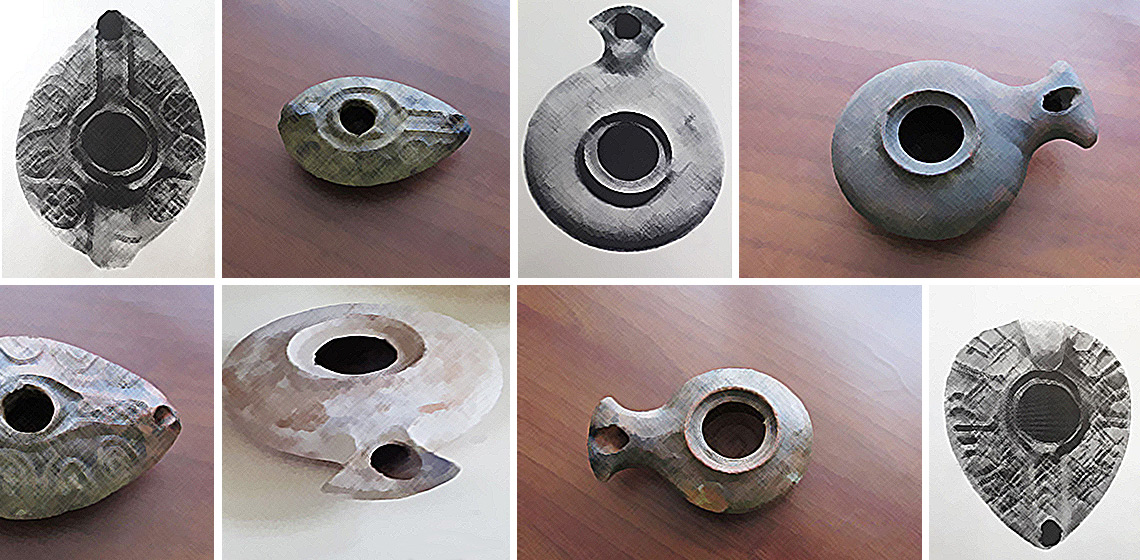
This article deals with the daily technology of ceramic oil lamps from the period of the 1st century AD until the first half of the 7th century AD. The questions underlying in this article include the following: How long did combustion take and what was its intensity? Were wicks pulled and when? Was the oil poured into an already-burning lamp...
Barely Scratching the Surface: An Experimental Approach to Engraved Magdalenian Plaquettes
Publication Date
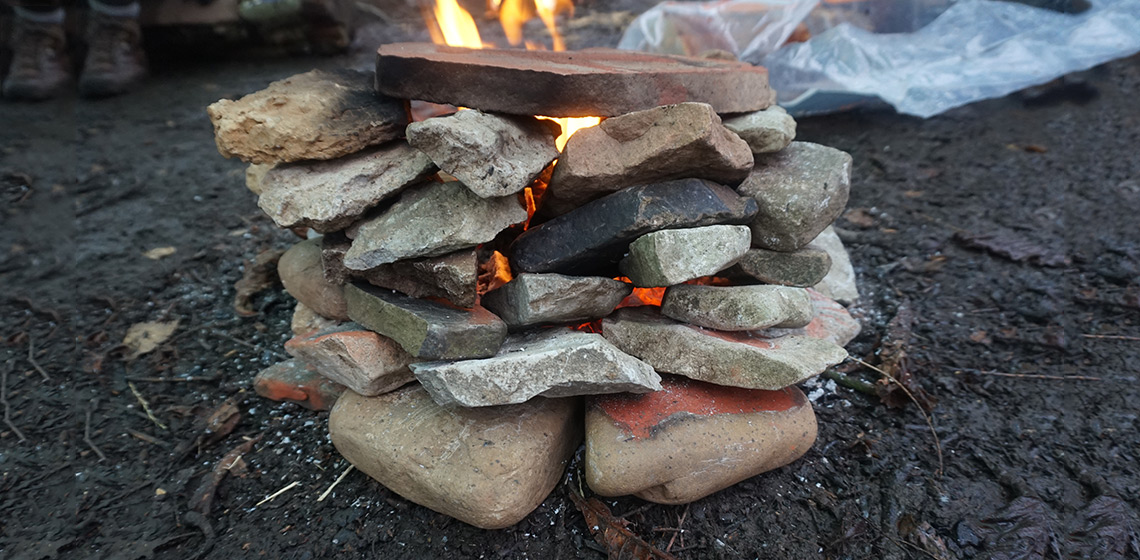
This paper investigates the creation, utilisation, and destruction of engraved Magdalenian plaquettes through the application of actualistic experimental replication. Archaeological evidence suggests that there is a relationship between plaquettes and hearth structures, as well as engraved depictions and the destruction of the plaquettes through heating. However, this relationship between fire and plaquettes...
Experimental Research on the Setting up and Exploitation of the Human Prehistoric Habitat in the Middle Dniester Region
Publication Date
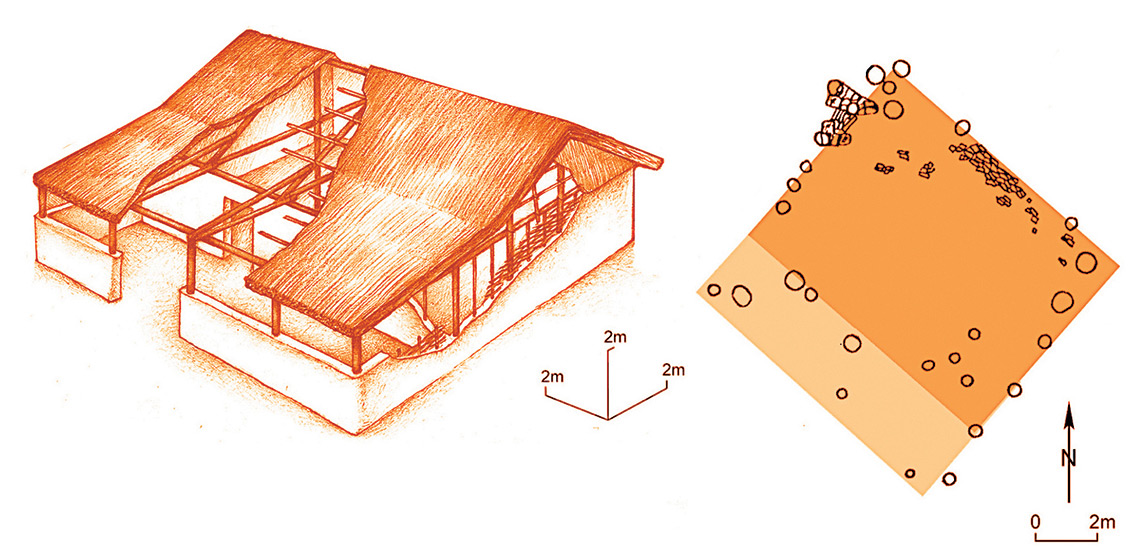
The research of archaeological monuments in the Middle Dniester basin over the last two decades has highlighted a series of new data on the evolution of human communities during the first Iron Age (8th to 10th centuries BC), demonstrating the advanced level and original character of Cozia-Saharna communities (Каshuba, 2000; Niculiţă and Nicic, 2002; Niculiţă, et al., 2003; Niculiţă and Nicic, 2007; Niculiţă, Zanoci and Arnăut, 2007; Zanoci and Băţ, 2007; Kašuba, 2008, p.40; Niculiţă and Nicic, 2008; Niculiţă, et al., 2008).