
Austria
A New Tablet Weaving Technique from Bronze Age Hallstatt
Publication Date
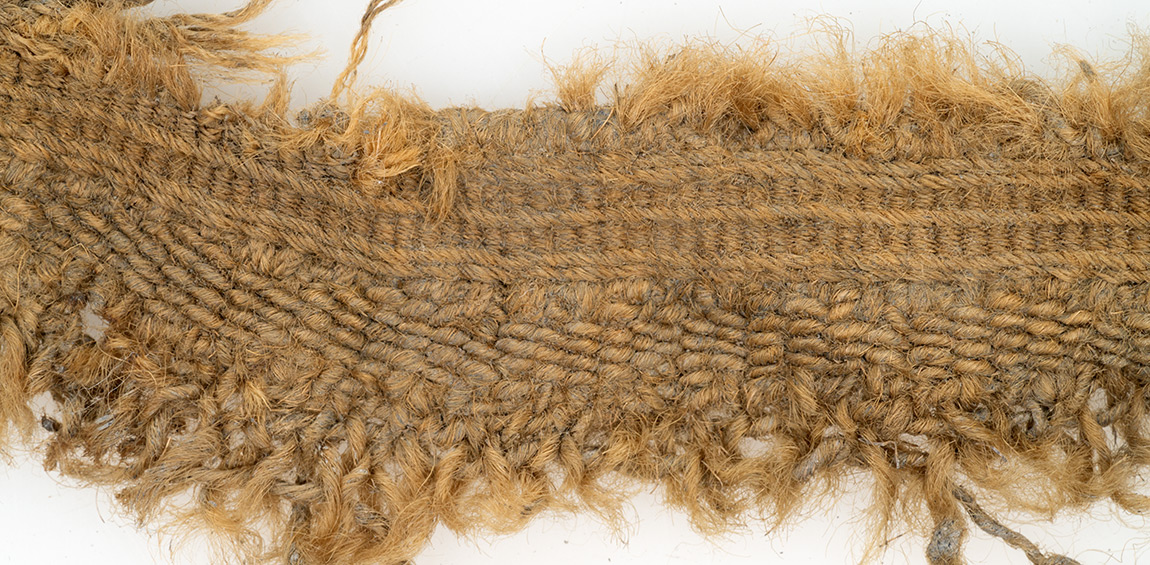
The salt mines of Hallstatt, Upper Austria, bear some of the most significant evidence for our understanding of textile culture in the Late Bronze and Early Iron Age in Central Europe due to the exceptional preservation of these finds. Following recent excavations, a new textile, HallTex 390, from the Late Bronze Age “Tuschwerk” mine has revealed multiple previously unknown features, techniques, and a peculiar design: two typical Bronze Age fabrics connected with an unusual ribbon with a ribbed structure, combining twisted and tabby-structured threads of different diameters. While comparisons for similar techniques from Denmark are discussed, this technique is quite unique for Bronze Age Central Europe. Only through experiments were we able to fully understand the textile, which seems to have consisted of tablet weaving with tablets threaded with either two or four threads while simultaneously using the weft as a sewing thread to connect the ribbon to the other textiles. This produced results comparable to the original while also revealing how efficient these Bronze Age craftspeople’s design choices were.
Event Review: 40 years of cooperation between the University of Vienna and MAMUZ
Publication Date
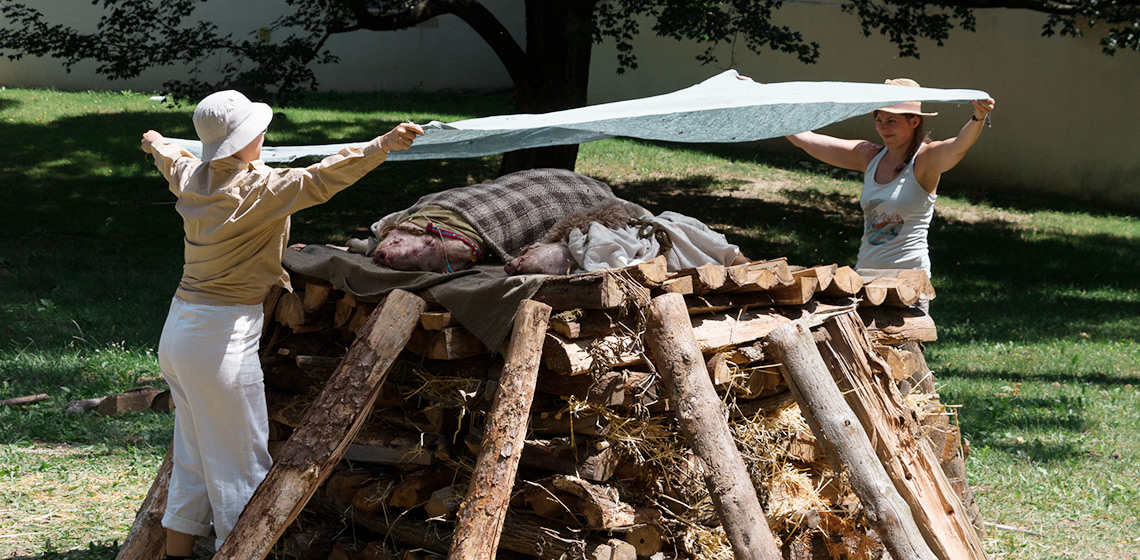
The University of Vienna “Practice of Experimental Archaeology” course took place from June 30th to July 3rd at MAMUZ Schloss Asparn/Zaya. Under the guidance of their tutors, numerous students worked on the implementation of theoretical experiments that they had previously prepared and designed...
Book Review: Exhibition Catalogue on Experimental Archaeology by Mamuz
Publication Date
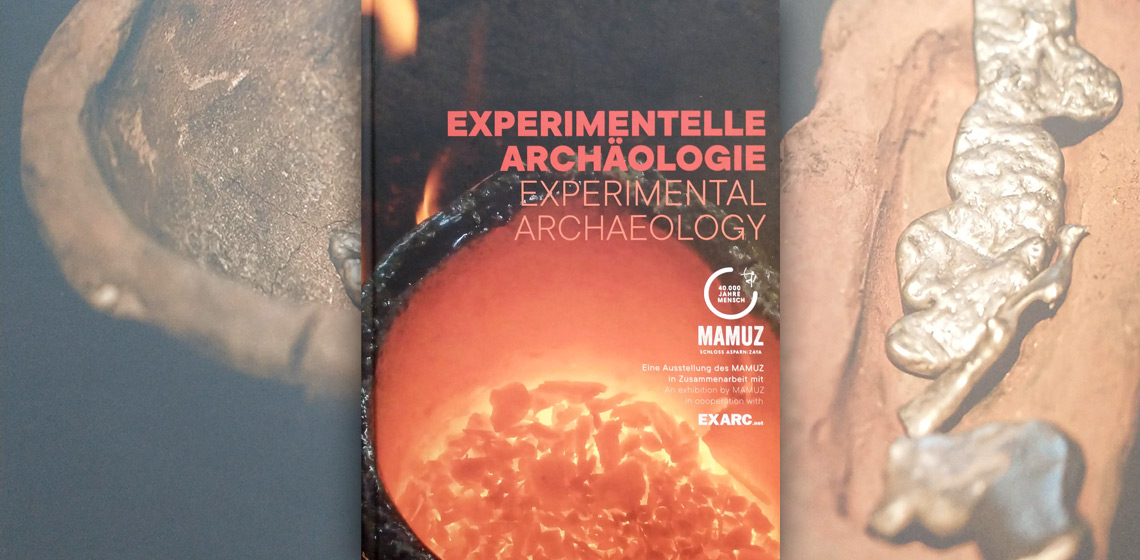
The Mamuz Schloss Asparn/Zaya, Austria, is best known for its archaeological open-air site with reconstructed buildings and an active experimental archaeology program. In 2021, MAMUZ designed a traveling exhibition on experimental archaeology, in collaboration with EXARC, who assisted with the provision of experimental archaeologists. Therefore, many of the authors of the exhibition are EXARC members or had previously presented at EXARC conferences...
Roman Gold Washing as Described by Pliny the Elder
Publication Date
#EAC12 World Tour 2021
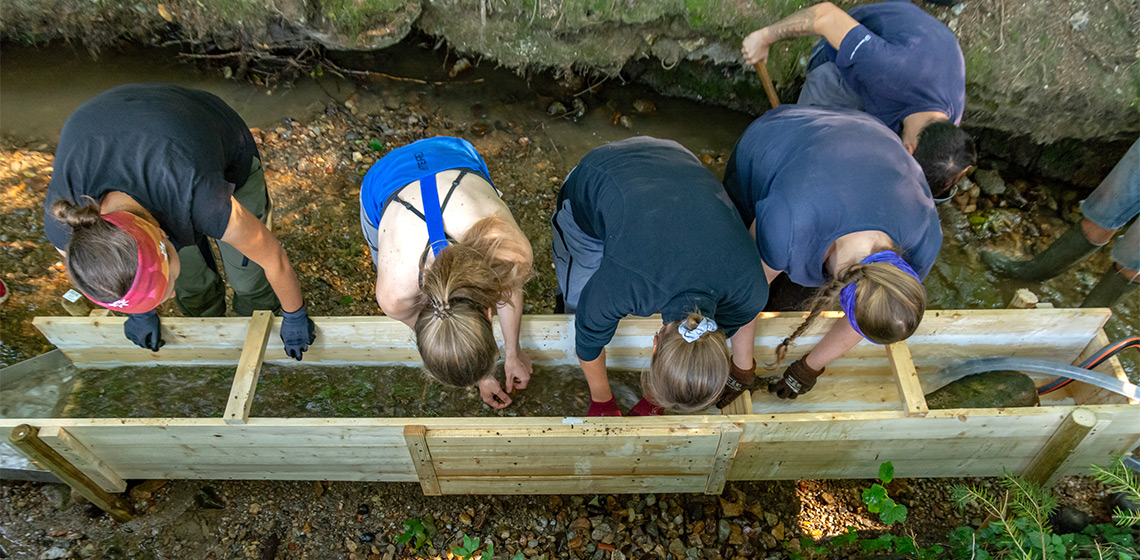
***As part of a four-year interdisciplinary research project of a Roman gold mine in the landscape known as the "Karth" to the south of Vienna, Austria, a reconstruction of gold washing took place as described by Pliny the Elder in book 33 of his Natural History. So far, the "Karth" is the only proven Roman gold mine known in the Eastern Alps...
***As part of a four-year interdisciplinary research project of a Roman gold mine in the landscape known as the "Karth" to the south of Vienna, Austria, a reconstruction of gold washing took place as described by Pliny the Elder in book 33 of his Natural History. So far, the "Karth" is the only proven Roman gold mine known in the Eastern Alps...
Book Review: Iron Age Experience, Iron Age Kids and Kaptol - Hallstatt Food Workshop & Cookbook
Publication Date
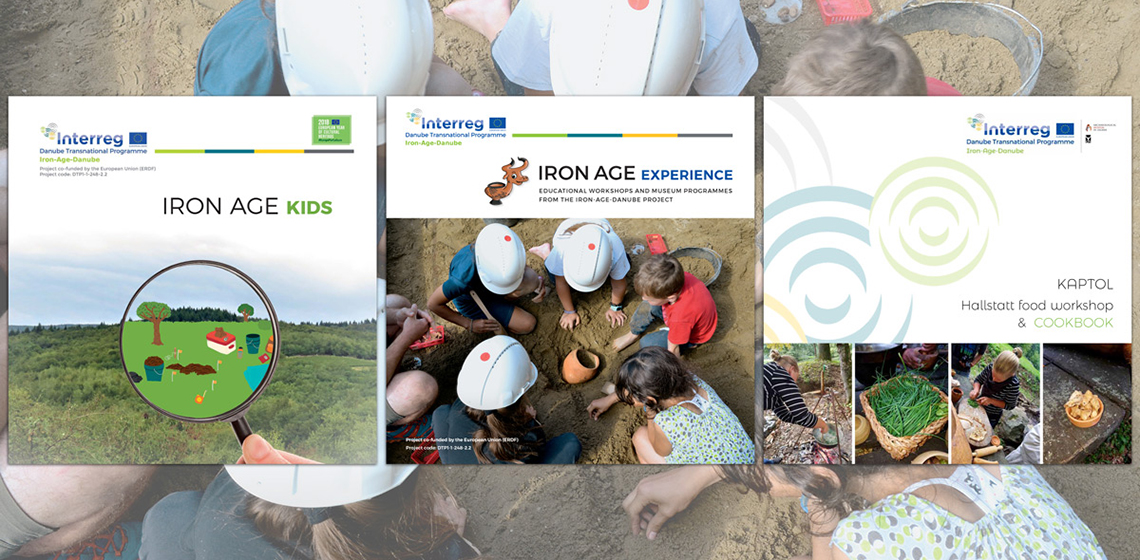
Iron-Age-Danube was a cross-border project, part of the Interreg Danube Transnational Programme of the European Union. It lasted from 2017 until 2019. It counted 12 partners and seven associated organisations from in Austria, Croatia, Hungary, Slovakia and Slovenia.
The major goal of the project is to communicate a lively image of archaeological research and the Iron Age landscapes to the visitors...
“A Mirror for Men” – Reconstructing a Medieval Polishing Bench and Putting it to the Test
Publication Date
11th EAC Trento 2019
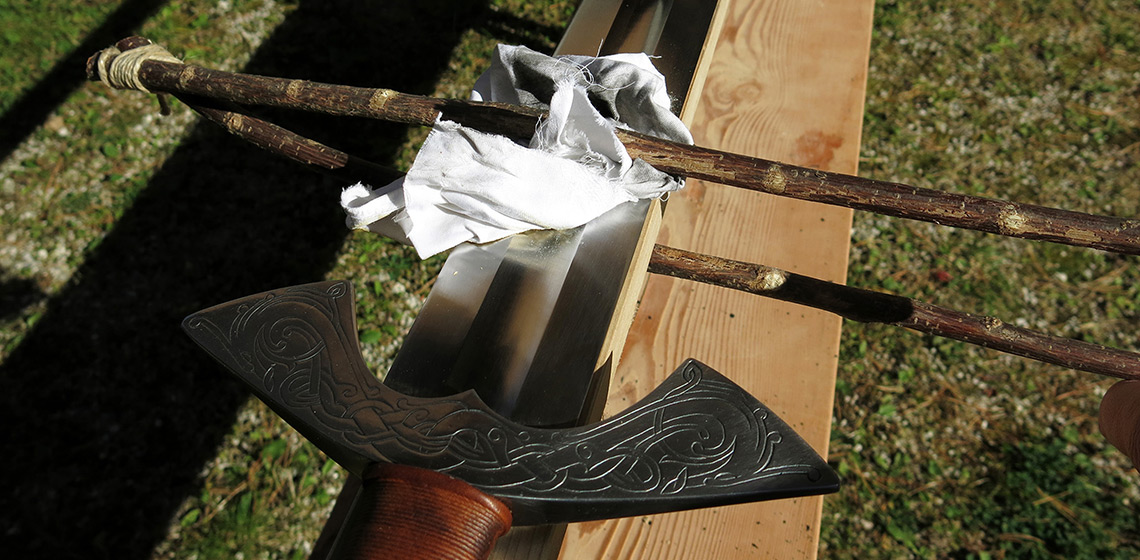
***In the late 5th century AD, the famous Ostrogoth Theoderic the Great received a truly regal gift from the king of the Warini: he was given highly elaborated swords, richly decorated and able to cut through armour. Their fullers (long grooves along the flat side of the blade to reduce weight and to gain stability...
***In the late 5th century AD, the famous Ostrogoth Theoderic the Great received a truly regal gift from the king of the Warini: he was given highly elaborated swords, richly decorated and able to cut through armour. Their fullers (long grooves along the flat side of the blade to reduce weight and to gain stability...
Book Review: Experimentelle Archäologie in Europa, Jahrbuch 2019
Publication Date
Annual Proceedings of the EXAR Tagung
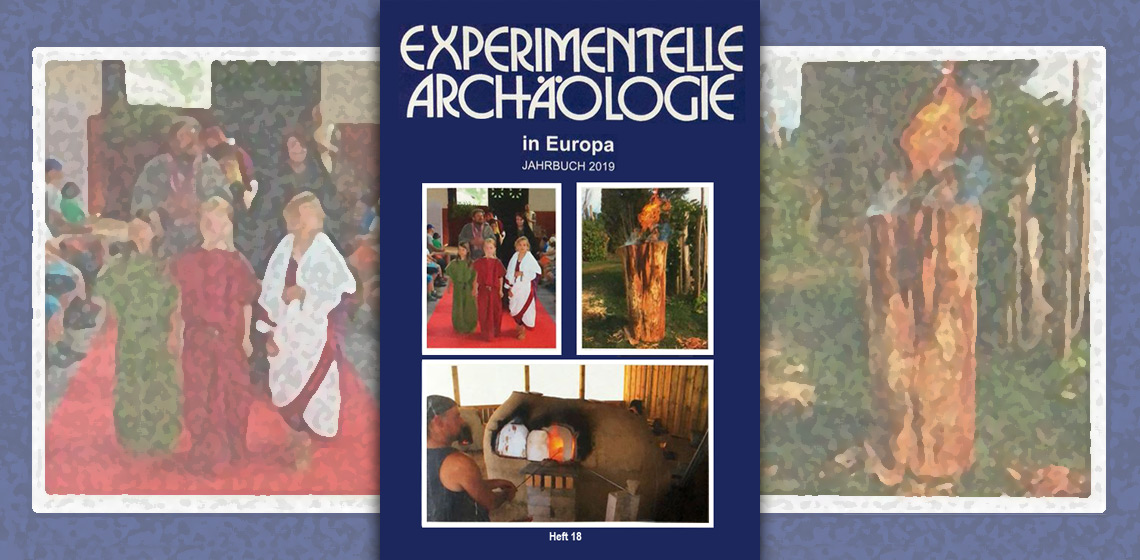
***It is the 18th issue of the periodical and includes 27 essays on experimental archaeology as well as an annual report (Jahresbericht, p. 321), an obituary for Sylvia Crumbach (p.325) and instructions for authors (Autorenrichtlinien, p. 326) of Experimentelle Archäologie in Europa on 328 pages...
***It is the 18th issue of the periodical and includes 27 essays on experimental archaeology as well as an annual report (Jahresbericht, p. 321), an obituary for Sylvia Crumbach (p.325) and instructions for authors (Autorenrichtlinien, p. 326) of Experimentelle Archäologie in Europa on 328 pages...
Book Review: An Archaeology of Skill: Metalworking Skill and Material Specialization in Early Bronze Age Central Europe by Maikel H.G. Kuijpers
Publication Date
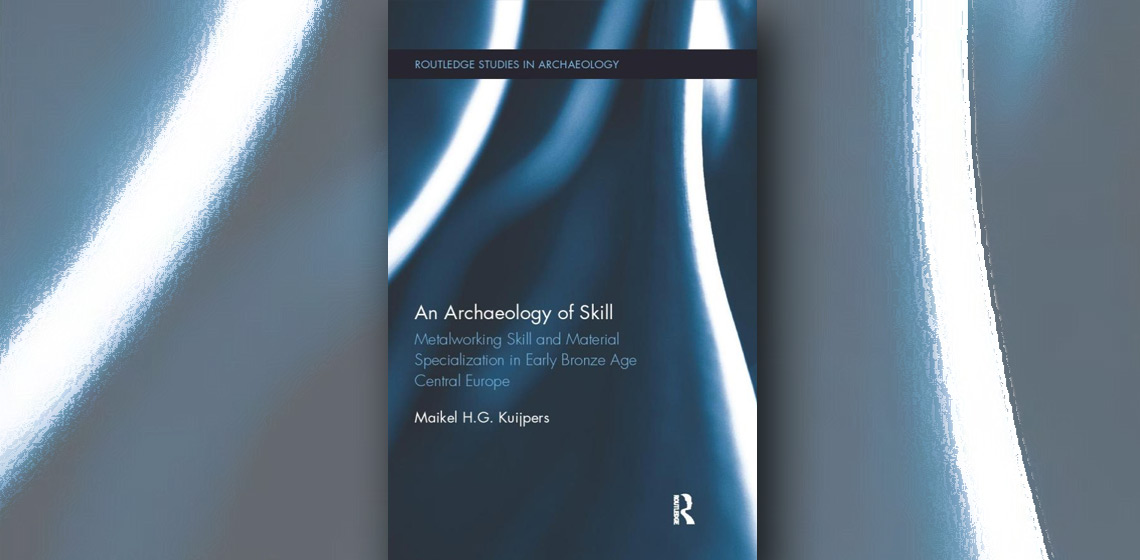
Craft is a difficult thing to define. The skills required to make objects is ephemeral. We know it when we see the results of craftsmanship, but studies about understanding the development and practice of the skills of craftsmanship are rare. Furthermore, the application of these studies to archaeology are almost non-existent. Statements about craft in archaeological literature are made in ...
Book Review: Experimentelle Archäologie in Europa, Jahrbuch 2018
Publication Date
Annual Proceedings of the EXAR Tagung
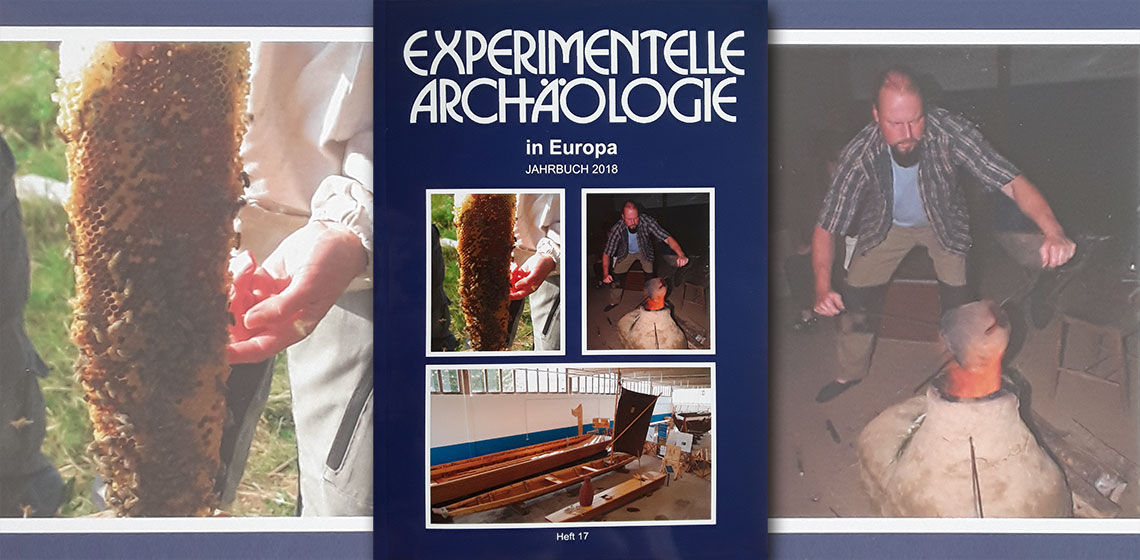
***Like the previous issues, this periodical (Jahrbuch) is published by Gunter Schöbel and the European Association for the advancement of archaeology by experiment e. V. (Europäische Vereinigung zur Förderung der Experimentellen Archäologie) in collaboration with the Pfahlbaummuseum Unteruhldingen...
***Like the previous issues, this periodical (Jahrbuch) is published by Gunter Schöbel and the European Association for the advancement of archaeology by experiment e. V. (Europäische Vereinigung zur Förderung der Experimentellen Archäologie) in collaboration with the Pfahlbaummuseum Unteruhldingen...
Conference Review: 2018 EXAR Tagung in Unteruhldingen (DE)
Publication Date
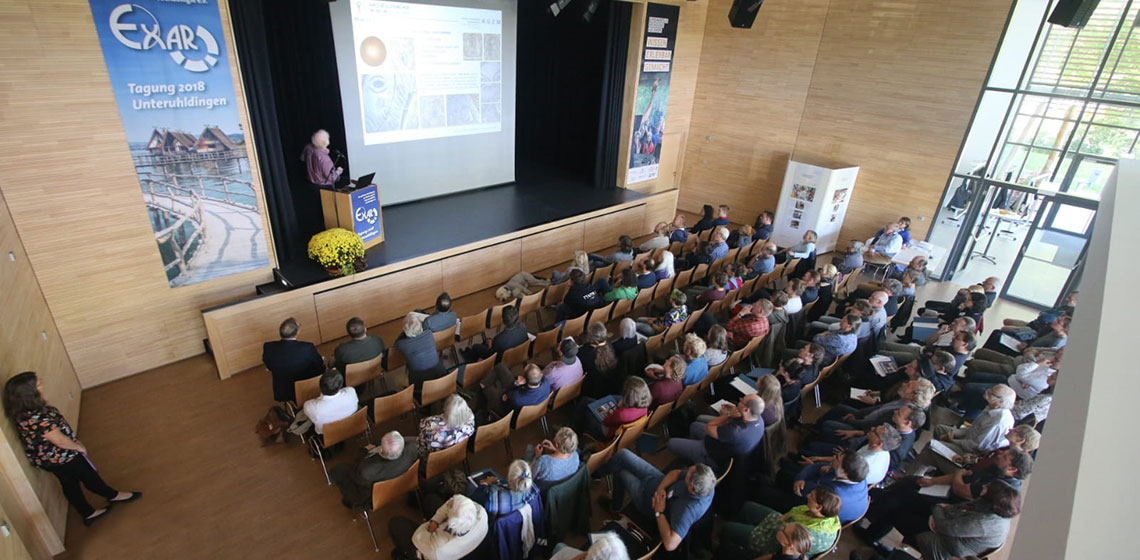
For the annual Tagung (conference), about 120 people convened in the southernmost point of Germany, at Lake Constance, near the borders of Switzerland and Austria. This conference is the perfect networking event for experimental archaeology in the German spoken part of Europe. Out of the 27 lectures, 25 were presented in German. The strength, but also its weakness, of the conference is that anything goes...