
Italy
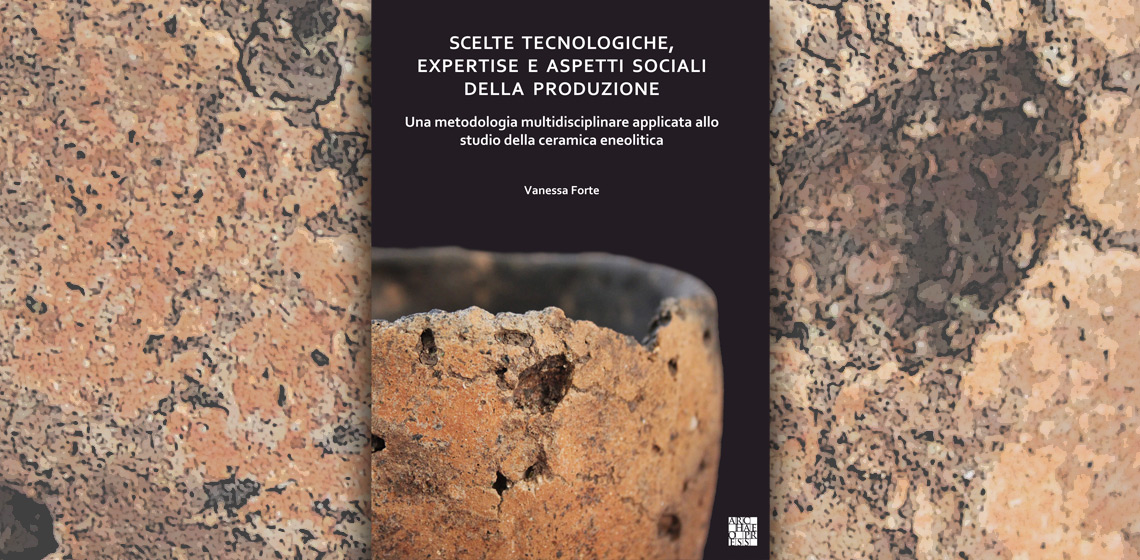
Book Review: Scelte Tecnologiche, Expertise e Aspetti Sociali della Produzione. Una Metodologia Multidisciplinare Applicata allo Studio della Ceramica Eneolitica by Vanessa Forte
Publication Date
This book is a welcome addition to the bookshelf of Italian archaeologists interested in Prehistory and will certainly be of great use to those who are trying to gain a good understanding of pottery technology. Written in Italian, it is one of the few books in this language dealing with ceramic technology and the social aspects of the production by presenting, as a case study, the Copper Age domestic and ...
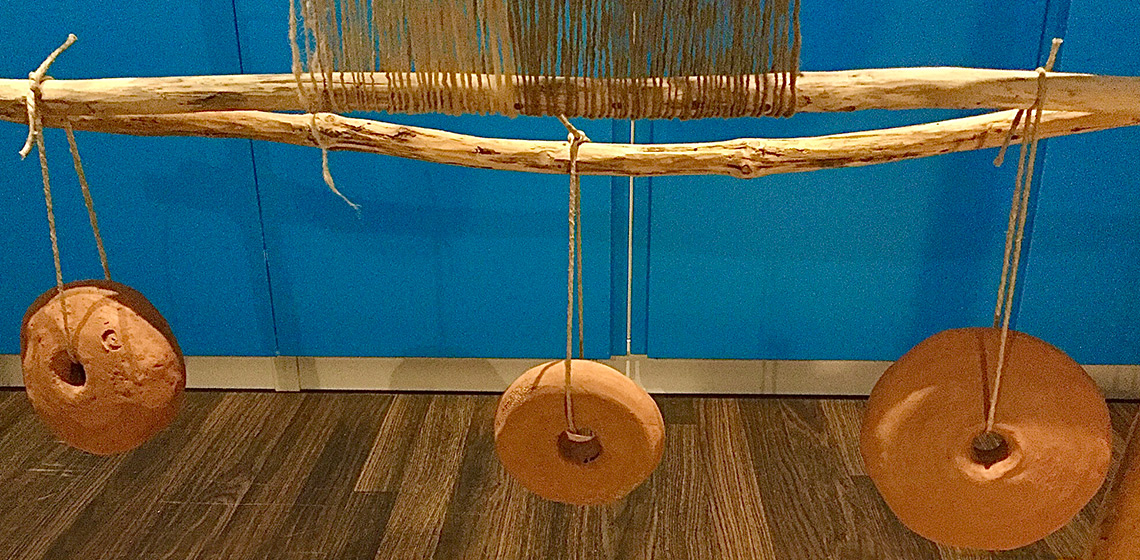
An Experiment with the Warp-weighted Loom and Heavy Loom Weights. The Case of the Giant Refractory Ceramic “Doughnuts” from North Piedmont, Italy
Publication Date
Heavy, doughnut-shaped, loom weights made of refractory clay are often found in excavations of Roman and Late Roman settlements in North Piedmont. Unfortunately, they are not found in situ with a weaving loom. We have interpreted them as having been specifically designed for use on a warp weighted loom with a lower mobile beam which is weighed down by a few heavy loom weights...
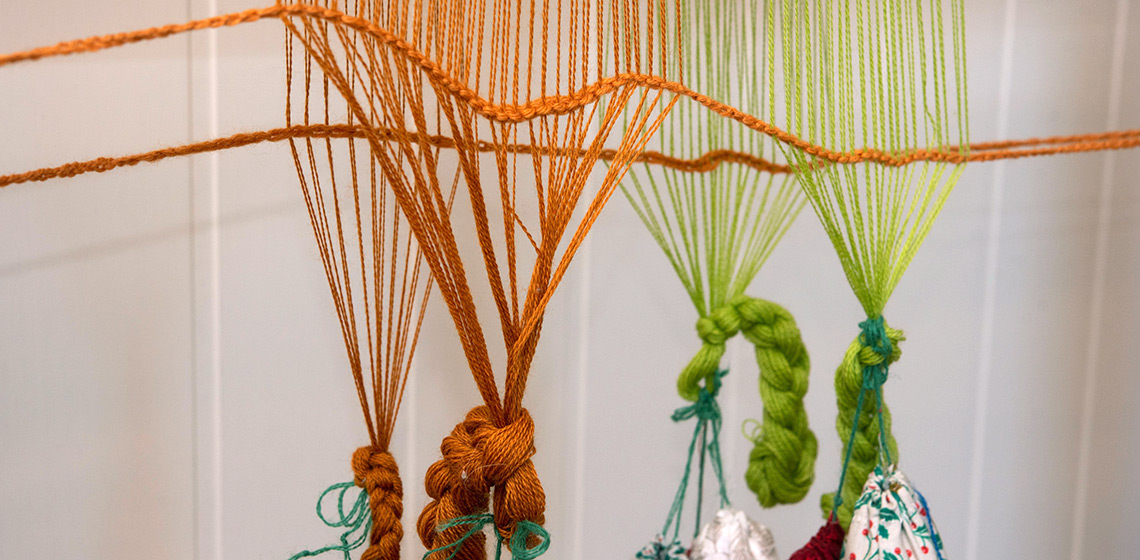
The Shroud of Turin and the Extra Sheds of Warping Threads. How Hard can it be to Set up a 3/1 Chevron Twill, Herringbone on a Warp-weighted Loom?
Publication Date
On the 10 May 2020, Mr. Hugh Farey sent me an email. He introduced himself as “a researcher into the weaving of the linen cloth known as the Shroud of Turin”. Then he described the size of the Shroud and how it looked. His question to me was this: “If you had a piece of cloth as described and looked at it closely, could you tell if it was made by a warp-weighted or treadle loom, or would there be no difference?”...
Crafting Beyond Habitual Practices: Assessing the Production of a House Urn from Iron Age Central Italy

Publication Date
A house-shaped urn dating to the Early Iron Age from Central Italy was technologically assessed in order to establish the forming techniques necessary to produce it. This hypothesized forming sequence was then tested through the production of two experimental urns. It was found that there is a meaningful relationship between the clay texture choices, the forming techniques, and the overall morphology of the finished object...
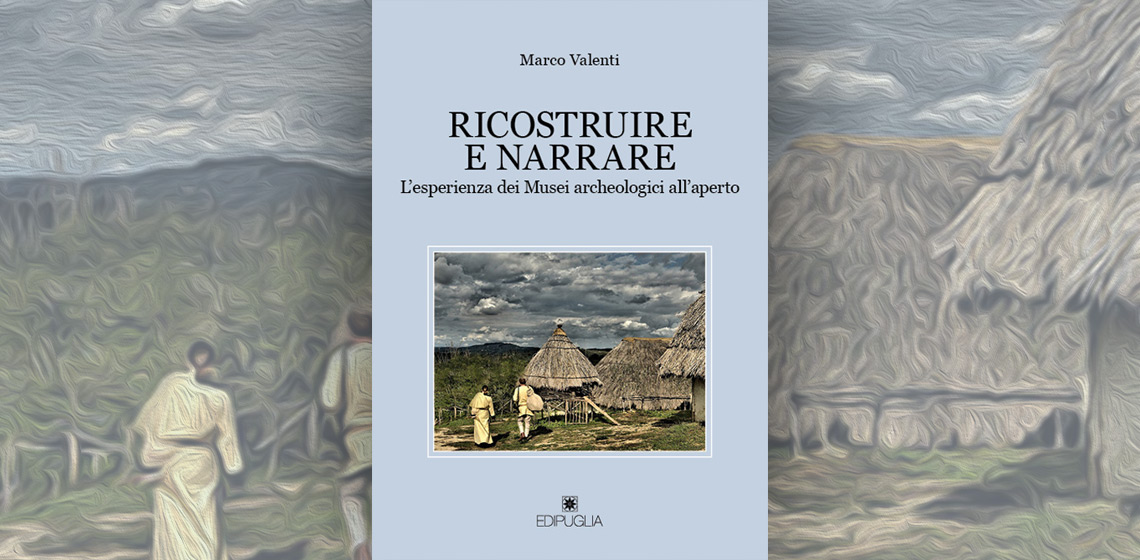
Book Review: Ricostruire e Narrare. L’esperienza dei Musei archeologici all’aperto (Reconstructing and storytelling. The experience of archaeological open-air Museums) by M. Valenti
Publication Date
This book is particularly welcomed within the scarce Italian literature on the topic of archaeological open-air museums. The lack of debate and accurate information on this type of museums in Italy, drove the author to put together this volume, seven years after the publication of Dr Paardekooper’s magistral “The Value of an Archaeological Open-Air Museum in its use” in 2012, often referred in this book...
Techno-functional Study of the Personal Ornaments in Lignite of the Boira Fusca Cave (Cuorgnè, Torino-Italy)
Publication Date
11th EAC Trento 2019
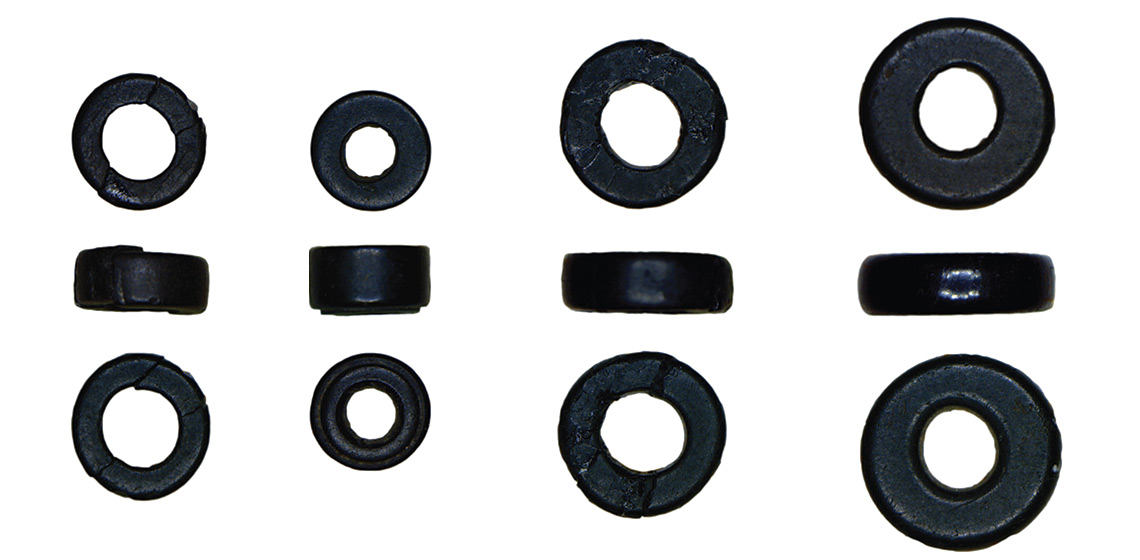
***This paper aims to present a techno-functional study of lignite ornamental objects found during the Fedele excavations (1977-1980) in the Boira Fusca Cave (Cuorgnè, Salto-Turin, Italy). The site demonstrates a chrono-cultural sequence which extends from the late Palaeolithic to the Modern era...
***This paper aims to present a techno-functional study of lignite ornamental objects found during the Fedele excavations (1977-1980) in the Boira Fusca Cave (Cuorgnè, Salto-Turin, Italy). The site demonstrates a chrono-cultural sequence which extends from the late Palaeolithic to the Modern era...
Bottle Gourd as an Implement for the Poor in Roman Italy
Publication Date
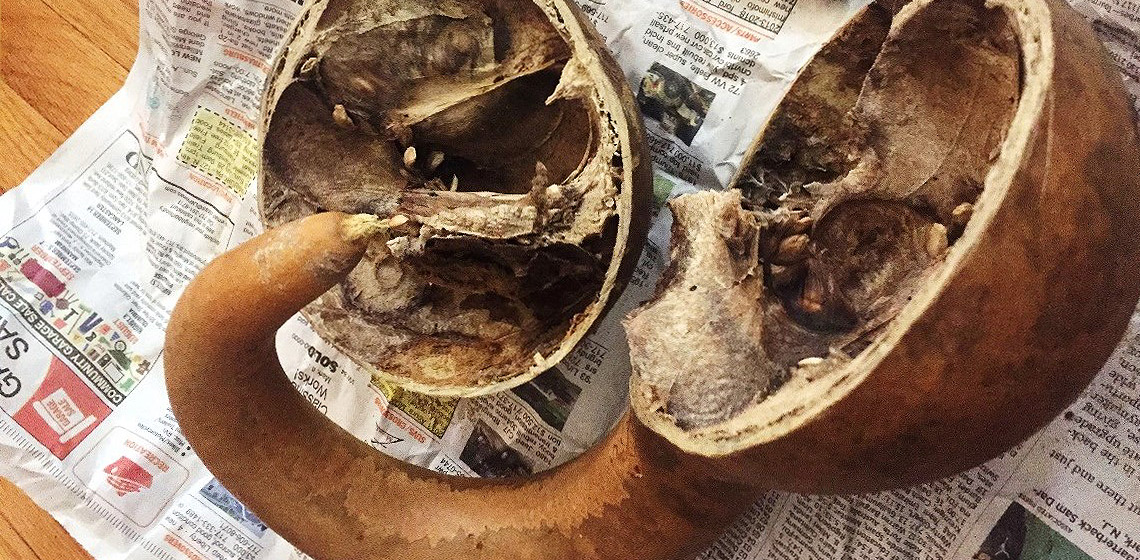
Bottle gourds, which are thought to have originated in Africa, have been collected and cultivated in Italy since antiquity for the making of vessels and utensils, as well as food, musical instruments, and fishing buoys. Columella and Pliny the Elder both write extensively about the uses of bottle gourds, yet the importance of this vegetable in antiquity is notably absent from modern scholarship...
Diet of the Poor in Roman Italy: An Exploration of Wild and Cultivated Plants as an Essential Dietary Component
Publication Date
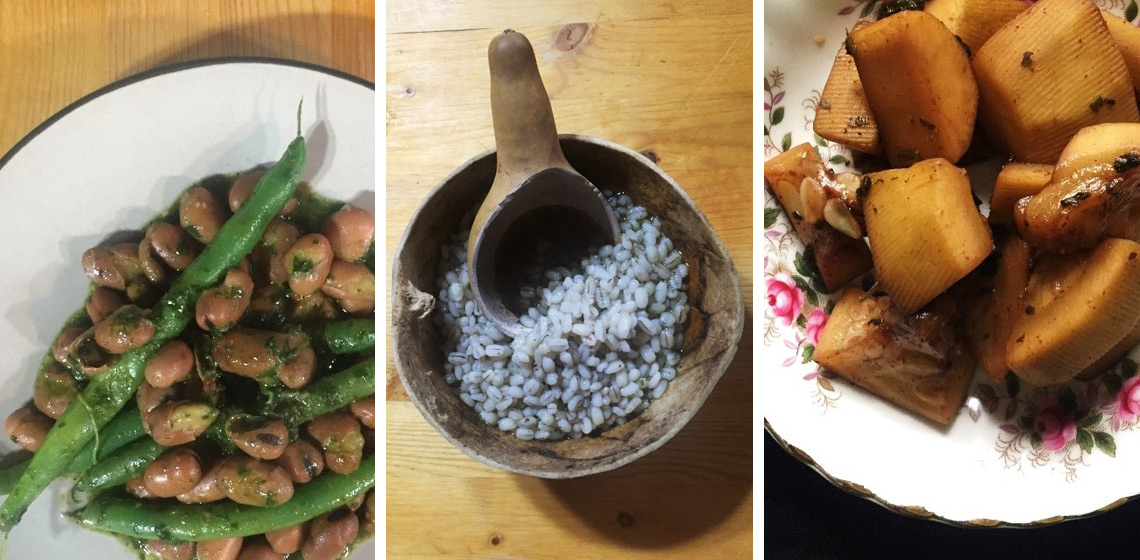
Most of the population of Roman Italy was poor, whether they were the poor who were constantly in search for food and shelter, or the temporarily poor who were artisans or shopkeepers but could fall into poverty at times. In classical literature, pleasures of the mind were favoured over pleasures of the body. Epictetus wrote that only stupid men spent time dwelling on matters of the body such as eating...
Embossing Technique between III and II Century BC: Experiments and First Results
Publication Date
11th EAC Trento 2019
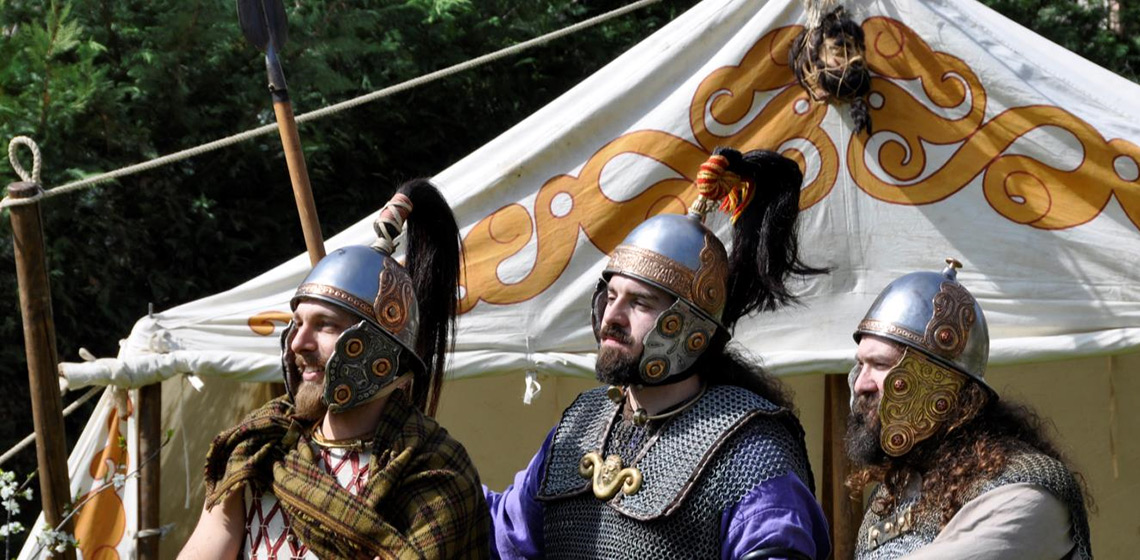
***The purpose of this paper is to explain our experience with the process of experimental archaeology, involving the reproduction and field testing of embossed decorations, inspired to archaeological finds. As a re-enactment group focused on Celts and Ligurians of III – II century BC we reproduce items and/or ornaments...
***The purpose of this paper is to explain our experience with the process of experimental archaeology, involving the reproduction and field testing of embossed decorations, inspired to archaeological finds. As a re-enactment group focused on Celts and Ligurians of III – II century BC we reproduce items and/or ornaments...
Columella’s Wine: a Roman Enology Experiment
Publication Date
11th EAC Trento 2019
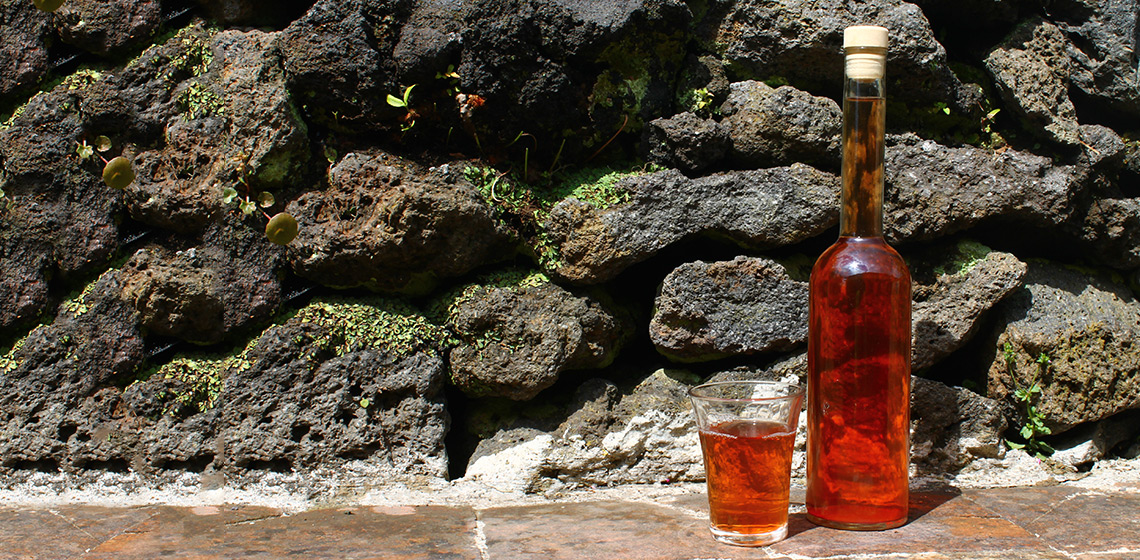
***The study of archaeological and written sources made it possible to commence an extensive research project on Roman viticulture, starting in 2013 on the slopes of Mount Etna, in Sicily (Indelicato, Malfitana and Cacciaguerra, 2017). The general aim is to thoroughly examine the knowledge of the Roman wine production cycle in the period between the first century BC and the second century AD, when wine production turned into an identifiable “industry”...
***The study of archaeological and written sources made it possible to commence an extensive research project on Roman viticulture, starting in 2013 on the slopes of Mount Etna, in Sicily (Indelicato, Malfitana and Cacciaguerra, 2017). The general aim is to thoroughly examine the knowledge of the Roman wine production cycle in the period between the first century BC and the second century AD, when wine production turned into an identifiable “industry”...