
Bronze Age
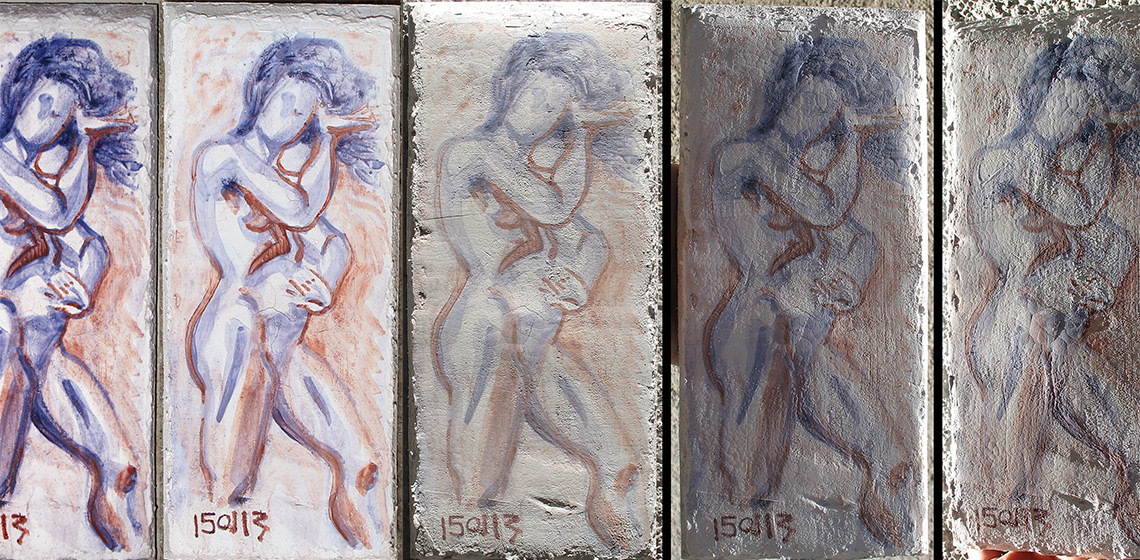
Fresco Mixtures with Dried Lime Plaster: Cameron’s Experiments Revisited
Publication Date
Introduction
During the Bronze Age, the craftspeople of the eastern Mediterranean practiced a form of reuse or recycling: fragments of mortar were used as aggregates in lime mixtures intended for walls or floors (Shaw, 1973, p.222; Brysbaert, 2003, pp.168-173, pp.175-176; Jones, 2005, p.220; Brysbaert, 2008, p.118). Such a mixture was found in a house in the Akrotiri settlement of Santorini, in a part of the wall that was intended to be painted (Jones, 2005, p.220).
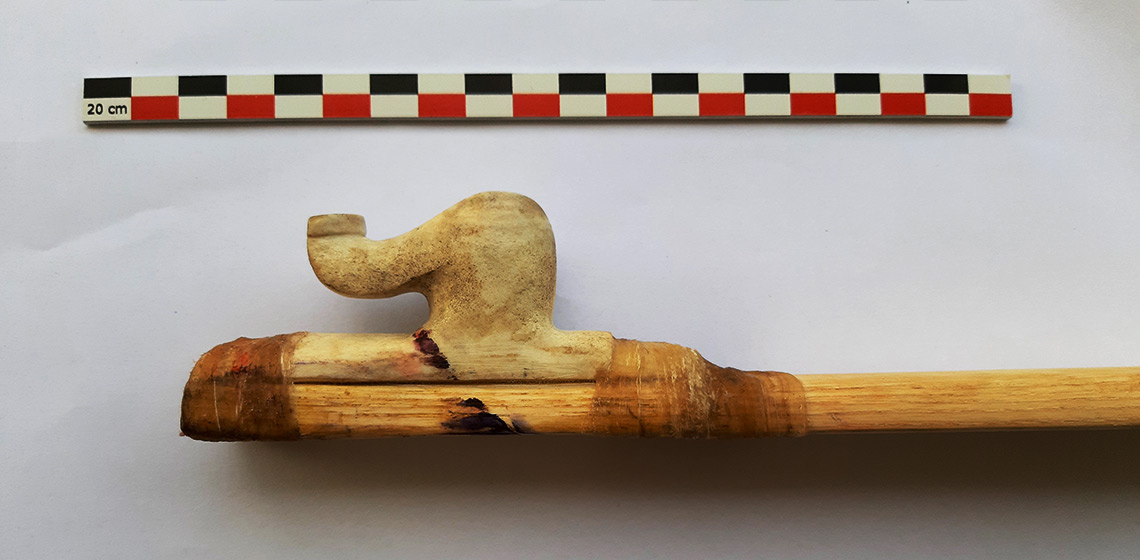
Archaeological Experiment on Reconstruction of the “Compound” Bow of the Sintashta Bronze Age Culture from the Stepnoe Cemetery
Publication Date
#EAC12 World Tour 2021
***This article presents data from an international experimental study on the reconstruction of the “compound” bow of Sintashta culture of bronze age South Ural, Russia. The project is carried out by a collective of researchers from Greece and Russia as part of the grant program of EXARC - “Twinning program”...
***This article presents data from an international experimental study on the reconstruction of the “compound” bow of Sintashta culture of bronze age South Ural, Russia. The project is carried out by a collective of researchers from Greece and Russia as part of the grant program of EXARC - “Twinning program”...
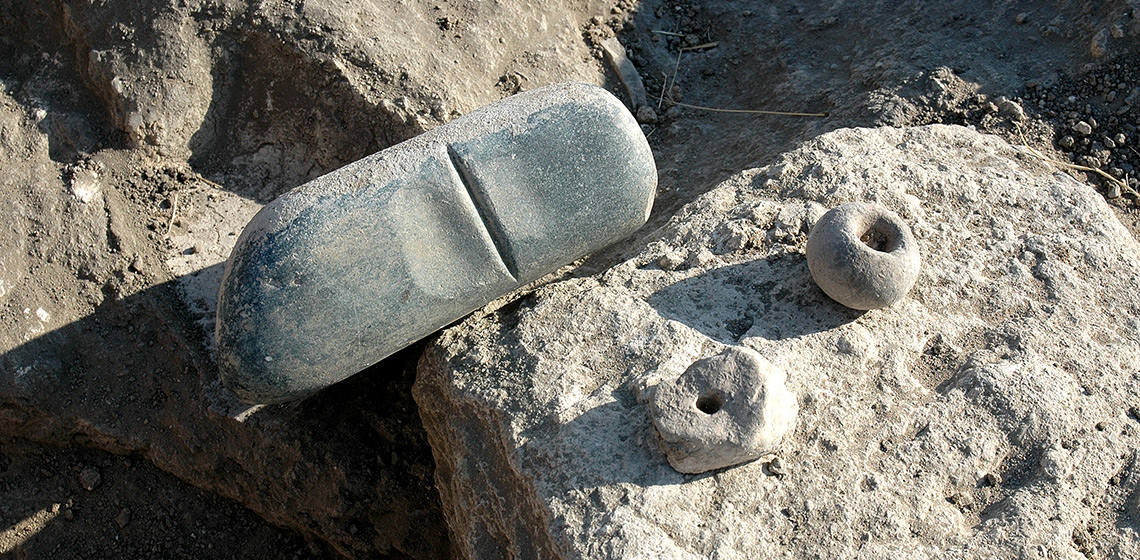
Pyrgos Mavroraki Smelting and Melting Experiments in a Metallurgical Workshop of the Second Millennium BC
Publication Date
Interpreting the cultural influences of Cyprus in antiquity has posed an issue, depending on one’s point of view or the different conclusions reached. Until the 1970s, in large part due to the extensive excavations along the northern coast of Cyprus, it seemed reasonable to recognise a plethora of Aegean traits in the island culture. Every element of the Cypriot Bronze Age was analysed and interpreted in...
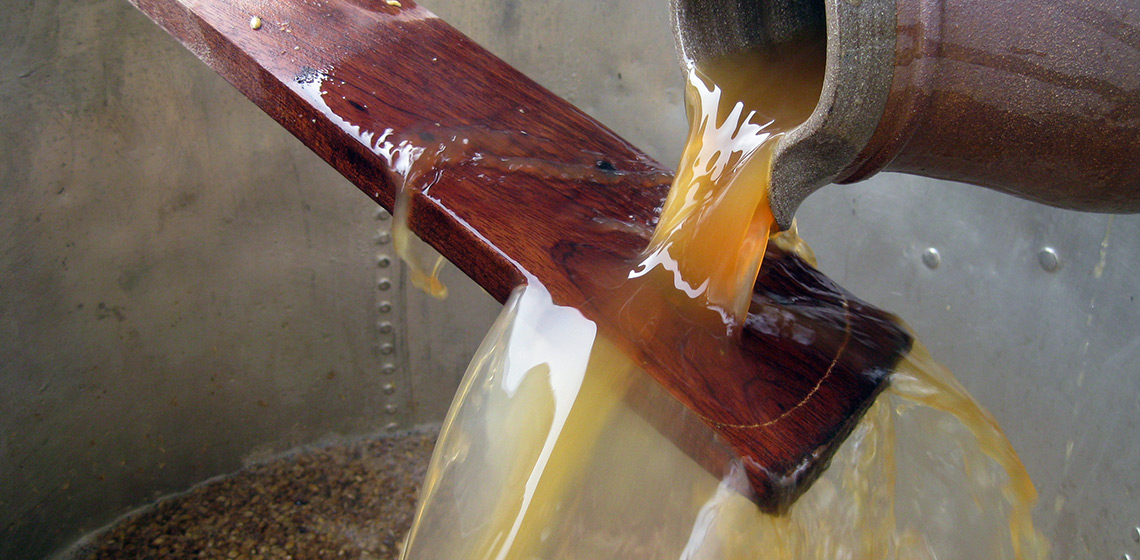
The Ancient Magic of Malt: Making Malt Sugars and Ale from Grain Using Traditional Techniques
Publication Date
The transformation of grain into malt, malt sugars and ale is a three step process. First, the controlled germination (malting), then ‘mashing in’ and collecting a sweet liquid known as wort and finally, the fermentation by pitching the yeast which converts the sugary wort into an alcoholic beverage. Each step requires different conditions for the process to work. They cannot be combined...
Book Review: Determining Prehistoric Skin Processing Technologies by Theresa Emmerich Kamper
Publication Date
This volume on prehistoric tanning technology is the revised and expanded version of the dissertation submitted to Exeter University in 2015. It is noteworthy in that it places experiment at the heart of the entire research programme, thereby radically changing the perspective from which archaeological and ethnographic artefacts might be approached...
Book Review: Experimentelle Archäologie in Europa, Jahrbuch 2020
Publication Date
Annual Proceedings of the EXAR Tagung
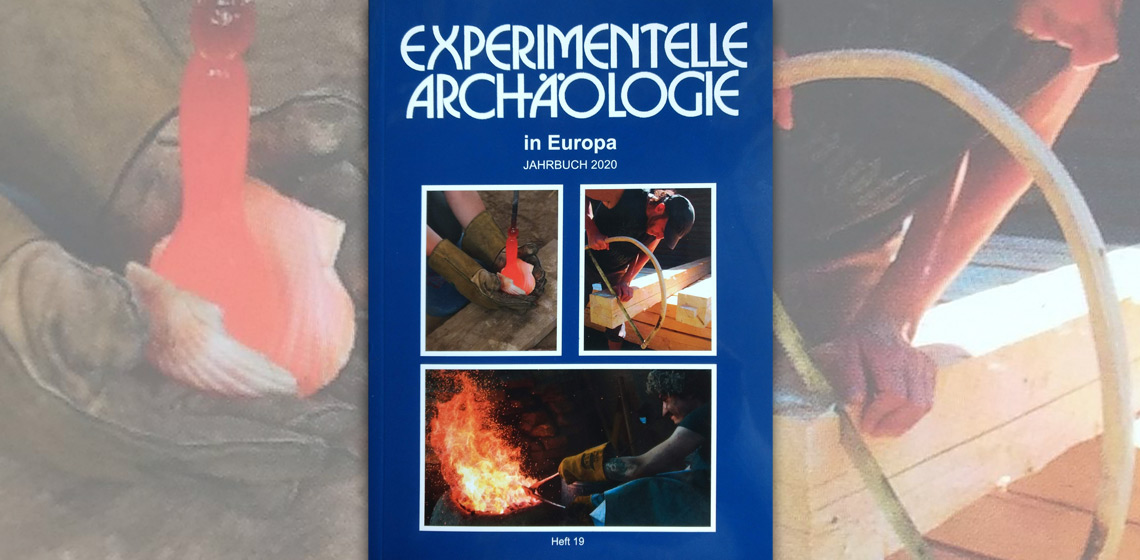
***The 19th issue of the periodical includes 19 essays over 231 pages which present the contributions of the EXAR conference held in 2019. The annual report (Jahresbericht, p.225) and the instructions for authors (Autorenrichtlinien, p.229) of Experimentelle Archäologie in Europa can be found at the end...
***The 19th issue of the periodical includes 19 essays over 231 pages which present the contributions of the EXAR conference held in 2019. The annual report (Jahresbericht, p.225) and the instructions for authors (Autorenrichtlinien, p.229) of Experimentelle Archäologie in Europa can be found at the end...
Experimental Roman Minting: Casting Silver-Copper Alloys into a Bronze Mould
Publication Date
#EAC12 World Tour 2021
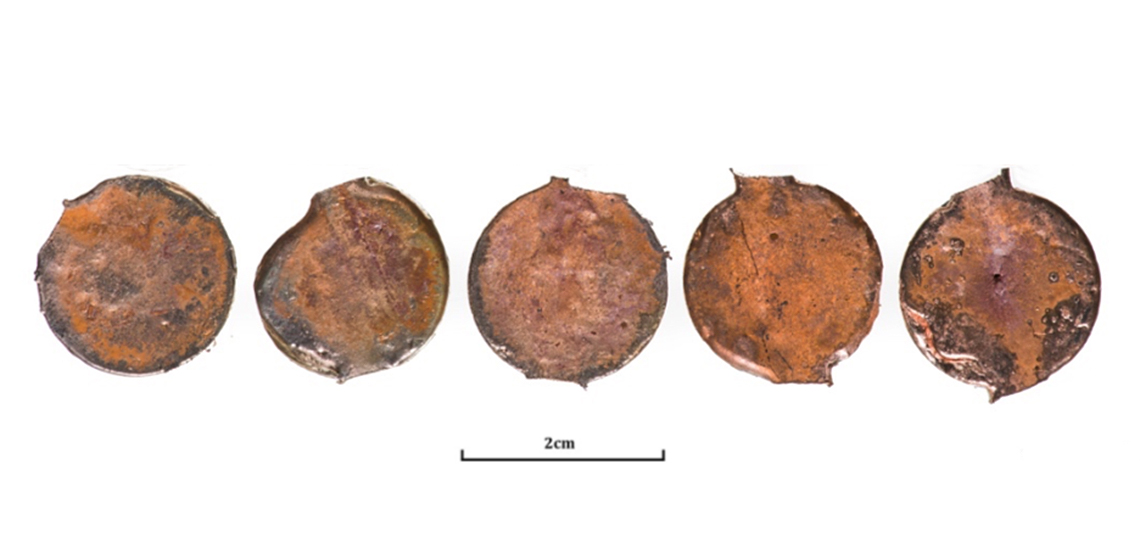
***This paper provides the details of a Roman minting experiment, which used a bronze mould to cast debased silver blanks typical of the third century A.D. The investigation follows the paper ''Experiments reproducing Roman debased alloys" (George, 2020) which studied the manufacturing methods used...
***This paper provides the details of a Roman minting experiment, which used a bronze mould to cast debased silver blanks typical of the third century A.D. The investigation follows the paper ''Experiments reproducing Roman debased alloys" (George, 2020) which studied the manufacturing methods used...
Irish Copper Axe-Ingots Recovered in Brittany: Experimental Casting to Recreate Porous Material
Publication Date
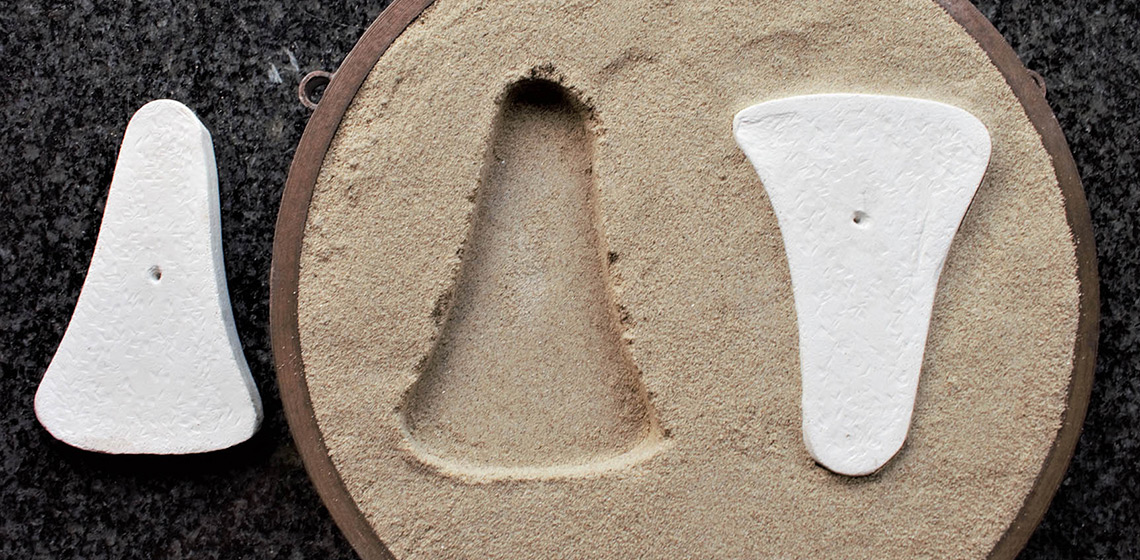
The present study discusses the casting of copper axe-ingots in open, wet sand moulds, in an attempt to recreate porous artefacts that have been recovered in Brittany, France. The original axe-ingots are considered to be Irish copper metalwork from the Early Bonze Age. However, these artefacts are not finished objects and are poorly cast. This nevertheless appears to be deliberate because...
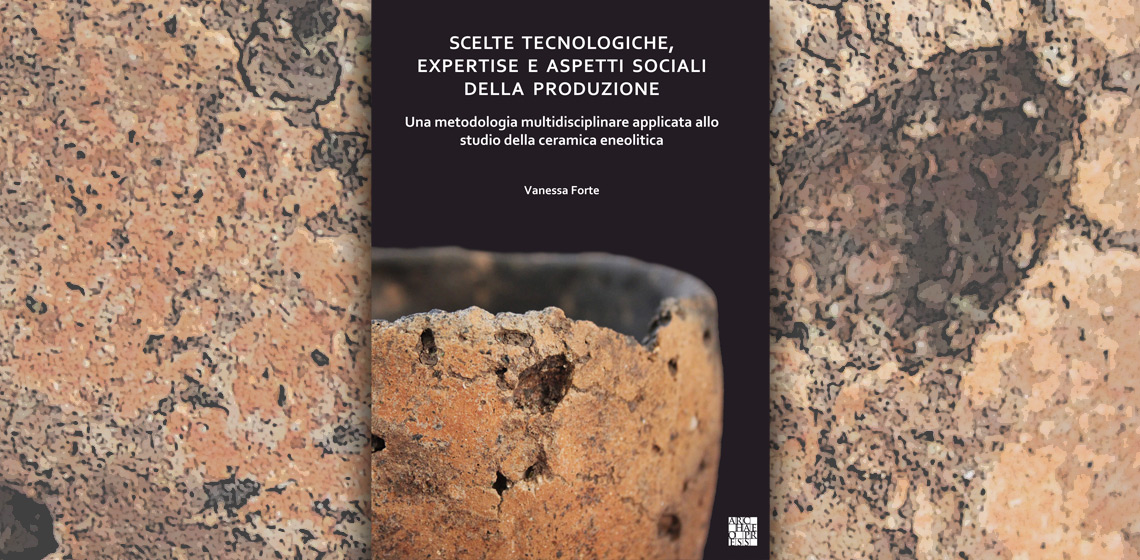
Book Review: Scelte Tecnologiche, Expertise e Aspetti Sociali della Produzione. Una Metodologia Multidisciplinare Applicata allo Studio della Ceramica Eneolitica by Vanessa Forte
Publication Date
This book is a welcome addition to the bookshelf of Italian archaeologists interested in Prehistory and will certainly be of great use to those who are trying to gain a good understanding of pottery technology. Written in Italian, it is one of the few books in this language dealing with ceramic technology and the social aspects of the production by presenting, as a case study, the Copper Age domestic and ...
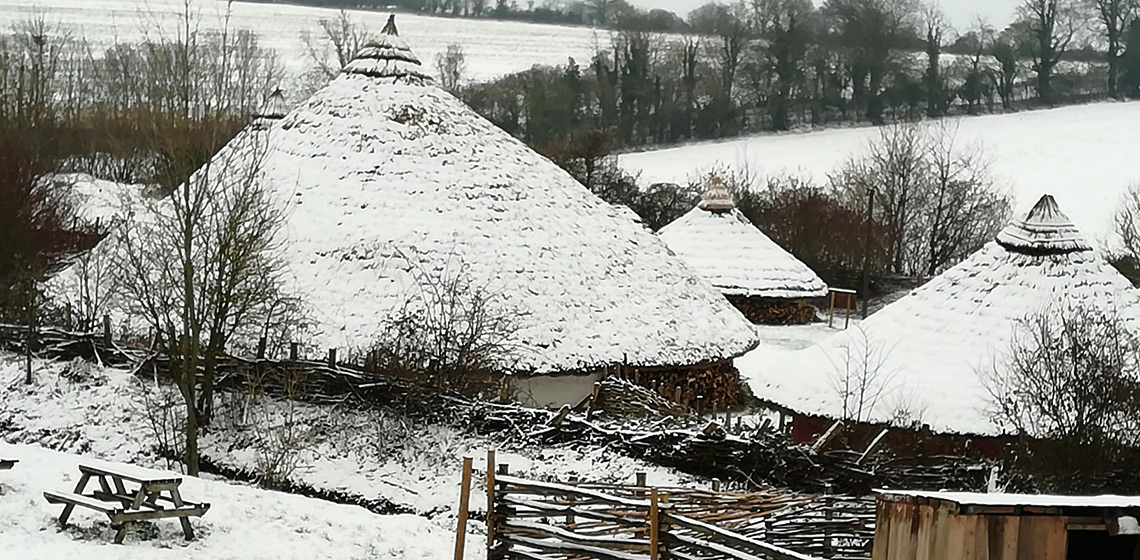
Documentation Strategies at Butser Ancient Farm
Publication Date
Butser Ancient Farm has been at the forefront of experimental archaeology in Britain1. for more than 45 years. The pioneering work of its first director Dr Peter Reynolds in the evaluation of Iron Age structures and agriculture demonstrated beyond doubt the importance of experiment in archaeology in the UK and international experimental archaeology work...