
Bronze Age
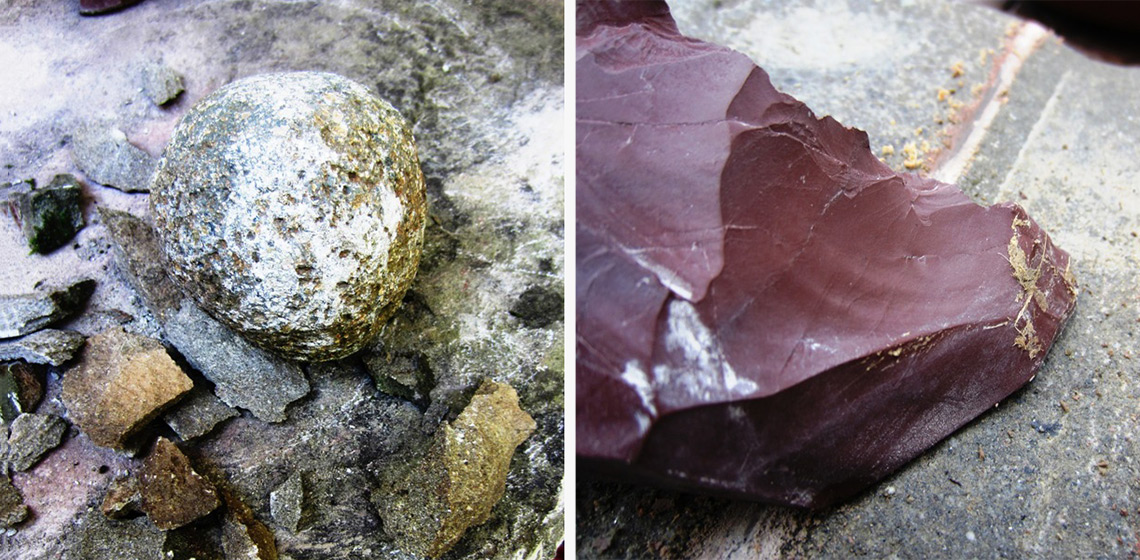
Stone & Metal: Experimental reproduction of a stone monument of the Metal Age, Located between Liguria and Tuscany (Italy)
Publication Date
11th EAC Trento 2019
***The Italian region of Lunigiana, is located between Liguria and Tuscany, and is rich in stone statues which were worked from the third millennium B.C. until the beginning of the historical period, around the 6th century B.C. (Anati, 1981). Eighty statues have been collected and show stylized male and female characters...
***The Italian region of Lunigiana, is located between Liguria and Tuscany, and is rich in stone statues which were worked from the third millennium B.C. until the beginning of the historical period, around the 6th century B.C. (Anati, 1981). Eighty statues have been collected and show stylized male and female characters...
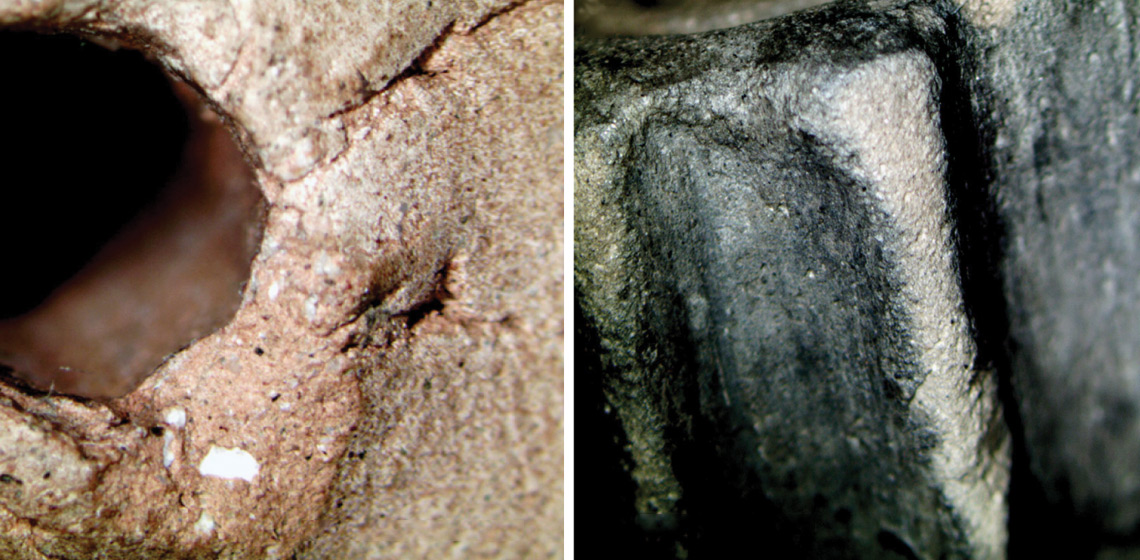
The Contribution of Experimental Archaeology in Addressing the Analysis of Residues on Spindle-Whorls
Publication Date
11th EAC Trento 2019
***This contribution focuses on residues developing on spindle-whorls during spinning. Such a kind of tools is largely diffused in archaeological contexts where spindle-whorls were used in textile activities or deposited in burials as grave goods. Scholars recently approached the analysis of these objects through experimental archaeology to better understand their wide variation in size and shape especially in relationship with the adoption of...
***This contribution focuses on residues developing on spindle-whorls during spinning. Such a kind of tools is largely diffused in archaeological contexts where spindle-whorls were used in textile activities or deposited in burials as grave goods. Scholars recently approached the analysis of these objects through experimental archaeology to better understand their wide variation in size and shape especially in relationship with the adoption of...
Conference Review: The Third Annual Vounous Symposium
Publication Date
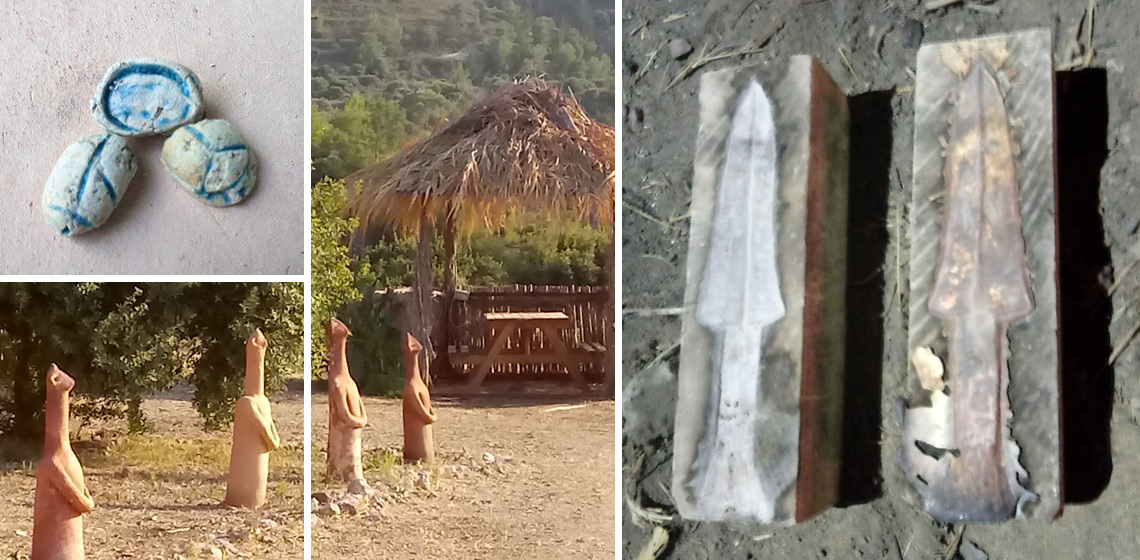
The Third Annual Vounous Symposium was held 1-16 September 2019 and located near Çatalköy in Northern Cyprus. In addition to ceramics and bronze casting, experiments were also conducted on smelting local copper ore, carving moulds from local limestone, and making faience.
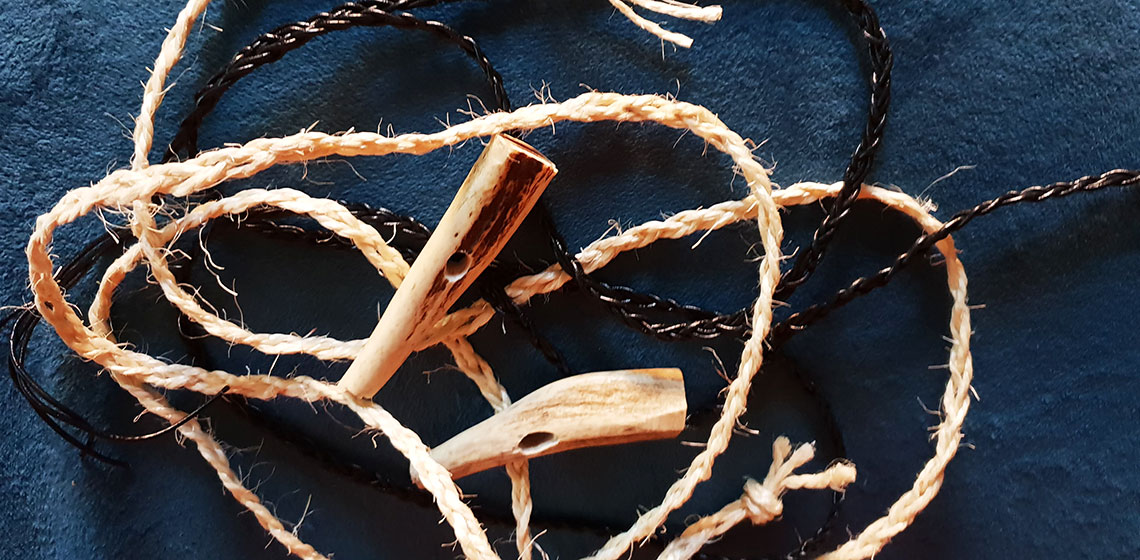
Let’s Do the Tine Warp Again: Reconstructing a Late Bronze Age Bridle from Moynagh Lough, County Meath, Ireland
Publication Date
Both before and after the Irish Late Iron Age (AD 50 - 400) there is an exceptional paucity of knowledge regarding equitation in Ireland. We know that equids are present during prehistory, but basically nothing about their use. This paper documents the reconstruction and use of an organic bridle, based on a possible Late Bronze Age cheek-piece found at Moynagh Lough, Co. Meath.
Event Review: Third Annual Bronze Casting Festival, Uelsen (DE)
Publication Date
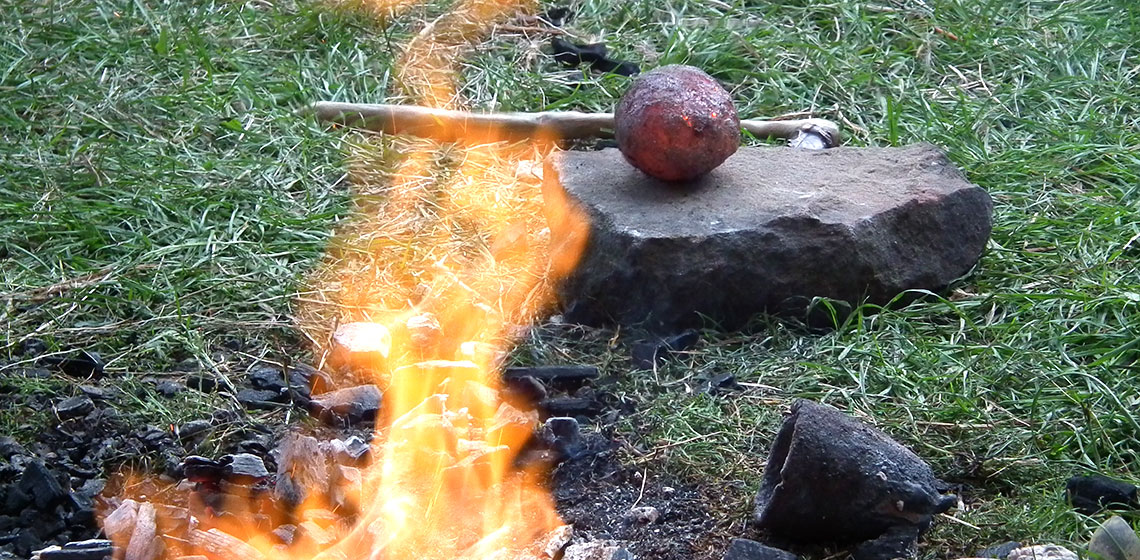
The third annual Bronze Casting Festival at the Bronzezeithof in Uelsen continued its theme of metalworking and experimental archaeology in a Bronze Age setting. The event drew participants from around Europe and the US to combine their knowledge and share experiences...
CRAFTER: An Experimental Approach to Fire-Induced Alteration of Pottery Fabrics
Publication Date
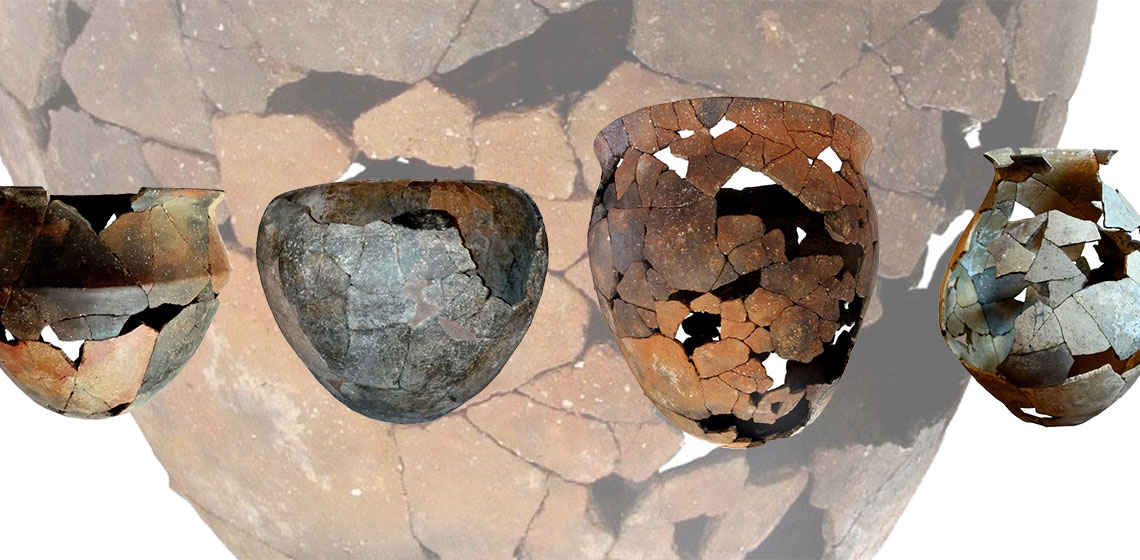
In doing an inventory of ceramic materials from archaeological excavations, it is a common practice to indicate their observable atmosphere of firing. This parameter refers to the presence of gases, especially oxygen, during the firing and cooling of pottery: if oxygen circulates freely, the procedure is said to be oxidising; if, on the contrary, the atmosphere of firing lacks free air, it is called reducing...
Book Review: Experimental Archaeology: from Research to Society, by Isabel Cáceres et al.
Publication Date
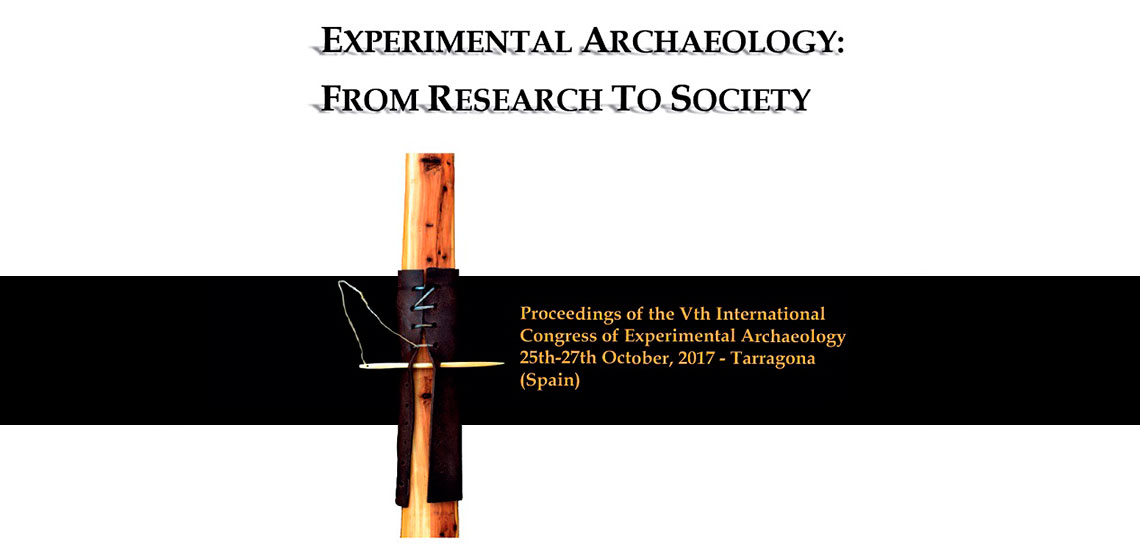
“Experimental Archaeology: from research to society” is a transcript of the proceedings of the Vth International Congress of Experimental Archaeology in Tarragona, Spain, on the 25-27th October 2017. The conference, organized by Experimenta (Asociación Española de Arqueología Experimental), the Institut Català de Paleoecologia Humana i Evolució Social (IPHES)...
CRAFTER: Re-creating Vatin Pottery 2: an Examination of Clay Quality and its Behaviour
Publication Date
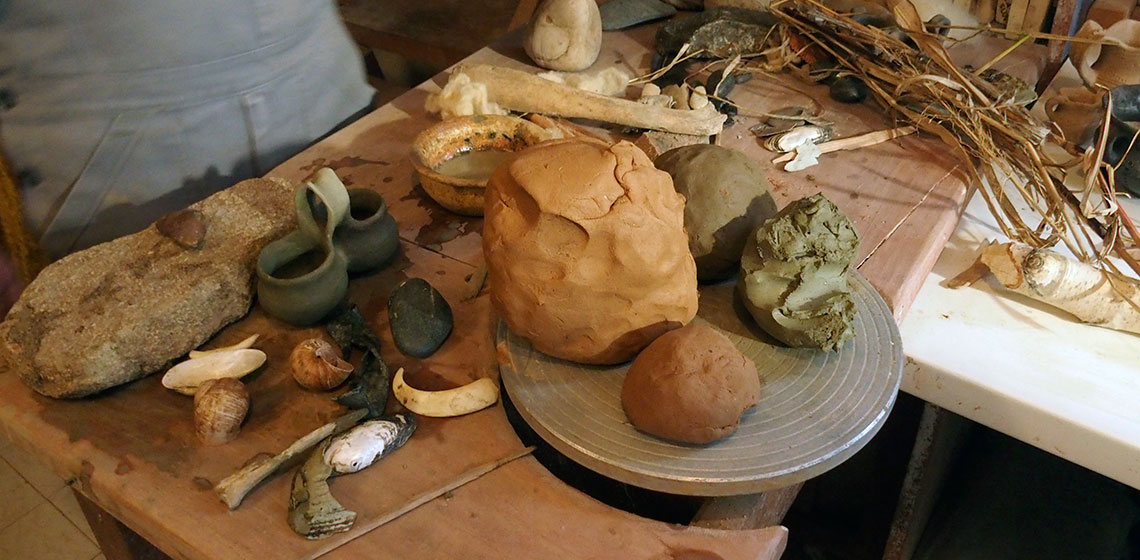
The Bronze Age Vatin culture has been known in archaeology as a cultural phenomenon distinguished by a specific material culture which existed between c. 2200 to 1600 B.C. in the region of the southern part of the Pannonian Plain, and the area along the lower Sava river and south of the Danube river. The Vatin culture followed on from the Early Bronze Age cultures in the region, indicating stabilization in this area after the disintegration of the Aeneolithic Vučedol culture by tribes from the Russian steppe (Garašanin 1979, p. 504; cf.
Event Review: CRAFTER: Back to Bronze Age Craftsmanship: International Meeting of Potters and Archaeologists
Publication Date
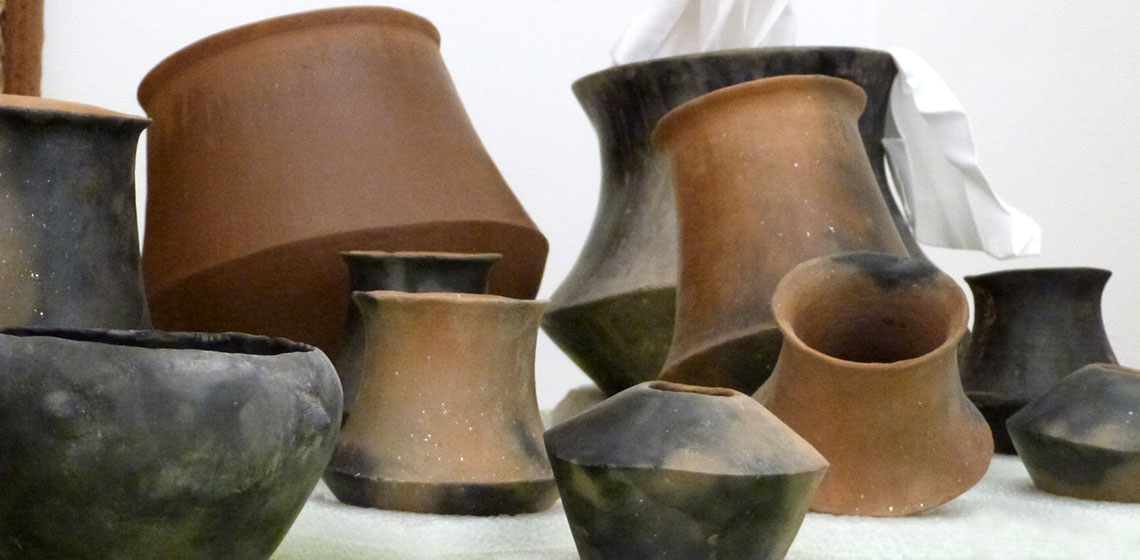
At the end of October 2018, nearly 30 experts – potters and archaeologists – met in the city of Mula (Murcia, Spain) to study Europe’s Bronze Age pottery-making techniques. The event was the initiation stage of the CRAFTER project (Crafting Europe in the Bronze Age and Today), implemented in the framework of the European Year of Cultural Heritage 2018 and the Creative Europe Program...
Book Review: Crafting in the World, Materiality in the Making by Burke and Spencer-Wood
Publication Date
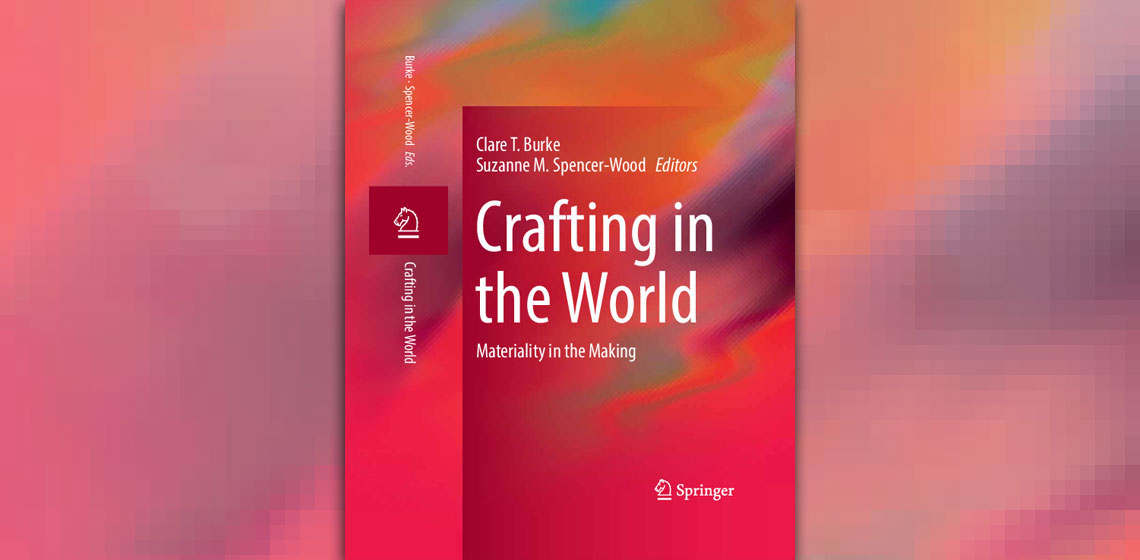
Archaeologists dream of books with comprehensive coverage that address specific gaps in knowledge and at the same time address theoretical issues and newer concerns about the nature of craft in a direct method. Editors Burke and Spencer-Wood fulfil this by discussing the world of craft...