
Bronze Age
Strategy of Presenting Prehistoric Sites Like an Open-air Stand. Why and How and from a Sustainable Development Perspective
Publication Date
Archaeological excavations have revealed important sites from the prehistoric sites, with the cultural achievements of the early lithic tools of hunters-gatherers in the Palaeolithic, to the emergence of the farmer-village societies in the Neolithic, reaching on to urbanisation and the complex societies of the Chalcolithic...
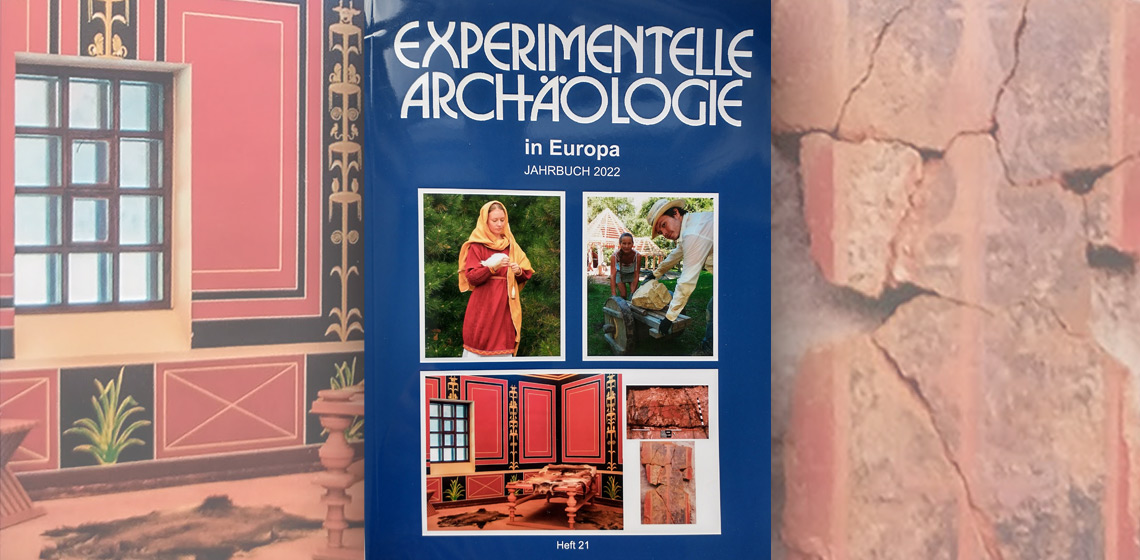
Book Review: Experimentelle Archäologie in Europa, Jahrbuch 2022
Publication Date
Annual Proceedings of the EXAR Tagung
***The periodical is published by Gunter Schöbel and the European Association for the Advancement of Archaeology by Experiment e. V. (Europäische Vereinigung zur Förderung der Experimentellen Archäologie) in collaboration with the Pfahlbaummuseum Unterhuldingen...
***The periodical is published by Gunter Schöbel and the European Association for the Advancement of Archaeology by Experiment e. V. (Europäische Vereinigung zur Förderung der Experimentellen Archäologie) in collaboration with the Pfahlbaummuseum Unterhuldingen...
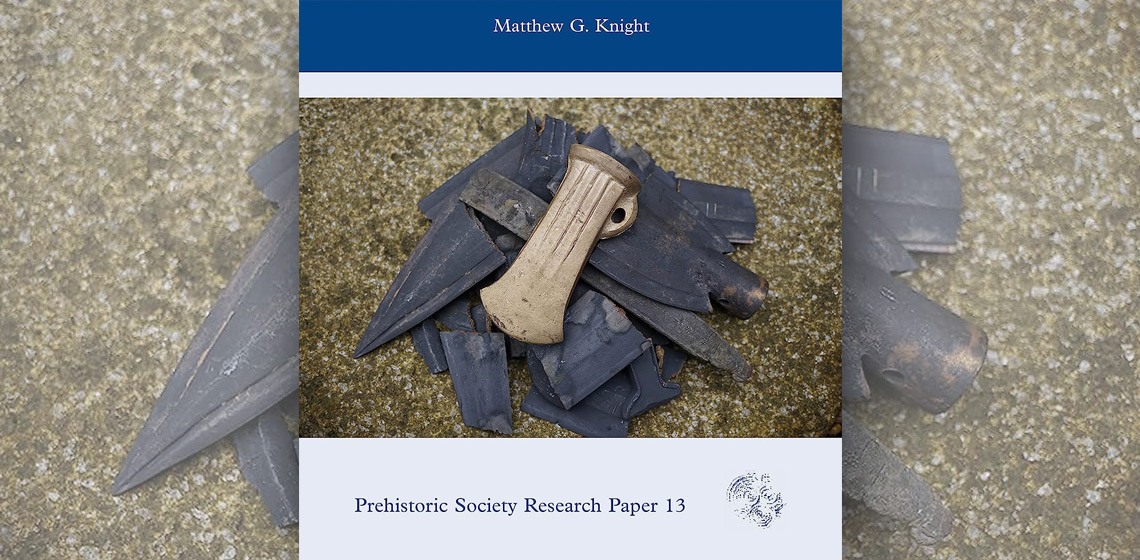
Book Review: Fragments of the Bronze Age by Matthew G. Knight
Publication Date
In this book, Matthew Knight examines fragmentation of metal objects from hoards dating to the Bronze Age of South-West Britain, and uses experimental archaeology to better assess fragmentation and destruction. Fragmentation is the deliberate destruction of metal objects. Other forms of destruction can include bending, folding, or crushing objects so that they are no longer useable.
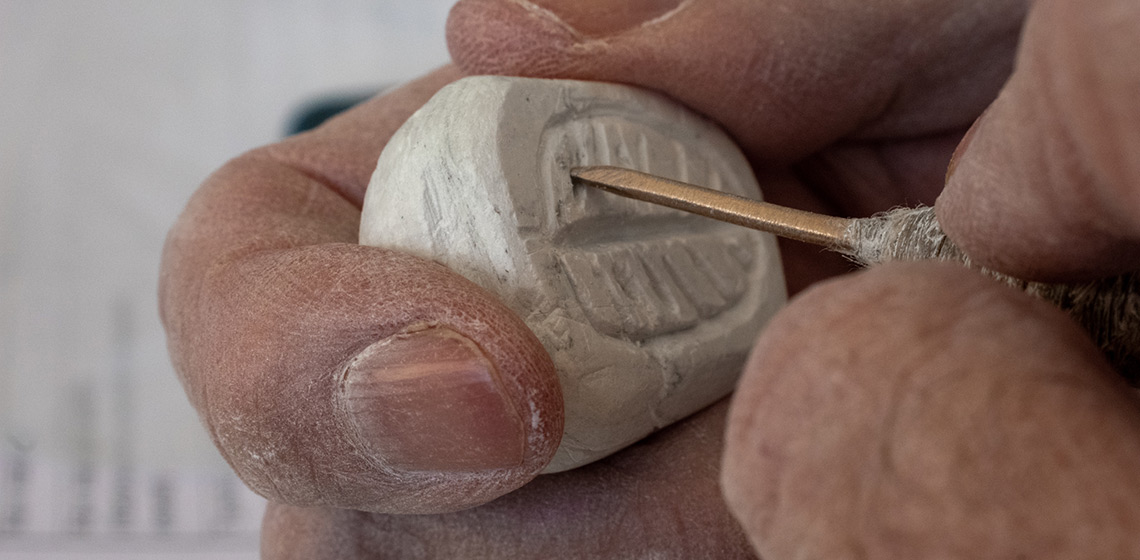
Leave your Stamp: Reconstruction of the Scarab Production Chain
Publication Date
Scarabs are beetle-shaped seals originating in Egypt during the third millennium BC. They were first imported into the southern Levant during the early second millennium BC (Middle Bronze Age I), leading to a flourishing of local production in the following centuries...
Scored Basins from Late Minoan Crete: an Experimental Interpretation from Construction to Functionality
Publication Date
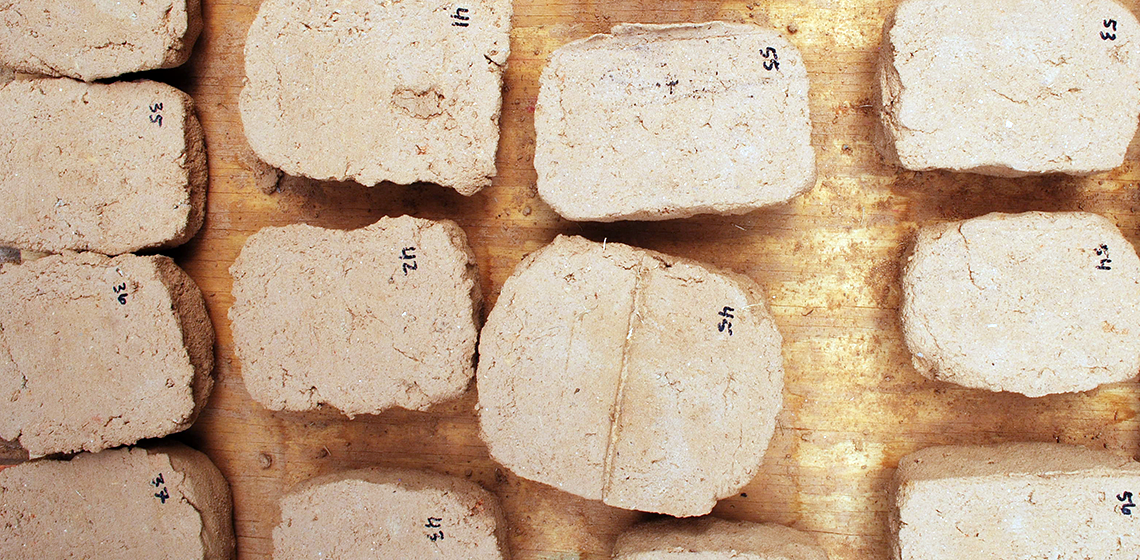
During the Bronze Age in Crete, agriculture, pottery production, metallurgy, textiles, architectural feats, trade, and other specializations flourished. Throughout habitation on Crete, pottery production was an area of craftsmanship and practicality from the end of the Neolithic to Mycenean and Iron Age. This experiment, however, relates to the Late Minoan I period in the geographical region of Mochlos...
An Experimental Approach to Assessing the Tempering and Firing of Local Pottery Production in Nubia during the New Kingdom Period
Publication Date
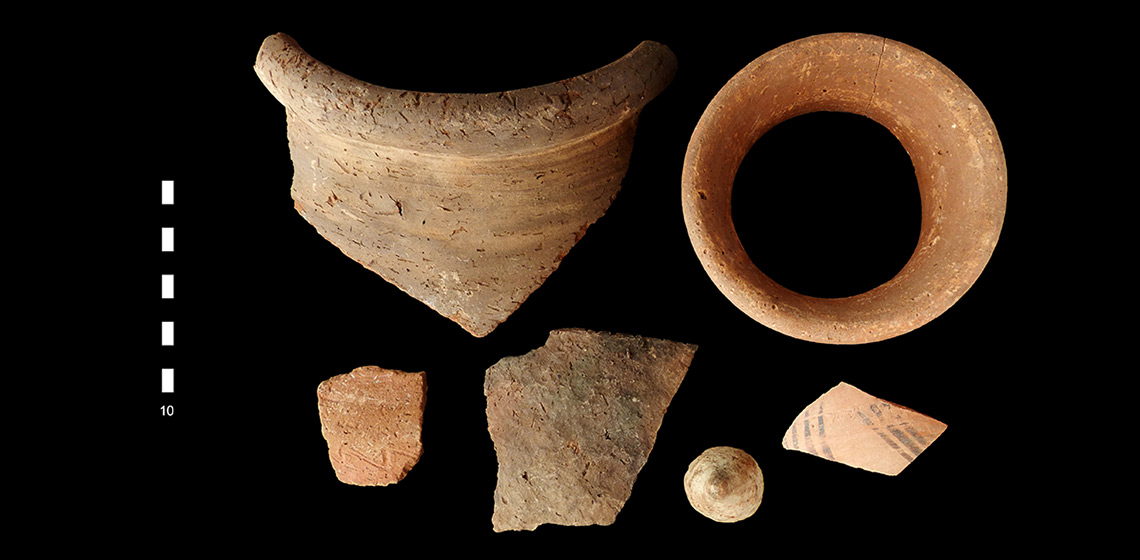
Recently, the development of an independent strand of study, known as the ‘archaeology of dung,’ has resulted in numerous cross-geographical publications confirming the use of animal dung in archaeological deposits as the main fuel source and several other purposes. Most of these studies focus on the analysis of the microscopic evidence attributable to dung...
Different Types of Needles for Specific Uses? Experimental Reproductions of some Finds from Aradetis Orgora, Georgia
Publication Date
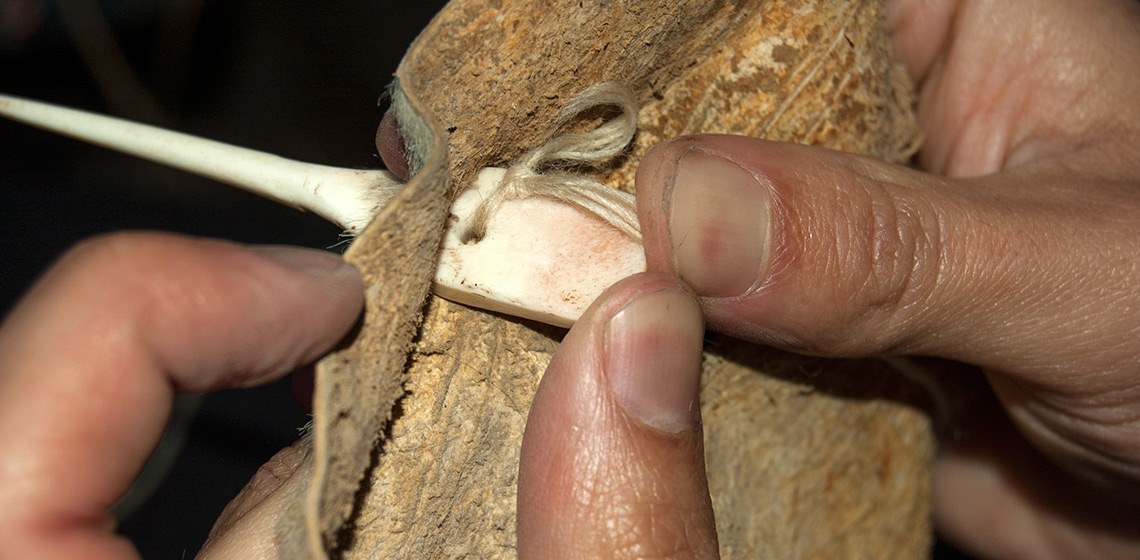
This research aimed to evaluate some new hypotheses about the production and use of a class of pointed tools from the Bronze Age layers of Aradetis Orgora (Georgia), which have been traditionally considered as pins. Its main goal was to provide an alternative interpretation of their function, namely as tools used in basketry...
Hoes or Adzes? Experimental Reproduction and Uses of Deer Antler Tools from the Bronze Age Terramara of Pragatto (Italy)
Publication Date
#EAC12 World Tour 2021
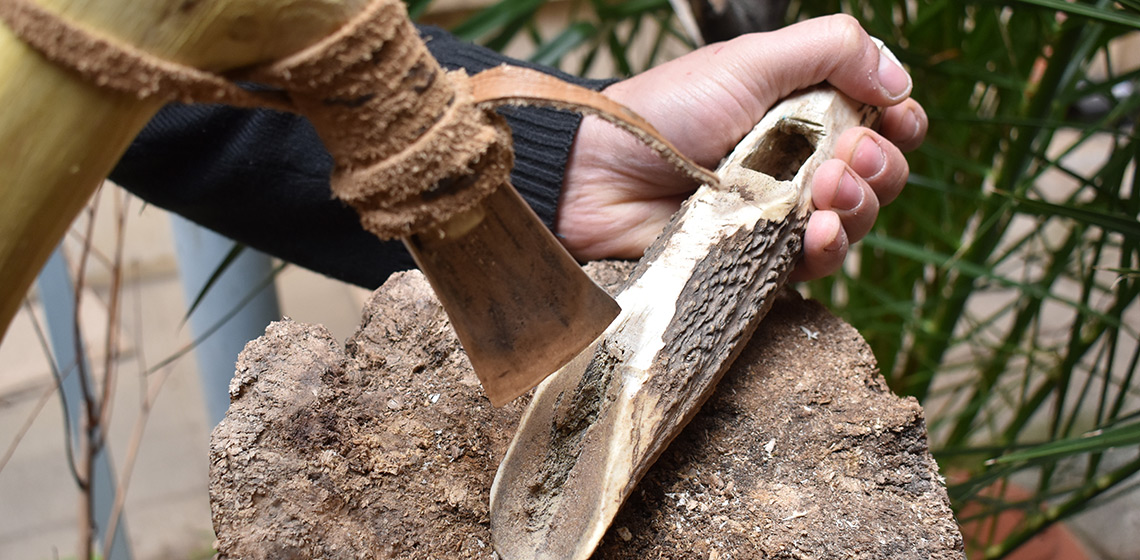
***This research aimed to evaluate the hypotheses related to the production and possible uses of a class of deer antler tools from the Bronze Age Terramara of Pragatto (Italy). These bevel-ended instruments are traditionally considered handled hoes, related to agricultural purposes such as tillage...
***This research aimed to evaluate the hypotheses related to the production and possible uses of a class of deer antler tools from the Bronze Age Terramara of Pragatto (Italy). These bevel-ended instruments are traditionally considered handled hoes, related to agricultural purposes such as tillage...
More Testing of Mesoamerican Lunate Artifacts as Possible Loom Weights, that also Functioned as Twining Tools

Publication Date
In previous replication studies and experiments, a lunate jade artifact from the Pre-Classic/Formative period (1500 BC-AD 250) of Mesoamerica was analysed, researched, and tested for its similarities to the crescent weight, a specialized type of loom weight found in ancient Central and Southern Europe. These analyses successfully established that...
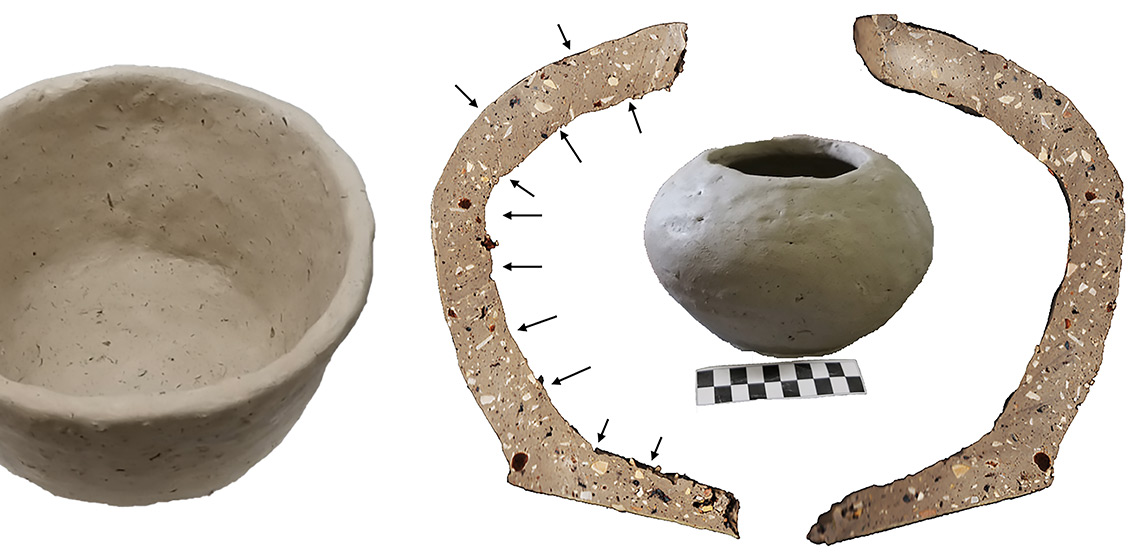
Identifying Ceramic Shaping Techniques: Experimental Results Using the Inclusion and Void Orientation Method
Publication Date
This contribution presents the results of experiments using a simple but effective inclusion and void orientation method for identifying shaping techniques on cut and scanned vessels and sherds. Not only does it provide an additional line of complementary evidence for differentiating ceramic chaînes opératoires, but we argue that it offers observations not accessible by other imaging methods and scales of analysis...