
Early Middle Ages
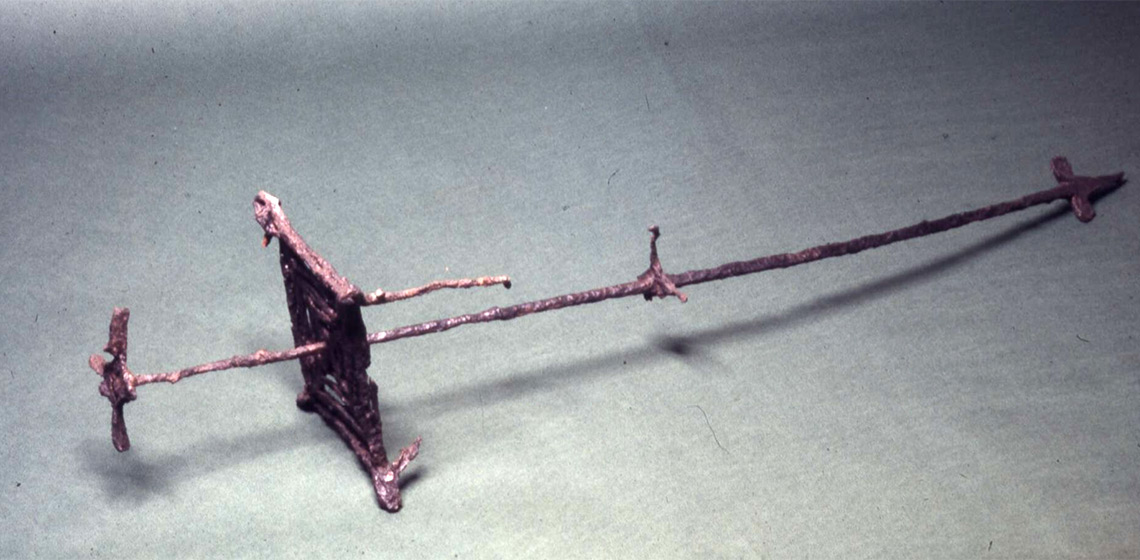
A Proposed New Appearance of the Iron Stand from Sutton Hoo, Based on Existing Material
Publication Date
The Iron Stand from Sutton Hoo, Mound 1 was excavated in 1939. While a first tentative interpretation of its original appearance was made in 1952, this was updated in 1972 following a science-led investigation of the artefact. However, some features of the object were not included in the later representation...
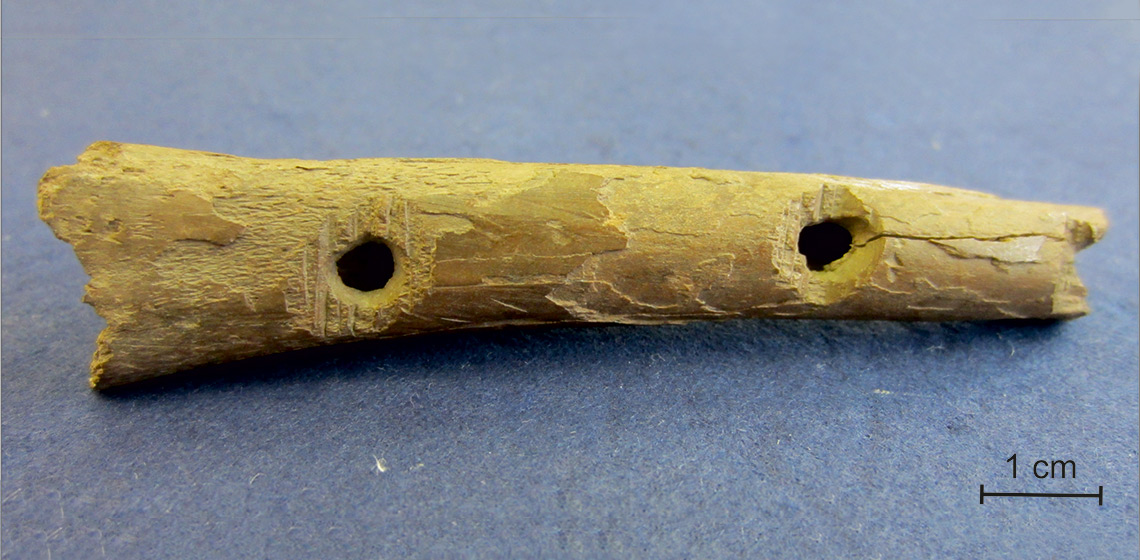
A Singing Bone from the Mätäjärvi (‘Rotten Lake’) Quarter of Medieval Turku, Finland: Experimental Reconstructions and Contemporary Musical Exploration
Publication Date
At the turn of the 14th and 15th centuries, in the town of Turku (SW Finland), a new quarter was built near a lake that came to be known as Mätäjärvi (‘Rotten Lake’), possibly because it was polluted by the waste from leather tanners, shoemakers, and other artisans. In the excavated remains of a wooden house in this quarter, objects like leather shoes, clippings and scrapings, imported stoneware from Germany...
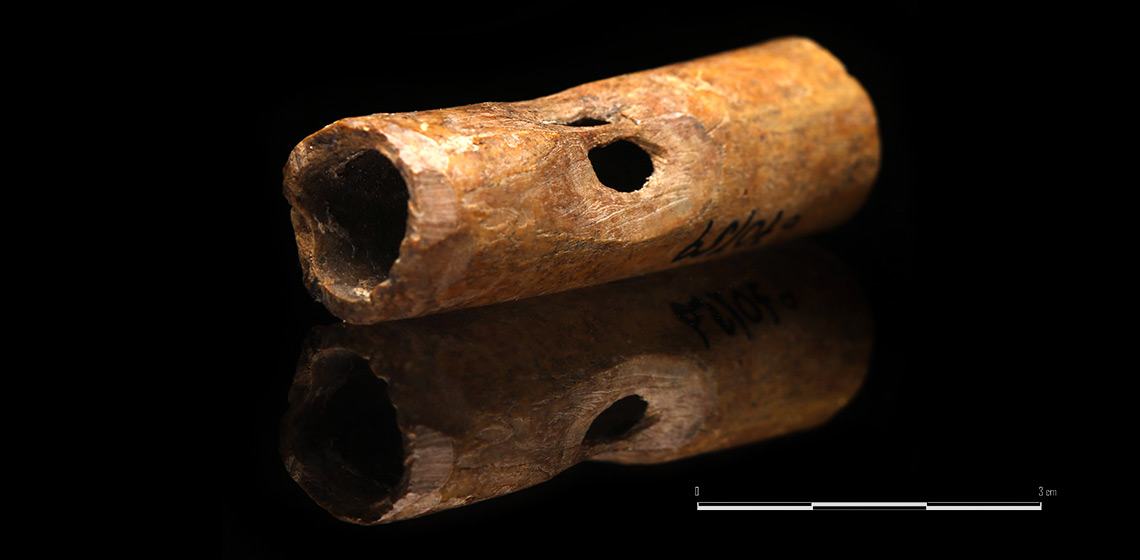
Bone Pipes with Parallel Tone Holes. Materials from Medieval Poland (until the End of the 12th C)
Publication Date
Bone and wood pipes are among the medieval aerophones which have been discovered during archaeological excavations in Poland. The ones that interested us are characterized by a parallel arrangement of sound holes. They are short pipes, several centimetres long, with two holes cut in different places of the pipe body, either at one end or in the middle...
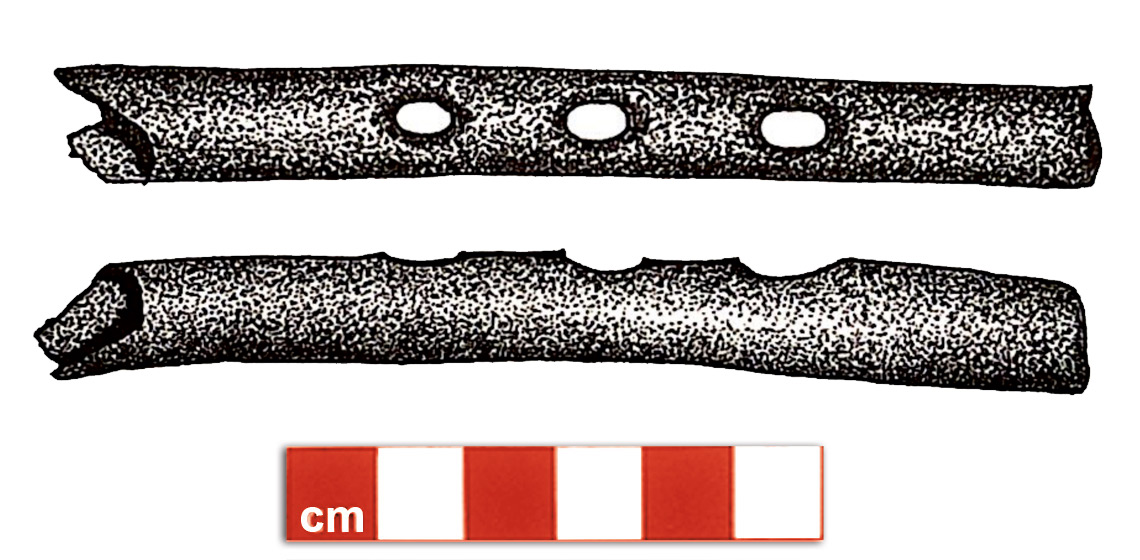
Early Medieval Bone Pipes: Understanding the Sounds of These Instruments through Reconstruction
Publication Date
Bone pipes are the most numerous instrument surviving from Early Medieval England. These instruments are usually classified as ‘flutes’ despite many of the examples missing the defining categorisations. Two examples from the archaeological record of early Medieval England will be used as case studies: one instrument from North-West Essex and the other from York...
The Weald & Downland Living Museum’s Saxon Hall
Publication Date
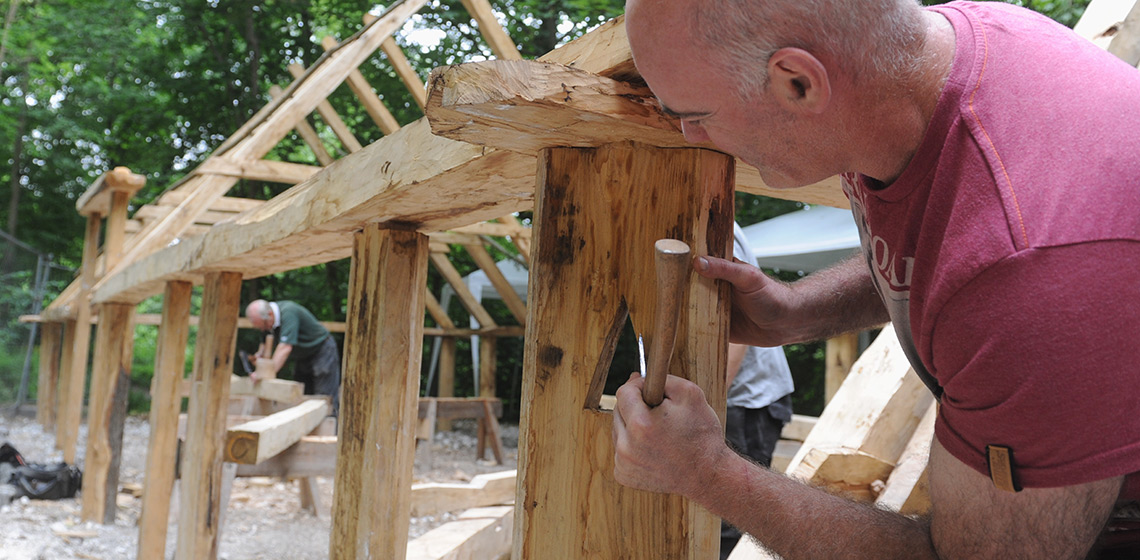
In the early days of the Weald & Downland Open Air Museum, from September 1970, there was a Saxon building on the site, which was one of only two archaeological reconstructions at the museum. This original sunken-floor Saxon building is no longer standing but, after several years in the planning, a new project saw the construction in 2015 of another Saxon building, the Saxon Hall from Steyning...
Recreating Historic European Spindle Spinning

Publication Date
Spinning is a vital step in the production of textiles, whereby fibres are drawn out (drafted) and twisted together to make thread. In the present day, several culturally unique types of spinning are recognised, such as the thigh-rolling technique of traditional Navajo spinners who use unusually large spindles in a supported style (Wolf Creek, 2009)...
The Ancient Magic of Malt: Making Malt Sugars and Ale from Grain Using Traditional Techniques
Publication Date
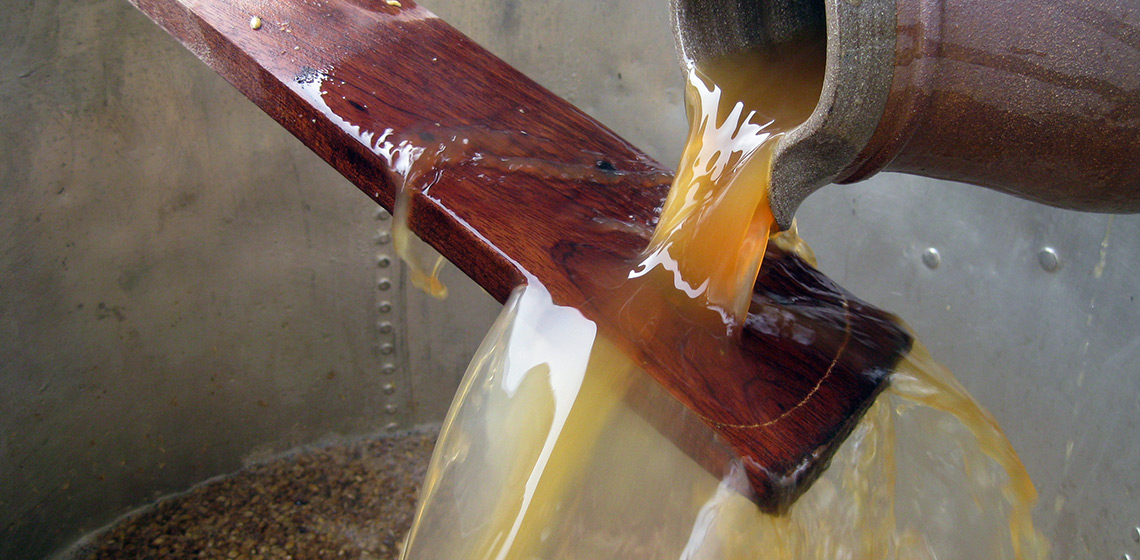
The transformation of grain into malt, malt sugars and ale is a three step process. First, the controlled germination (malting), then ‘mashing in’ and collecting a sweet liquid known as wort and finally, the fermentation by pitching the yeast which converts the sugary wort into an alcoholic beverage. Each step requires different conditions for the process to work. They cannot be combined...
Traces of Manufacture, Use, Repair and Modification Observed on Ethnographic Throwing Sticks and Boomerangs
Publication Date
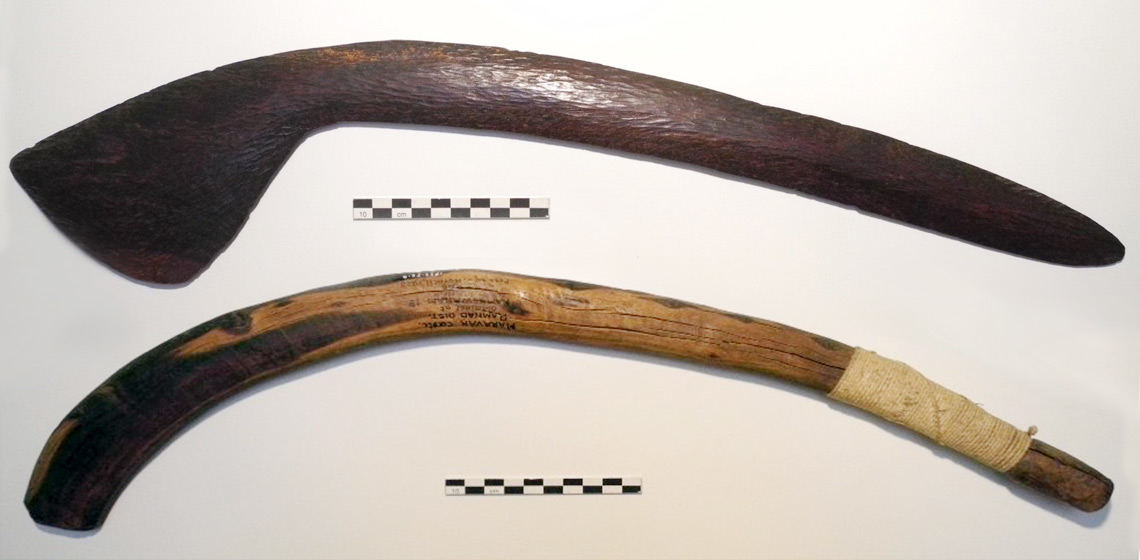
Throwing sticks and boomerangs are present in the collections of many French and international museums. Collected mainly in the 19th and 20th centuries by travelers, they were mainly analyzed from a stylistic point of view, to relate them to their region of origin. Some of these objects were made by the indigenous populations especially to be exchanged with Europeans and only bear macro-traces of manufacture...
Book Review: Craft Beer Culture and Modern Medievalism: Brewing Dissent by Noëlle Phillips
Publication Date
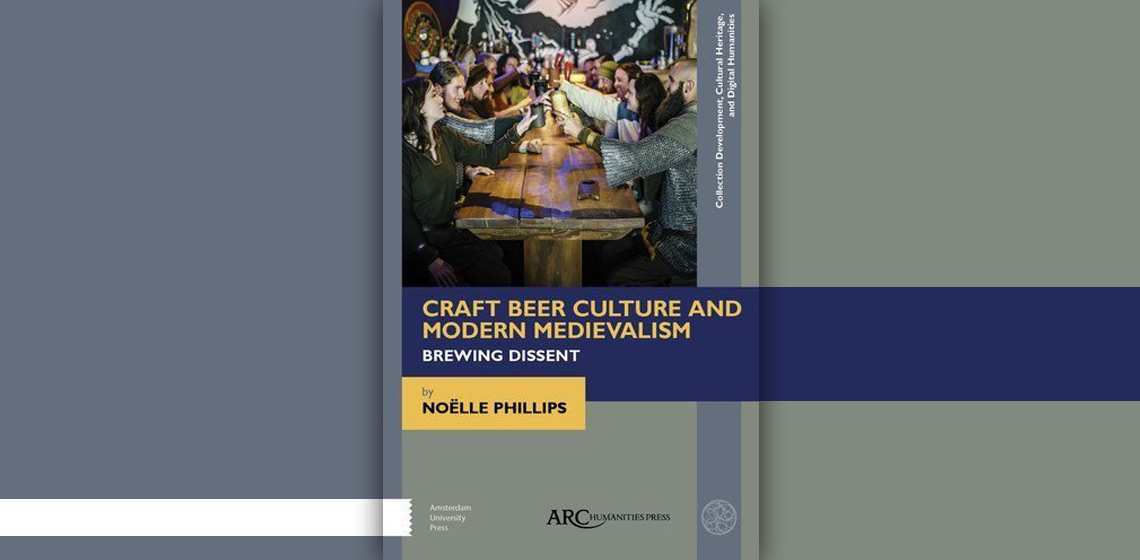
In Craft Beer Culture and Modern Medievalism: Brewing Dissent, Noëlle Phillips takes a critical look at the people and legends of craft beer and the ways in which medievalism and masculinity have shaped the industry of craft beer brewing. Craft beer may seem to be a rather flippant choice for an analytical scholarly study, but it is a movement deeply infused with modern assumptions...
What was *platъ and how Did it Work? Reconstructing a Piece of Slavic Cloth Currency
Publication Date
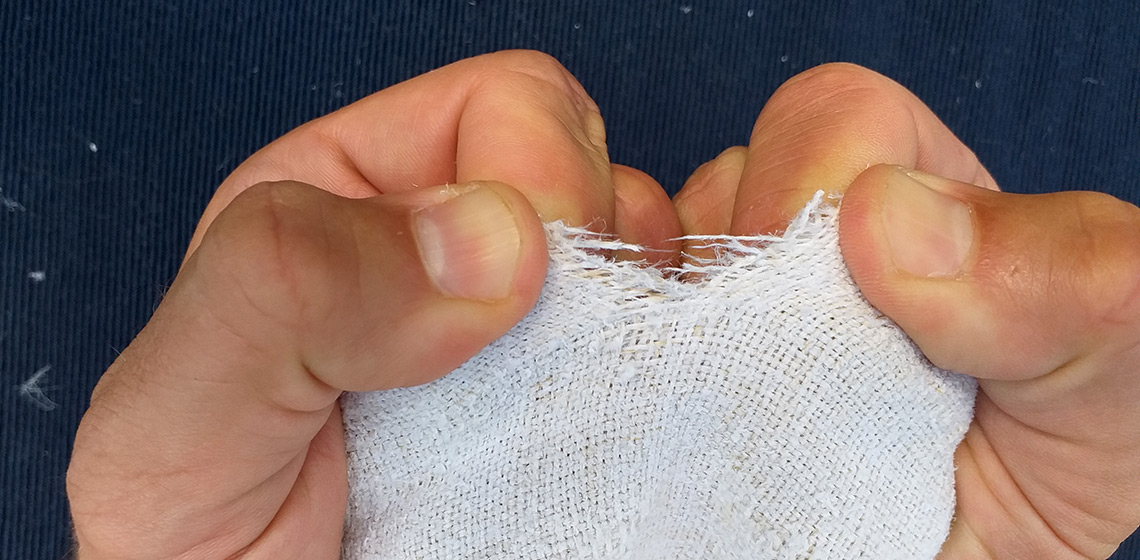
Using a credit theory of money, we propose that at least some Slavic tribal communities underwent a process of social monetization. In order to fully support this hypothesis, however, many linguistic and historiographic sources would need to be discussed – a task which exceeds the scope of a single article. Therefore, we will here focus on examining (from technical perspective) the oldest type of “money” mentioned by Slavic tribal communities, which we interpret as physical records of mutual obligations.