Mesolithic

Investigation of the Practical Functions of Fluting on Throwing Sticks and on Other Ethnological Wooden Artefacts
Author(s)
Luc Bordes 1 ✉
Publication Date
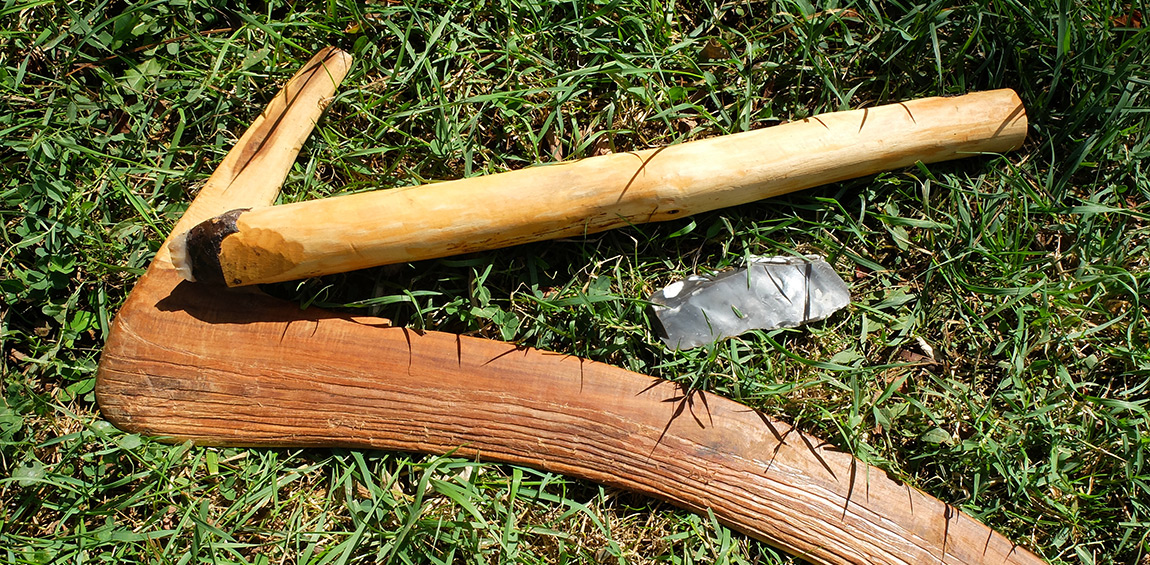
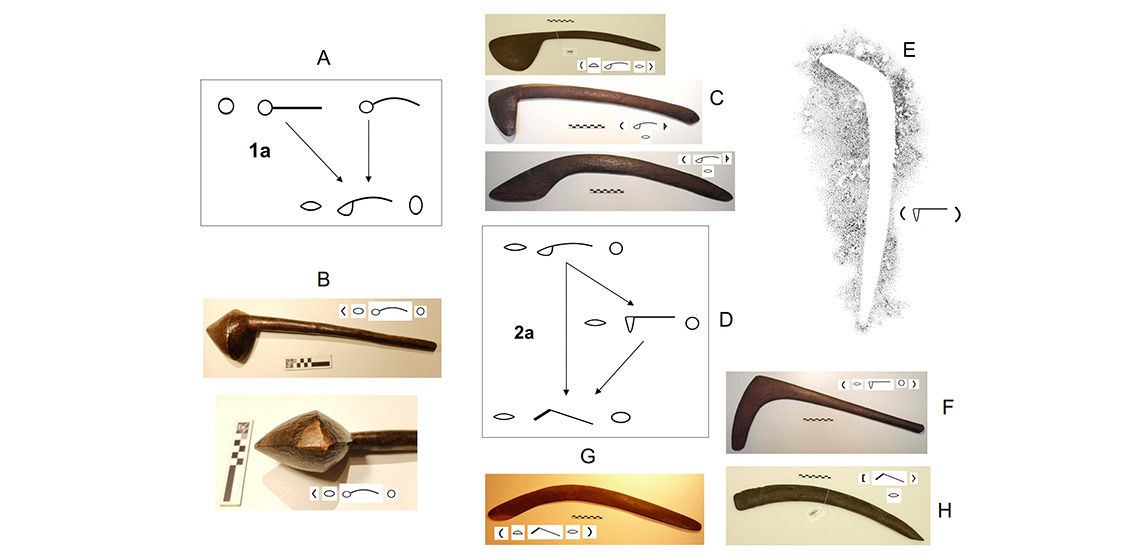
Why are the surfaces of some Australian throwing sticks fluted? According to a previous research, this feature could positively influence their flight, but this effect does not explain the function of fluting on other wooden artefacts (shields, clubs, containers) which are not used as projectiles. The former function of flutes is probably to be found among others type of wooden implements from which it has been transferred to throwing sticks...

Black Ash - a Forgotten Domestication Trait in Garden Orach (Atriplex hortensis L.)
Author(s)
Lutz Zwiebel 1 ✉
Publication Date

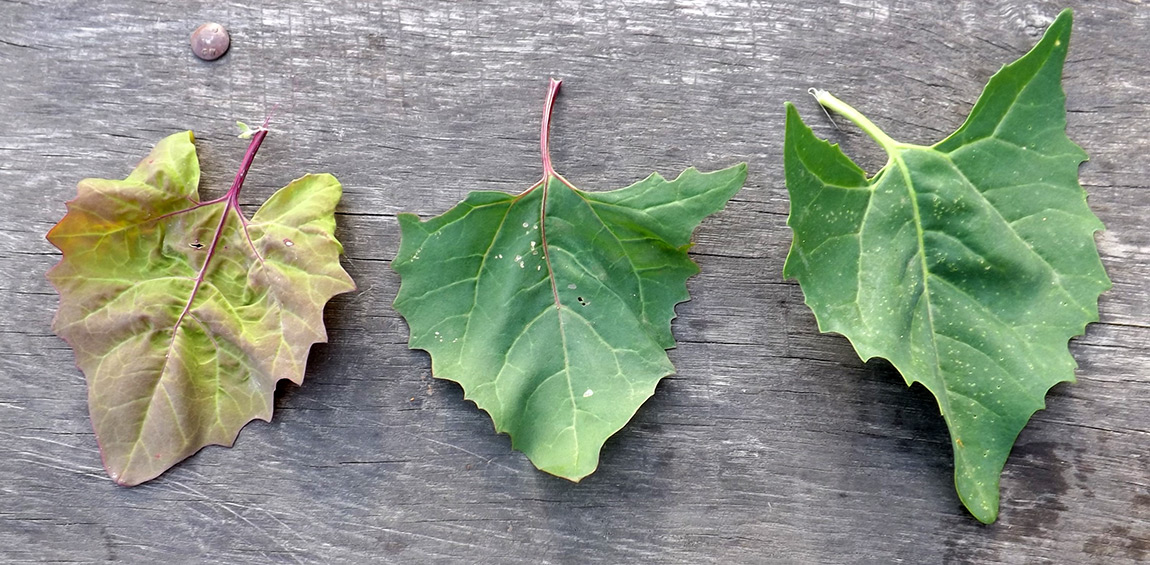
Garden Orach (Atriplex hortensis L.) is a vegetable plant of minor importance but with a wide distribution throughout the Old World and beyond. Previous research revealed its diverse medicinal and magical importance in prehistory. Here, Orach’s special ability to retain sodium even in non-saline ground is introduced. The outstandingly high concentrations of sodium in dry plant matter and plant ash suggest its use as a salt substitute, manifested in an early domestication trait. Special attention is paid to the variability of this trait in cultivars from different geographic regions and within the genus Atriplex. ..

Knowing the Drill: Investigating Mesolithic Perforation Technologies Through Experiment, Traceology, and Photogrammetry
Author(s)
Andrew Fitches 1 ✉,
 Ben Elliott 2
Publication Date
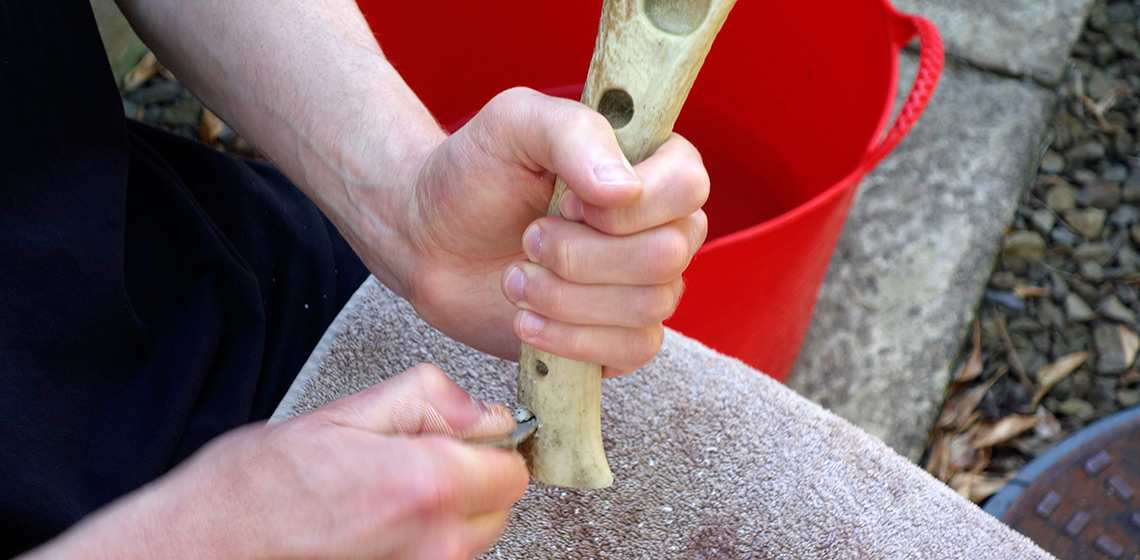
Perforations observed in artefacts, such as heavy tools, made from red deer antler indicate that Mesolithic people possessed various means for making holes in osseous materials. Nevertheless, prehistoric perforation technologies are relatively poorly understood. This study argues that a lack of systematic experimental-traceological work, compounded by...

A Scheme of Evolution for Throwing Sticks
Author(s)
Luc Bordes 1 ✉
Publication Date
Prehistoric wooden projectiles likely have a complex evolutionary story in a similar way to stone tools, depending on their functions, and the cognitive and physical capabilities of hominins who used them. The technologies of some ancient projectiles (e.g., spears, arrows) can be studied more directly because they were equipped with...

Strategy of Presenting Prehistoric Sites Like an Open-air Stand. Why and How and from a Sustainable Development Perspective
Author(s)
Mona Abo Azan 1 ✉
Publication Date
Archaeological excavations have revealed important sites from the prehistoric sites, with the cultural achievements of the early lithic tools of hunters-gatherers in the Palaeolithic, to the emergence of the farmer-village societies in the Neolithic, reaching on to urbanisation and the complex societies of the Chalcolithic...

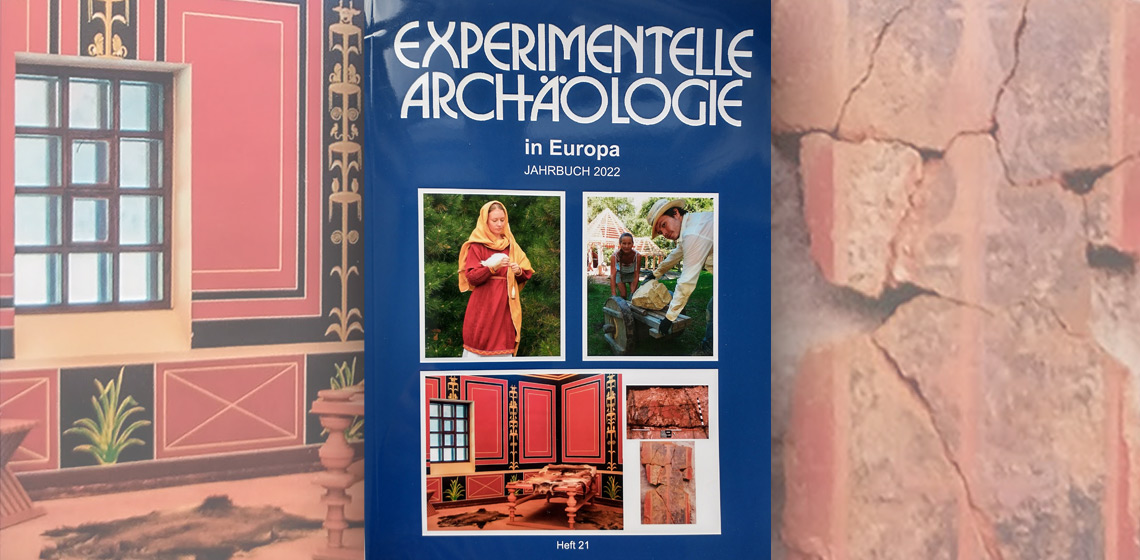
Book Review: Experimentelle Archäologie in Europa, Jahrbuch 2022
Author(s)
Stefanie Ulrich 1 ✉
Publication Date
Annual Proceedings of the EXAR Tagung
***The periodical is published by Gunter Schöbel and the European Association for the Advancement of Archaeology by Experiment e. V. (Europäische Vereinigung zur Förderung der Experimentellen Archäologie) in collaboration with the Pfahlbaummuseum Unterhuldingen...

Pit Preserve from Ida – on the Problem of Charred Seeds from Prehistoric Pits
Author(s)
Lutz Zwiebel 1 ✉
Publication Date

Introduction

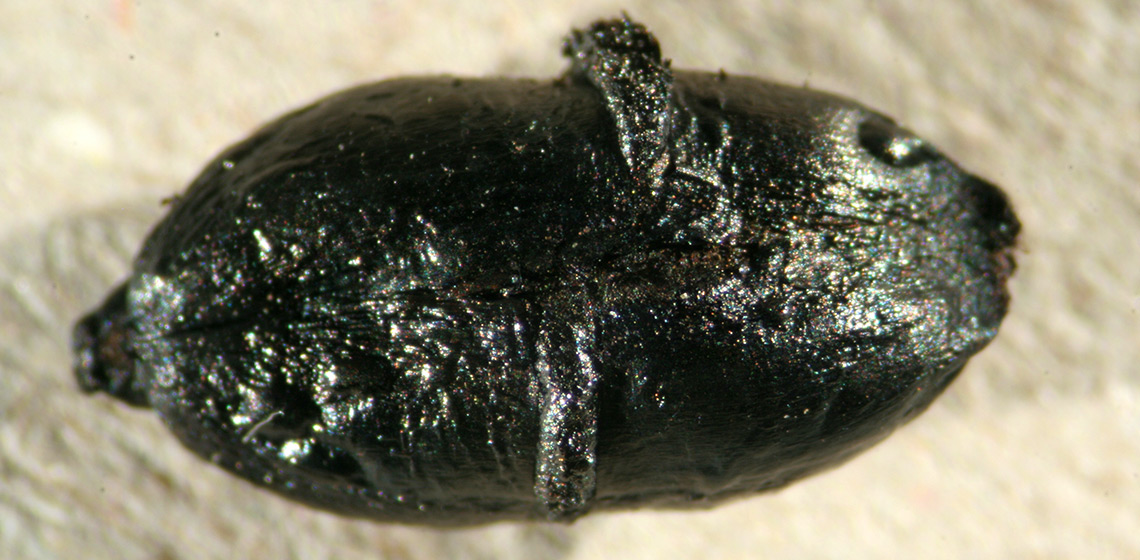
A wild seed propagator and gardener (such as myself) relies on years of close human-plant interaction. The adaptability of domesticated and many wild plants to human economy and behaviour has always thrilled me. When I first read archaeological reports of frequent and large amounts of prehistoric charred seeds that were dumped in the ground I was bemused. It contrasted starkly with the care and sensitivity I use in the processes of seed harvest, drying and selection. So I started reading more and also charring seeds myself.

Beeswax an Addition to the Production of European Stone Age Adhesives
Author(s)
Aleksandra Cetwińska 1 ✉,
Maciej Sadło 1
Publication Date
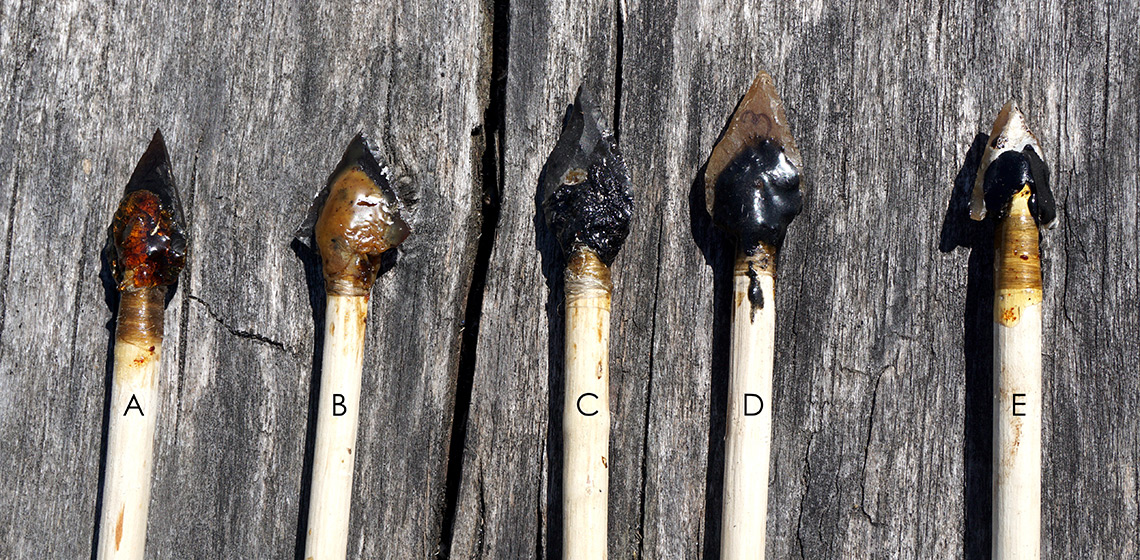
Beeswax is a frequently mentioned binder additive in the literature. Unfortunately, it is not so durable as to be well preserved in archaeological records, although there are faint exceptions. Because of its strengthening capabilities, which is believed to be its role, this research set out to carry out an experiment to verify the effects of adding it to the adhesives potentially used in the European Stone Age...

Book Review: Determining Prehistoric Skin Processing Technologies by Theresa Emmerich Kamper
Author(s)
Carol van Driel-Murray 1 ✉
Publication Date
This volume on prehistoric tanning technology is the revised and expanded version of the dissertation submitted to Exeter University in 2015. It is noteworthy in that it places experiment at the heart of the entire research programme, thereby radically changing the perspective from which archaeological and ethnographic artefacts might be approached...

Book Review: Experimentelle Archäologie in Europa, Jahrbuch 2020

Author(s)
Stefanie Ulrich 1 ✉
Publication Date
Annual Proceedings of the EXAR Tagung
***The 19th issue of the periodical includes 19 essays over 231 pages which present the contributions of the EXAR conference held in 2019. The annual report (Jahresbericht, p.225) and the instructions for authors (Autorenrichtlinien, p.229) of Experimentelle Archäologie in Europa can be found at the end...