
Spain
Prehistoric Immersions - Living, Experimenting and Feeling the Prehistory
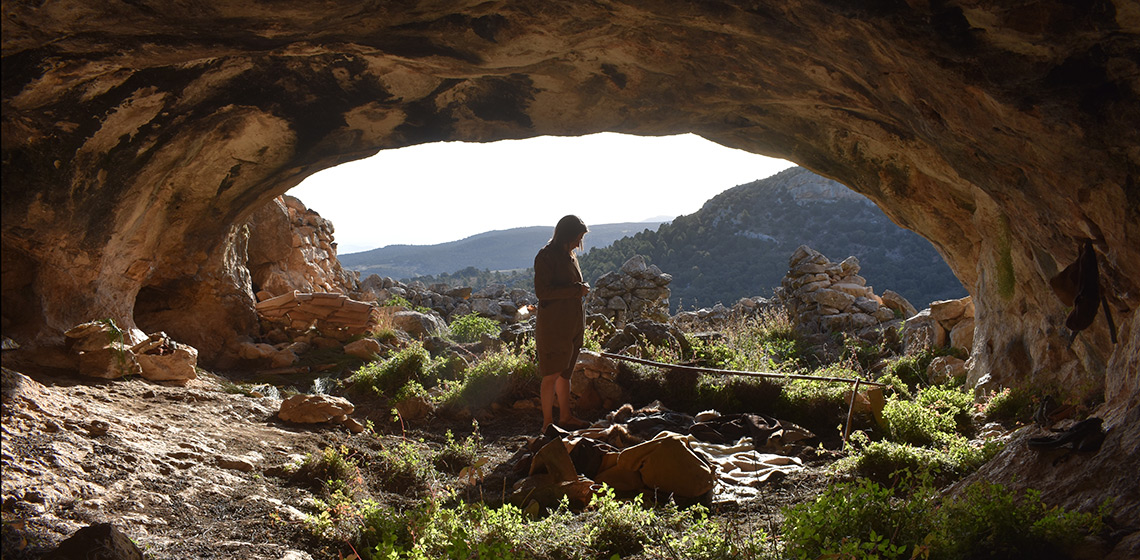
Prehistoric immersion as a resource to test all the technical knowledge of ancient times, as well as the social relationships in that context. We present our experience across six of these activities, showing how experience varies by site, weather, and social relationships...
RETOLD: Review of the Meeting at the Universitat Autònoma de Barcelona (UAB), June 2022
Publication Date
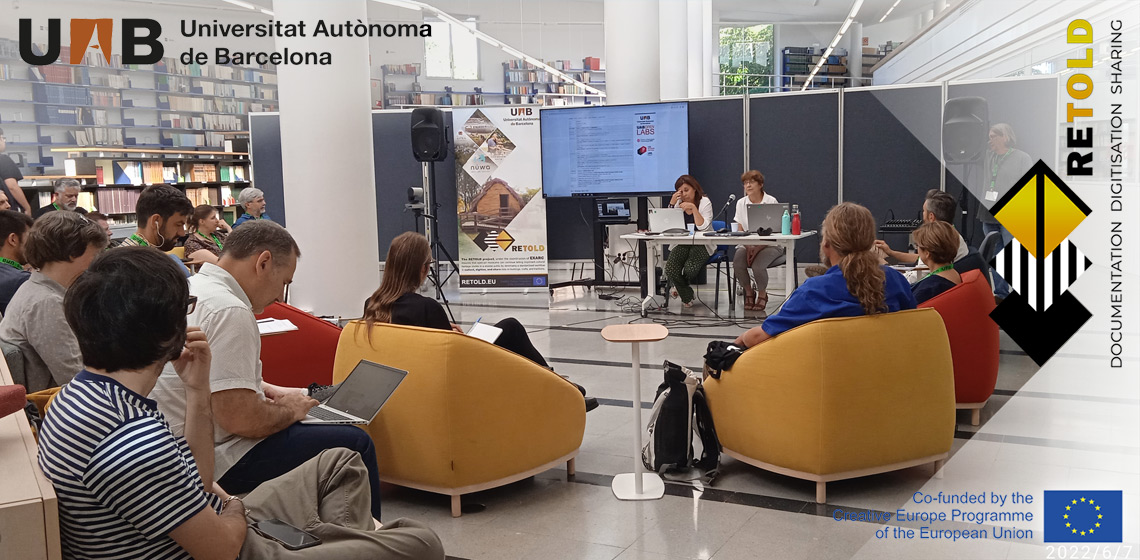
In June 2022, the first onsite RETOLD project meeting took place in the Universitat Autònoma de Barcelona (UAB), hosted, and organised by the Prehistory department. The meeting in Barcelona was important to introduce the RETOLD project to a wider public of specialists and students, and to test the idea of the web-app for the first time with all partners and some expert guests...
An Experimental Approach to Tannur Ovens and Bread Making in the southwest of the Iberian Peninsula during the Iron Age
Publication Date
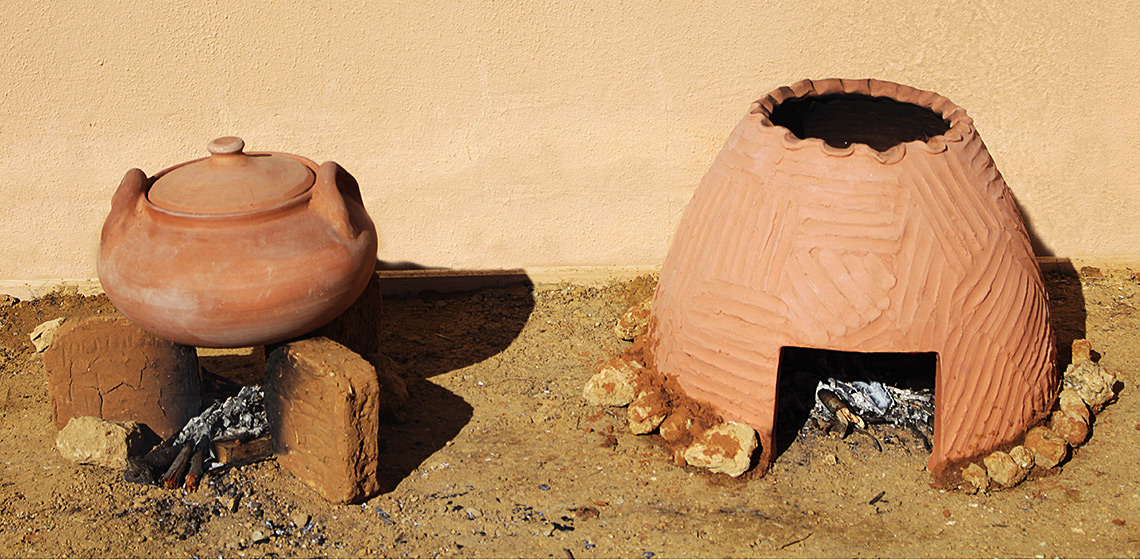
Culinary culture has played an essential role in the configuration and interaction of human societies throughout history, shaping both individual and collective identities. Like the modern Mediterranean diet, Phoenician-Punic subsistence relied on cereals, often in the form of...
RETOLD: Documenting Houses, Sharing the Story with the Visitors
Publication Date
Open-air museums host much cultural heritage data. You can find them in archival records, photos, video, and the minds of people. These data are at risk of being lost. This is where RETOLD comes in, a European Project (Creative Europe Program) with six partners working together on a solution.
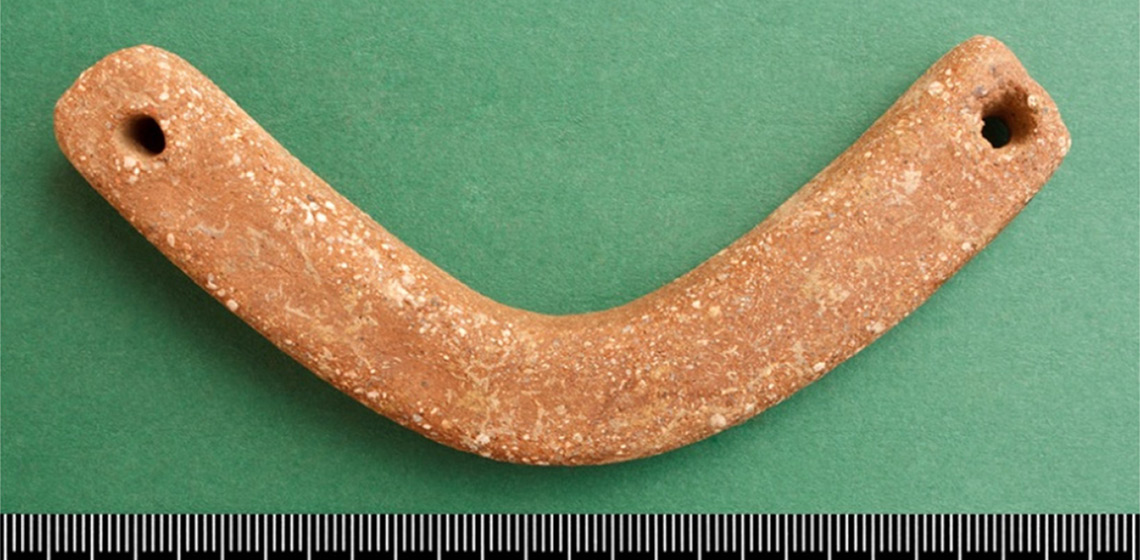
Experimental Weaving and Twining with Ceramic Crescents from the Late Neolithic and Chalcolithic in Southwestern Iberia
Publication Date
Ceramic crescents are a common find at Late Neolithic and Chalcolithic sites in southwestern Iberia (late fourth – third millennium BC). These objects, which often weigh less than 100 g and are perforated on each end, are typically referred to as loom weights and thought to be associated with textile production, although their function remains uncertain...
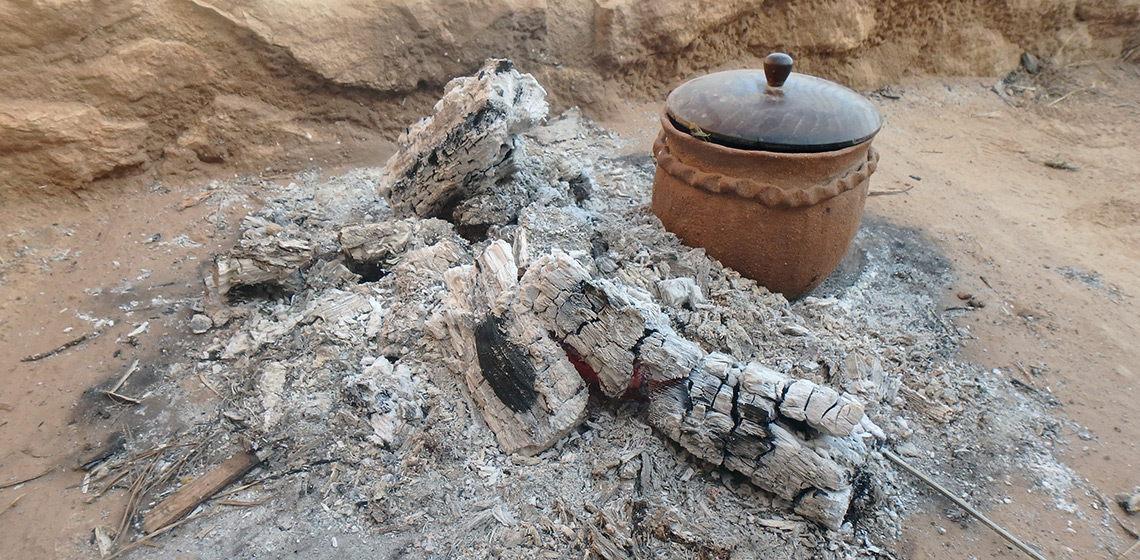
Experimental Archaeology of Iron Age Firing Structures from the Western Mediterranean
Publication Date
Within the project “Transdisciplinary and experimental study of firing structures in the western Mediterranean during Protohistory (1st millennium BC)”, the TRANSCOMB project is an experimental research programme conducted at the Ciutadella Ibèrica (Iberian Citadell) of Calafell Archaeological Site (Tarragona, Spain) (See Figure 1 and Figure 2). The main objective of the research is to deepen our knowledge of ...
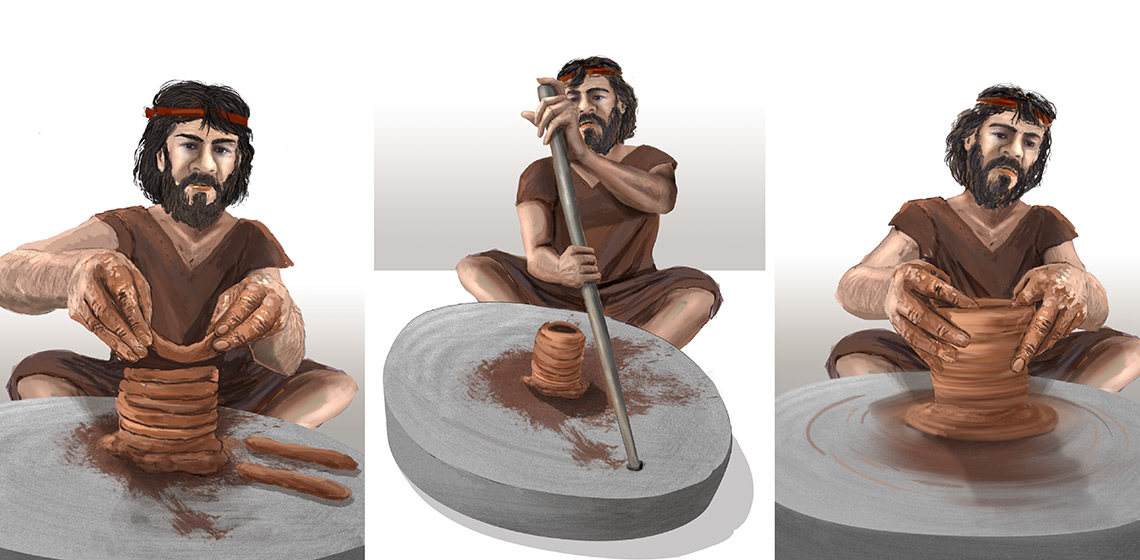
Some Reflections on the Origin and Use of the Potter's Wheel during the Iron Age in the Iberian Peninsula. Interpretive Possibilities and Limitations
Publication Date
An abundance of past research has addressed Iron Age pottery in the Iberian Peninsula since the beginning of archaeological analysis in Spain. However, it has mainly focused on examining historical-cultural aspects linked to specific chronologies and typologies. It is only rarely that studies have been concerned with production processes. Ethnography has traditionally been used to make direct ...
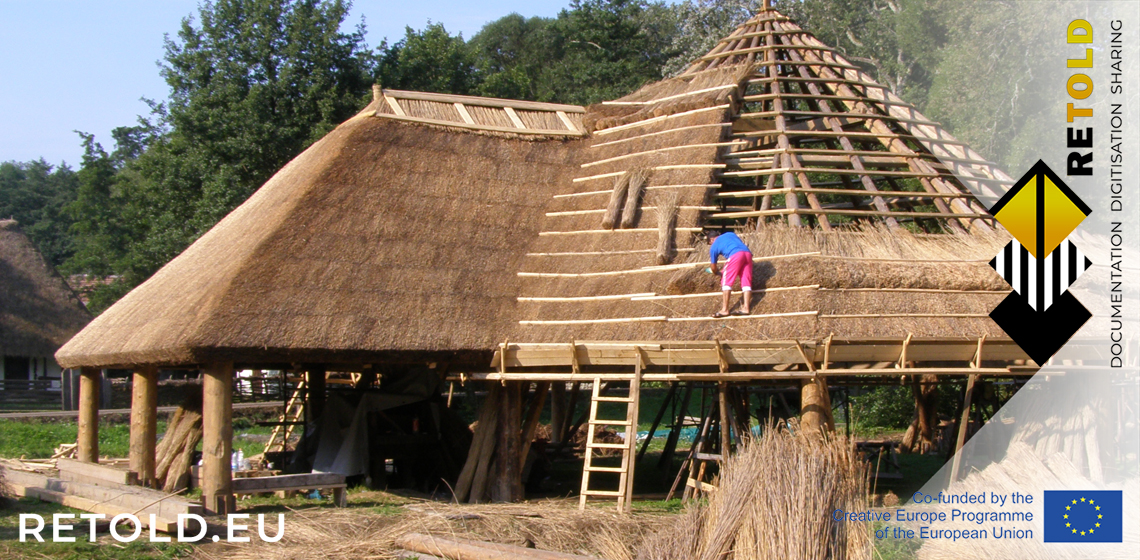
RETOLD: A European Project Digitises Memories of Experimental Archaeology for Their Preservation
Publication Date
The origins of the European RETOLD project, led by the international association EXARC, lie in a concern to preserve the heritage generated by archaeological open-air museums through the creation of a standardised system for collecting, digitising and disseminating knowledge (memories) of the processes of building reconstruction and handcrafted objects. The project has a duration of four years ...
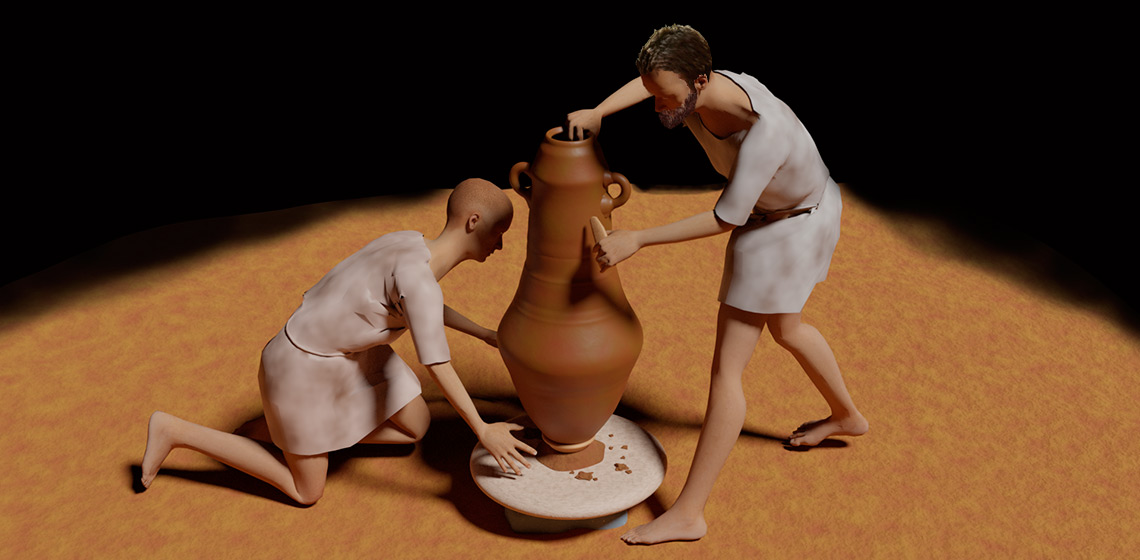
Throwing Punic Amphorae: An Archaeological and Experimental Approach to the use of the Potter's Wheel in southern Iberia during the Iron Age
Publication Date
The transport of food products in amphorae was a basic pillar for the maritime-oriented economies and sustenance supplies of the Phoenician and Punic communities of first millennium BC southern Iberia. Over the last few decades, numerous investigations have been carried out aimed at identifying the manufacturing sites of these amphorae, at defining both their typological and chronological aspects...
Experimental Archaeology in the Museum of Archaeology of Catalonia
Publication Date
11th EAC Trento 2019
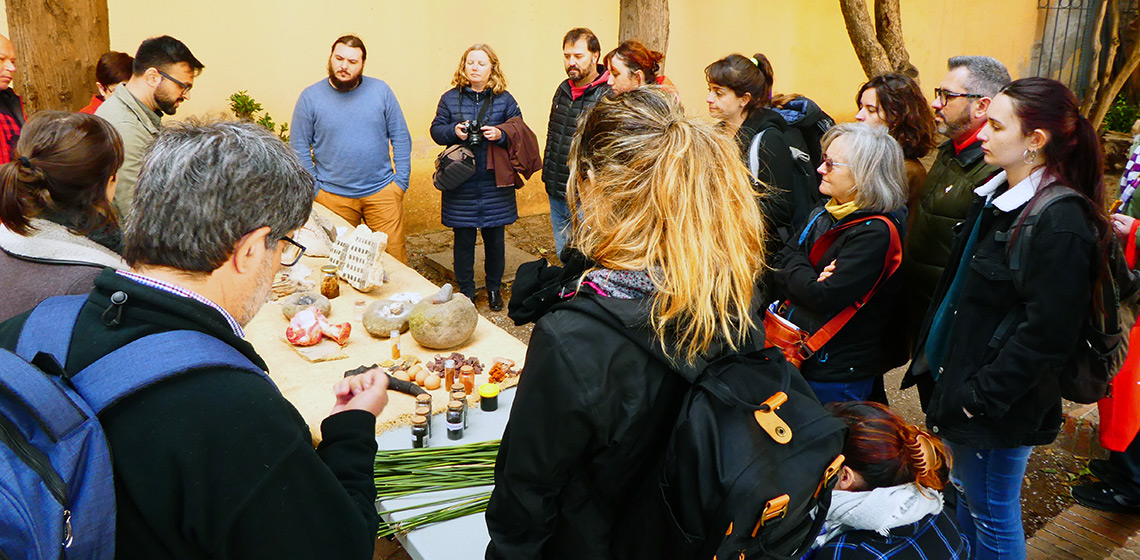
***The Museu d'Arqueologia de Catalunya (MAC) was created under the Museums of Catalonia Act in 1990 by the Department of Culture of the Government of Catalonia. Its foundation dates back to 1932. The museum carries out various activities related to Experimental Archaeology projects in the fields of both education and research...
***The Museu d'Arqueologia de Catalunya (MAC) was created under the Museums of Catalonia Act in 1990 by the Department of Culture of the Government of Catalonia. Its foundation dates back to 1932. The museum carries out various activities related to Experimental Archaeology projects in the fields of both education and research...