
experimental archaeology
An Angle on Splicing – Experimental Insights into the Production of Linen Thread in Ancient Egypt
Publication Date
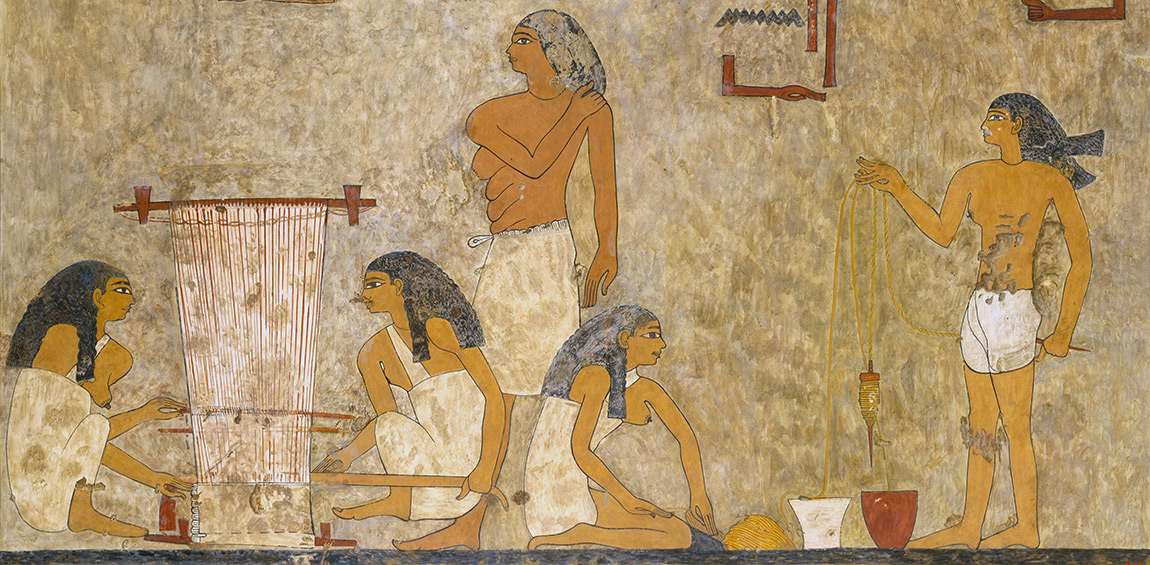
This paper presents an experimental investigation into the production of linen thread in ancient Egypt, with particular focus on materials and techniques attested during the New Kingdom. The study aimed to reconstruct the process of splicing, a fundamental method in the manufacture of Egyptian yarns, to clarify the technical aspects that remain insufficiently understood. Although previous scholarship has extensively documented the general principles and many of the technical features of ancient Egyptian textile production, the practical reconstruction of a functional spliced thread has proven far more complex than theoretical descriptions suggest.
Basics of Theoretical Foundations in Historic Experimental Studies in the Sense of Practicability
Publication Date
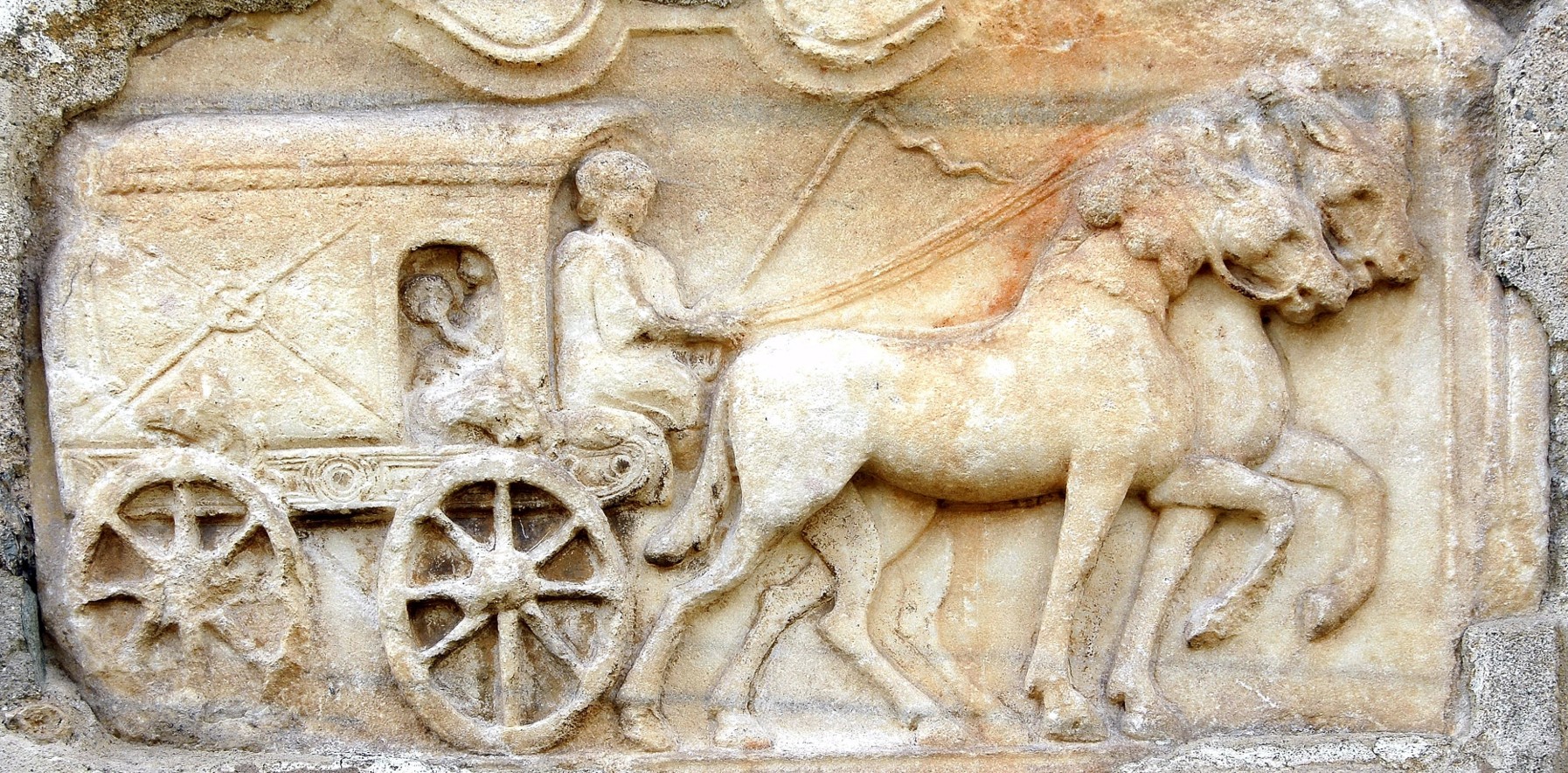
Researchers working in historical disciplines (history, archaeology, art history, legal history, theology) can draw on a source base that has grown in varying degrees. Nevertheless, source material especially for older periods remains incomplete, difficult to access or fragmentary. New insights into performance in a historical context of use - additionally to the fruitfully and carefully conducted ethnological comparison - are to be gained by supplementing, reconstructing and experimentally testing only fragmentarily preserved material or/and described evidence under historical conditions. Beyond the individual object, such reconstructions have epistemological relevance if they are methodologically controlled and verifiable.
Experimental Evaluation of Novel Levelling Methods Based on the Hohokam Stone Palette Design Evolution
Publication Date
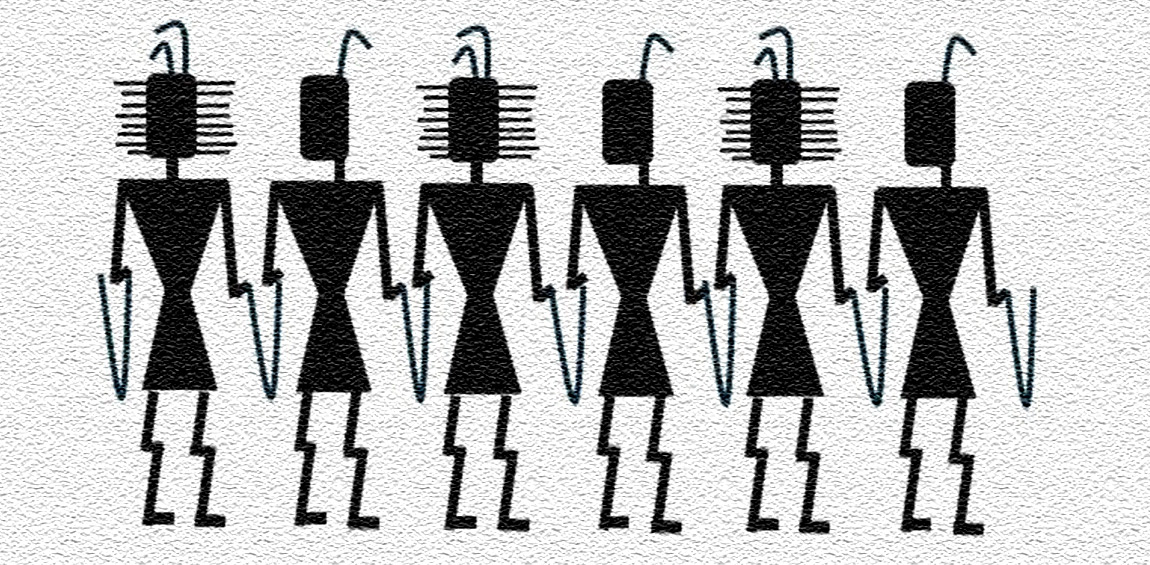
Carved stone palettes are recognised as a distinctive characteristic of the Pre-Classic Hohokam culture. Palettes have been found throughout the Hohokam region, and their distribution has helped to define that region. Prior study has documented context and physical properties of palettes and examined potential uses, including as a tool for pigment processing and use (i.e., a palette). During the same Pre-Classic period associated with palette deposition, the Hohokam constructed irrigation canals by exploiting or creating contours in the landscape to direct and control the flow of water. It is supposed that the Hohokam engineered these irrigation canals without the use of levelling instruments...
Book Review: Experimentelle Archäologie in Europa, Jahrbuch 2025
Publication Date
Annual Proceedings of the EXAR Tagung
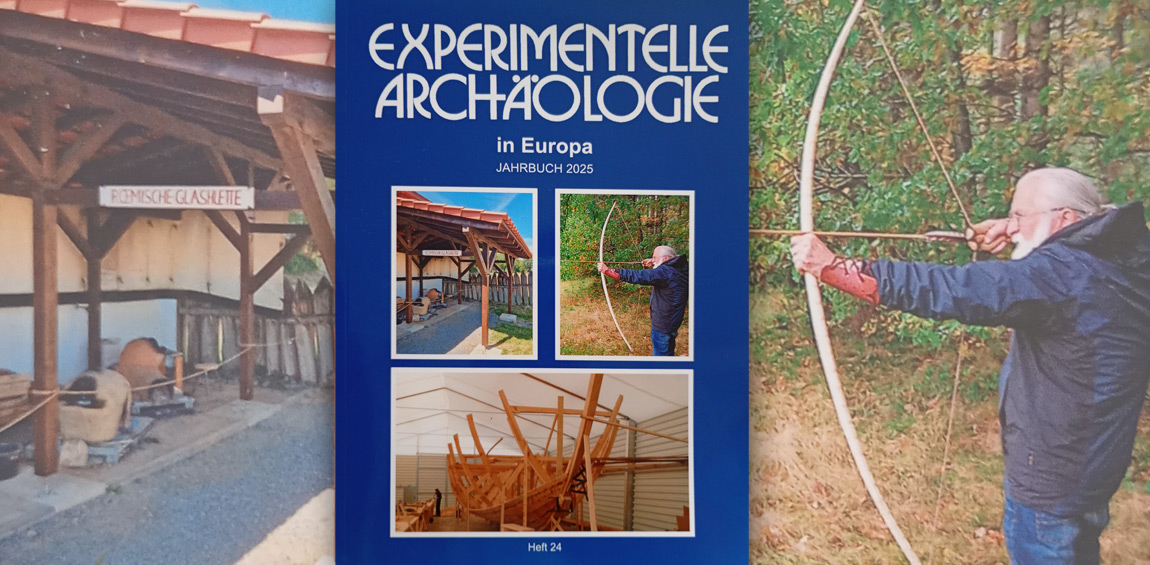
***In 2024 EXAR hosted their annual conference from 19th until 22nd September 2024 at the Urgeschichtlichen Museum (URMU) in Blaubeuren (Germany) which was attended, due to available space, by 80 participants. The Jahrbuch 2025 contains as before essays from lectures held at this conference and was presented at the 2025 conference. As usual, the annual report (pp. 247-250) and the author guidelines (pp. 251-253) are at the back of the volume.
***In 2024 EXAR hosted their annual conference from 19th until 22nd September 2024 at the Urgeschichtlichen Museum (URMU) in Blaubeuren (Germany) which was attended, due to available space, by 80 participants. The Jahrbuch 2025 contains as before essays from lectures held at this conference and was presented at the 2025 conference. As usual, the annual report (pp. 247-250) and the author guidelines (pp. 251-253) are at the back of the volume.
Obituary: Prof. Dr. Mamoun Fansa (27 August 1946 – 10 April 2026)

Publication Date
It is with sadness that we bid farewell to Prof. Dr. Mamoun Fansa, who passed away on 10 April 2026. With him, we have lost a figure who, like few others, stood for experimental archaeology in Germany and Europe: as a researcher, museum director, networker, and committed communicator. For Mamoun Fansa, experimentation was not an “illustration” of the past but a path to verifiable knowledge, and at the same time an invitation to the public to take part in archaeological reasoning.
Book Review: Forsøgets Fremtid – Fra Eksperiment til ny Arkæologisk Vide by Henriette Lyngstrøm and Camilla Fraas Rasmussen (eds)
Publication Date
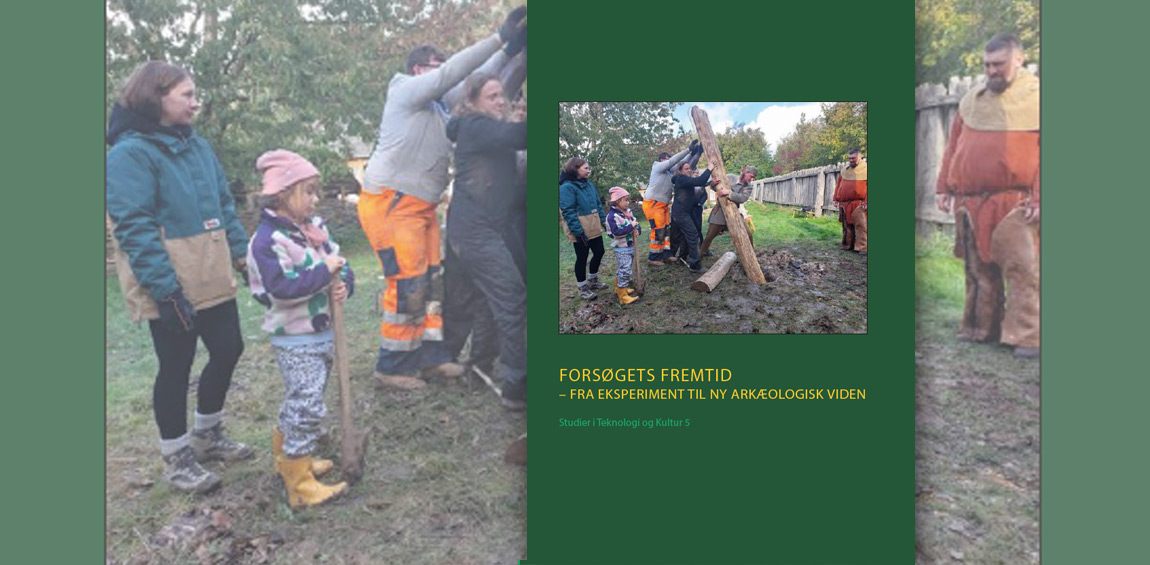
This book is the result of a seminar with the same title, hosted in Sagnlandet Lejre. It contains a repository of articles focussed on hands-on experiments and experiences covering a range of periods from the Neolithic to the modern era. In addition to this some articles address timeless subjects, dealing with more theoretical frameworks and cooperation such as the second article by Lucas Garbrecht Overvad, and high-tech solutions such as the fourth article by Sofie Louise Andersen. A rough summary and commentary are presented below...
Conference Review: The 7th CONEXP held October 22-25 2025 in Liège (Belgium)
Publication Date
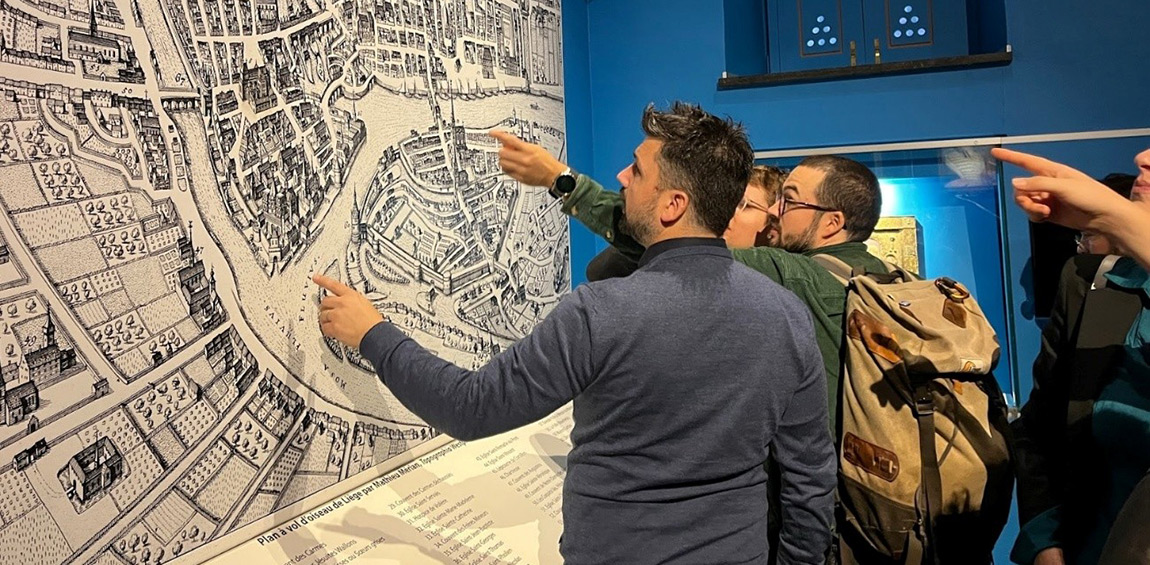
The 7th International Congress of Experimental Archaeology was held by the members of the TracéoLab (Liège, Belgium), between 22 and 25 October 2025. The organising committee was composed of Veerle Rots, Dries Cnuts, Justin Coppe and Sonja Tomasso (See Figure 1). This meeting, which takes place every three years, was eagerly awaited by the experimental archaeology community. It fulfilled all expectations and was a great success...
Thoughts on the Concepts and Methods of Experimental Archaeology
Publication Date
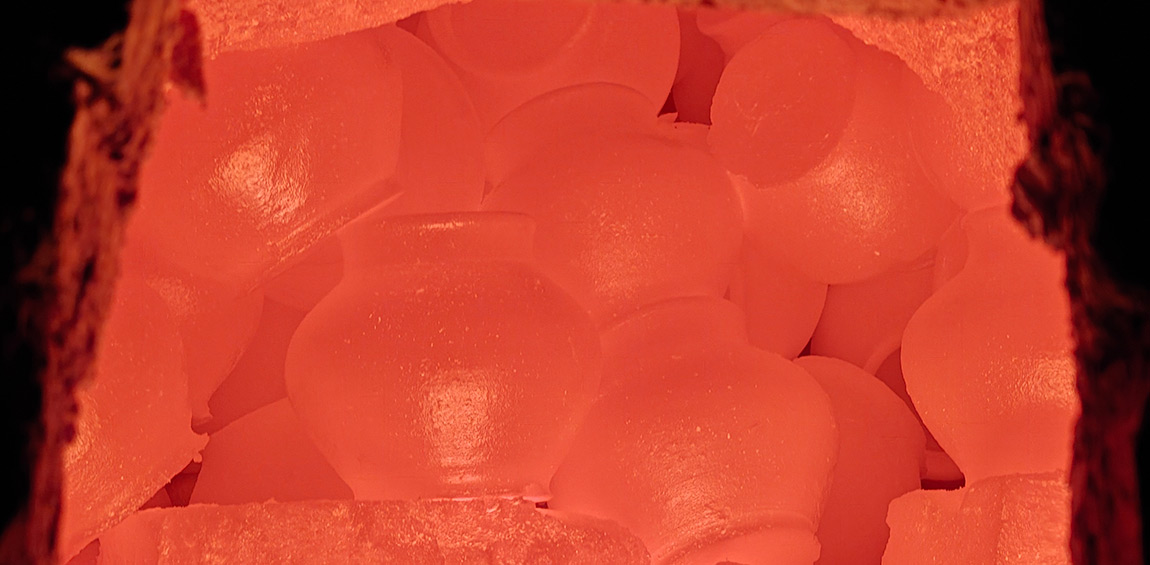
Based on the theory of experimental archaeology, this paper clarifies the definitions of academic terms including simulation experiment, restoration research, restoration experiment, simulation research, experimental reconstruction and experimental reconfiguration, so as to standardise the development of experimental archaeology research. It should be noted that experimental archaeology follows distinct development trajectories across nations and regions, a pattern closely intertwined with their respective cultural backgrounds and established archaeological research practices. In focusing on the Chinese context this paper traces the developmental history of its experimental archaeology, draws on contemporary domestic case studies, seeks to elucidate the role and distinctive characteristics of experimental archaeology against the backdrop of China’s archaeological development, and puts forward reflections on the theoretical underpinnings of experimental archaeology...
Book Review: Experimental Archaeology: Reconstruction of Material Heritage of Lithuania, Volume III by Daiva Luchtaniene (ed)
Publication Date
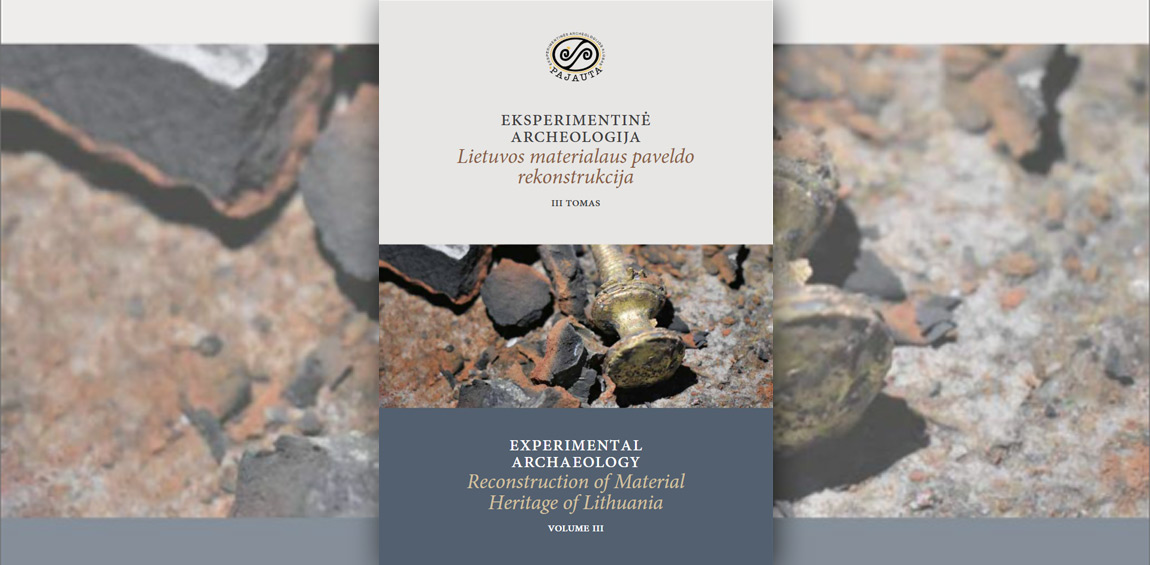
As a craft specialist with little experience in experimental archeology (EA), I found that with the first reading of this volume the editor and article authors gave me a masterclass in not only understanding Lithuania's craft reconstruction, but also how to write EA articles or papers...
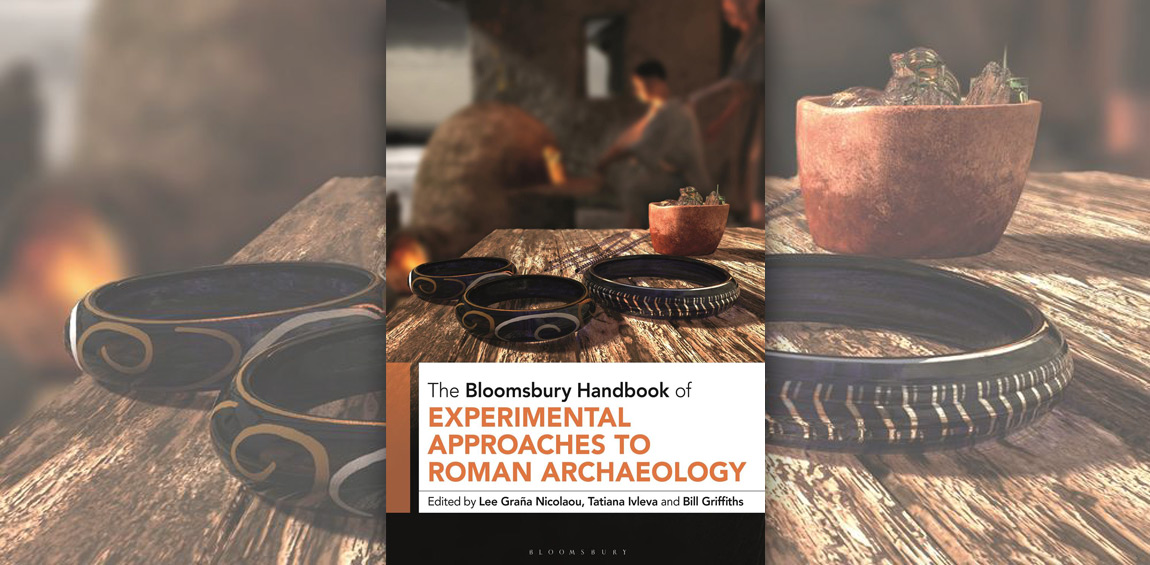
Book Review: The Bloomsbury Handbook of Experimental Approaches to Roman Archaeology by Lee Graña Nicolaou, Tatiana Ivleva and Bill Griffiths
Publication Date
This handbook provides a gateway into Roman Experimental Archaeology. Echoing the foreword, Experimental Archaeology is often viewed by those outside the field as the realm of prehistory, where experimentation can be conducted to, and theorise about what is not known. At the same time, due to their historical sources and physical remains, Rome and later periods are perceived as not requiring experimentation. This handbook quells this idea, instead collating the work of skilled and inventive individuals and providing both a framework and inspiration for future work.