
Greece
Shaping Minoan Clay Tablets and Hanging Nodules: Contributions from Experimental Research and X-radiography
Publication Date
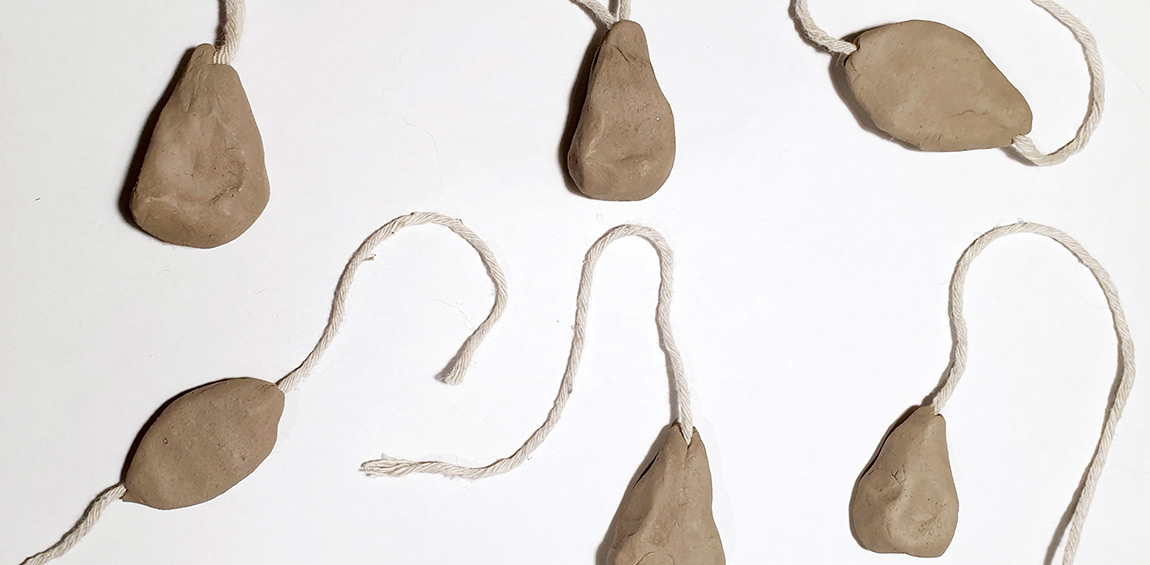
This paper investigates the potential for experimental archaeology and X-radiography to improve our understanding of the manufacture and use of two categories of prehistoric Cretan administrative clay objects: clay tablets and hanging nodules. The results are encouraging: the simple and three-fold tablet shaping techniques can be distinguished confidently, incised writing that was erased can, potentially, be made visible again and...
The Monoxylon Expeditions: The starting Points of a Nautical Archaeological Experiment
Publication Date
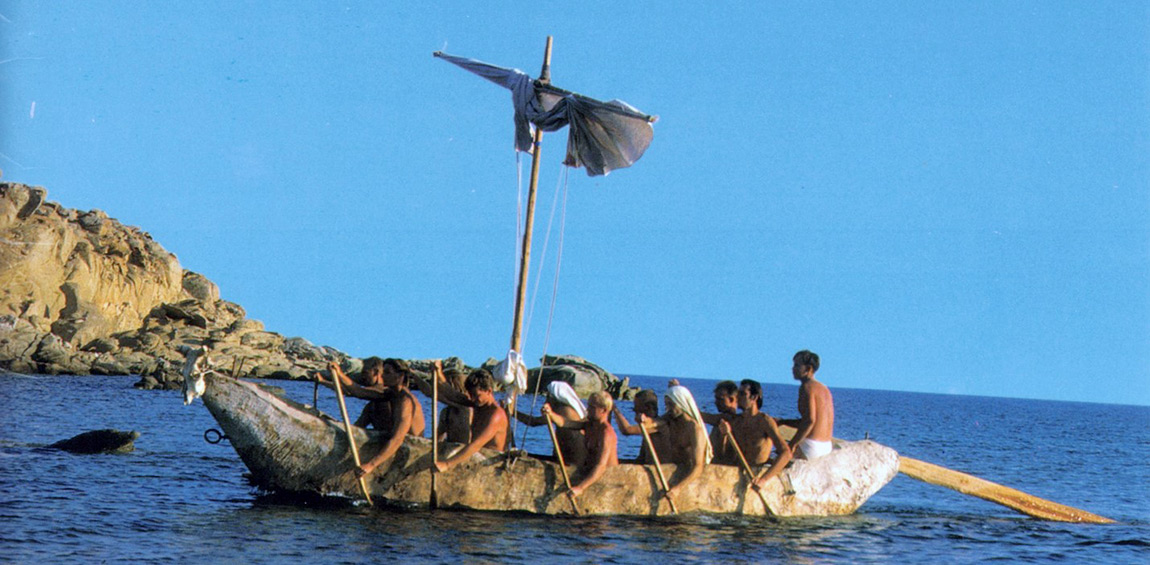
The aim of this article is to present the starting points of the archaeological experiment named Expedition Monoxylon IV. The expedition, which took place in 2023, was an experiment with a replica of a dug out boat in the Aegean Sea. It followed up a series of earlier experiments (Tichý, 2016; 2020), one of which took place in the Western Mediterranean. Knowledge of the nautical characteristics of the three vessels and also their crews was gradually gained...
The Lefkandi-Toumba Building as a Timber-Framed Structure
Publication Date
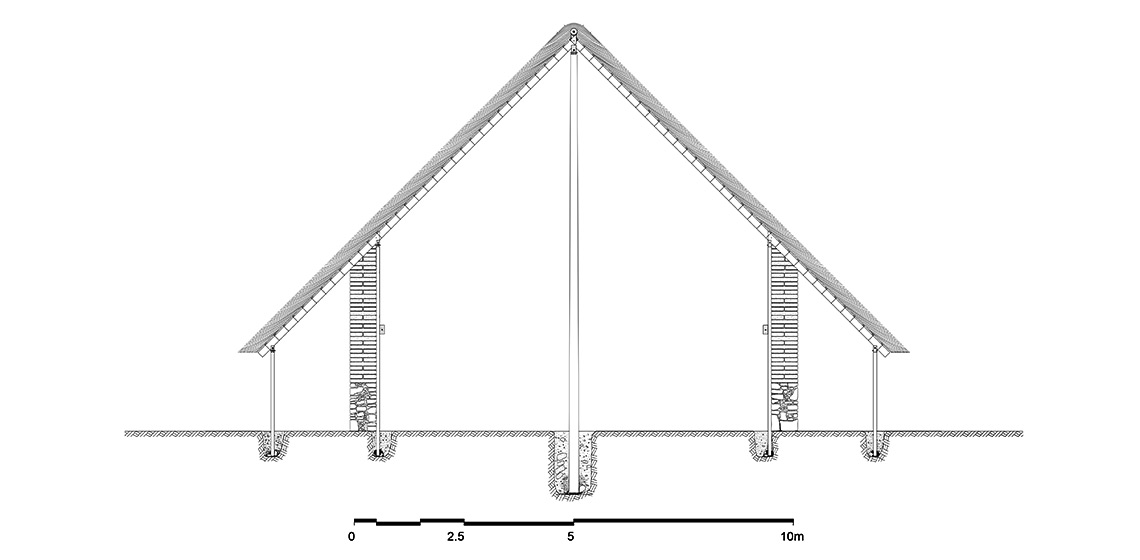
The article demonstrates that the building or megaron on the Toumba hill at Lefkandi (Euboea), dating from c.950 BC, was a timber-framed structure, in contrast to the common view of it as a building with loadbearing walls. This raises the possibility that the walls, perhaps even parts of the frame and the roof, were still under construction...
Approaching Pottery Burnishing through Experimental Firings
Publication Date
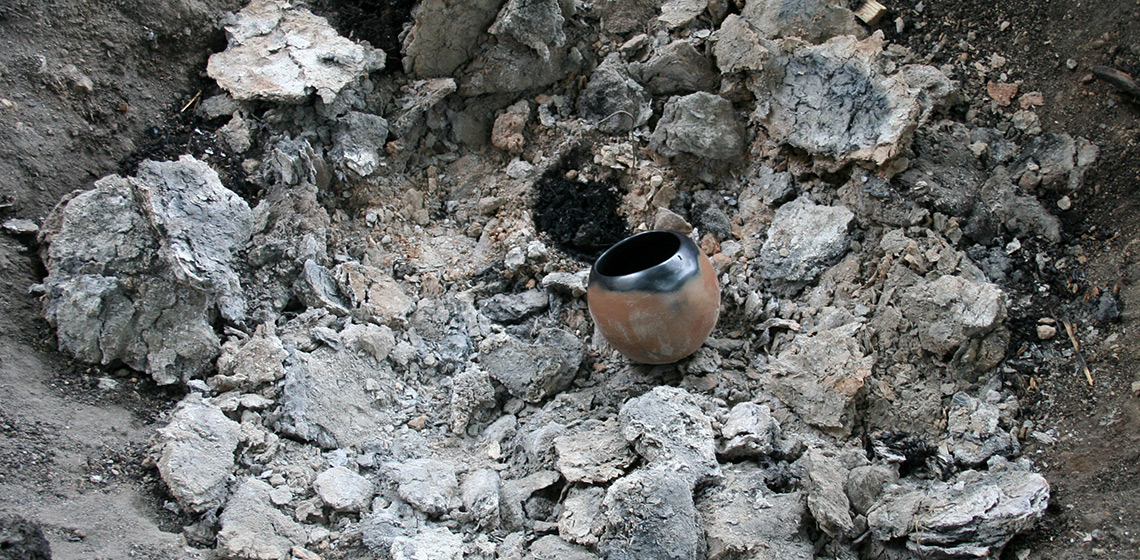
This study assesses the impact of firing on burnished ceramic surfaces. For this task, two main factors related to burnishing were examined and evaluated, the reflection of the ceramics and pottery surface sheen. Macroscopic observations on the burnished surface were made with the naked eye...
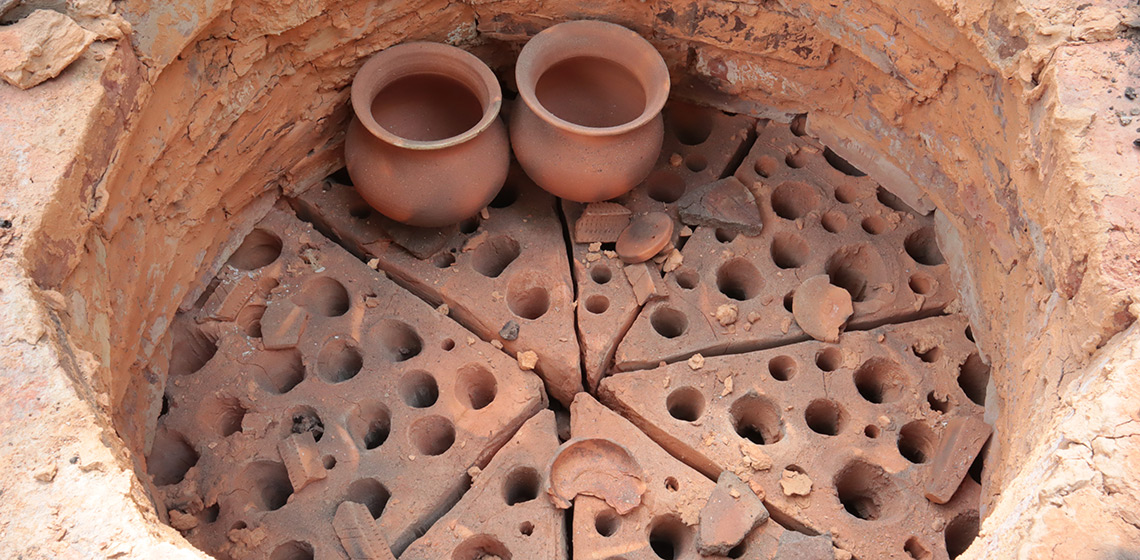
Experimenting with the Ancient Greek Pottery Production Process from Clay Selection to Firing in a (Re)constructed Updraft Kiln
Publication Date
This article presents an experimental archaeology project that aimed to reproduce the Hellenistic Greek pottery production process. The project's main research questions were focused on understanding how locally available raw materials and climatic conditions influenced the production process and how the process created social networks with the local community...
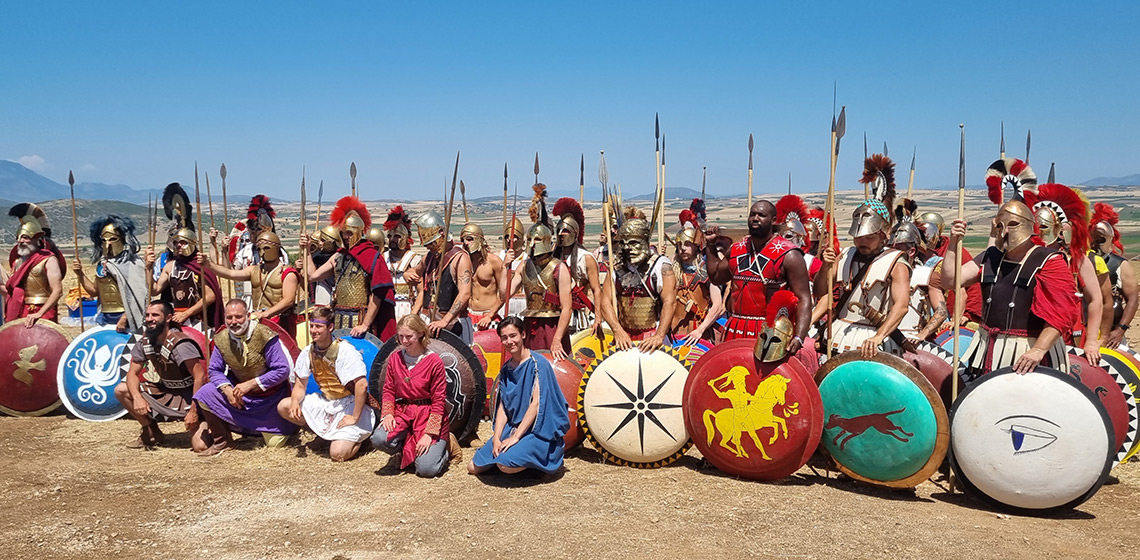
The 2,500th Anniversary of the Battle of Plataea, 26-31 July 2022. Recreating the Cavalry
Publication Date
Introduction
Delayed by the pandemic, the 2022 event was organised with the support of the local community, the Ephorate of Antiquities, and the re-enactment group ‘Hoplologia’ lead by Christian Cameron. Using re-enactors to commemorate their Classical history was, for a variety of political and religious reasons, an important step for the Greek authorities to take. Christian gathered around ninety very experienced and passionate re-enactors and reconstructors in Plataea from at least eight different counties, at their own expense.
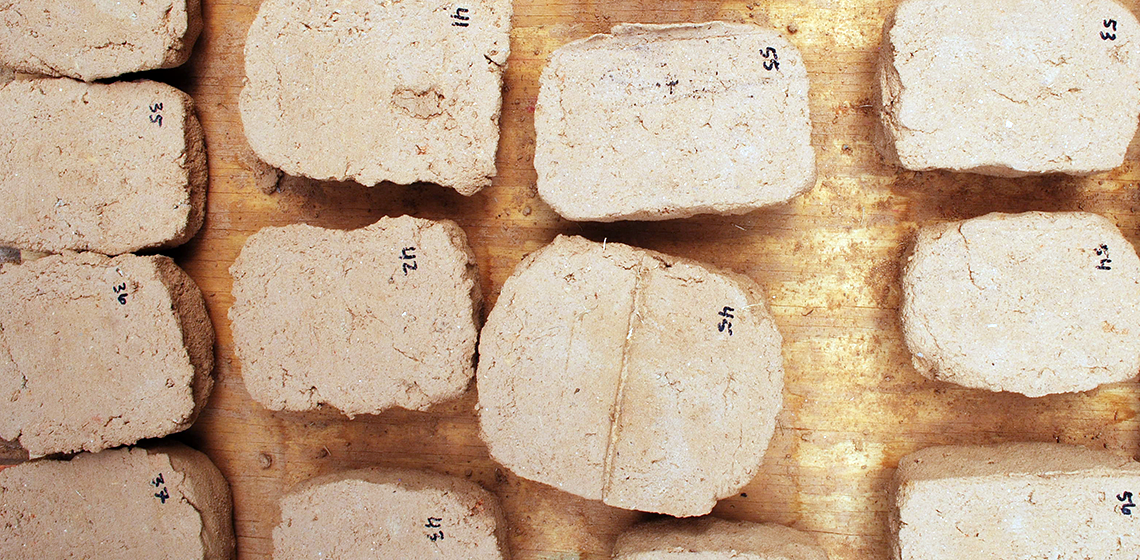
Scored Basins from Late Minoan Crete: an Experimental Interpretation from Construction to Functionality
Publication Date
During the Bronze Age in Crete, agriculture, pottery production, metallurgy, textiles, architectural feats, trade, and other specializations flourished. Throughout habitation on Crete, pottery production was an area of craftsmanship and practicality from the end of the Neolithic to Mycenean and Iron Age. This experiment, however, relates to the Late Minoan I period in the geographical region of Mochlos...
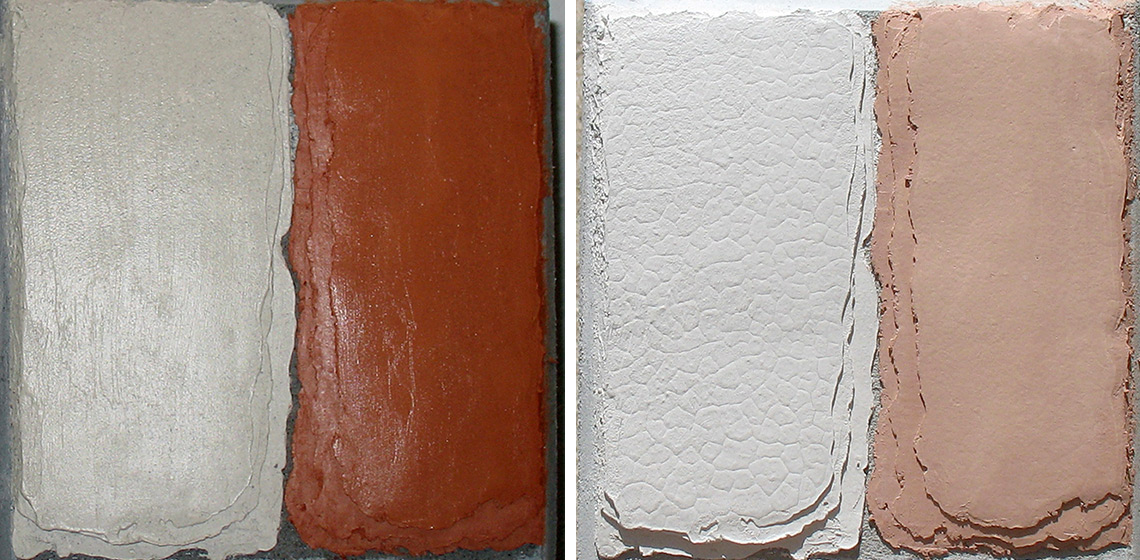
Experiments with Lime Mortars containing Charcoal and Ashes
Publication Date
We encountered a number of cases in the published archaeological studies where ashes and charcoal were used as aggregates in ancient lime mixtures. These mixtures were tested in a small number of experiments, and this paper presents the results. Our tests confirmed that charcoal retains moisture and can be used to help mortars retain water...
Ancient Greek Weaving, Experimental Archeology on Greek Textiles and Household GDP
Publication Date
#EAC12 World Tour 2021
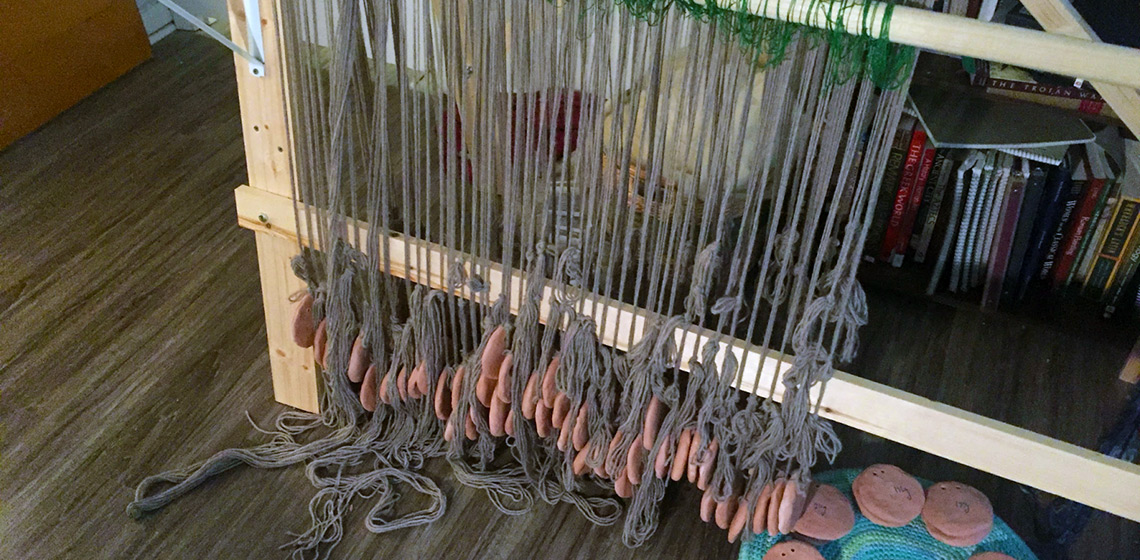
***This paper outlines the experimental weaving project of an ancient Greek chlamys to investigate the weaving production capacity of a typical household and reconstruct women’s contribution to household GDP in ancient Greece. While some scholars have researched finer textiles and tech-niques based on visual evidence...
***This paper outlines the experimental weaving project of an ancient Greek chlamys to investigate the weaving production capacity of a typical household and reconstruct women’s contribution to household GDP in ancient Greece. While some scholars have researched finer textiles and tech-niques based on visual evidence...
Assessing Forming Techniques of Athenian Ceramic Alabastra
Publication Date
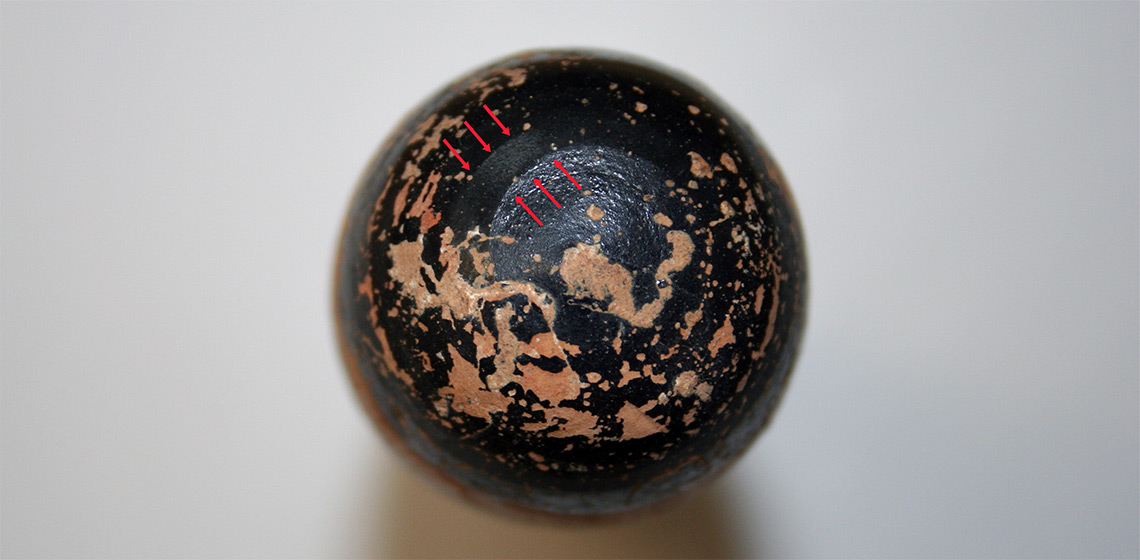
Athenian black-figure and red-figure vases have not been the subject of many studies specifically devoted to vase-forming techniques, since researchers have primarily focused on their decoration. The study of the Attic alabastron, a perfume vase shape produced in Athens between the middle of the sixth century and...