
Chalcolithic
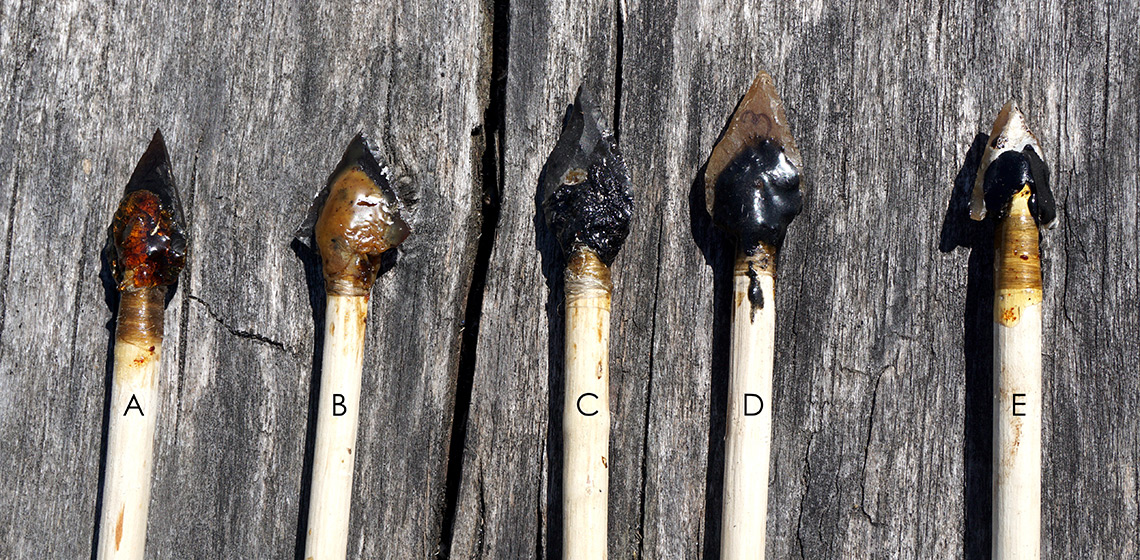
Beeswax an Addition to the Production of European Stone Age Adhesives
Publication Date
Beeswax is a frequently mentioned binder additive in the literature. Unfortunately, it is not so durable as to be well preserved in archaeological records, although there are faint exceptions. Because of its strengthening capabilities, which is believed to be its role, this research set out to carry out an experiment to verify the effects of adding it to the adhesives potentially used in the European Stone Age...
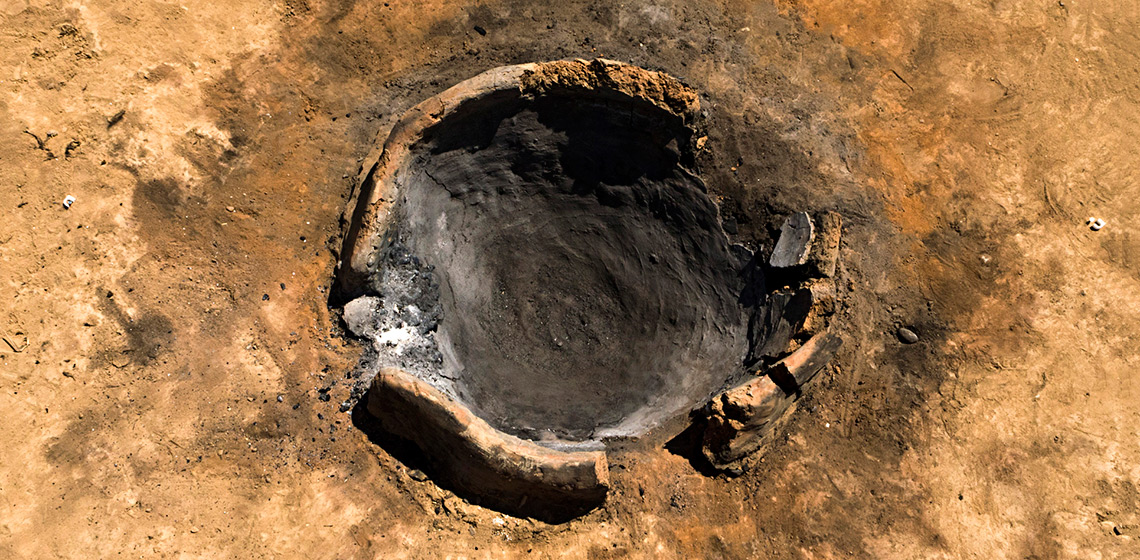
Shedding New Light on the Pure Copper Metallurgy of the Chalcolithic Southern Levant Through an Archaeological Experiment
Publication Date
Two metallurgical traditions coexisted in the Chalcolithic Southern Levant: the lost wax casting of polymetallic alloys and the pure copper technology. Details of their operational sequences are still unknown. To date, no production sites of lost wax casting technology have been found. Only the main steps of the pure copper technology can be reconstructed from the archaeological record...
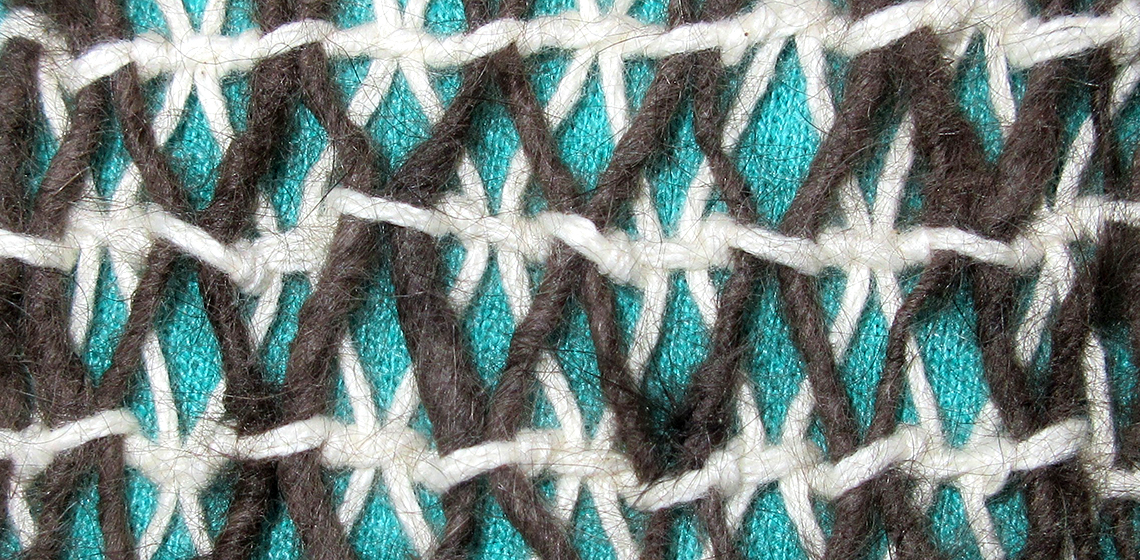
More Testing of Mesoamerican Lunate Artifacts as Possible Loom Weights, that also Functioned as Twining Tools
Publication Date
In previous replication studies and experiments, a lunate jade artifact from the Pre-Classic/Formative period (1500 BC-AD 250) of Mesoamerica was analysed, researched, and tested for its similarities to the crescent weight, a specialized type of loom weight found in ancient Central and Southern Europe. These analyses successfully established that...
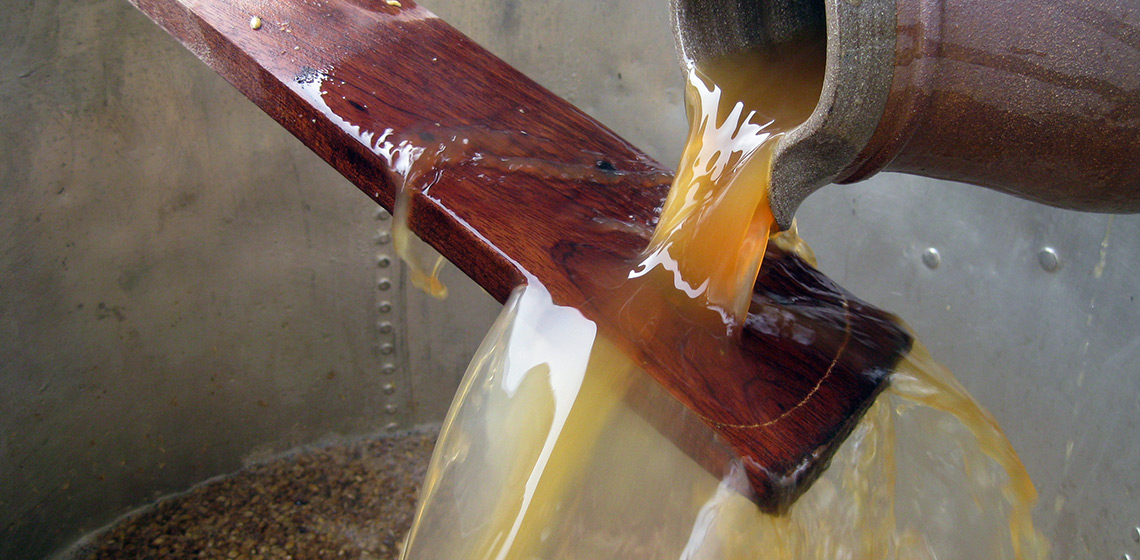
The Ancient Magic of Malt: Making Malt Sugars and Ale from Grain Using Traditional Techniques
Publication Date
The transformation of grain into malt, malt sugars and ale is a three step process. First, the controlled germination (malting), then ‘mashing in’ and collecting a sweet liquid known as wort and finally, the fermentation by pitching the yeast which converts the sugary wort into an alcoholic beverage. Each step requires different conditions for the process to work. They cannot be combined...
Book Review: Determining Prehistoric Skin Processing Technologies by Theresa Emmerich Kamper
Publication Date
This volume on prehistoric tanning technology is the revised and expanded version of the dissertation submitted to Exeter University in 2015. It is noteworthy in that it places experiment at the heart of the entire research programme, thereby radically changing the perspective from which archaeological and ethnographic artefacts might be approached...
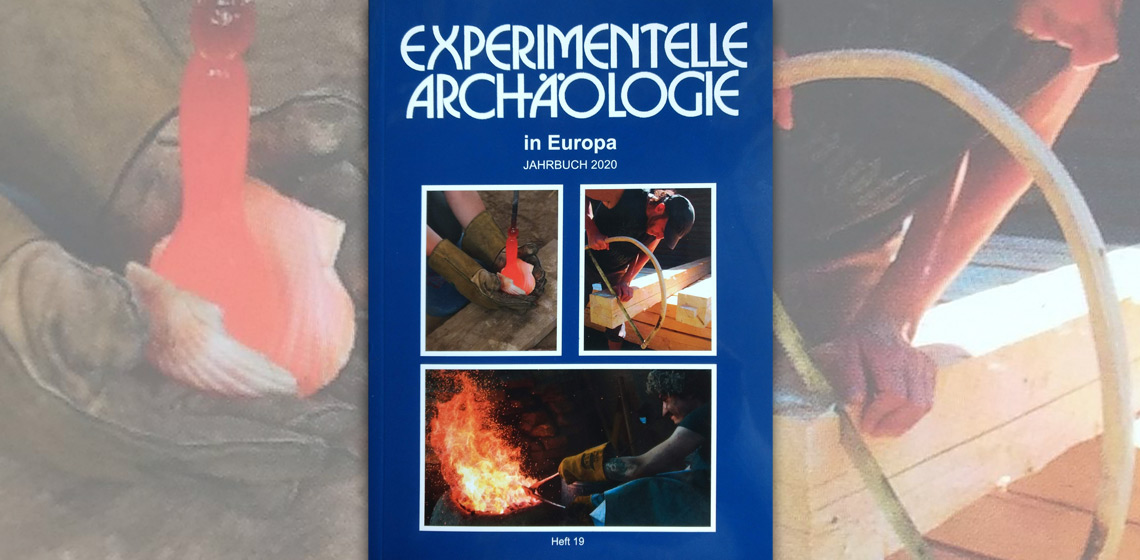
Book Review: Experimentelle Archäologie in Europa, Jahrbuch 2020
Publication Date
Annual Proceedings of the EXAR Tagung
***The 19th issue of the periodical includes 19 essays over 231 pages which present the contributions of the EXAR conference held in 2019. The annual report (Jahresbericht, p.225) and the instructions for authors (Autorenrichtlinien, p.229) of Experimentelle Archäologie in Europa can be found at the end...
***The 19th issue of the periodical includes 19 essays over 231 pages which present the contributions of the EXAR conference held in 2019. The annual report (Jahresbericht, p.225) and the instructions for authors (Autorenrichtlinien, p.229) of Experimentelle Archäologie in Europa can be found at the end...
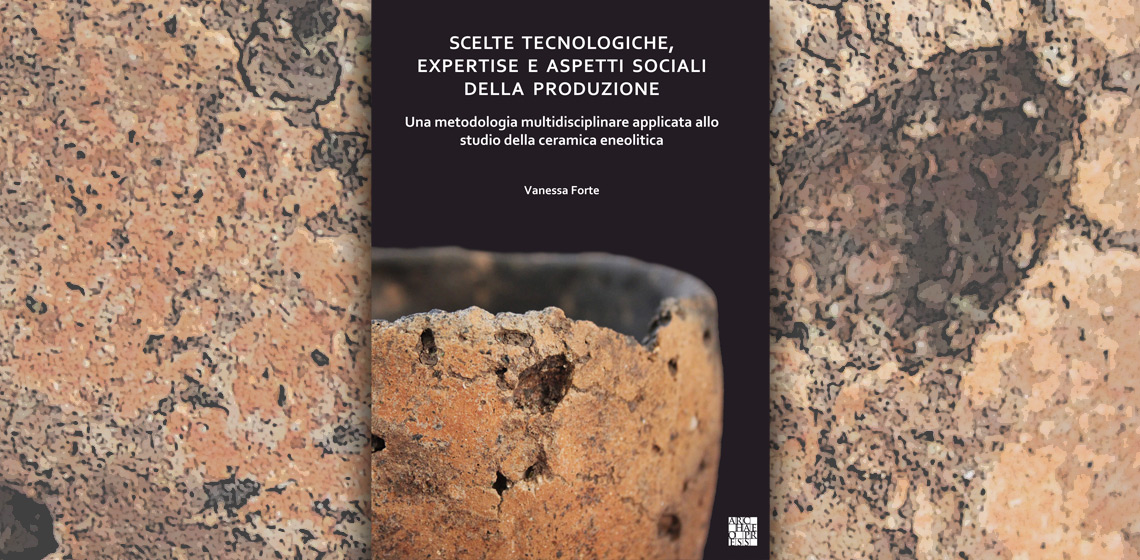
Book Review: Scelte Tecnologiche, Expertise e Aspetti Sociali della Produzione. Una Metodologia Multidisciplinare Applicata allo Studio della Ceramica Eneolitica by Vanessa Forte
Publication Date
This book is a welcome addition to the bookshelf of Italian archaeologists interested in Prehistory and will certainly be of great use to those who are trying to gain a good understanding of pottery technology. Written in Italian, it is one of the few books in this language dealing with ceramic technology and the social aspects of the production by presenting, as a case study, the Copper Age domestic and ...
Groundstone Indications from the Southern Levant for a 7th Millennium BCE Upright Mat Loom
Publication Date
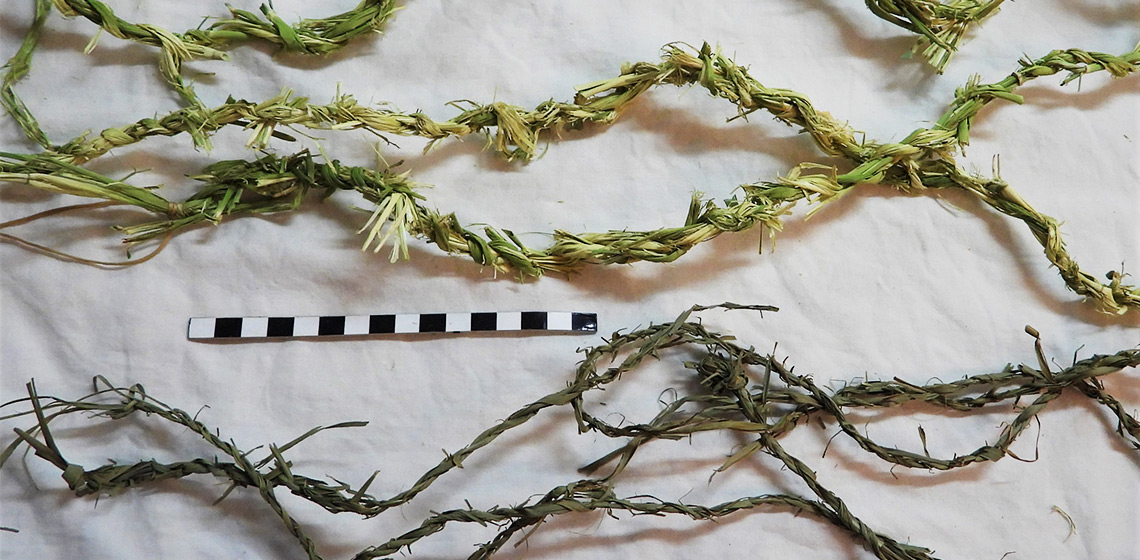
The southern Levant features a long-established matting tradition: soumak (weft wrapping) and also weft twined matting from the 10th millennium BC, and coiled matting from the 8th millennium BCE. The Chalcolithic period, 5th millennium BCE, attests to the introduction of plain plait, twill, sewn through techniques and also the use of the horizontal ground mat loom...
Testing Mesoamerican Lunate Artifacts as Possible Crescent Loom Weights
Publication Date
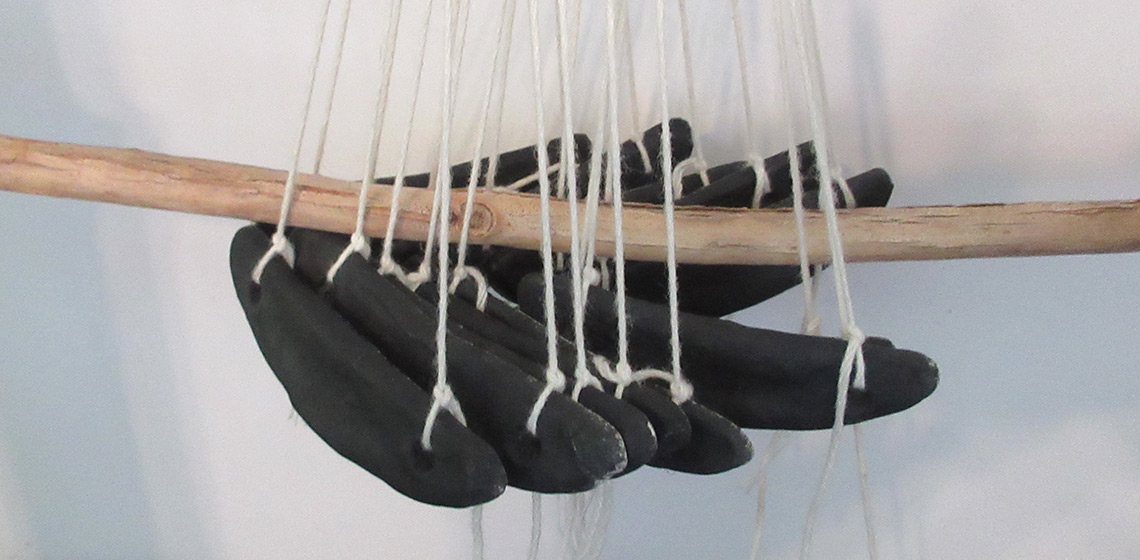
While the importance of textiles in Mesoamerica from the Classic period (AD 250-900) onward is well-recognized, scholars have conducted little exploration of earlier Mesoamerican textile production. This lack of scholarship may be attributed in great part to the scant preservation of perishable textiles and tools from ancient times. New sources of information have been recognized, however...
Session Review: ASOR Experimental Archaeology Session, November 2019, San Diego, CA, USA
Publication Date
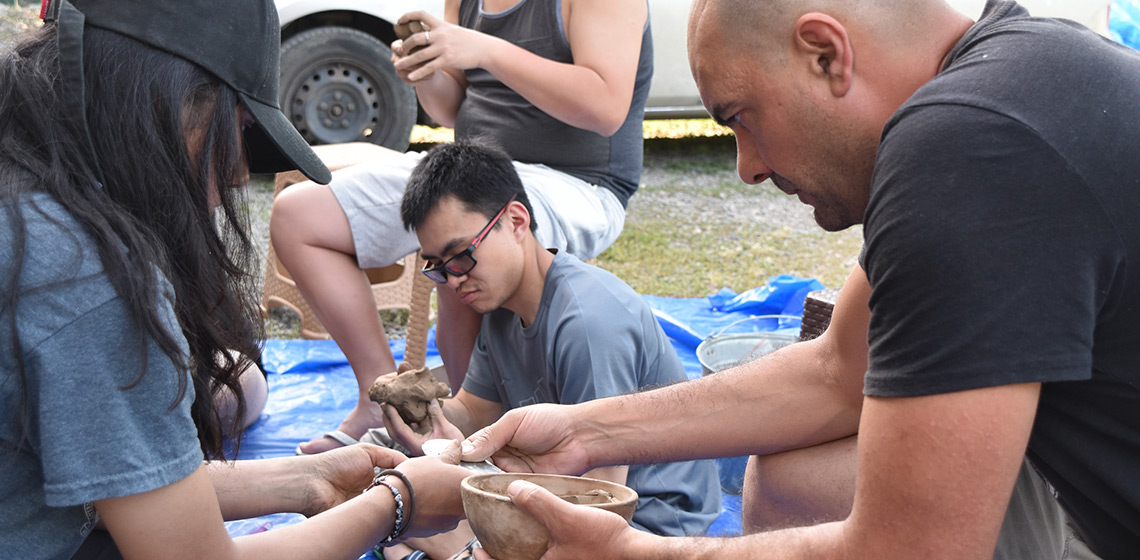
In November 2019, Experimental and Experiential Archaeology made its debut as an independent session at the ASOR Annual Meeting in San, Diego, California, USA, featuring research done in the context of the ancient Near East. The session was organized by Tracy L. Spurrier from the University of Toronto who has been dabbling in modern lost wax bronze casting in order to research how...