
Chalcolithic

Investigation of the Practical Functions of Fluting on Throwing Sticks and on Other Ethnological Wooden Artefacts
Author(s)
Luc Bordes 1
Publication Date
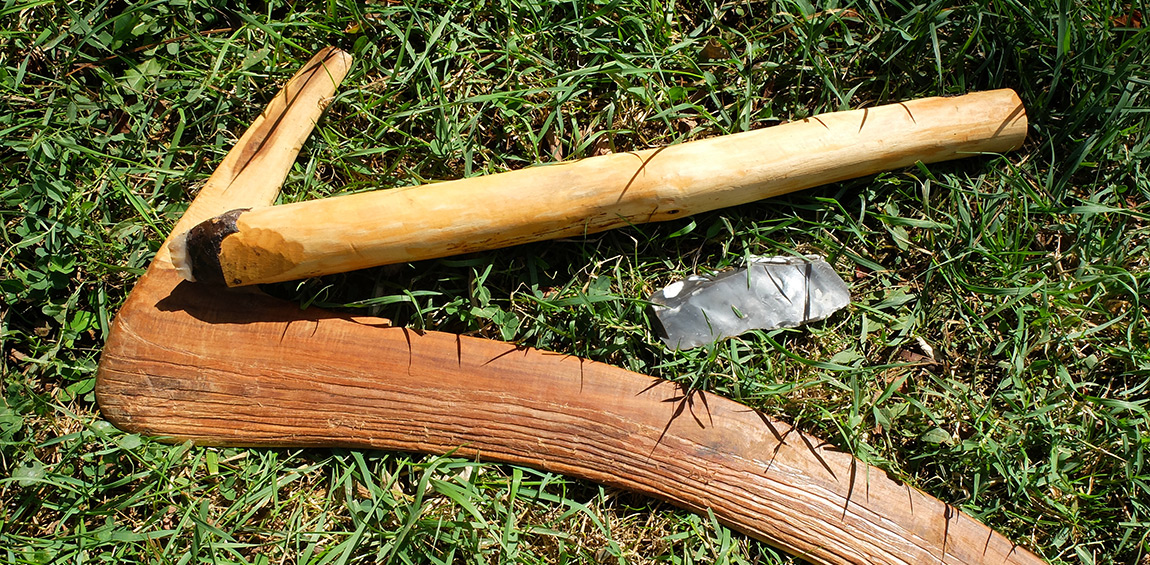
Why are the surfaces of some Australian throwing sticks fluted? According to a previous research, this feature could positively influence their flight, but this effect does not explain the function of fluting on other wooden artefacts (shields, clubs, containers) which are not used as projectiles. The former function of flutes is probably to be found among others type of wooden implements from which it has been transferred to throwing sticks...

Black Ash - a Forgotten Domestication Trait in Garden Orach (Atriplex hortensis L.)
Author(s)
Lutz Zwiebel 1
Publication Date

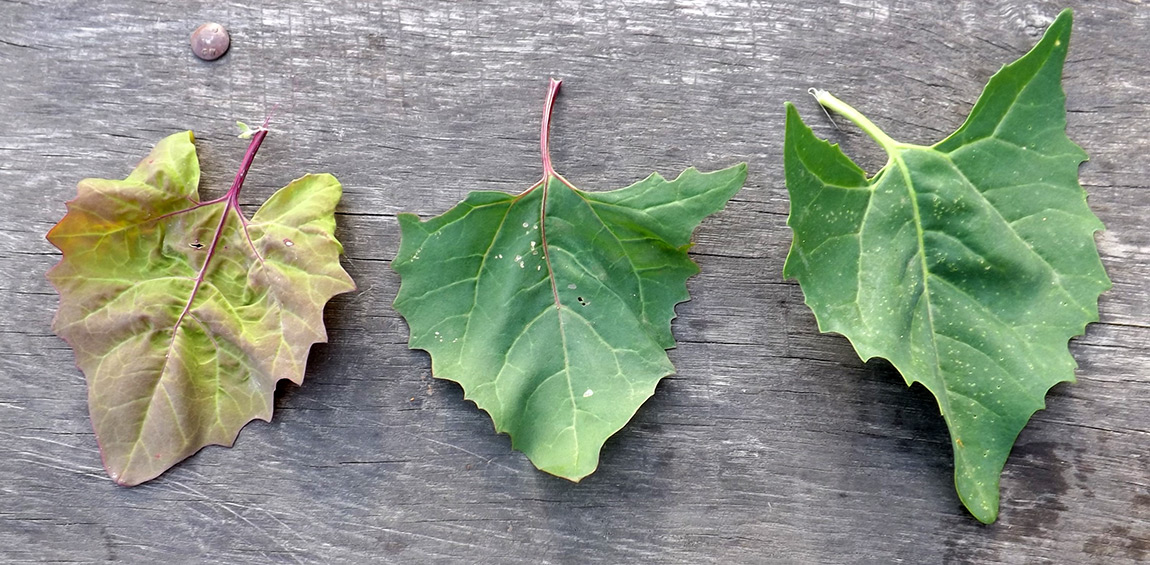
Garden Orach (Atriplex hortensis L.) is a vegetable plant of minor importance but with a wide distribution throughout the Old World and beyond. Previous research revealed its diverse medicinal and magical importance in prehistory. Here, Orach’s special ability to retain sodium even in non-saline ground is introduced. The outstandingly high concentrations of sodium in dry plant matter and plant ash suggest its use as a salt substitute, manifested in an early domestication trait. Special attention is paid to the variability of this trait in cultivars from different geographic regions and within the genus Atriplex. ..

A Scheme of Evolution for Throwing Sticks
Author(s)
Luc Bordes 1
Publication Date
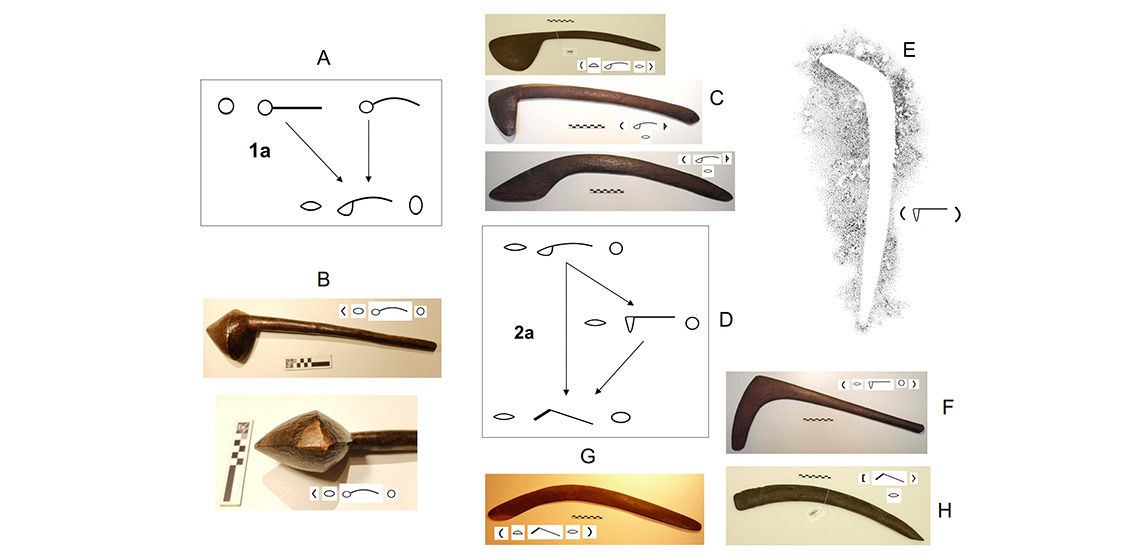
Prehistoric wooden projectiles likely have a complex evolutionary story in a similar way to stone tools, depending on their functions, and the cognitive and physical capabilities of hominins who used them. The technologies of some ancient projectiles (e.g., spears, arrows) can be studied more directly because they were equipped with...

Strategy of Presenting Prehistoric Sites Like an Open-air Stand. Why and How and from a Sustainable Development Perspective
Author(s)
Mona Abo Azan 1
Publication Date
Archaeological excavations have revealed important sites from the prehistoric sites, with the cultural achievements of the early lithic tools of hunters-gatherers in the Palaeolithic, to the emergence of the farmer-village societies in the Neolithic, reaching on to urbanisation and the complex societies of the Chalcolithic...

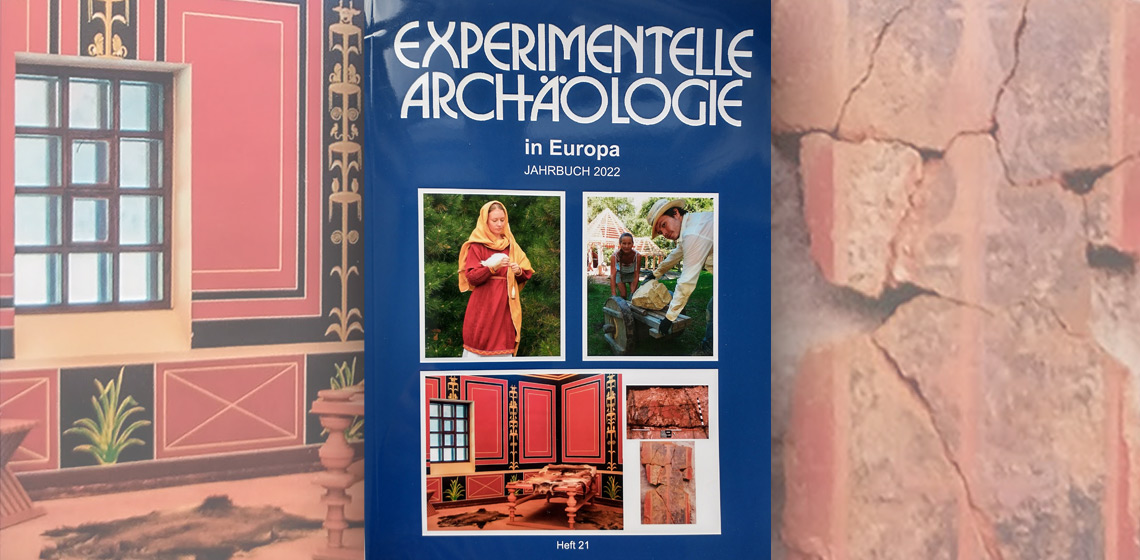
Book Review: Experimentelle Archäologie in Europa, Jahrbuch 2022
Author(s)
Stefanie Ulrich 1
Publication Date
Annual Proceedings of the EXAR Tagung
***The periodical is published by Gunter Schöbel and the European Association for the Advancement of Archaeology by Experiment e. V. (Europäische Vereinigung zur Förderung der Experimentellen Archäologie) in collaboration with the Pfahlbaummuseum Unterhuldingen...

Experimental Weaving and Twining with Ceramic Crescents from the Late Neolithic and Chalcolithic in Southwestern Iberia
Author(s)
Victoria Priola1
Publication Date
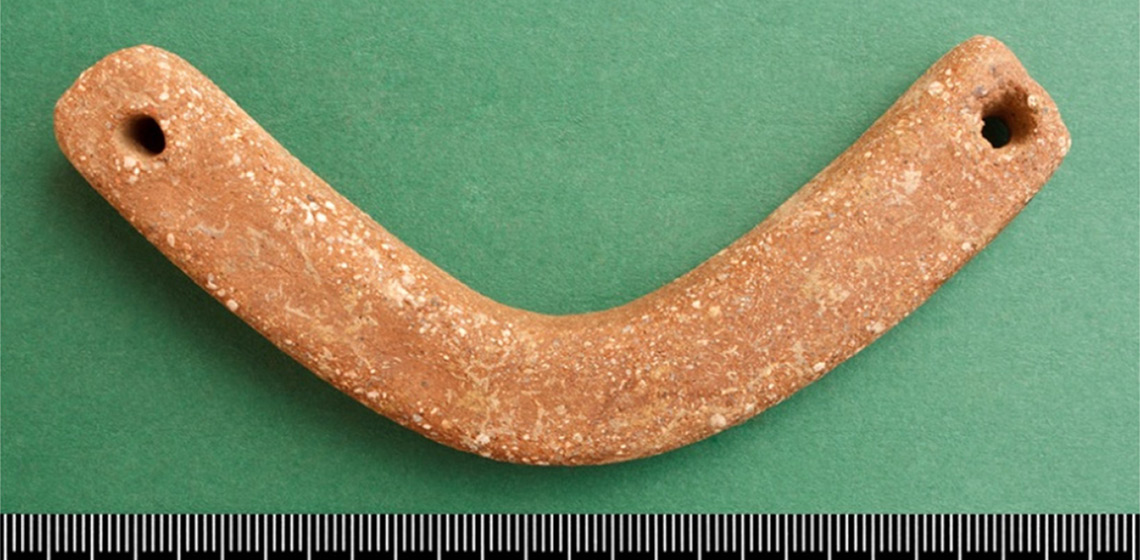
Ceramic crescents are a common find at Late Neolithic and Chalcolithic sites in southwestern Iberia (late fourth – third millennium BC). These objects, which often weigh less than 100 g and are perforated on each end, are typically referred to as loom weights and thought to be associated with textile production, although their function remains uncertain...

An Experimental Approach to Ancient Egyptian Metalworking: The Mysteries of the Sesheshet
Author(s)
Chelsea Kaufman 1 ✉,
Benjamin Doddy 2
Publication Date
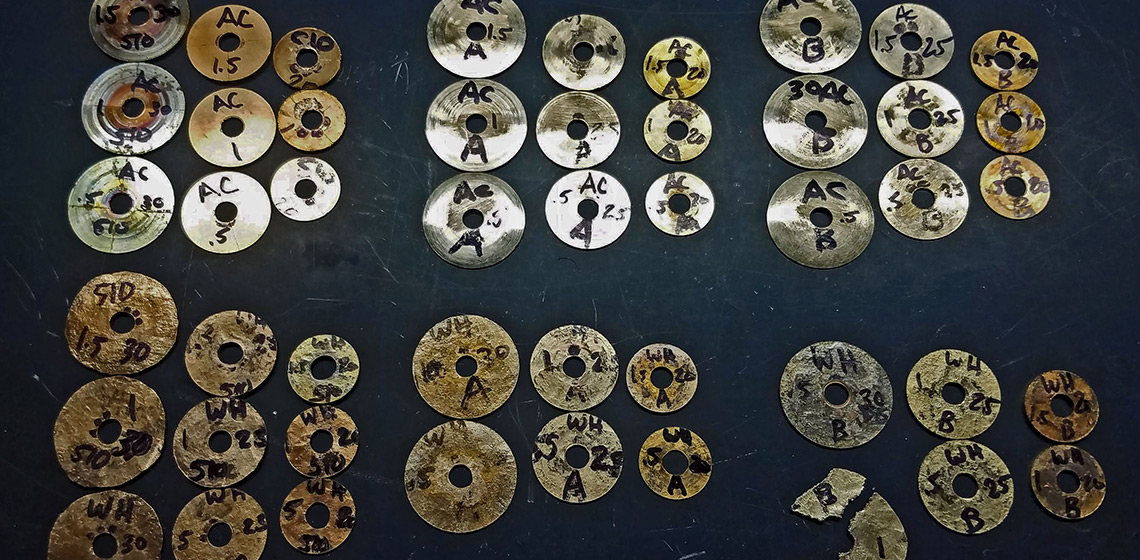
Our research represents a case study in ancient metalworking to illuminate the challenges, processes, and both human and material agency behind these objects. We focus on copper alloy Hathoric loop sistra since these musical instruments are steeped in ritual and mythological connections to metalworking...

Pit Preserve from Ida – on the Problem of Charred Seeds from Prehistoric Pits
Author(s)
Lutz Zwiebel 1
Publication Date

Introduction

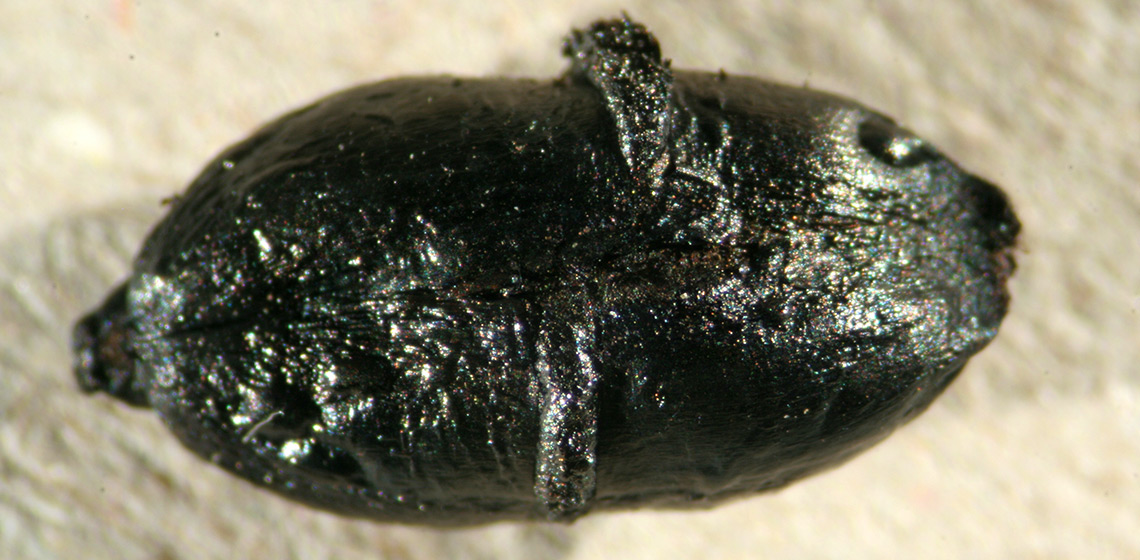
A wild seed propagator and gardener (such as myself) relies on years of close human-plant interaction. The adaptability of domesticated and many wild plants to human economy and behaviour has always thrilled me. When I first read archaeological reports of frequent and large amounts of prehistoric charred seeds that were dumped in the ground I was bemused. It contrasted starkly with the care and sensitivity I use in the processes of seed harvest, drying and selection. So I started reading more and also charring seeds myself.

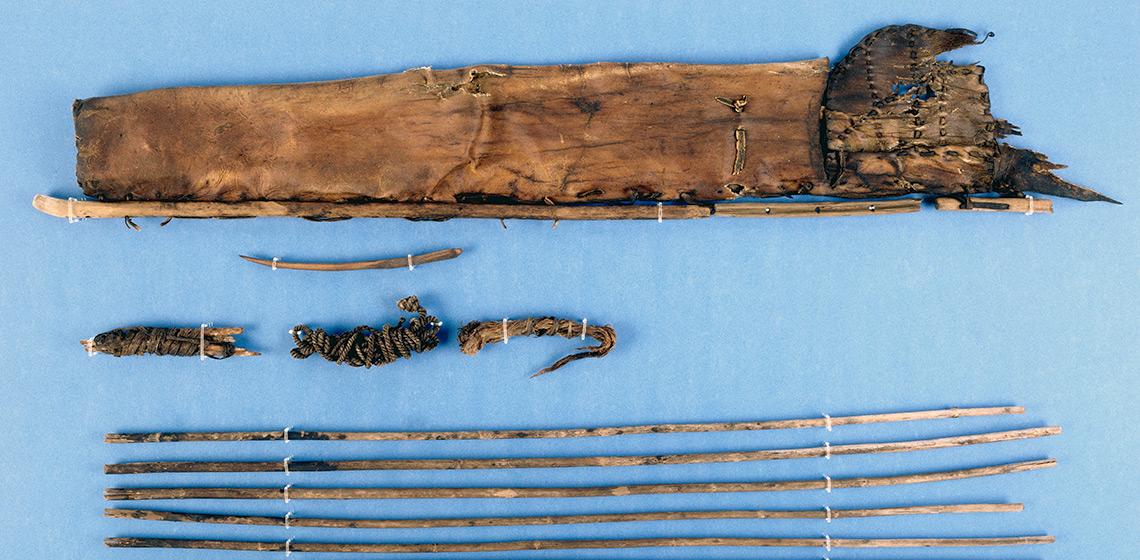
The Arrow Quiver of the Iceman Reconstruction Attempts and the Special Significance of the Fur Material
Author(s)
Markus Klek 1
Publication Date
In 1991, the sensational discovery of a male mummy, thawing from the ice, was made on the Tisenjoch in the Ötztal Alps, near the Austrian-Italian border. The deceased man lived about 5300 years ago at the end of the Neolithic Age and is commonly known as Ötzi in German-speaking countries. The site also contained many well-preserved accompanying items and equipment...