
Newest Era
Experience and Discovery: Engaging the Public in Research. A Survey on Experimental Archaeology Contemporary Practice and Meaning – Preliminary Results
Publication Date
2018 EXARC in Kernave
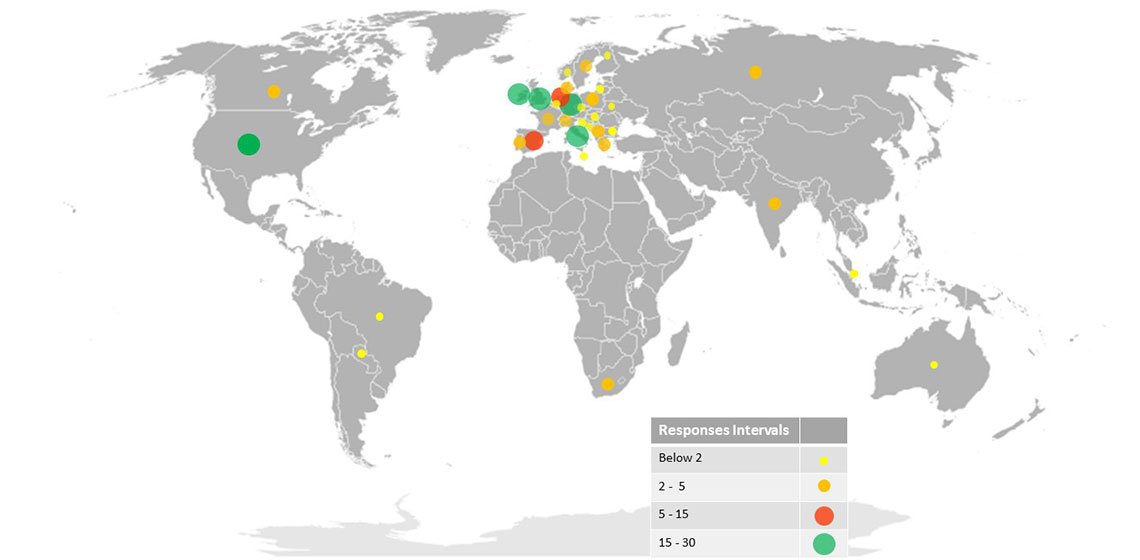
***The traditional way of engaging the public with the past has changed: now, through experimental archaeology, we can have a direct, physical contact with the “past”. But, as researchers know, the means used to engage the public are the fruits of an active process of investigation, especially in experimental archaeology. Could it be possible to enable visitors to actively engage in the questioning of the past, to let them experience the discovery process?
***The traditional way of engaging the public with the past has changed: now, through experimental archaeology, we can have a direct, physical contact with the “past”. But, as researchers know, the means used to engage the public are the fruits of an active process of investigation, especially in experimental archaeology. Could it be possible to enable visitors to actively engage in the questioning of the past, to let them experience the discovery process?
Taking Archaeological Concepts outside the Social Science Class in Indian Schools
Publication Date
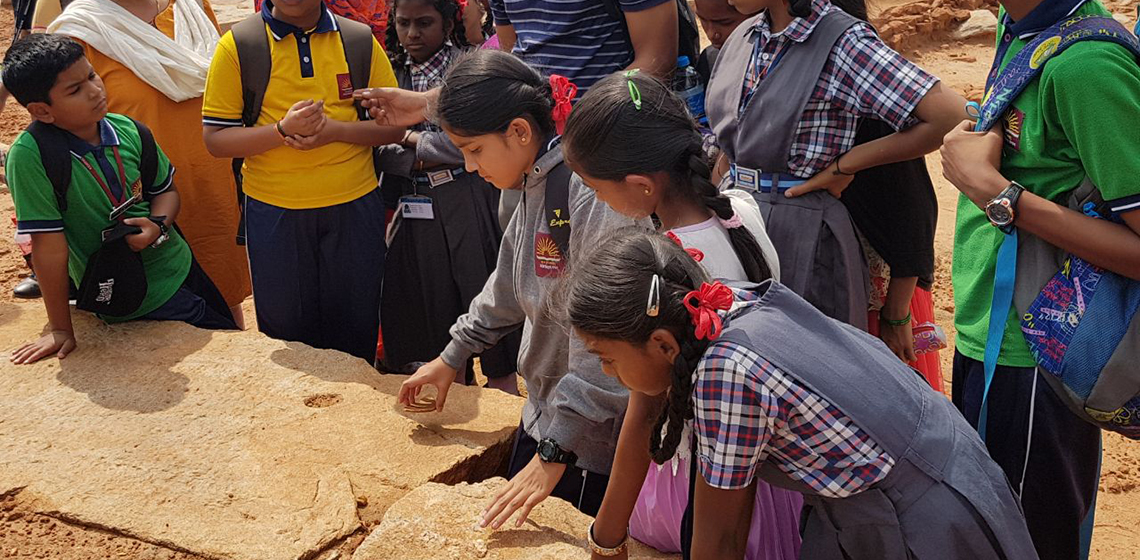
In Indian classrooms, social sciences receive disproportionately less attention than natural sciences and mathematics (Dahiya, 2003; Lall and House, 2005; Roy, 2017). History features within the social science textbooks in India, and is perceived as boring and uninteresting by school children (Roy, 2017; Dahiya, 2003); archaeology is taught as part of the history lessons and is most often not seen as...
Conference Review: Hands on History ReConference, 2-4 November 2018
Publication Date
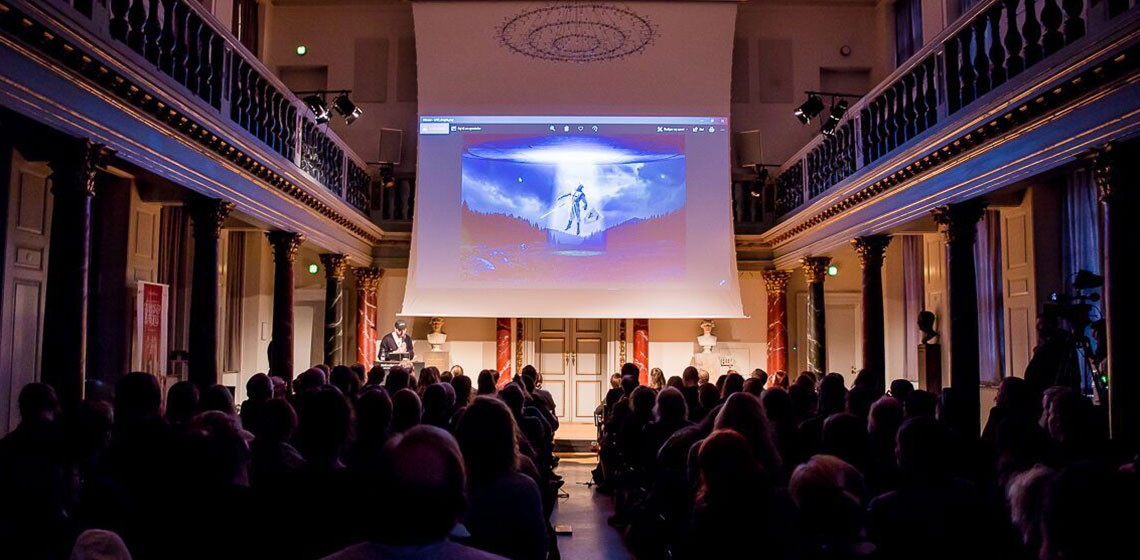
Copenhagen 2 November, and a warm welcome received at the National Museum in Copenhagen. What better way to start a conference than with colouring flags and glitter? Well, it certainly was a great icebreaker for an international conference on re-enactment, for people from all over the globe speaking several different languages. Being asked to write a review, I wondered how best to approach this...
Interview: JAPKE – The Female Viking Power-house of Lejre
Publication Date
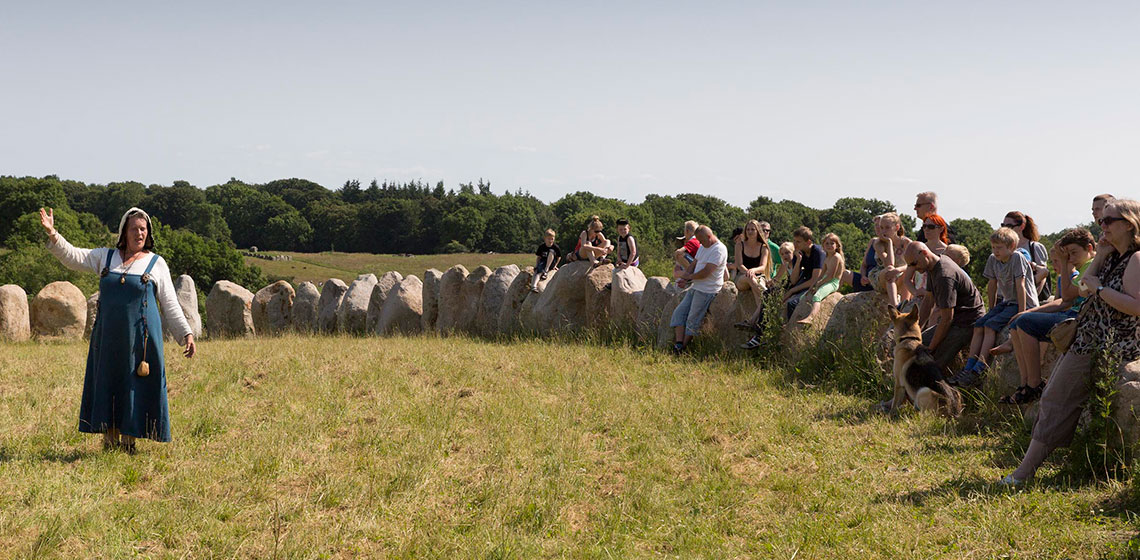
Jutta Eberhards has been working with drama and living history for over 30 years. Born in the Friesland district in Germany, Jutta has over the years become a power-house in the management group of Sagnlandet Lejre – The Land of Legends (www.sagnlandet.dk). She has been tirelessly working to uphold the standards of the educational method that she and her colleagues developed...
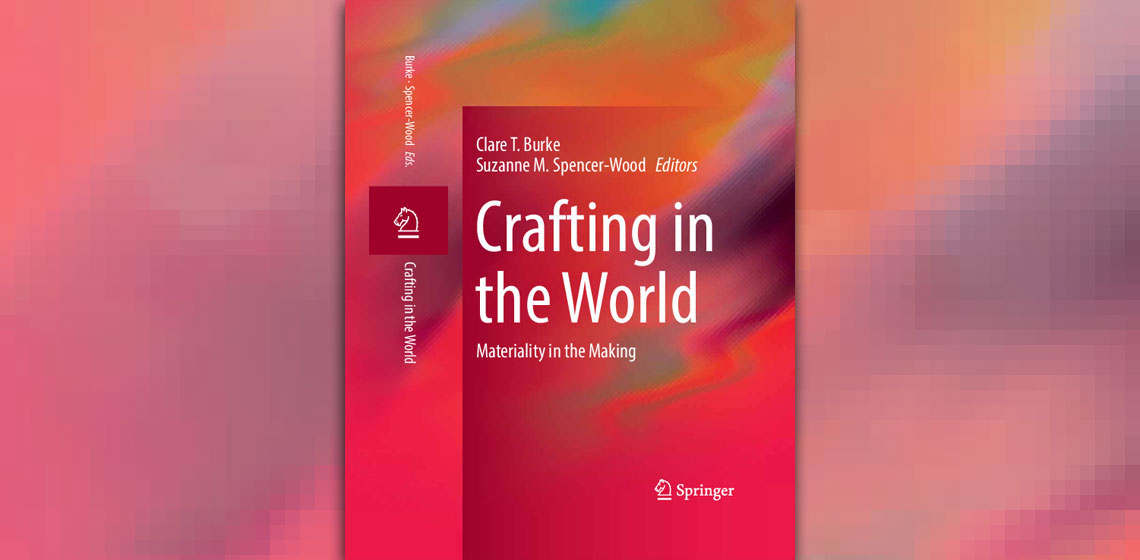
Book Review: Crafting in the World, Materiality in the Making by Burke and Spencer-Wood
Publication Date
Archaeologists dream of books with comprehensive coverage that address specific gaps in knowledge and at the same time address theoretical issues and newer concerns about the nature of craft in a direct method. Editors Burke and Spencer-Wood fulfil this by discussing the world of craft...
Conference Review: Open-Air Museums in Denmark – a Fieldtrip
Publication Date
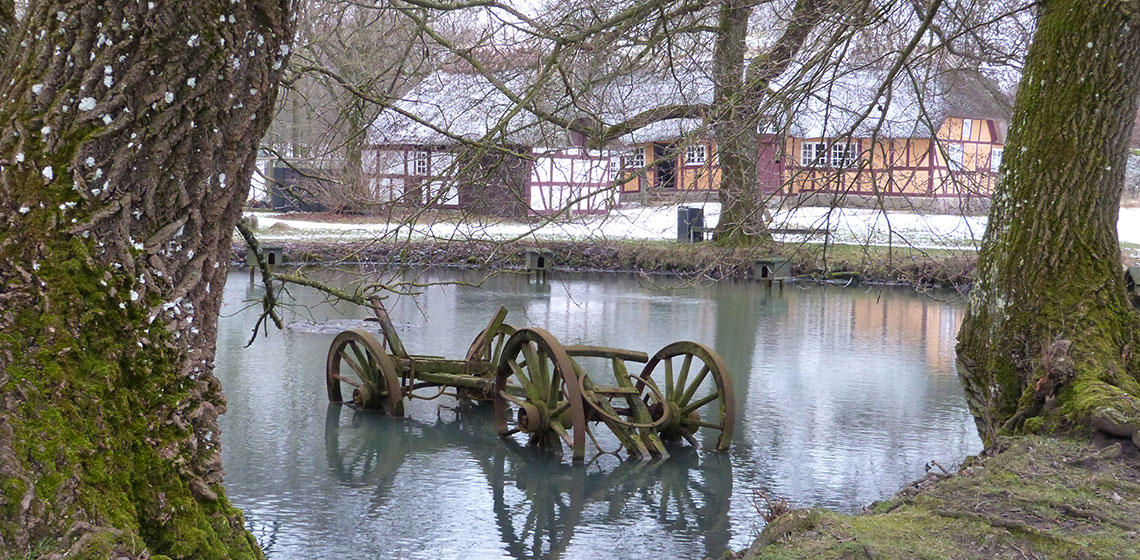
Every two years, Danish archaeological open-air museums meet up at a significant conference. They prefer the designation ‘historical workshops’, a concept which originated in the 1960s (see Bay 2004). The Danish Association of Historical Workshops (De Historiske Værksteder i Danmark, 2019) totals to over one hundred members. With their conferences, they ensure continuity...
Event Review: EXARC at the Times and Epochs Festival, Moscow, Russia
Publication Date
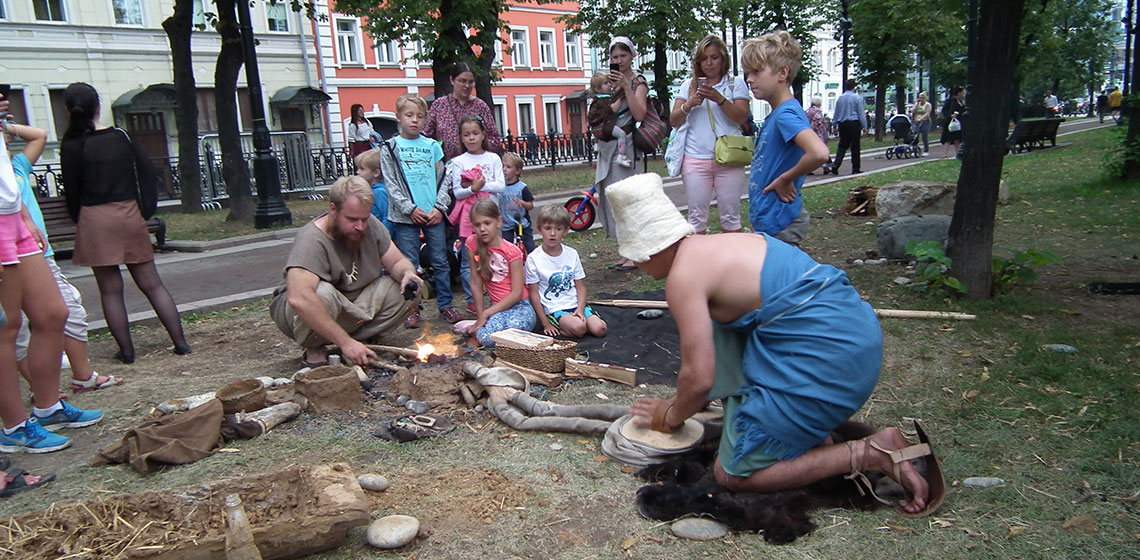
In August 2018, members of EXARC participated in Moscow’s Times and Epochs Festival for the third year . The annual festival is held on park boulevards that surround the inner city, providing an ideal green space for reenactors to recreate various periods of Russia’s history. The main sites were located in Tverskaya Square, Nikitsky, Passion and Tver Boulevards, on Kamergersky Lane and Profsoyuznaya Street...
Experimental Archaeology: Who Does It, What Is the Use?
Publication Date
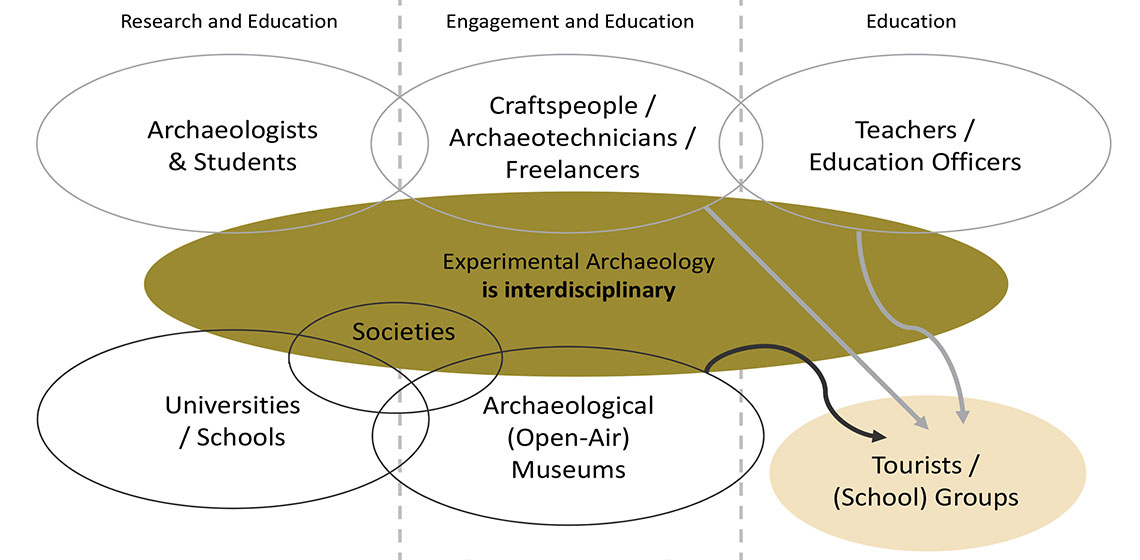
In two surveys, several people working with experimental archaeology explained what they believe is experimental archaeology. They also described their activities. We asked universities, societies, freelancers and museums. Several adjacent activities are discussed, like archaeotechnique, making reconstructions and life experiments. After some confusing and clarifying examples, the future of ...
Experimental Archaeology in the Scottish Highlands
Publication Date
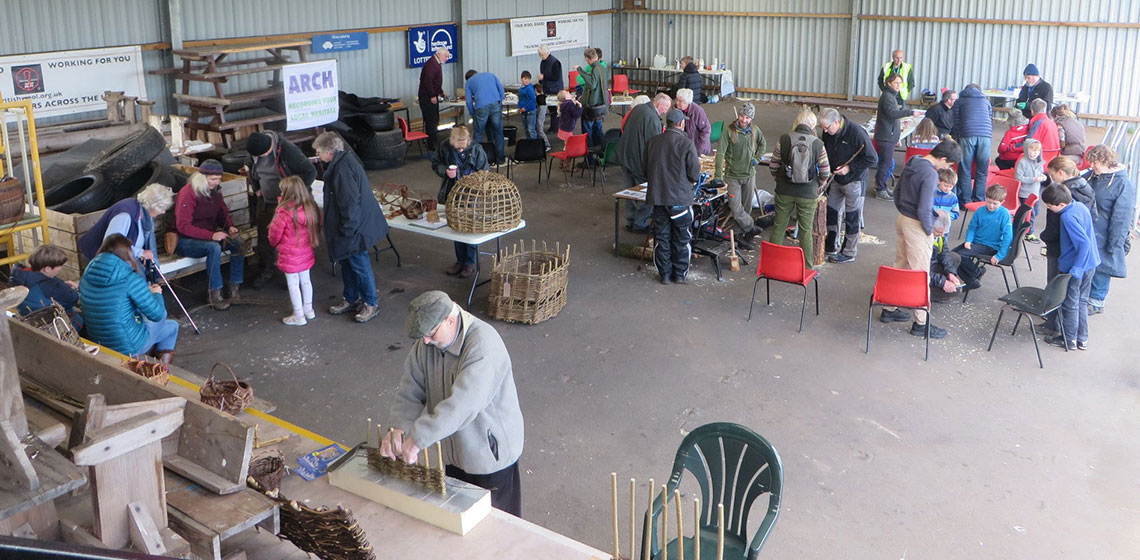
Over the past year, Archaeology for Communities in the Highlands (ARCH) has been running a series of experimental archaeology workshops in the Scottish Highlands. ARCH is a non-profit educational charity, providing learning opportunities inside and out for all ages, always with an eye on the legacy of the event. Our experimental archaeology project was a good example of this approach...
Early Efforts in Experimental Archaeology: Examples from Evans, Pitt-Rivers, and Abbott
Publication Date
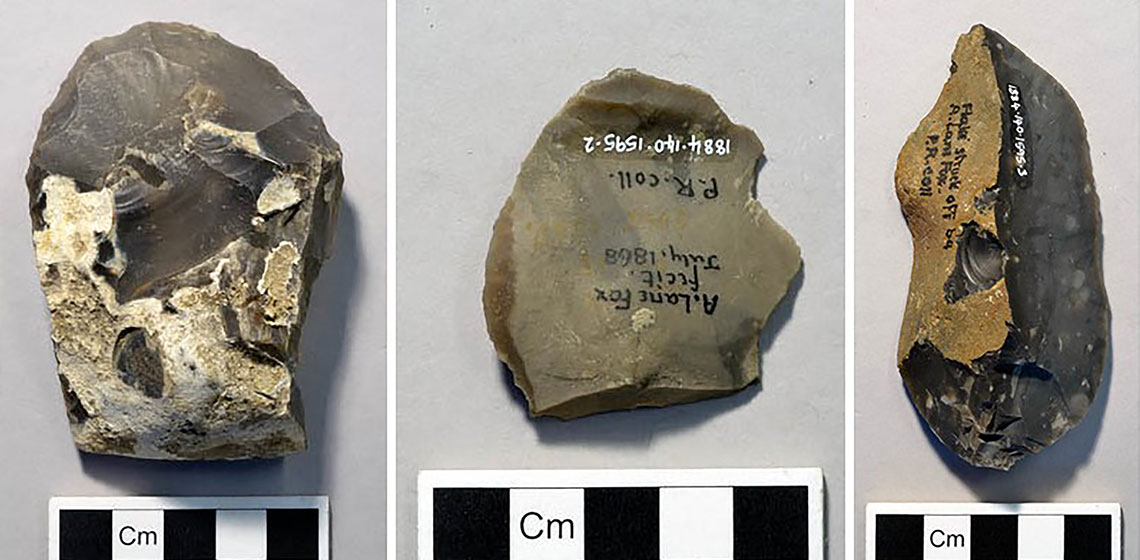
Experimental archaeology formally began more than 150 years ago with attempts in replicative flint knapping by well-known archaeologists such as Sir John Evans, Augustus (Lane Fox) Pitt-Rivers, John Lubbock, and Sven Nilsson (Coles, 1973). These individuals sought to discover how stone tools were made in order to better identify archaeological artifacts as the products of human manufacture and to understand...