
Roman Era
Sherd Shatter Patterns Experiment
Publication Date
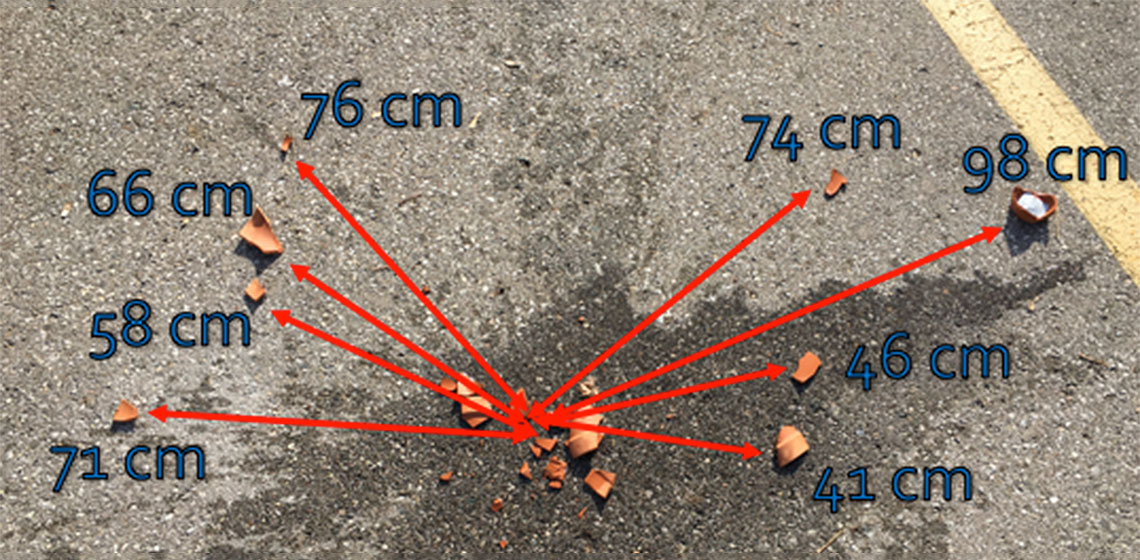
In field archaeology, the importance of non-diagnostic sherds is often overlooked. This archaeological experiment suggests that archaeologists should take into greater consideration, contexts where sherds are found grouped together in close proximity. The authors tested a series of experimental drops of modern pots...
Event Review: EXARC visits Moscow
Publication Date
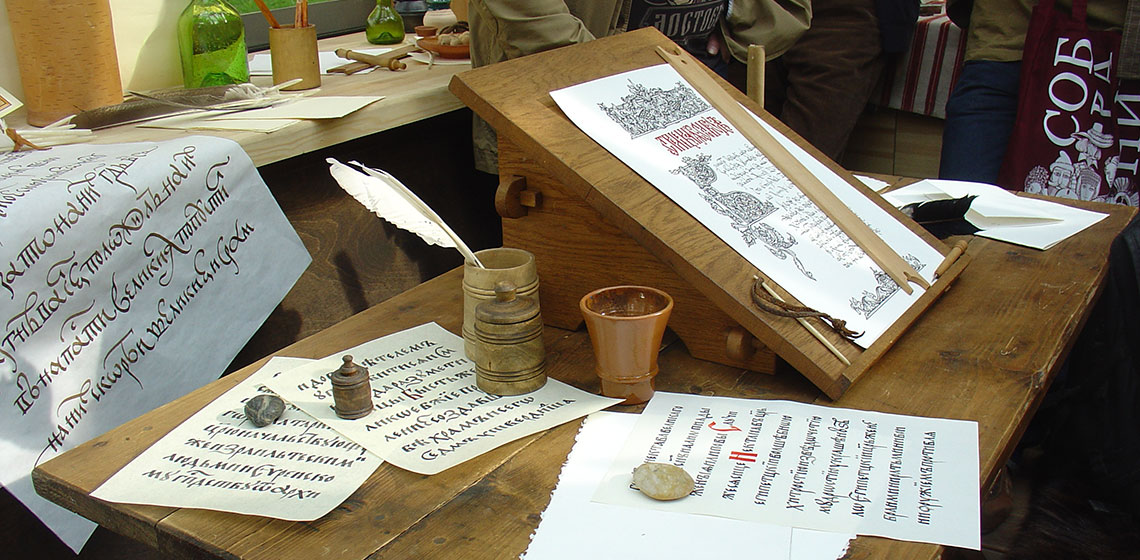
Between the 1st to the 12th of June 2017, a huge festival called "Times and Epochs" (Времена и эпохи - Cобрание) was organized in Moscow. This was the occassion to gather participants not only from Russia, but also from many other countries, and demonstrate the best of reenactment to festival visitors...
“Days of Living Archaeology” at the Prehistoric Archaeopark Vsestary, Czech Republic
Publication Date
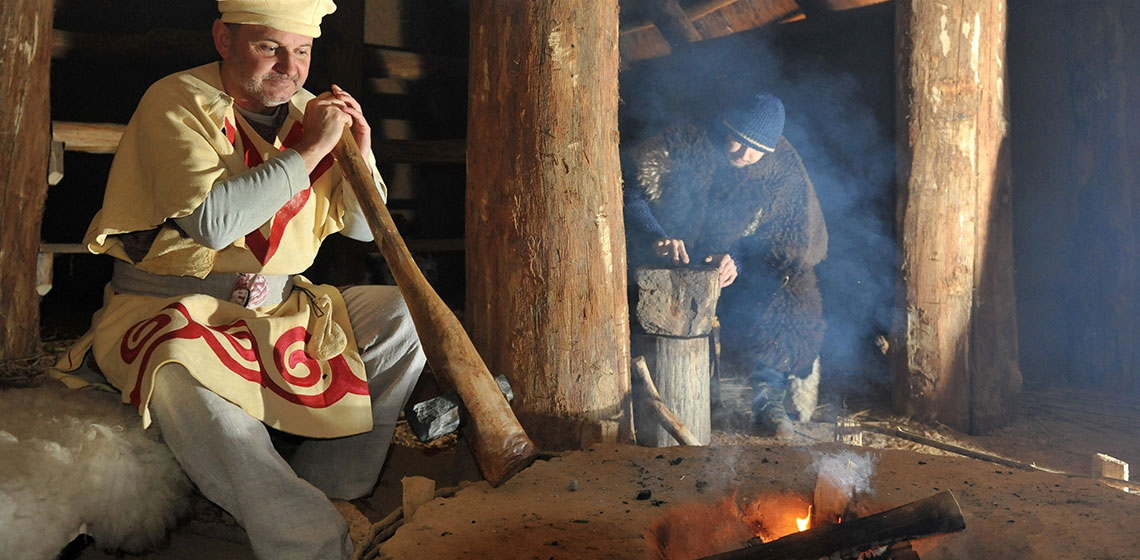
Until recently, the presentation of archaeology in the Czech Republic was solely connected to classic museum exhibitions. Unfortunately, not all museums have archaeological exhibitions. For example, the National Museum in Prague currently does not have any, not even temporary, archaeological exhibition due to the reconstruction of the historical building...
The Potential for Open-Air Sites: a Diversified Approach in Emilia, Italy
Publication Date
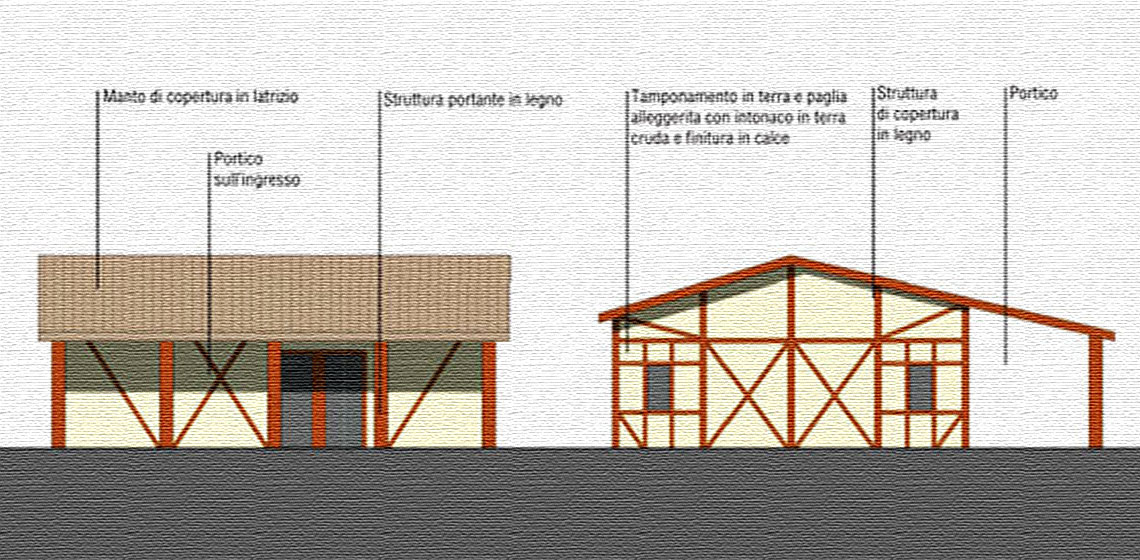
The development of open-air cultural heritage and archaeological areas is based upon their optimal safeguarding and management, and through the public awareness they generate. In this paper, considering different management issues and end goals, we will demonstrate how, through cooperation among specialized professionals, local authorities and ...
The VIA SCIPIONIS Project Outdoor Travelling Experimental Archaeology and Re-enactment
Publication Date
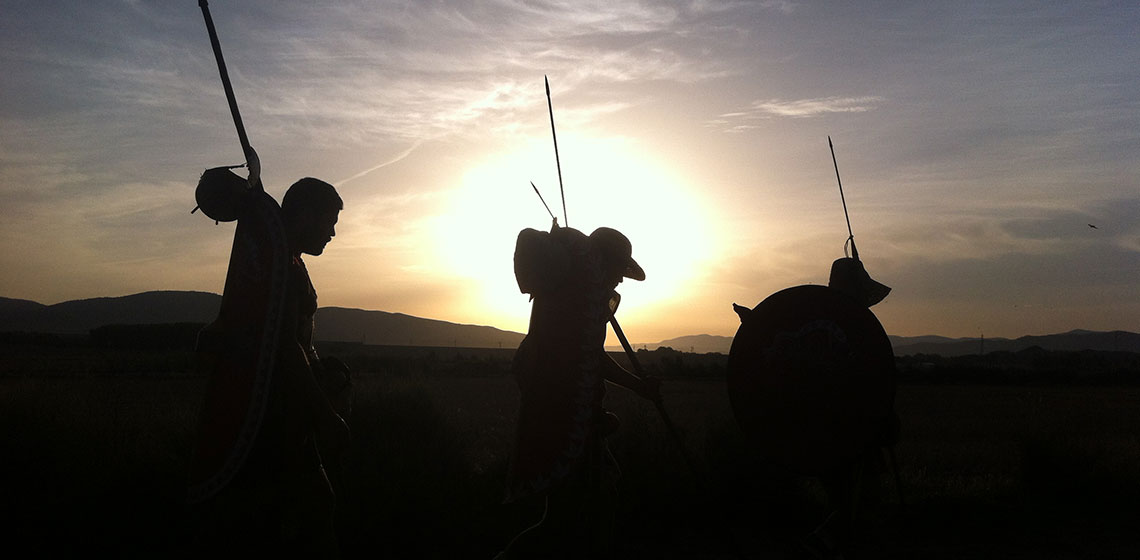
In August 2015 the first rendition of an experimental archaeology project was held, for the first time in Spain. The objective was to study the problems faced by the Roman Republican legions from the second Punic War during their marches. This project, named VIA SCIPIONIS, captured an historical episode...
Conference Review: EAA Vilnius – about Archaeological Tourism, Visualisation, Experiment and Reconstruction
Publication Date
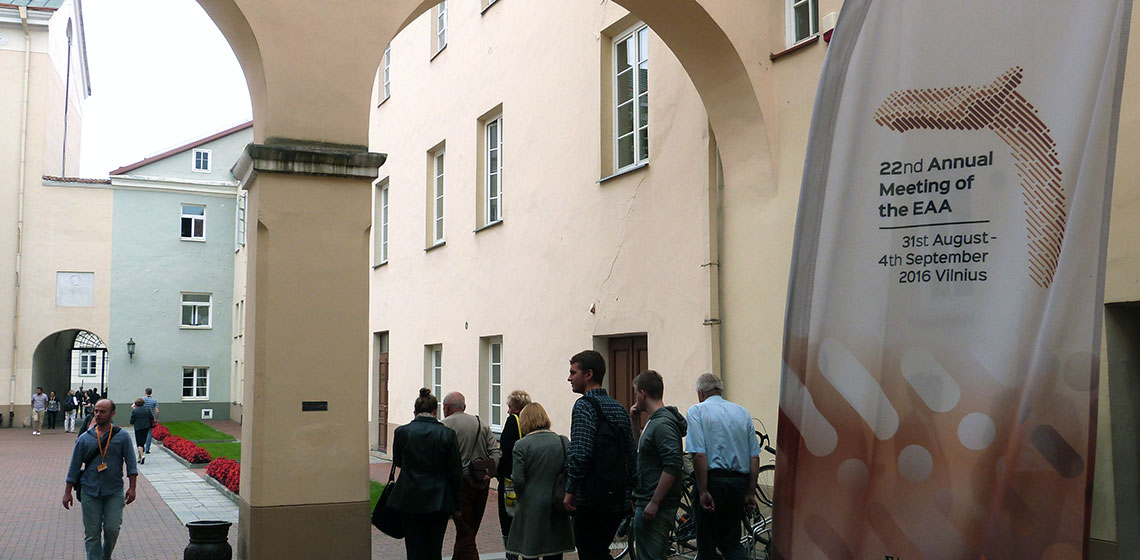
The European Association of Archaeologists held its annual conference of 2016 in Vilnius, Lithuania. About 1,500 participants attended a programme, with a similar number of papers, in over 100 sessions. About a dozen EXARC members attended; what follows here is a review of three sessions...
Cooking in Baskets Using Hot Rocks
Publication Date
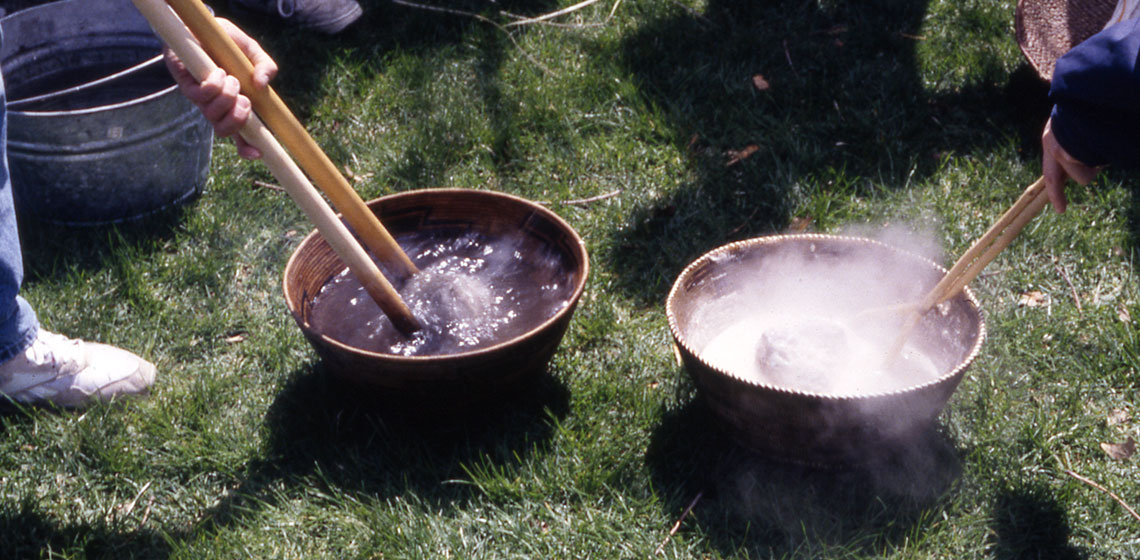
Baskets are among the most ancient of human artefacts. Everyone is familiar with their most common functions as containers for transport and storage. When told that baskets have also served as cooking vessels, most people will be unable to conceive of how this is possible, yet this was a primary function of baskets for many cultures of the past, and some until the present...
Conference Review: European Textile Forum 2015
Publication Date
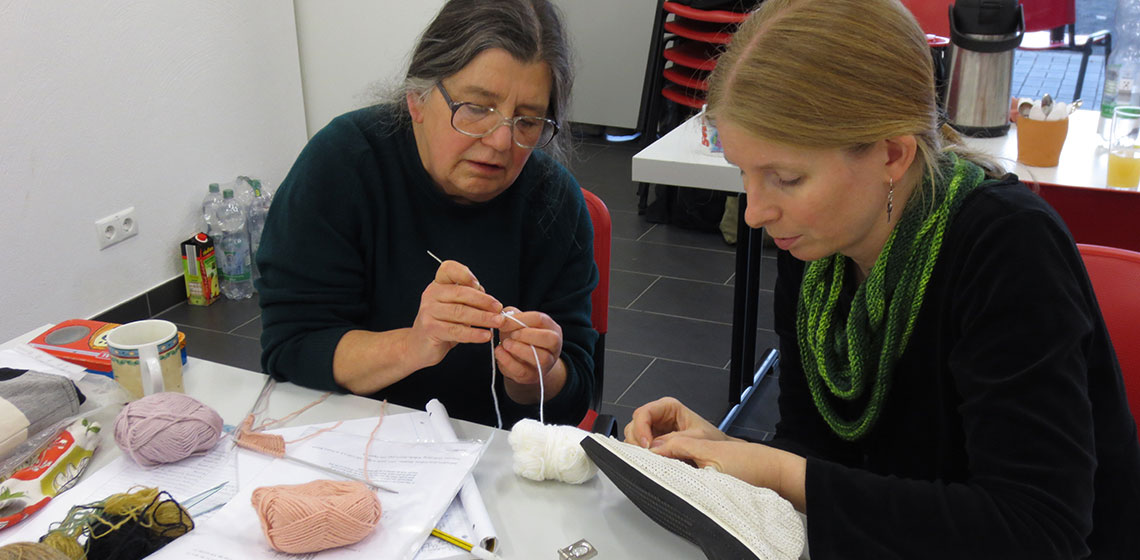
The European Textile Forum (Textilforum) was held between the 2nd and 9th November 2015, at the Laboratory for Experimental Archaeology (LEA) in Mayen, Germany. LEA kindly hosted the European Textile Forum as part of their inaugural event in 2012 and since then the Director Michael Herdick has invited the conference to return annually...
Archaeological Routes and Paths in Northeast Slovenia – new Opportunities for Tourism
Publication Date
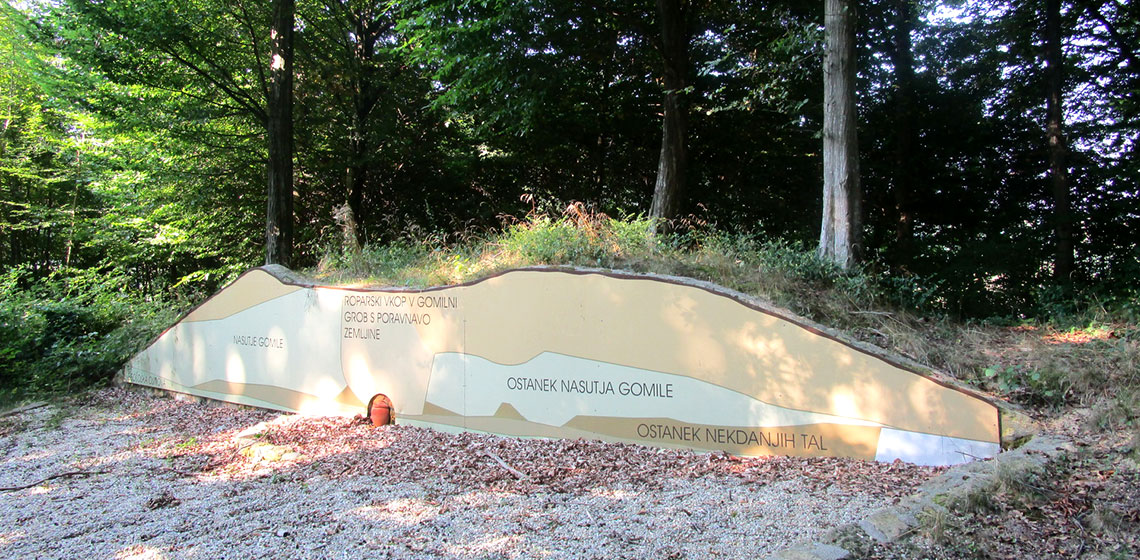
Archaeological parks, routes and paths in Slovenia are becoming new cultural-tourist products/attractions which, due to their content, enable visitors to “travel” back to the most remote periods of time. These products/attractions were first created in order to preserve the archaeological heritage and to make visitors aware of the rich cultural heritage which can be found at a specific place.
The Role of Saltmarsh Plants in Iron Age and Roman Salt Production in the Thames Estuary, UK
Publication Date
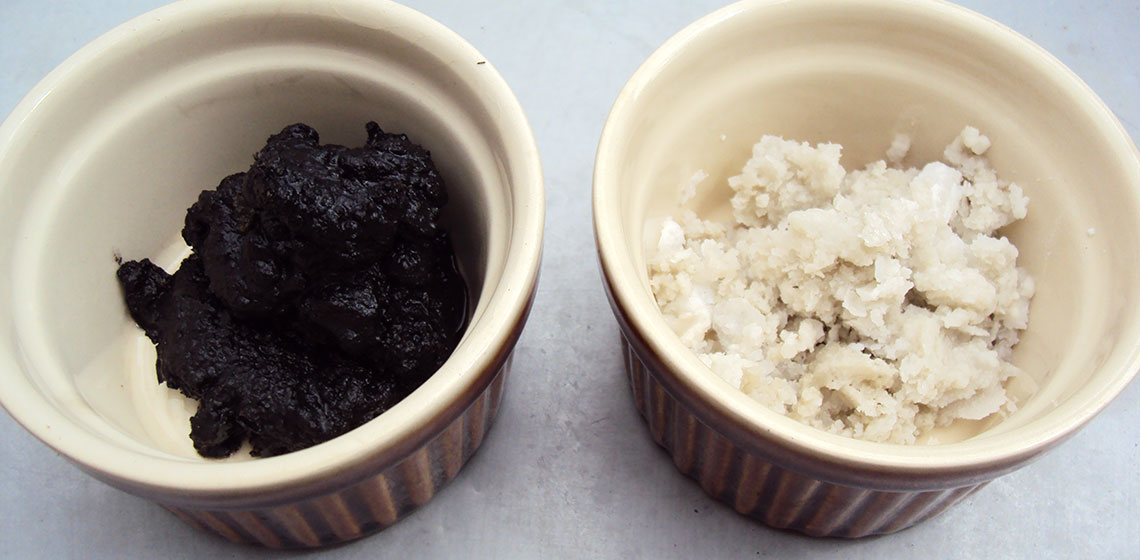
Analysis of plant remains and soils collected during excavations of the Iron Age and Roman Period salt production site at Stanford Wharf Nature Reserve on the coast of Essex have shown that saltmarsh plants and adhering sediments had been used as fuel to evaporate brine and crystallise the sea salt.