
Roman Era
Rubobostes' Feast
Publication Date
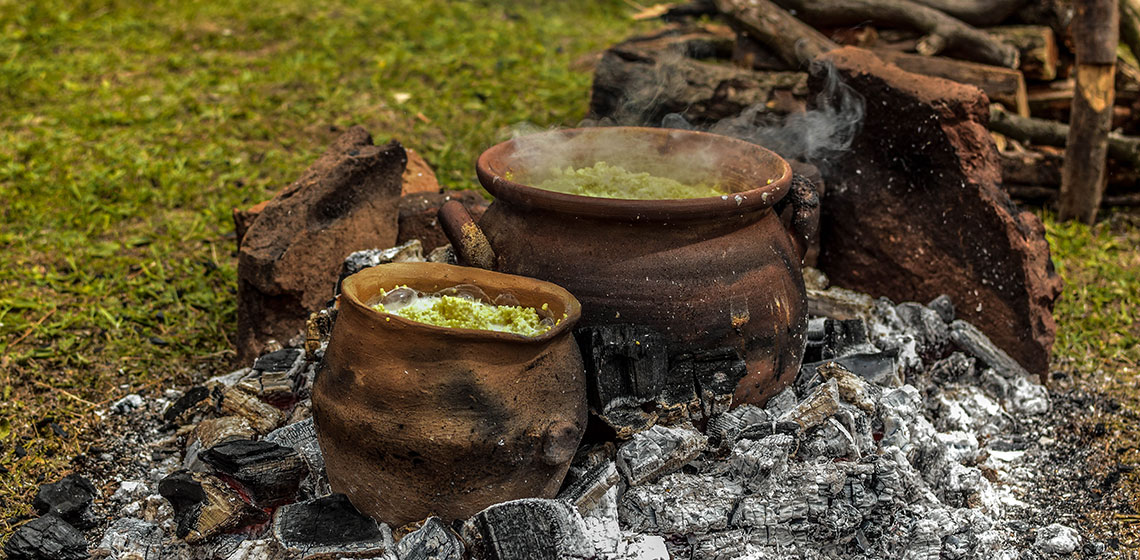
In Romania, in recent years, numerous cultural events and projects have been developed to reconstruct some aspects of everyday life from the past, or to promote archaeological sites (Ardeleanu, 2012, pp.72-73). One of these sites is the Porolissum Archaeological Reserve (Sălaj County). It includes an important prehistoric centre (with discoveries from the Neolithic Age, Bronze Age, Hallstat, and...
Book Review: Experimentelle Archäologie in Europa, Jahrbuch 2018
Publication Date
Annual Proceedings of the EXAR Tagung
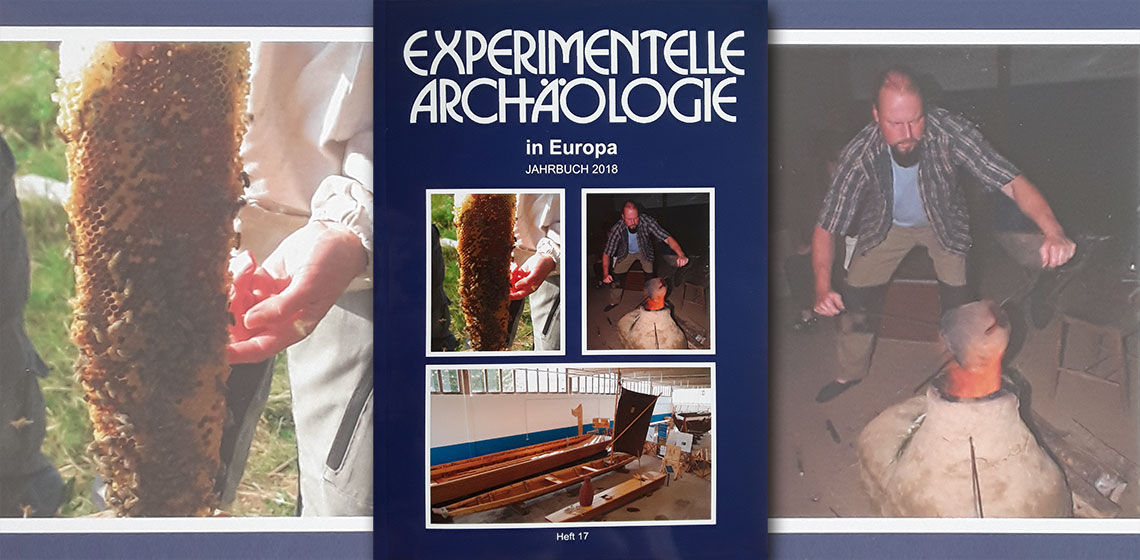
***Like the previous issues, this periodical (Jahrbuch) is published by Gunter Schöbel and the European Association for the advancement of archaeology by experiment e. V. (Europäische Vereinigung zur Förderung der Experimentellen Archäologie) in collaboration with the Pfahlbaummuseum Unteruhldingen...
***Like the previous issues, this periodical (Jahrbuch) is published by Gunter Schöbel and the European Association for the advancement of archaeology by experiment e. V. (Europäische Vereinigung zur Förderung der Experimentellen Archäologie) in collaboration with the Pfahlbaummuseum Unteruhldingen...
Butser Ancient Farm: An Internship Full of Senses
Publication Date
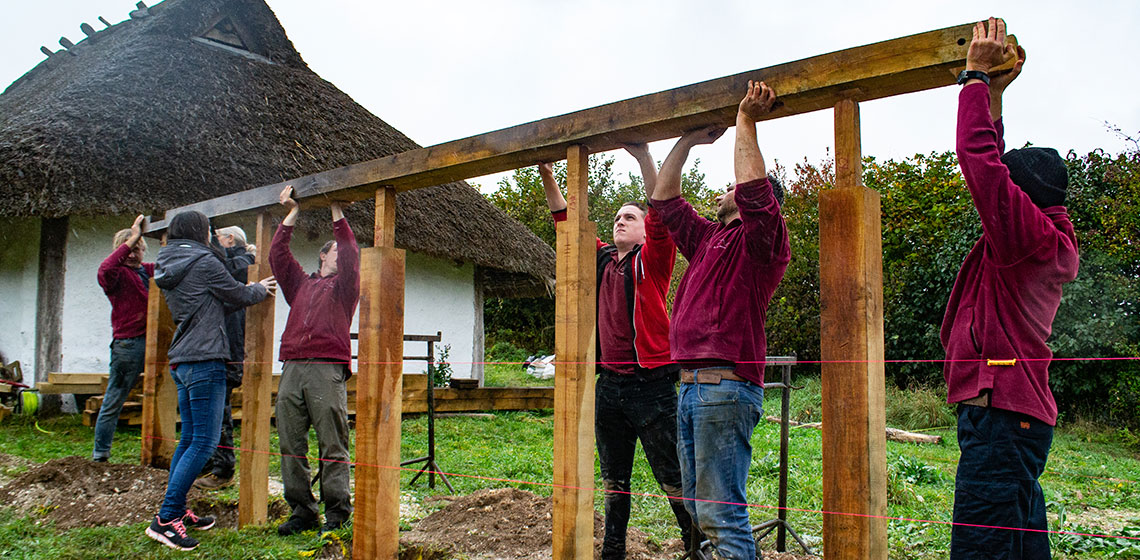
‘What is experimental archaeology?’ people asked me. ‘But if you work within an experimental place, you won’t be able to put into practise the tools learned in your Masters about cultural heritage and museology’ said some of my classmates. However, for me it was really important to do my internship in a place where the archaeology was paramount; at the same time, I was interested in...
Event Review: TRACamp, A Roman Experimental Archaeology Workshop
Publication Date
Experiments have always been an integral part of scientific investigation. Nevertheless, the more complex nature of heritage studies such as archaeology and ancient history -often interdisciplinary by nature- has delayed the development of clear and reliable methodologies for including experiments into broader research objectives. Apprehension towards inclusion of experiments seems to increase when...
Conference Review: 2018 EXAR Tagung in Unteruhldingen (DE)
Publication Date
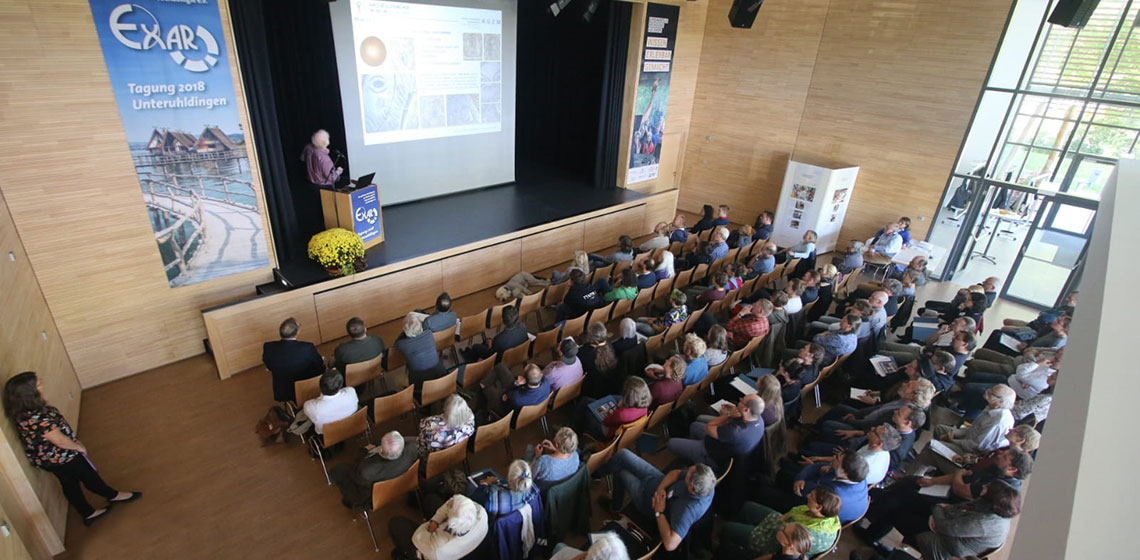
For the annual Tagung (conference), about 120 people convened in the southernmost point of Germany, at Lake Constance, near the borders of Switzerland and Austria. This conference is the perfect networking event for experimental archaeology in the German spoken part of Europe. Out of the 27 lectures, 25 were presented in German. The strength, but also its weakness, of the conference is that anything goes...
Conference Review: TRAC, a Place for an Experiment in Roman Studies 2018
Publication Date
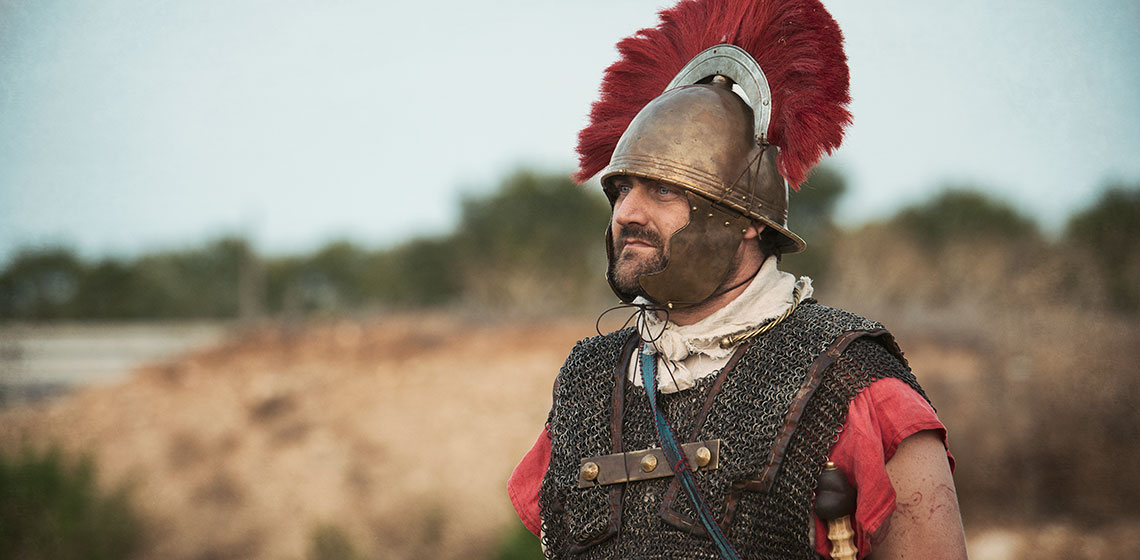
The annual Theoretical Roman Archaeology Conference (TRAC) took place from the 11th to the 15th of April 2018 alongside the biannual Roman Archaeology Conference (RAC) at the University of Edinburgh. As the title suggests, the underlying objective of this workshop was to re-examine the role of experimental archaeology in Roman studies...
Book Review: Experimentelle Archäologie in Europa, Jahrbuch 2017
Publication Date
Annual Proceedings of the EXAR Tagung
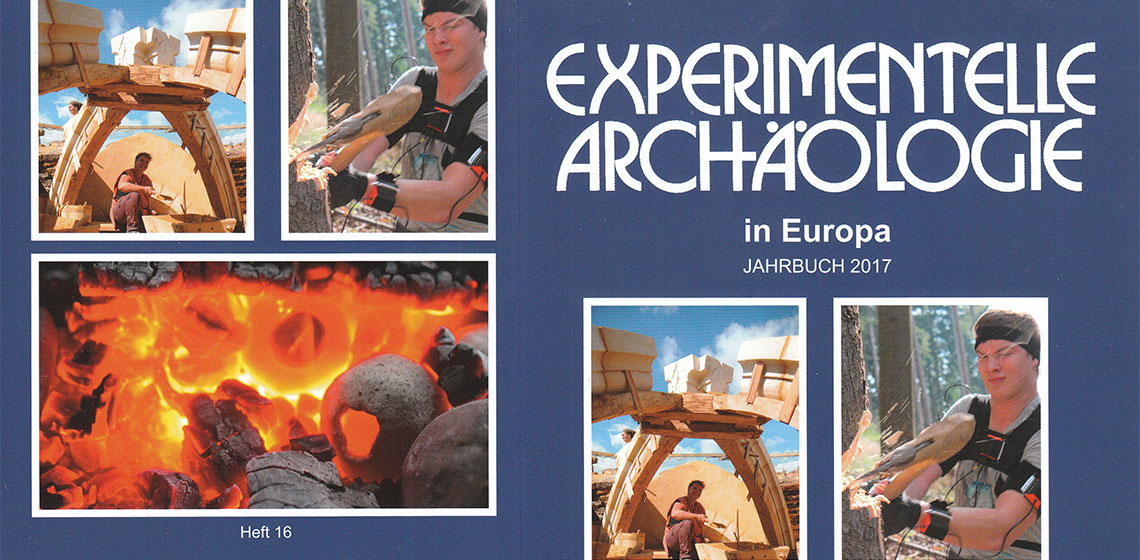
***This volume of Experimentelle Archäologie in Europa does not only serve as 2017’s year book of the European Association for the advancement of archaeology by experiment (EXAR), but also acts as a Festschrift dedicated to Professor Mamoun Fansa, who celebrated his 70th birthday...
***This volume of Experimentelle Archäologie in Europa does not only serve as 2017’s year book of the European Association for the advancement of archaeology by experiment (EXAR), but also acts as a Festschrift dedicated to Professor Mamoun Fansa, who celebrated his 70th birthday...
Conference Review: European Textile Forum 2017
Publication Date
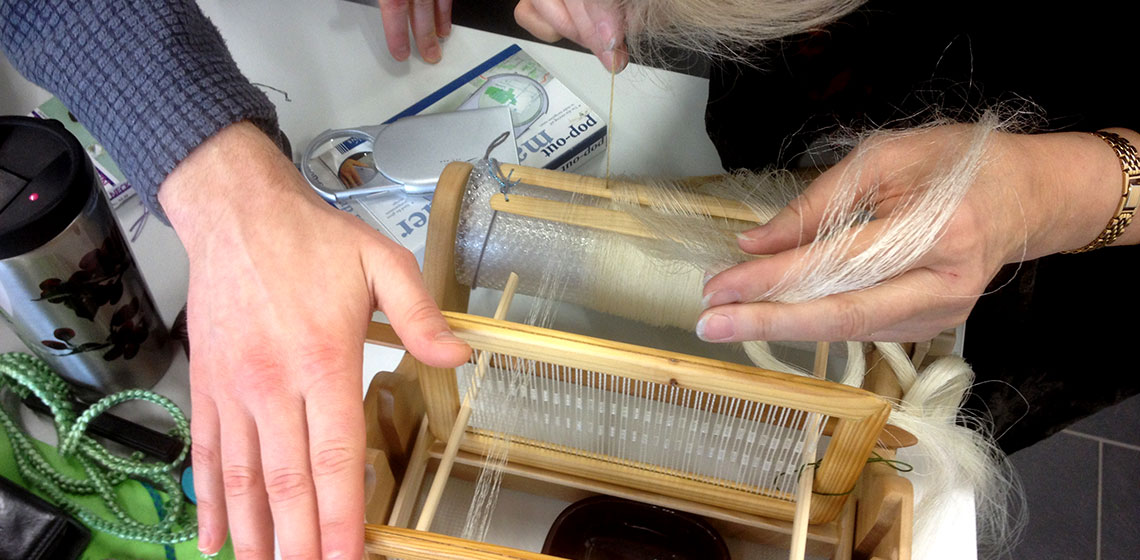
The eighth European Textile Forum took place 6-12th November 2017, organised by Katrin Kania and Sabine Ringenberg. It was held at its adopted home LEA (Labor für Expermentelle Archäologie) in Mayen, Germany, a satellite of the RGZM (Römisch-Germanisches Zentralmuseum) at Mainz, by invitation of LEA director Michael Herdick...
Book Review: Skanseny Archeologiczne i Archeologia Eksperymentalna by Jan Gancarski
Publication Date
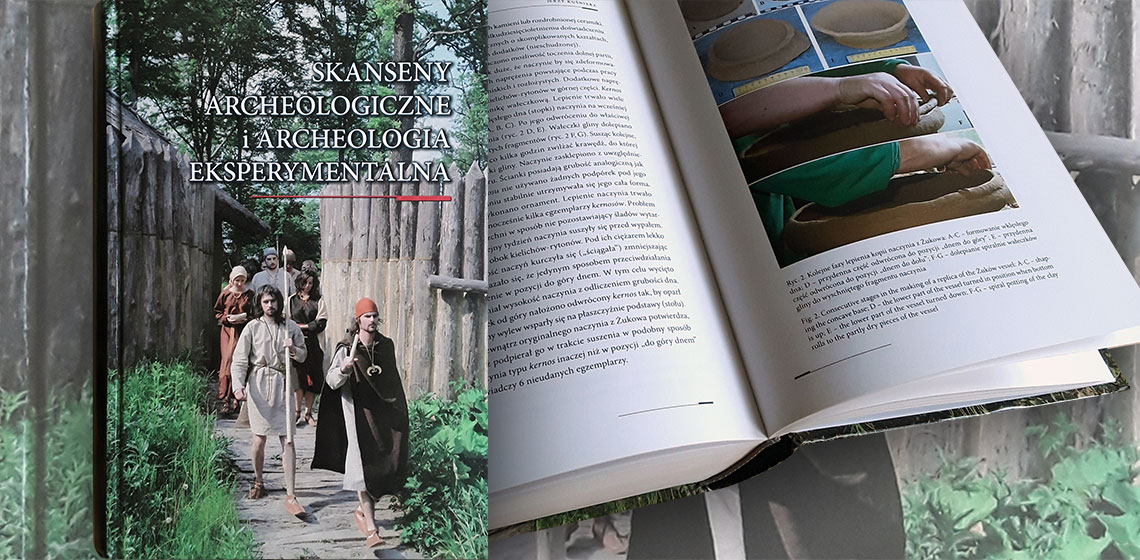
The book Skanseny Archeologiczne i Archeologia Eksperymentalna published by the Podkarpackie Muzeum in 2012 brings up the subject of open-air museums, opportunities and disadvantages of the promotion of cultural tourism and experimental archaeology mainly in Poland but also in Slovakia. Articles presented in this book were prepared for two different conferences organised by this museum...
An Experimental Diachronic Exploration of Patination Methodology of Dark Patinated (Arsenical) Copper Alloys on Case Studies from the Eastern Mediterranean Bronze Age and Early Iron Age
Publication Date
10th EAC Leiden 2017
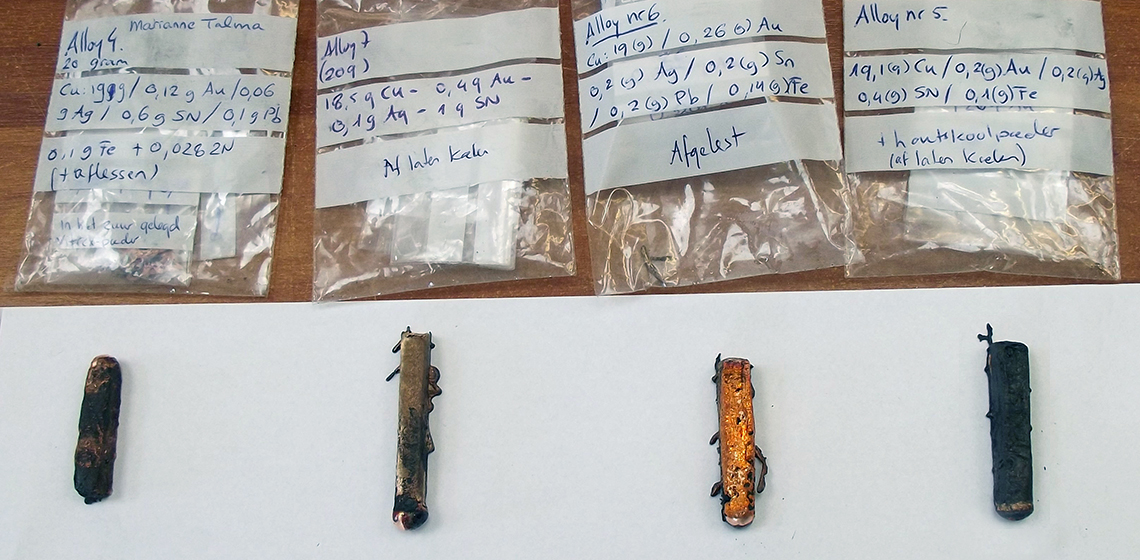
***Artificially patinated copper alloys are found archaeologically in polychrome artefacts from the 19th century BC Egypt to historical and contemporary Japan. The unusual colour variations observed in these patinas, ranging from black to blue to purple, is due to a minor amount of gold (Au) and silver (Ag) in their copper matrix, whereas accompanying elements such as tin (Sn), iron (Fe), and arsenic (As) might influence workability, hue or shine.
***Artificially patinated copper alloys are found archaeologically in polychrome artefacts from the 19th century BC Egypt to historical and contemporary Japan. The unusual colour variations observed in these patinas, ranging from black to blue to purple, is due to a minor amount of gold (Au) and silver (Ag) in their copper matrix, whereas accompanying elements such as tin (Sn), iron (Fe), and arsenic (As) might influence workability, hue or shine.