
review
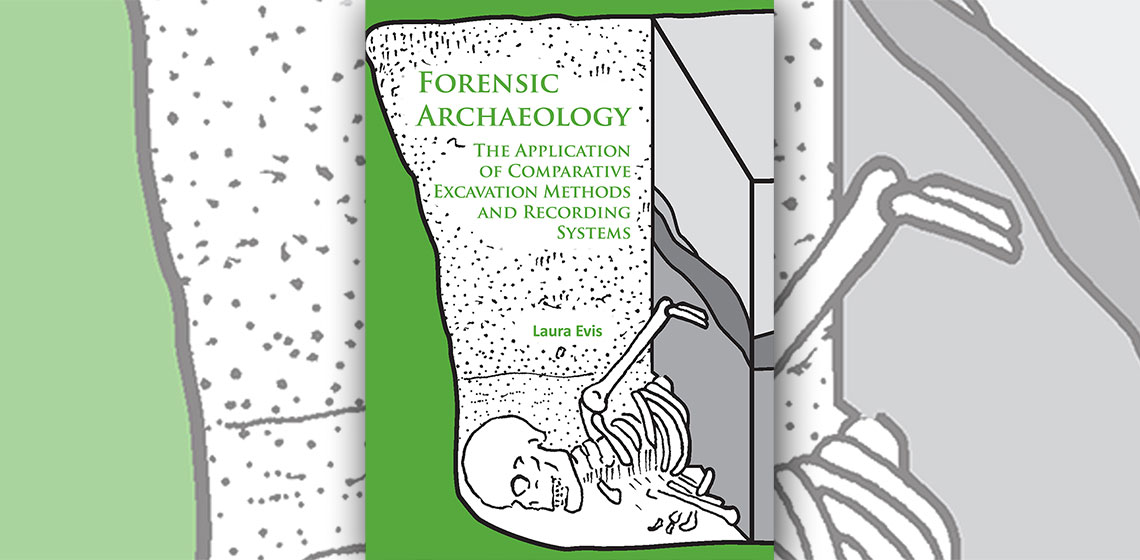
Book Review: Forensic Archaeology: the Application of Comparative Excavation Methods and Recording Systems by Laura Evis
Publication Date
This book is a rewrite of Evis’ PhD thesis compiled between October 2010 and March 2014 at Bournemouth University (University of Exeter 2017). The study was an evaluation of the archaeological excavation methods and recording systems used in the United Kingdom, Ireland, Australasia and North America...
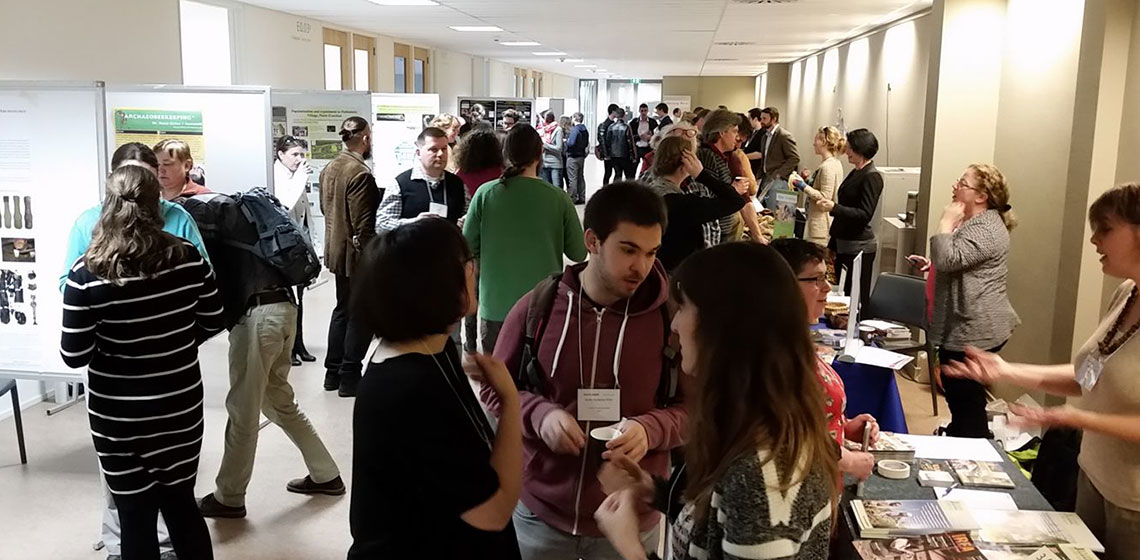
Conference Review: Fields of Dreams - the EAC10 Conference, Leiden 2017
Publication Date
The 10th Experimental Archaeology Conference of EXARC took place in Leiden, Netherlands, over three days; 20th to the 22nd April 2017, in Leiden University’s Archaeology department. The first two days hosted a diverse range of presentations from all over the globe, while the final day consisted of a visit to Vlaardingen prehistoric house-building project and Eindhoven Museum.
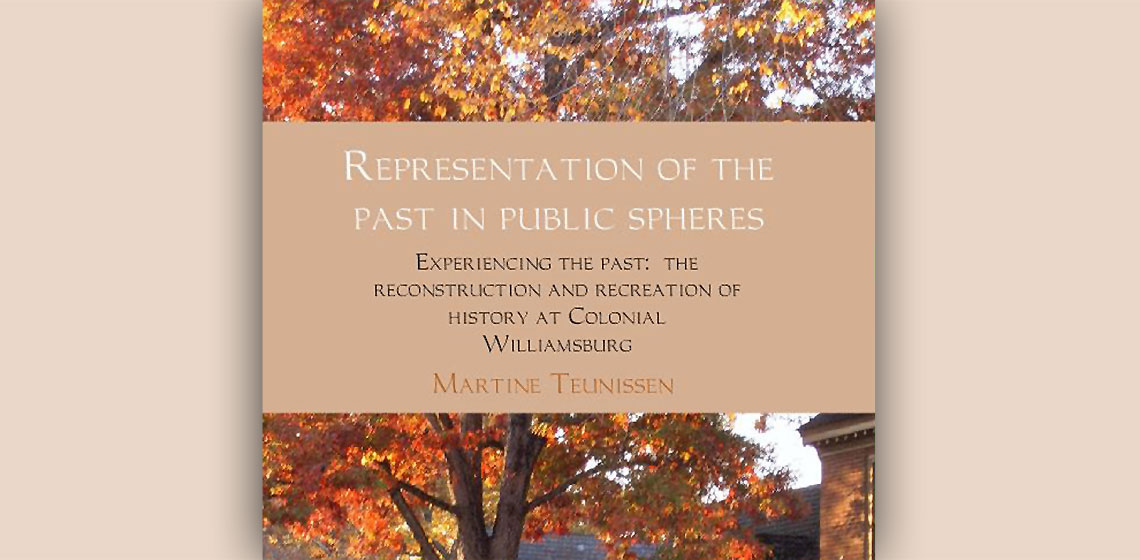
Book Review: Representation of the Past in Public Spheres. Experiencing the Past: the Reconstruction and Recreation of History at Colonial Williamsburg by Martine Teunissen
Publication Date
When I read the title, I particularly looked forward to reading this book and I was not disappointed. I am glad I was allowed to review it. Colonial Williamsburg has been held up to me as an example to follow when interpreting in living history and open air museums and also criticised when they don’t get it right...
Book Review: The Movement - Comments on the Booklet How to Organize a Historical Event involving Reenactment Groups

Publication Date
What defines re-enactment and living history?
As I believe that a clarification of terms and the contextualisation of matters is a good starting point for any investigation, this question marks the beginning of my guide (Aune Nilsen 2015:6-7). Talking to organisers, museum workers and re-enactors in Scandinavia, I have noted that they all have different answers to this question.
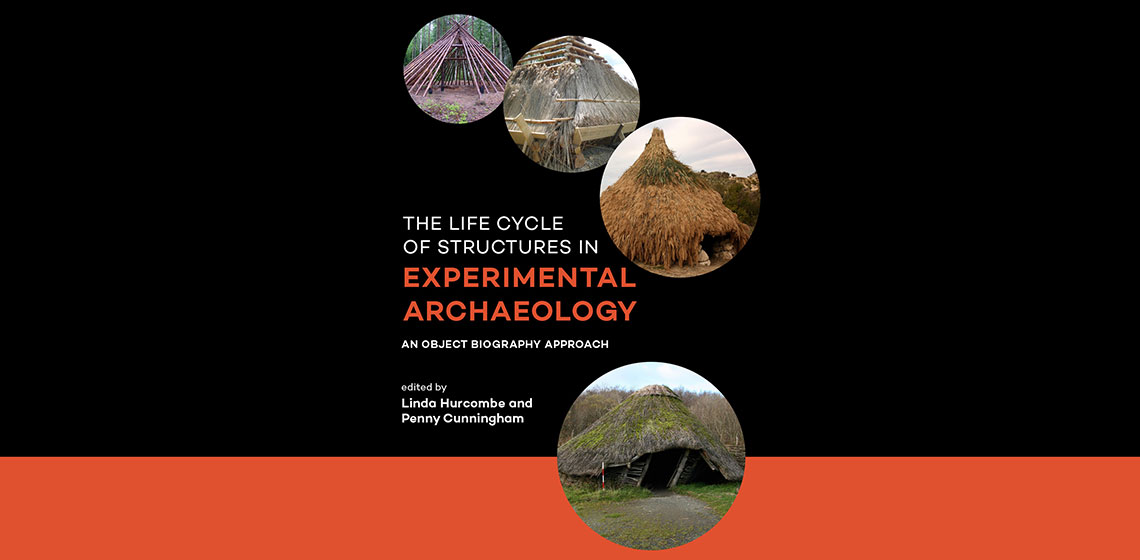
Book Review: the Lifecycle of Structures in Experimental Archaeology – An Object Biography Approach by L. Hurcombe and P. Cunningham
Publication Date
This book is made up of 16 papers that are a collection of results from a European Culture Project (OpenArch) that ran from 2010-2015. It was edited by Linda Hurcombe and Penny Cunningham. This work is dedicated to the late shipwright Brian Cumby, who was deeply involved with making replicas of several prehistoric boats...
Book Review: das "jungsteinzeitliche" Langhaus in Asparn an der Zaya by E. Lauermann (ed)
Publication Date
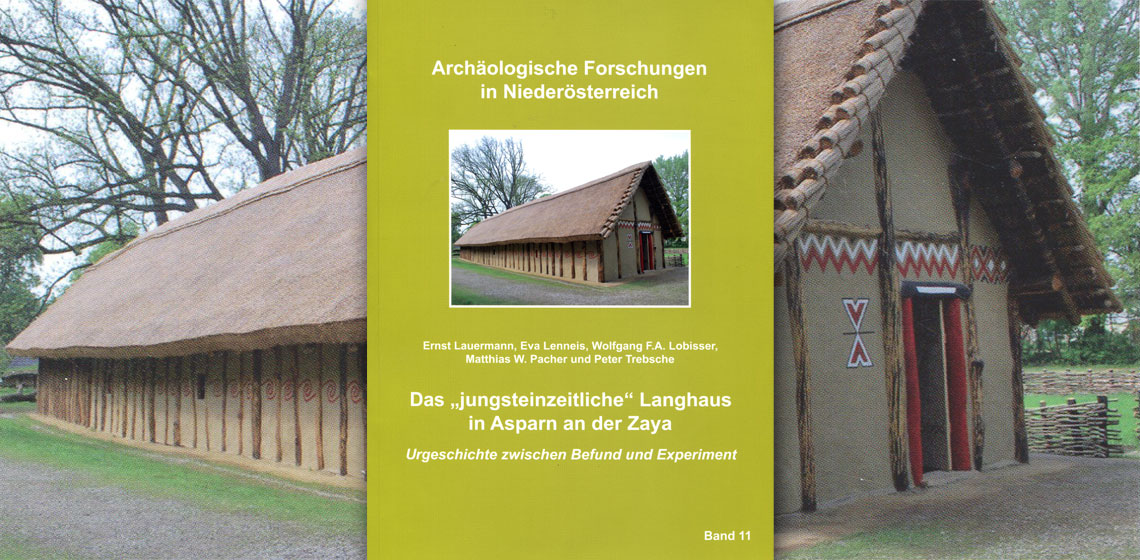
In 1970, the Archaeological State Museum of Lower Austria, founded by F. Hampl in the town of Asparn an der Zaya, Austria, some 60 km north from Vienna, was officially declared open. The finds excavated from the region were put on display in the castle of Asparn, whilst the living conditions of prehistoric people were...
Book Review: Management of Open-Air Museums. Workpackage 2: “Improvement of Museum Management” by Jakobsen, B & Burrow, S (eds).
Publication Date
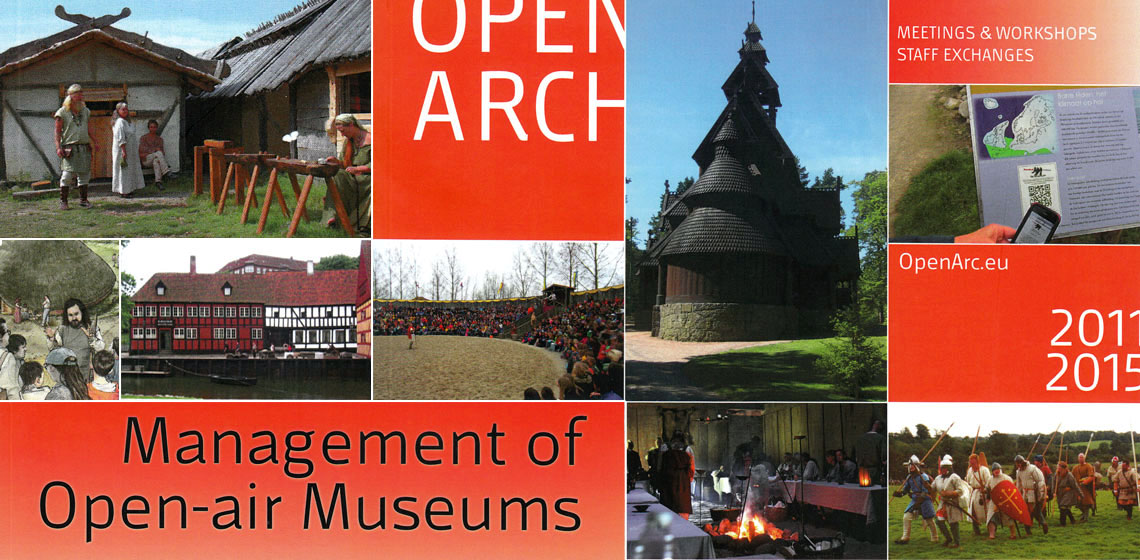
The five year OpenArch project concluded in 2015. It was an effort to create a permanent partnership between Archaeological Open-Air Museums (or, AOAMs) in Europe. The project saw eleven participating organisations come together to – among other objectives – produce work packages that would be accessible to people with an interest in the workings of AOAMs...
Conference Review: Reconstructive & Experimental Archaeology Conference REARC 2016
Publication Date
REARC Conferences
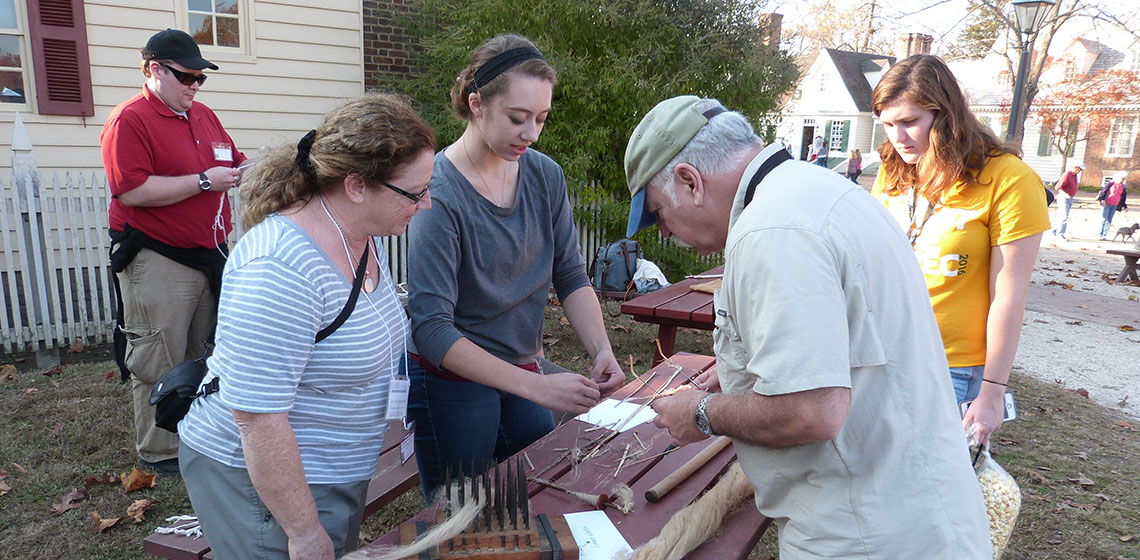
***The 2016 REARC conference hosted by EXARC in Colonial Williamsburg, Virginia, from November 18th to the 20th, was an unforgettable experience. After a midnight drive and a short night's rest it was time to listen to papers. Everyone giving a presentation was incredibly knowledgeable and the passion they had for their topics...
***The 2016 REARC conference hosted by EXARC in Colonial Williamsburg, Virginia, from November 18th to the 20th, was an unforgettable experience. After a midnight drive and a short night's rest it was time to listen to papers. Everyone giving a presentation was incredibly knowledgeable and the passion they had for their topics...
Book Review: Menswear of the Lombards. Reflections in the Light of Archaeology, Iconography and Written Sources
Publication Date
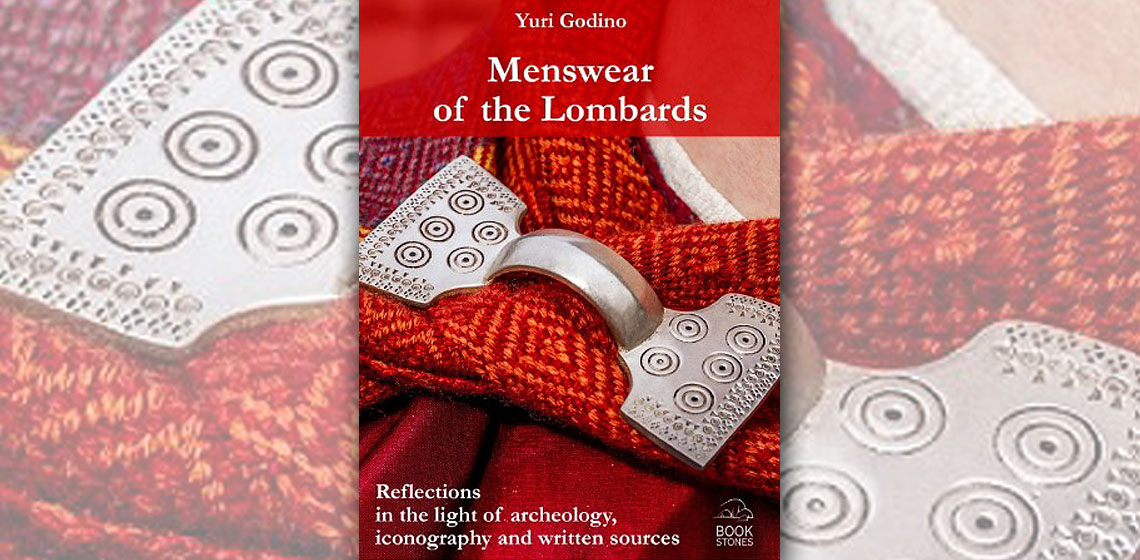
Recent archaeological adventures in the beautiful Friulian region of Northern Italy had introduced me to the history of the Langobards, a Germanic people who settled in the Adriatic during the 6th century AD after a long period of southerly migration from the German/Scandinavian Baltic area...
Book Review: Heritage Tourism Destinations by Maria D Alvarez (et al.)
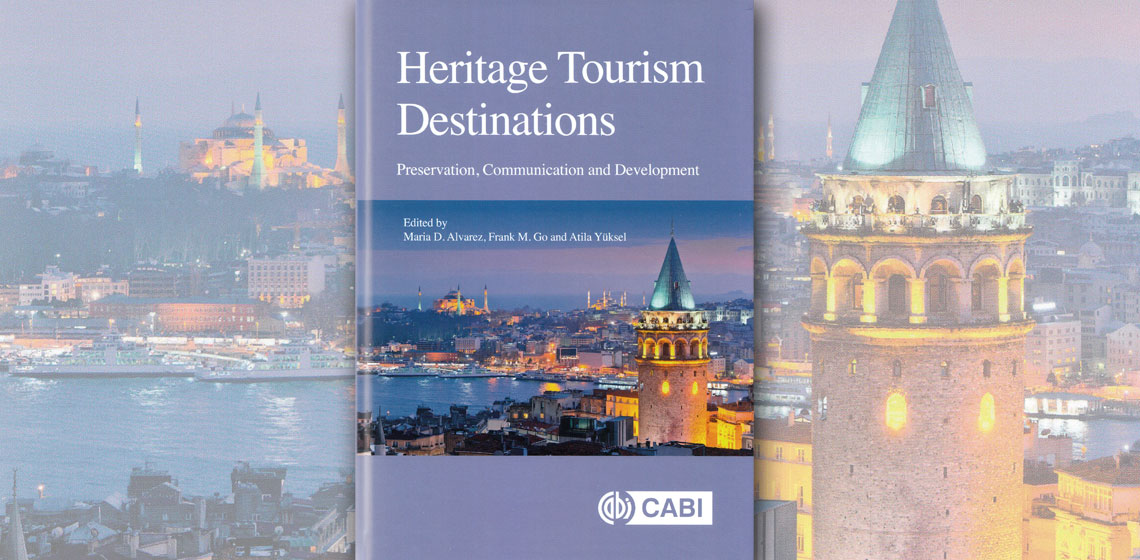
Publication Date
This book is a follow-up from the first Hospitality, Tourism and Heritage International Conference, held in Istanbul, Turkey from the 6th to the-7th November 2014. It is wonderful that these papers were published only two years later. This book’s goal is to cross the bridge between theory and conceptual reflections...