
Germany
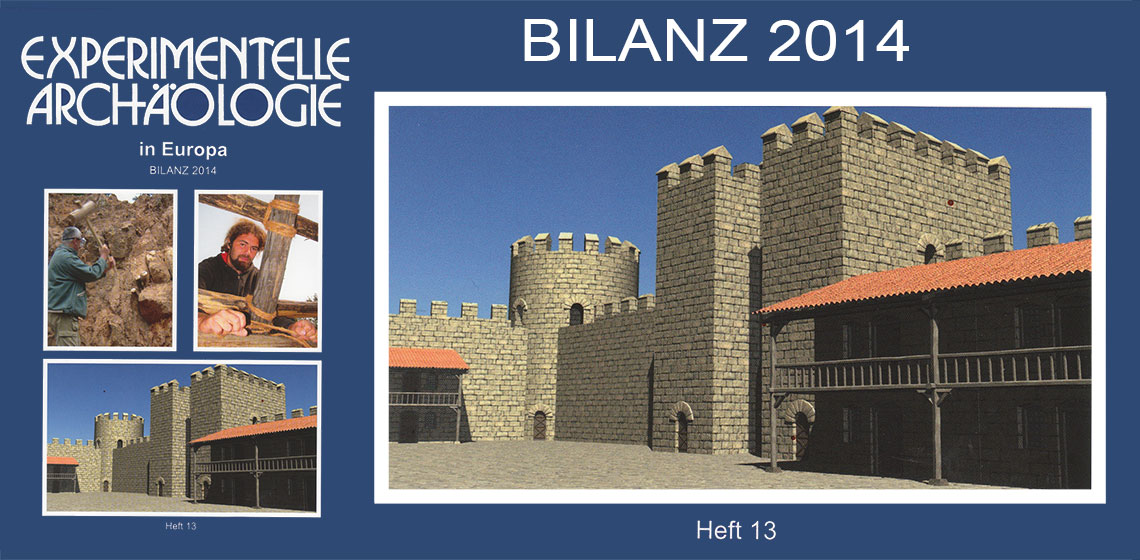
Book Review: Experimentelle Archäologie in Europa, Bilanz 2014
Publication Date
Annual Proceedings of the EXAR Tagung
***Volume number 13 of the periodical Experimentelle Archäologie in Europa. Bilanz contains 215 pages with 18 different articles on a wide variety of subjects. The contributions are presented in four sections: Experiment and Test, Reconstruction Archaeology, Theory and Emanation’, and Short reports...
***Volume number 13 of the periodical Experimentelle Archäologie in Europa. Bilanz contains 215 pages with 18 different articles on a wide variety of subjects. The contributions are presented in four sections: Experiment and Test, Reconstruction Archaeology, Theory and Emanation’, and Short reports...
Knapping Skill Assessment
Publication Date
OpenArch Dialogue with Skills Issue
***This article is derived from a presentation made by the senior author at the OpenArch Conference "Working with stones in European Pre- and Proto-history in theory and in practice" organised by the Archaeological-Ecological Centre Albersdorf (DE), 23-27 September, 2013.
***This article is derived from a presentation made by the senior author at the OpenArch Conference "Working with stones in European Pre- and Proto-history in theory and in practice" organised by the Archaeological-Ecological Centre Albersdorf (DE), 23-27 September, 2013.
Field Trials in Neolithic Woodworking – (Re)Learning to Use Early Neolithic Stone Adzes
Publication Date
OpenArch Dialogue with Skills Issue
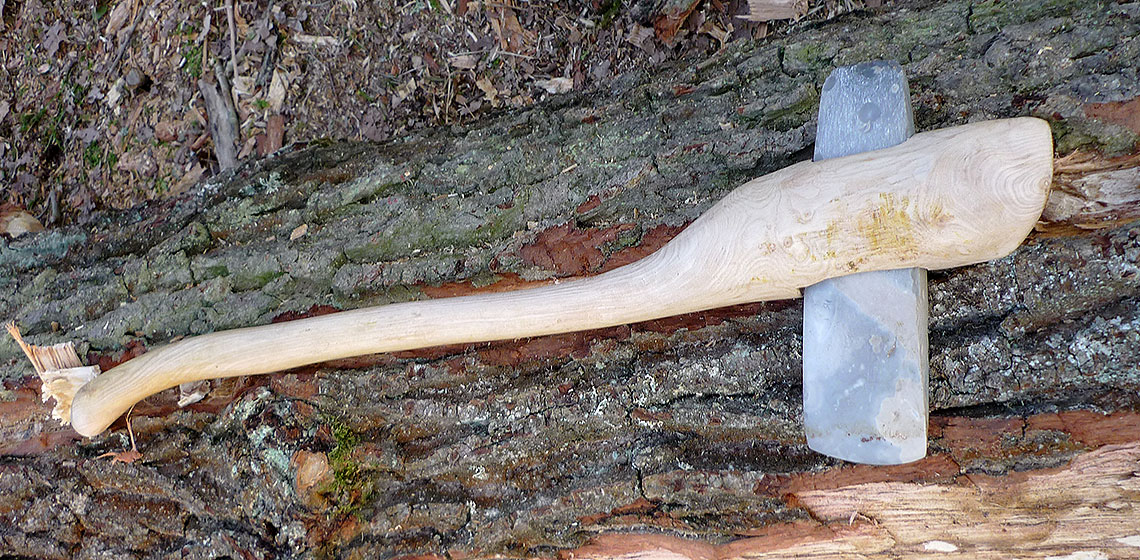
***Excavations of several Early Neolithic wells with excellent preservation of the wooden lining in the past years have made clear that Stone Age woodworking already attained a very high level of perfection. This poses the question how it was possible to execute this type of work with the means available at that time...
***Excavations of several Early Neolithic wells with excellent preservation of the wooden lining in the past years have made clear that Stone Age woodworking already attained a very high level of perfection. This poses the question how it was possible to execute this type of work with the means available at that time...
The Steinzeitpark Dithmarschen (DE): Concept and Development of a Visitor Oriented Educational Centre for Sustainable Development
Publication Date
OpenArch Special Digest 2015 Issue 2
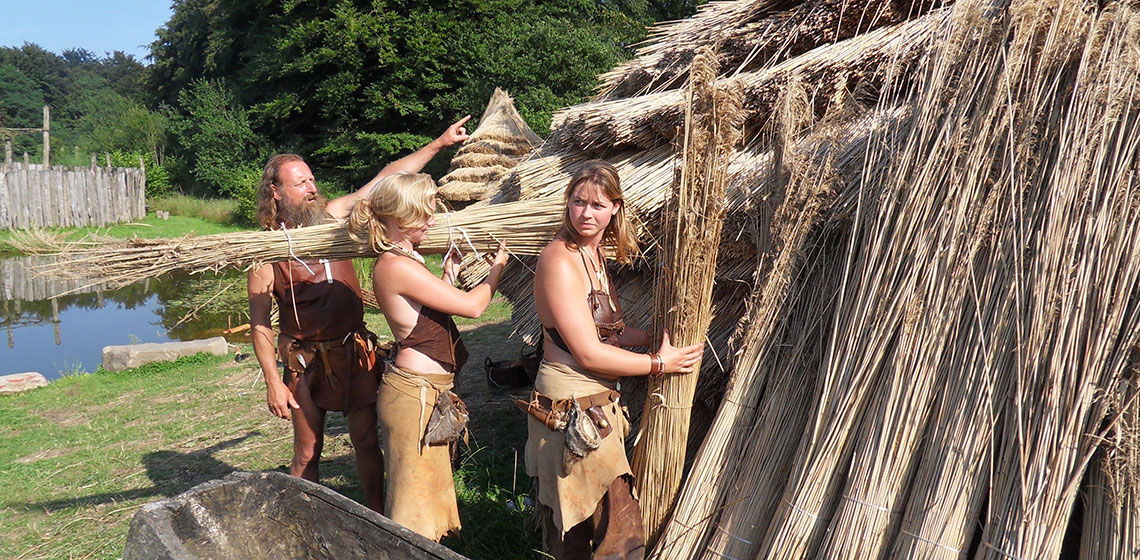
***What does a Stone Age village or Stone Age house look like? (Almost) every person that we happen to randomly meet can answer this question with (subjectively recognized) certainty. Since the research of the 19th century, the knowledge people assume to have is based, not lastly, on images or...
***What does a Stone Age village or Stone Age house look like? (Almost) every person that we happen to randomly meet can answer this question with (subjectively recognized) certainty. Since the research of the 19th century, the knowledge people assume to have is based, not lastly, on images or...
Event Review: “Living in the Neolithic” – Impressions from the Experimental Archaeology Days of the University of Hamburg in Albersdorf in Summer 2014
Publication Date
OpenArch Dialogue with Skills Issue
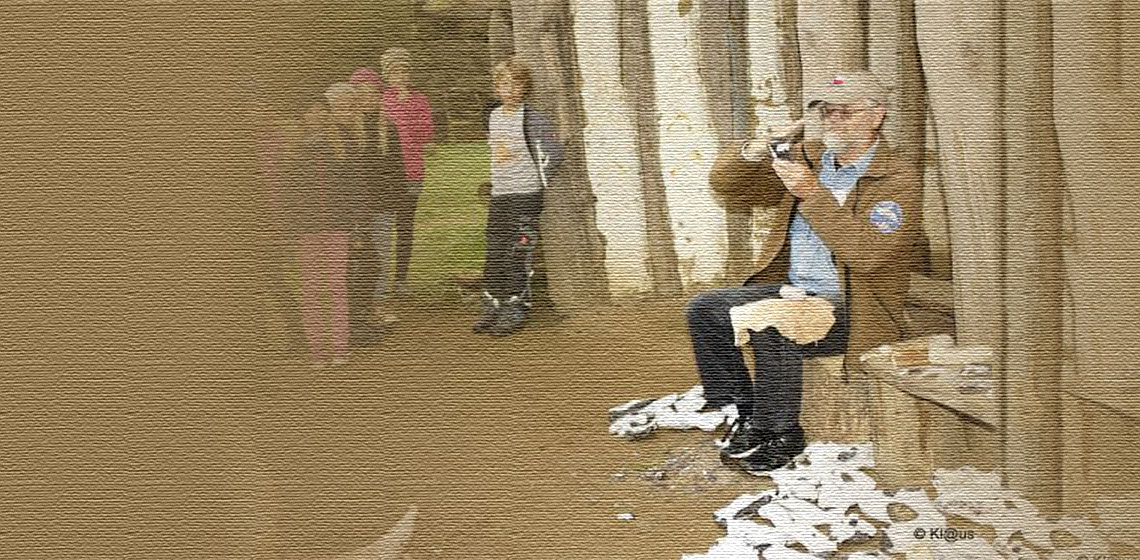
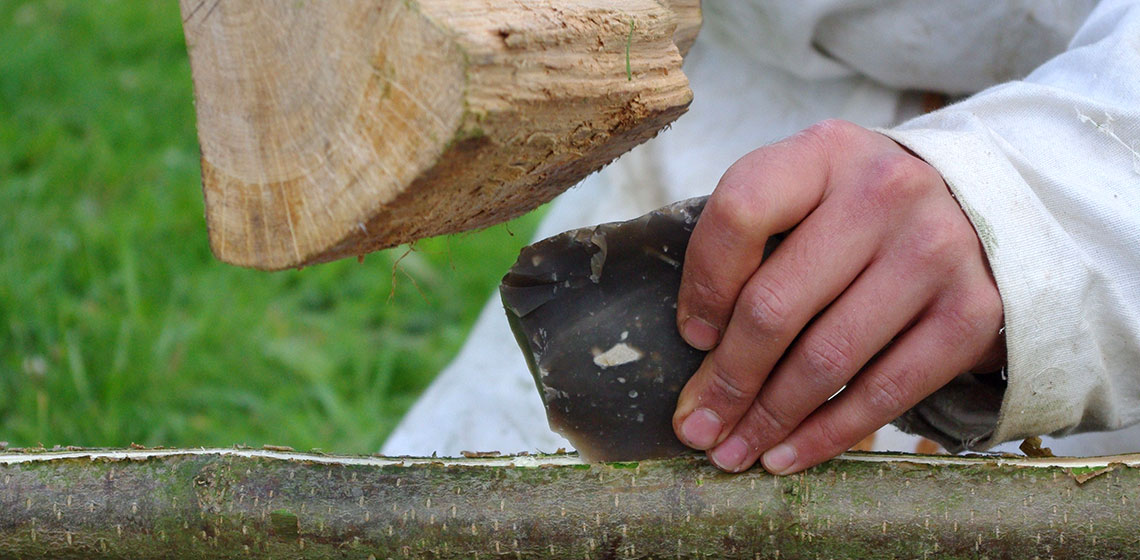
***During the summer of 2014 more than 30 students from the Archaeological Institute of the University of Hamburg and four children participated in the practical archaeology week at the Stone Age Village in the Stone Age Park in Albersdorf...
***During the summer of 2014 more than 30 students from the Archaeological Institute of the University of Hamburg and four children participated in the practical archaeology week at the Stone Age Village in the Stone Age Park in Albersdorf...
Book Review: Experimentelle Archäologie in Europa, Bilanz 2012
Publication Date
Annual Proceedings of the EXAR Tagung
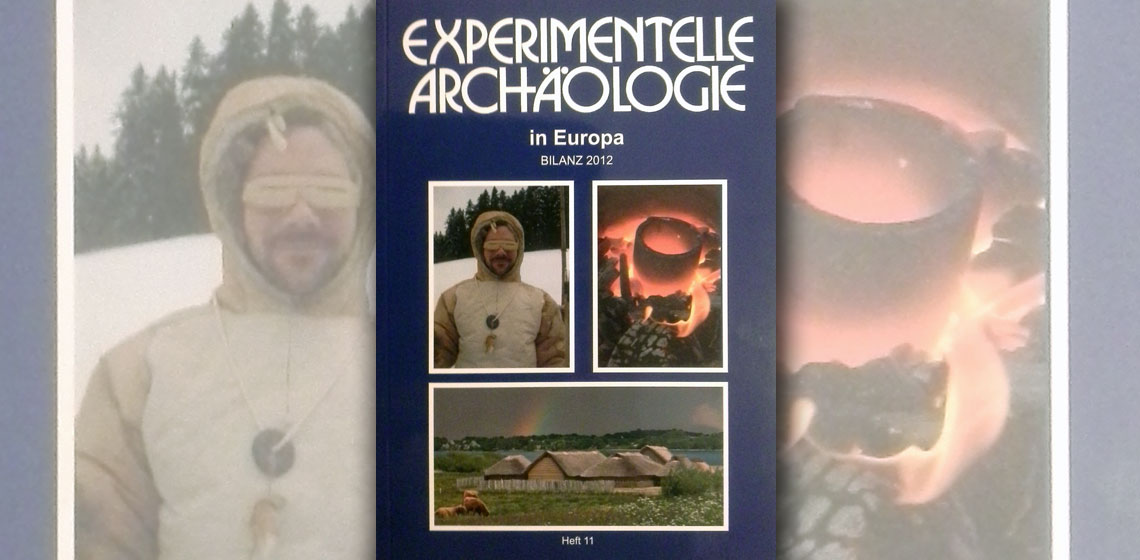
***According to James Mathieu in 2002, experimental archaeology is “A subfield of archaeological research which employs a number of different methods, techniques, analyses and approaches within the context of a controllable imitative experiment to replicate past phenomena...
***According to James Mathieu in 2002, experimental archaeology is “A subfield of archaeological research which employs a number of different methods, techniques, analyses and approaches within the context of a controllable imitative experiment to replicate past phenomena...
Ways of Structuring and Organizing an Archaeological Open-Air Museum
Publication Date
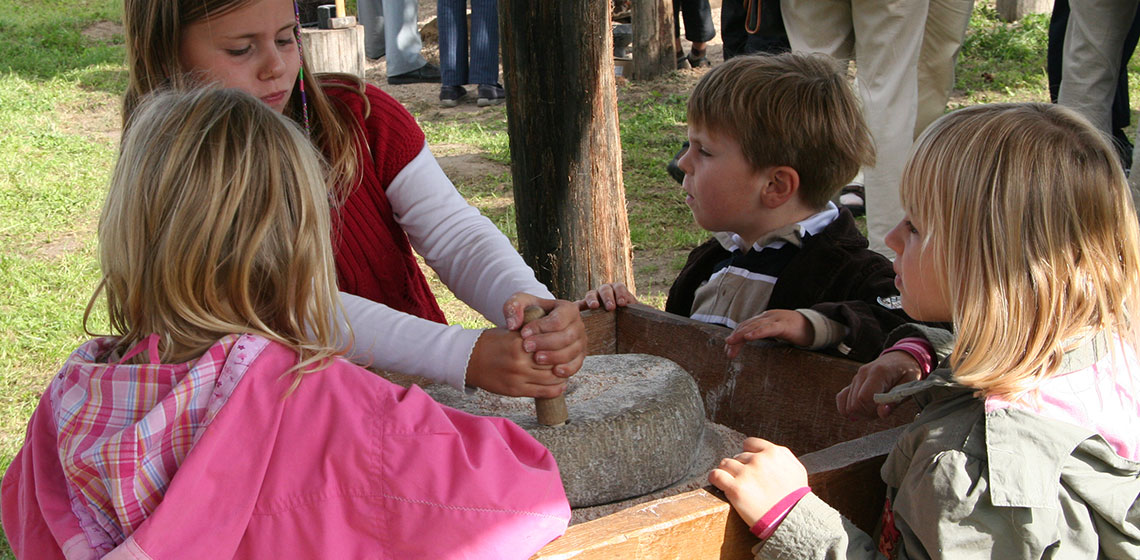
In February 2014 Clara Imeyer, student of International Tourism Management at the Hochschule Bremen, Germany, completed her Bachelor thesis with the title Ways of Structuring and Organizing an Archaeological Open-Air Museum – Analysis of the Iron Age House Venne...
Book Review: "Experiments Past" Edited by Jodi Reeves Flores & Roeland P. Paardekooper
Publication Date
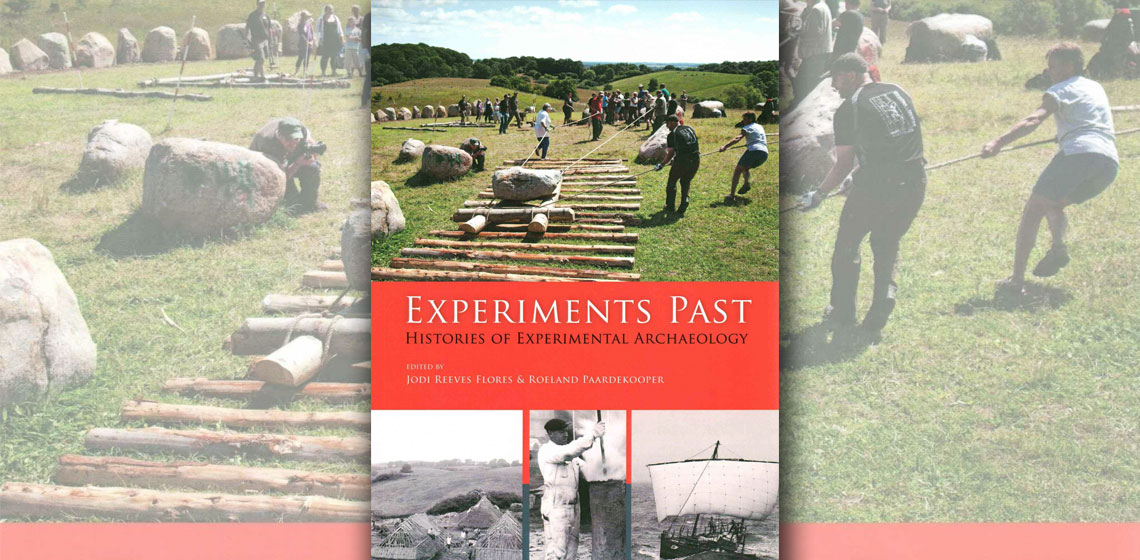
The publication in 1979 of the John Coles’ book Experimental Archaeology can be called the vademecum of the experimental archaeology. Many particular experiments have been published since then, such as A Bibliography of Replicative Experiments in Archaeology (Graham et al. 1972) and...
Archaeological Live Interpretations, Docu-Soaps and Themed Walks: Similarities and Differences
Publication Date
2013 EXARC meeting at Csiki Pihenökert (HU)
***Since the 1990s, experience-oriented historical communication has been steadily increasing. Yet in-depth research of forms of historical representation and acquisition such as museum theatre, themed walks, or time travel within docu-soaps has remained minimal. Beginning in 2011/12, the fellows of the interdisciplinary research project, Living History...
***Since the 1990s, experience-oriented historical communication has been steadily increasing. Yet in-depth research of forms of historical representation and acquisition such as museum theatre, themed walks, or time travel within docu-soaps has remained minimal. Beginning in 2011/12, the fellows of the interdisciplinary research project, Living History...
Book Review: Archaeological and Anthropological Sciences by L. Shillito, E. Fairnell and H. S. Williams (eds)
Publication Date
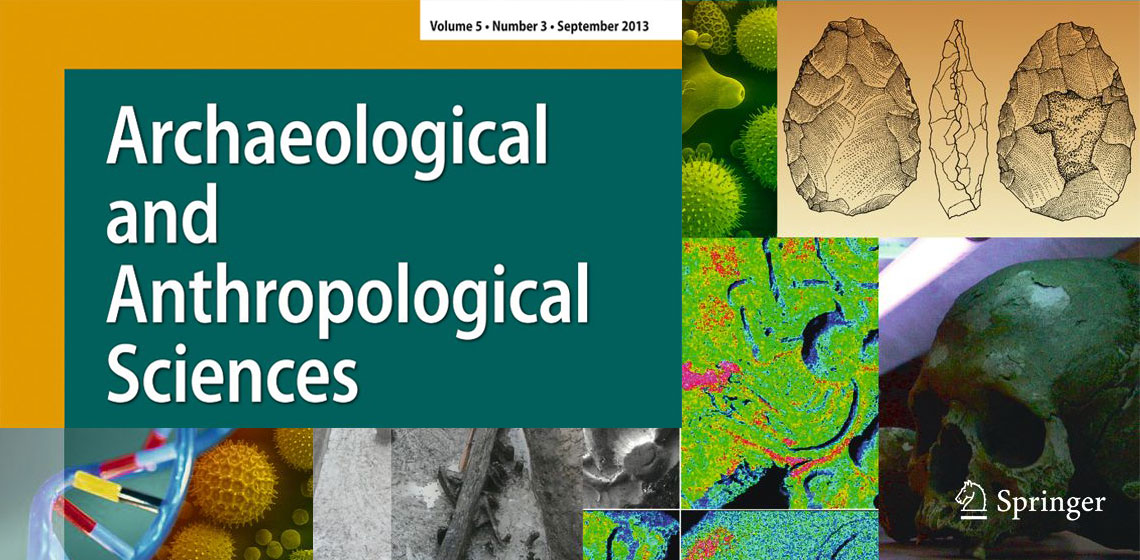
A set of eleven articles resulting from the call for papers for the Sixth UK Experimental Archaeology Conference (held in York in January 2012) is now published in a special issue of the Journal of Archaeological and Anthropological Sciences...