
Early Middle Ages
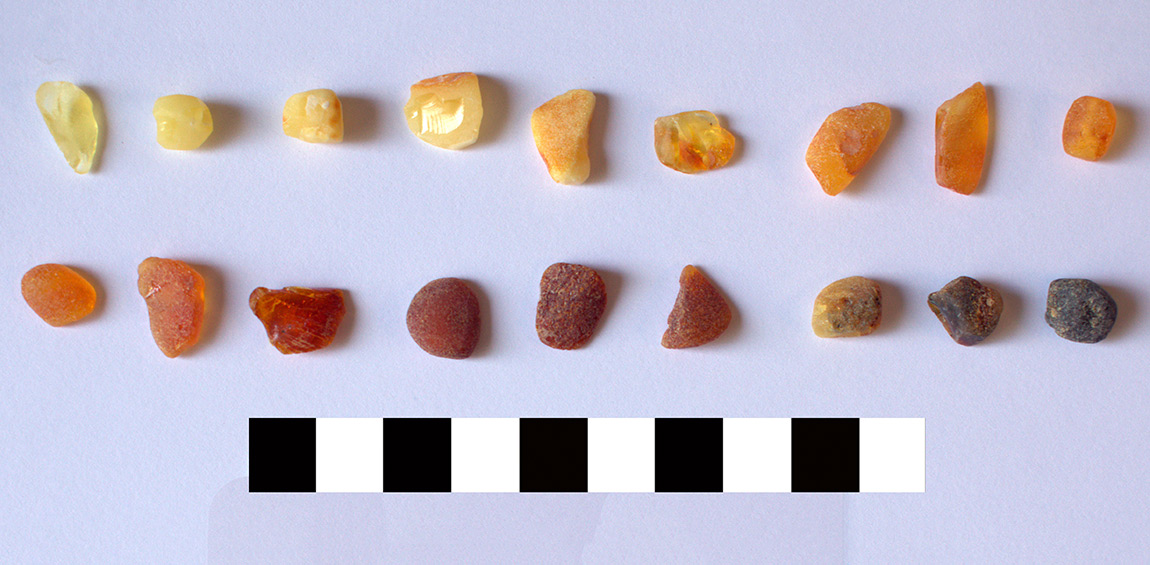
Experimental Approaches to Amber Bead Production in Early Medieval (Fifth- And Sixth-Century AD) England
Publication Date
Tens of thousands of amber beads have been recovered from furnished early medieval female burials of the later fifth to early seventh centuries AD in southern and eastern Britain (Brugmann, 2004, fig. 64; Huggett, 1988, pp.64-66). Amber reached its peak in the middle of the sixth century, overtaking even glass beads in popularity (Huggett, 1988, p.64; Brugmann, 2004, p.47; Hirst, 1985, p.75). Despite the wealth of evidence for the finished objects, no archaeological traces of amber-working in southern Britain during the same period have yet been identified, from either excavated settlements or cemeteries....
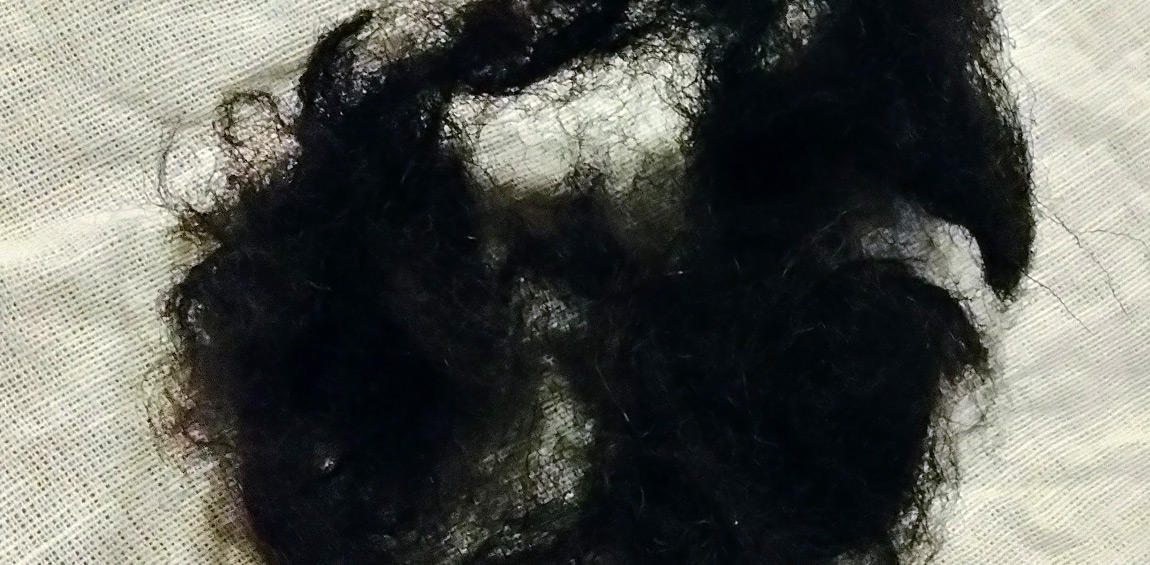
Searching for Dubh: Experiments in Black Dyes Pre 15th Century in Ireland and Scotland
Publication Date
This paper explores sources of black dyes in Ireland and Scotland prior to 1500, in order to better understand the extent to which they were used and the hues that can be produced. I propose that it is possible to obtain true blacks using only natural dyeing techniques. To test this hypothesis, four variations of historically plausible dye methods, and a control, were tested based on the availability of the dyestuffs. Brown Shetland wool was dyed according to possible historical methods, and each variant was subjected to a series of tests to examine lightfastness and wash fastness. Initially, testing showed a low indigotin content, an organic compound which creates a blue pigment, in the sourced woad, resulting in a poor dye bath and skewed results.
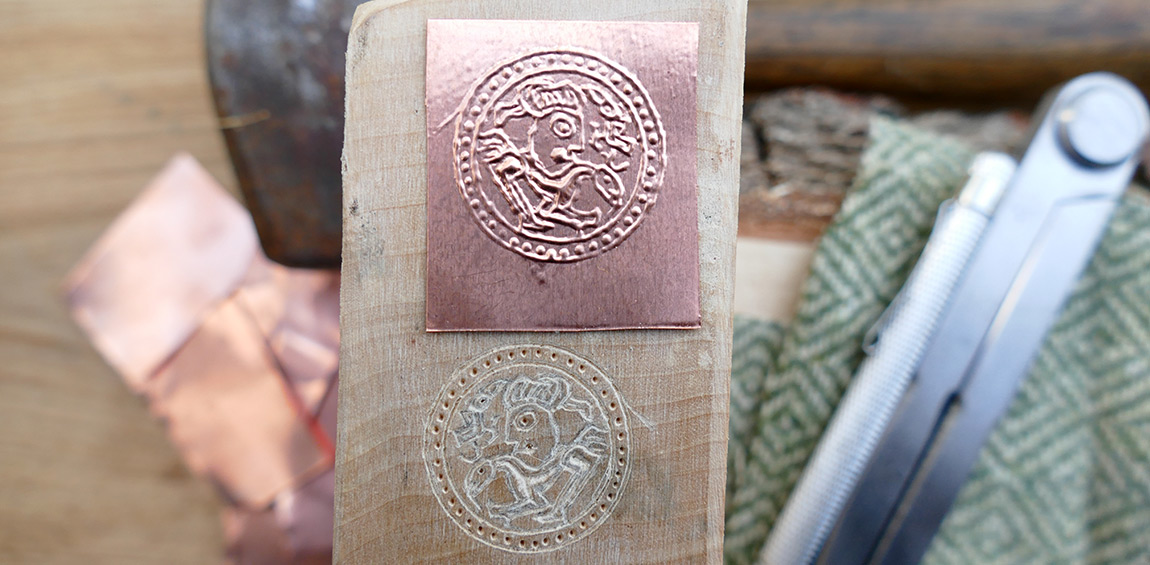
Wooden Matrices in Bracteate Production: An Experimental Approach
Publication Date
The literature on the production of Migration Period (c.400-550 AD) gold bracteates has suggested wood as a possible material to be used for the matrix on which bracteates are made, but only in the production of a single or very few bracteates. This study experiments with how such a matrix could have been made and what part of the wood could have been used. Additionally, it examines the quality changes in serial production...
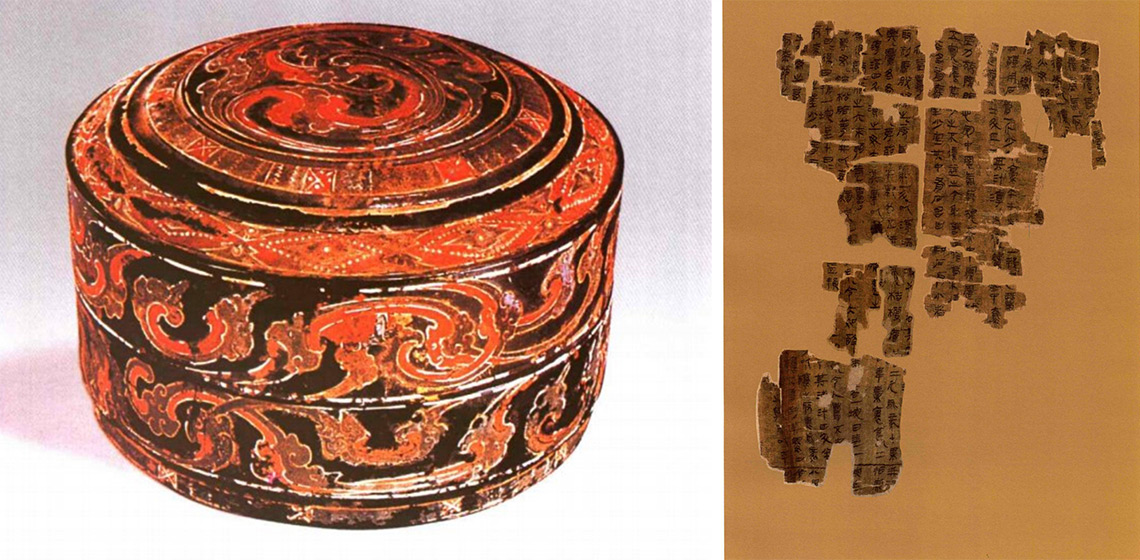
An Experimental Reconstruction of Hair Colours from the Jin and Tang Dynasties (265-907 AD) in China
Publication Date
Hair colours, as a daily cosmetic used in ancient Chinese life, often appear in ancient Chinese medical books, according to types, and can be classified into herbal hair colours and mineral hair colours.
Testing Roman Glass in the Flame
Publication Date
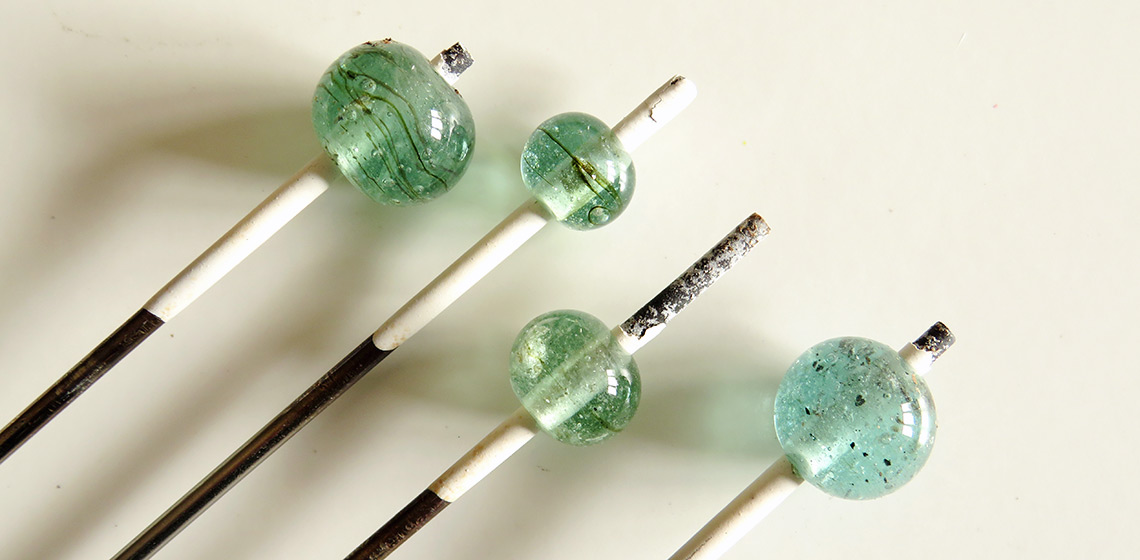
Glass made during the Romano British period was recycled throughout the Late Roman and Early Medieval periods. Studies have shown that British beadmakers of the fifth and early sixth centuries AD made a large proportion of their beads using Roman period glass (Peake, 2013). To study fully the techniques of glass workers in early Anglo-Saxon times, it is important to...
Book Review: Experimentelle Archäologie in Europa, Jahrbuch 2022
Publication Date
Annual Proceedings of the EXAR Tagung
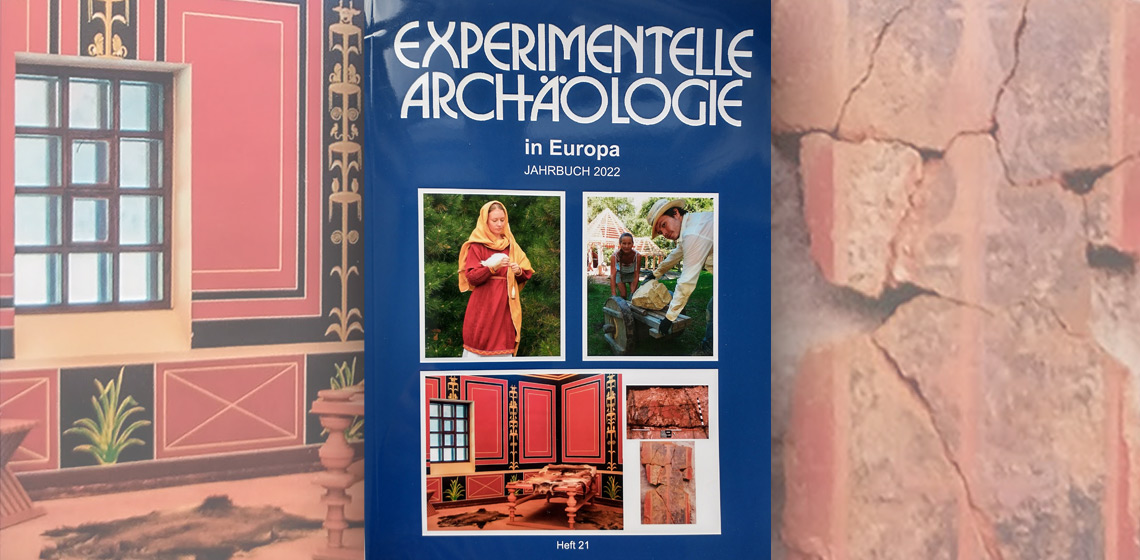
***The periodical is published by Gunter Schöbel and the European Association for the Advancement of Archaeology by Experiment e. V. (Europäische Vereinigung zur Förderung der Experimentellen Archäologie) in collaboration with the Pfahlbaummuseum Unterhuldingen...
***The periodical is published by Gunter Schöbel and the European Association for the Advancement of Archaeology by Experiment e. V. (Europäische Vereinigung zur Förderung der Experimentellen Archäologie) in collaboration with the Pfahlbaummuseum Unterhuldingen...
Glass Lamps, a Few Points
Publication Date
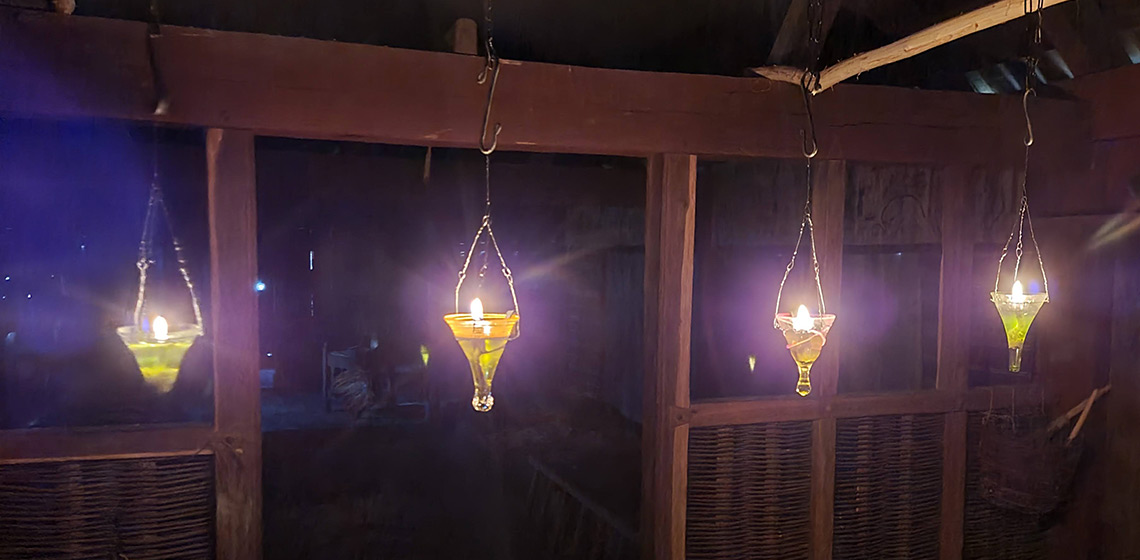
Funnel-shaped glasses have been found in several places, for example in Birka (graves 577, 526, 551, 850, 854, 464, 849 and 433), Sweden and in the Netherlands (De Heul, Utrecht collection PUG). They are often used by reenactors as drinking cups, but could that be their only possible function?
Anglo-Saxon Beads: Redefining The “Traffic Lights”
Publication Date
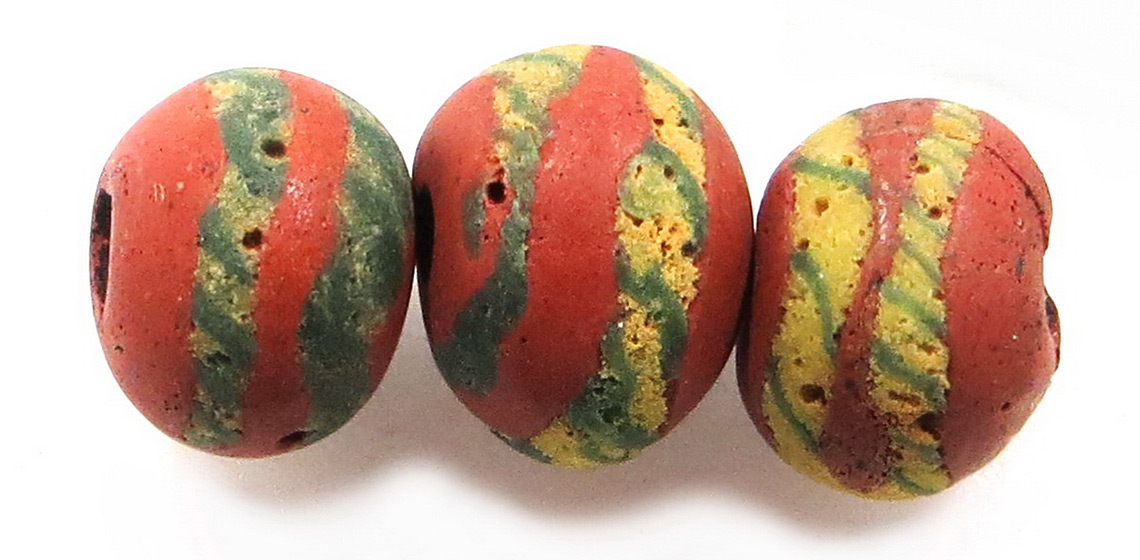
Many thousands of glass beads have been excavated from Early British cemeteries of the fifth and sixth centuries AD. Amongst these beads is a type that was particularly common: decorated polychrome beads in red, yellow, and green glass in a variety of styles and combinations. Birte Brugmann, in her 2004 analysis of Saxon-period glass beads (Brugmann, 2004), named these beads “Traffic Light” (TL) beads...
Making the Book of Kells
Publication Date
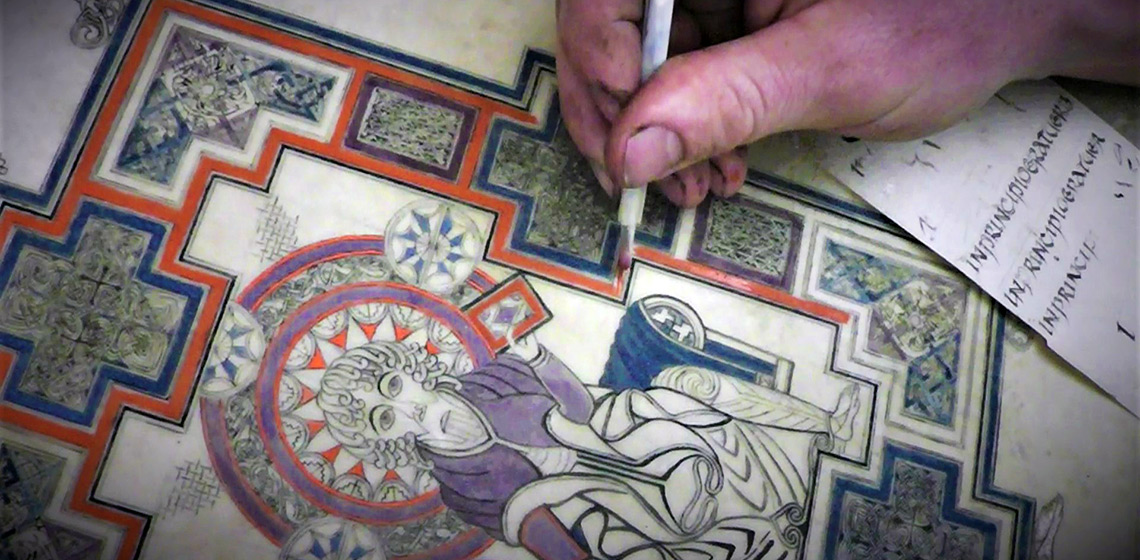
This article gives a brief history of the context of the Book of Kells before summarising recent research into its material makeup. It then goes on to introduce a possible site of production that has been excavated in the Scottish Highlands, before introducing a project to recreate a folio from the manuscript as an experimental archaeology project.
(Re)constructing an Early Medieval Irish Ard
Publication Date
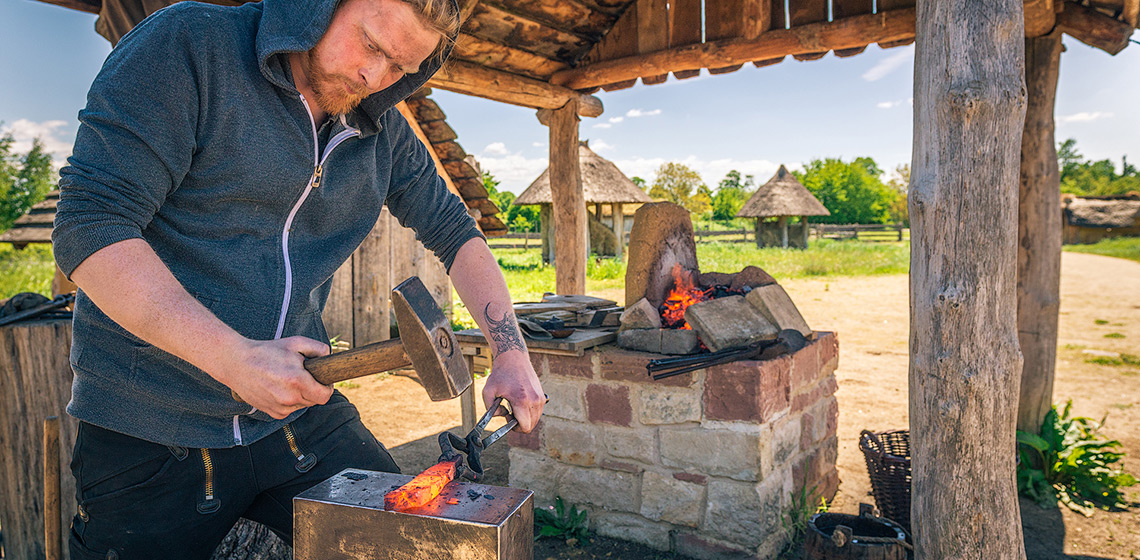
This article outlines the results of an EXARC funded 2019 Twinning project exploring the production and use of an Irish early medieval ard. In this, the project partners researched the evidence for early ploughs and ards, made bloomery iron, produced an ard share, and worked wood to form the frame of the ard. This paper also includes...