
Iron Age
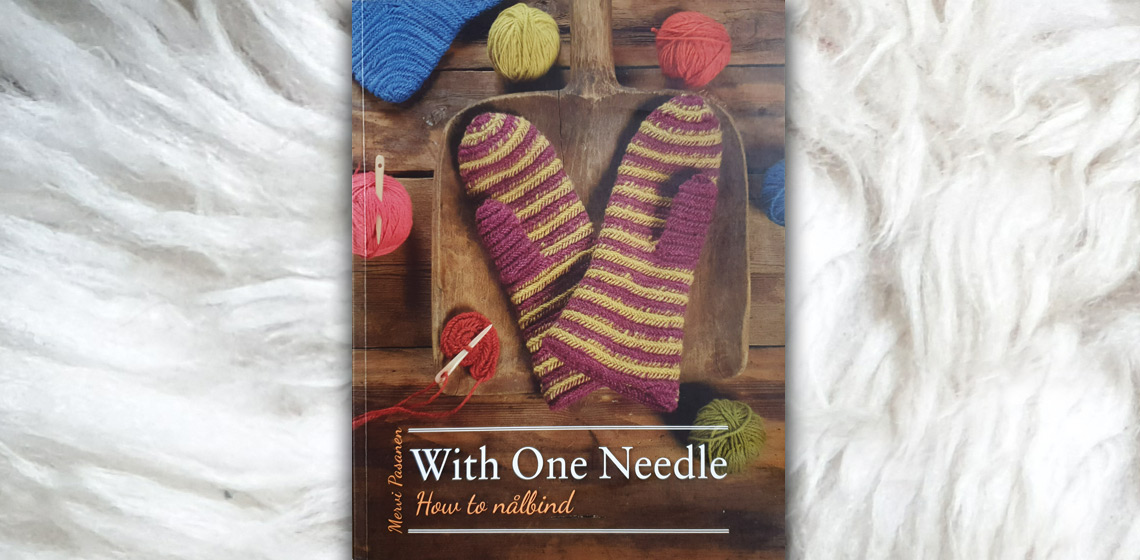
Book Review: With One Needle: How to Nålbind by Mervi Pasanen
Publication Date
In the modern world currently, there is an interest in and desire to understand ancient craft technologies, along with learning the practical side of these skills. Nålbinding is a craft which has been taught and demonstrated for the last 50 years, mainly within heritage and re-enactment communities. The cultural and social history of this craft has survived as a narrative better in some countries than others...
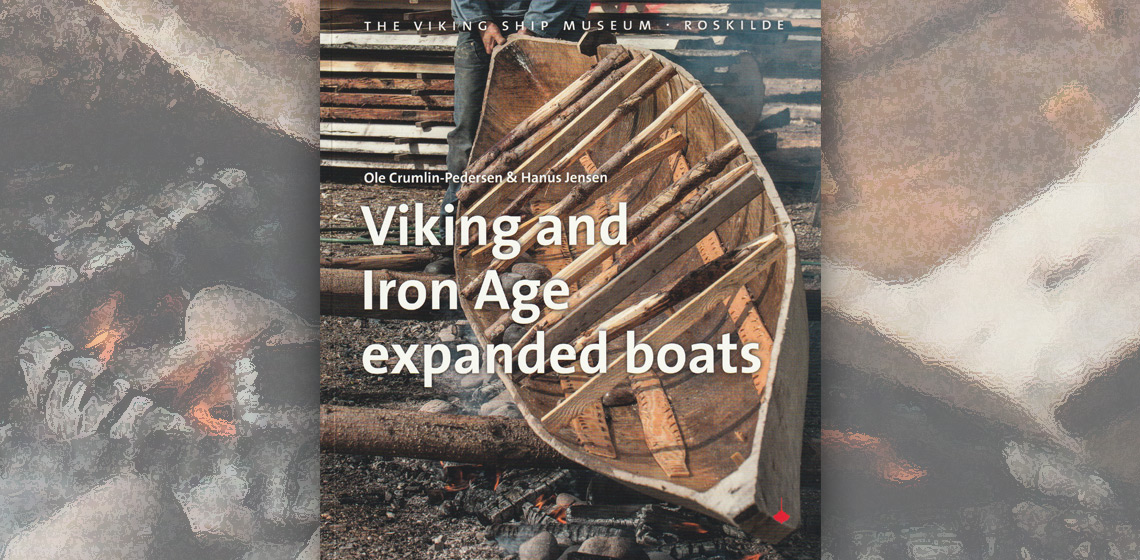
Book Review: Viking and Iron Age expanded Boats by Ole Crumlin-Pedersen and Hanus Jensen
Publication Date
Viking and Iron Age expanded boats is the English version of the simultaneously-published Danish edition, Udspændte både fra vikingetid og jernalder. The two editions are identical in layout and are heavily illustrated with colour and black and white photographs, and line drawings from a variety of sources. This review is of the English edition.
By “expanded boats”, the authors mean those craft that are more...
The Vertical Olive Crushing Mill as a Machine and its Energy Balance - A Preliminary Approach
Publication Date
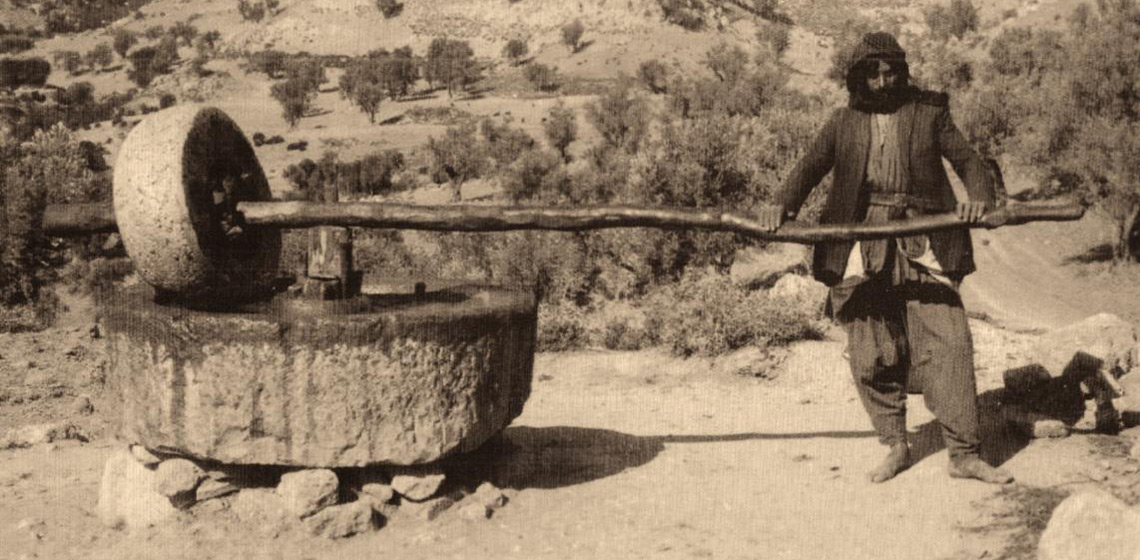
The vertical crushing mill turns the olives into pulp by combining the rotational and rolling motion of a heavy upright stone wheel that moves with continuous contact along a circular horizontal trajectory on a stationary base which forms the system's frame of reference. It was devised during the Hellenistic period and served as one of the most important and impressive means of production in the pre-industrial olive mills of Crete and the Mediterranean in general, until more advanced mill types gradually started replacing it from the mid-19th century onwards.
Smelting Conditions and Smelting Products: Experimental Insights into the Development of Iron Bloomery Furnaces
Publication Date
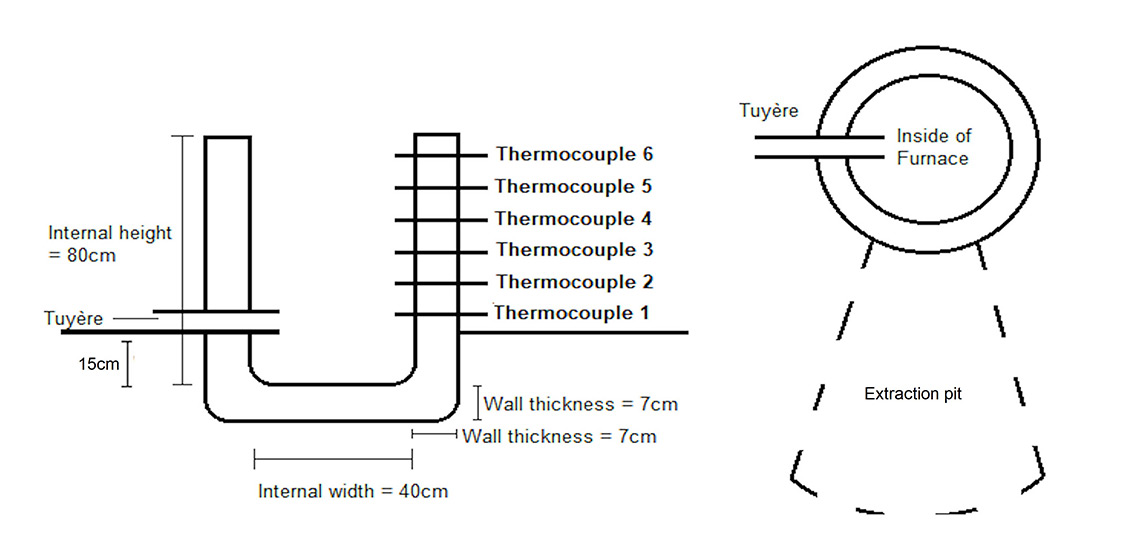
The material record for bloomery furnaces in Iron Age and Roman Britain is fragmentary and, because of this paucity of evidence, the reconstruction of the ceramic structures used in iron production is difficult. Experiments have nevertheless been carried out to ...
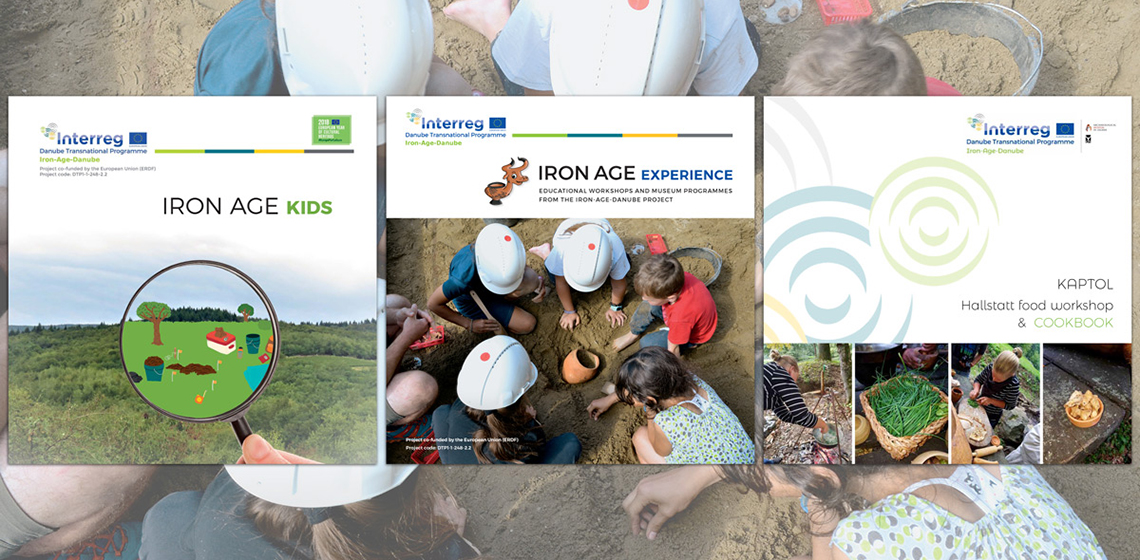
Book Review: Iron Age Experience, Iron Age Kids and Kaptol - Hallstatt Food Workshop & Cookbook
Publication Date
Iron-Age-Danube was a cross-border project, part of the Interreg Danube Transnational Programme of the European Union. It lasted from 2017 until 2019. It counted 12 partners and seven associated organisations from in Austria, Croatia, Hungary, Slovakia and Slovenia.
The major goal of the project is to communicate a lively image of archaeological research and the Iron Age landscapes to the visitors...
Embossing Technique between III and II Century BC: Experiments and First Results
Publication Date
11th EAC Trento 2019
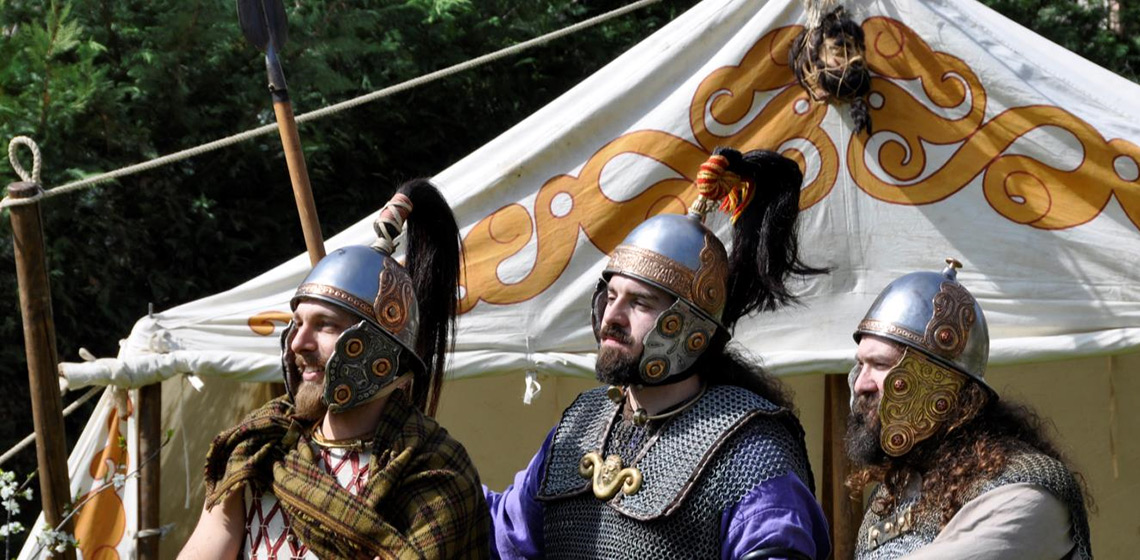
***The purpose of this paper is to explain our experience with the process of experimental archaeology, involving the reproduction and field testing of embossed decorations, inspired to archaeological finds. As a re-enactment group focused on Celts and Ligurians of III – II century BC we reproduce items and/or ornaments...
***The purpose of this paper is to explain our experience with the process of experimental archaeology, involving the reproduction and field testing of embossed decorations, inspired to archaeological finds. As a re-enactment group focused on Celts and Ligurians of III – II century BC we reproduce items and/or ornaments...
Experimental Research on the Setting up and Exploitation of the Human Prehistoric Habitat in the Middle Dniester Region
Publication Date
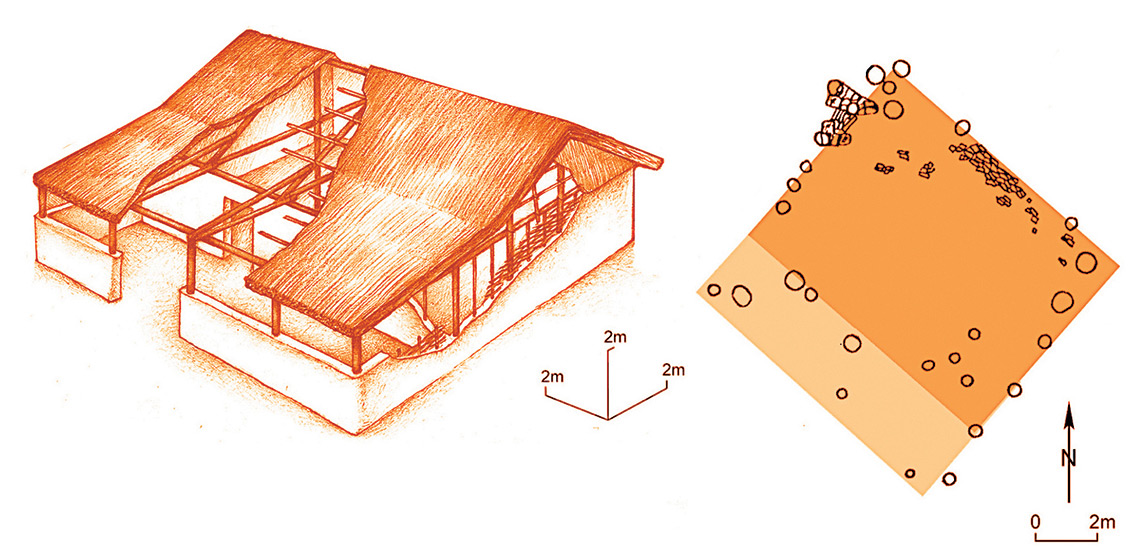
The research of archaeological monuments in the Middle Dniester basin over the last two decades has highlighted a series of new data on the evolution of human communities during the first Iron Age (8th to 10th centuries BC), demonstrating the advanced level and original character of Cozia-Saharna communities (Каshuba, 2000; Niculiţă and Nicic, 2002; Niculiţă, et al., 2003; Niculiţă and Nicic, 2007; Niculiţă, Zanoci and Arnăut, 2007; Zanoci and Băţ, 2007; Kašuba, 2008, p.40; Niculiţă and Nicic, 2008; Niculiţă, et al., 2008).
Keep it in your own Backyard: New Experimental Perspectives on Domestic Iron Age Lithic Industries in the Northwestern Iberian Peninsula
Publication Date
11th EAC Trento 2019
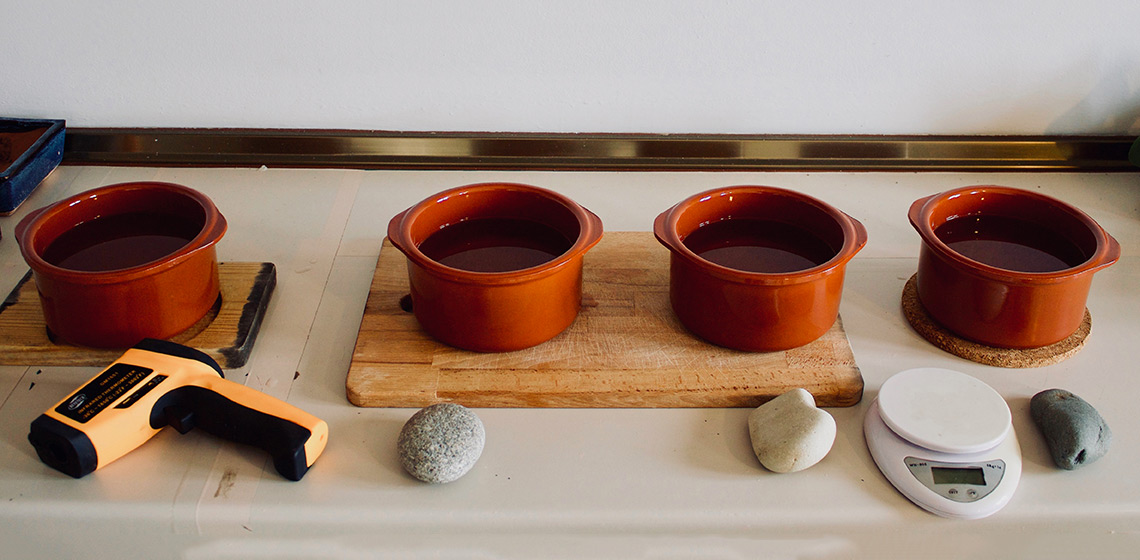
***Both knapped and polished lithic industries have traditionally been given great regard within the archaeological studies of northwestern Iberian Peninsula, mostly focusing on their typologies and the materials used. However, this has not been the case with other stone objects, such as rolling stones, that tend to appear in...
***Both knapped and polished lithic industries have traditionally been given great regard within the archaeological studies of northwestern Iberian Peninsula, mostly focusing on their typologies and the materials used. However, this has not been the case with other stone objects, such as rolling stones, that tend to appear in...
Reaching Out to the Communities We are Here to Serve: Developments at the Scottish Crannog Centre
Publication Date
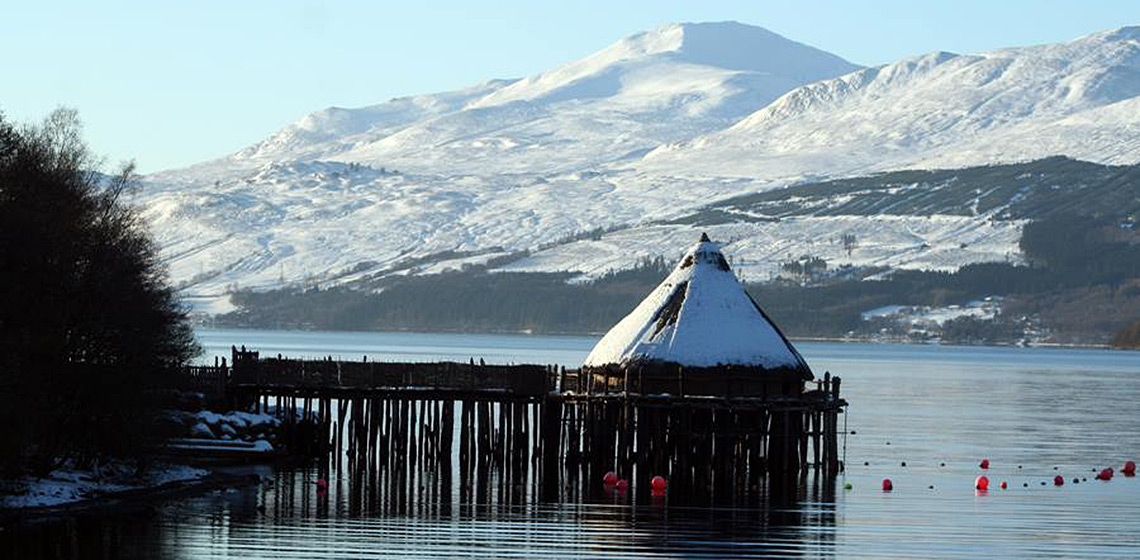
The Scottish Crannog Centre is a small archaeological open-air museum on Loch Tay in Perthshire. It originally operated as a visitor attraction, giving people a glimpse into life in the Early Iron Age through demonstrations of ancient skills and guided tours of a reconstructed crannog – loch dwelling – based on discoveries and excavations made by the Scottish Trust for Underwater Archaeology...
Book Review: Experimentelle Archäologie in Europa, Jahrbuch 2019
Publication Date
Annual Proceedings of the EXAR Tagung
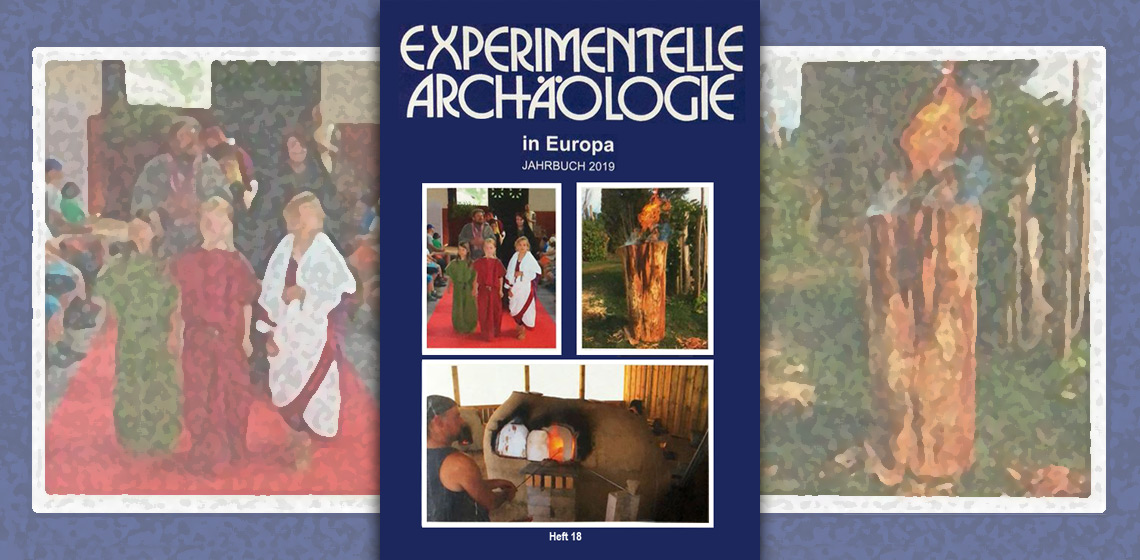
***It is the 18th issue of the periodical and includes 27 essays on experimental archaeology as well as an annual report (Jahresbericht, p. 321), an obituary for Sylvia Crumbach (p.325) and instructions for authors (Autorenrichtlinien, p. 326) of Experimentelle Archäologie in Europa on 328 pages...
***It is the 18th issue of the periodical and includes 27 essays on experimental archaeology as well as an annual report (Jahresbericht, p. 321), an obituary for Sylvia Crumbach (p.325) and instructions for authors (Autorenrichtlinien, p. 326) of Experimentelle Archäologie in Europa on 328 pages...