
Iron Age
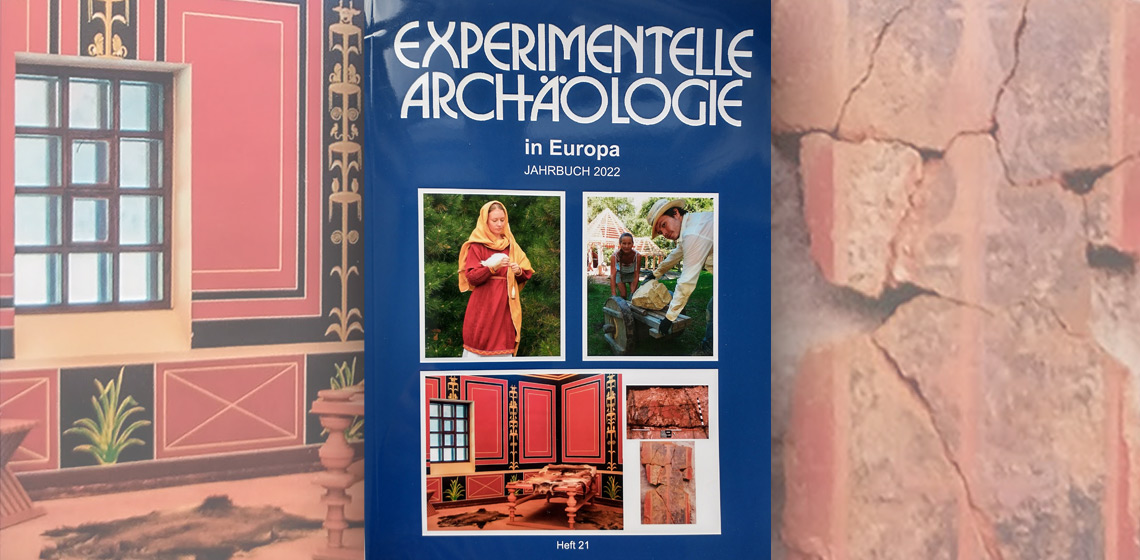
Book Review: Experimentelle Archäologie in Europa, Jahrbuch 2022
Publication Date
Annual Proceedings of the EXAR Tagung
***The periodical is published by Gunter Schöbel and the European Association for the Advancement of Archaeology by Experiment e. V. (Europäische Vereinigung zur Förderung der Experimentellen Archäologie) in collaboration with the Pfahlbaummuseum Unterhuldingen...
***The periodical is published by Gunter Schöbel and the European Association for the Advancement of Archaeology by Experiment e. V. (Europäische Vereinigung zur Förderung der Experimentellen Archäologie) in collaboration with the Pfahlbaummuseum Unterhuldingen...
Drawing Wire
Publication Date
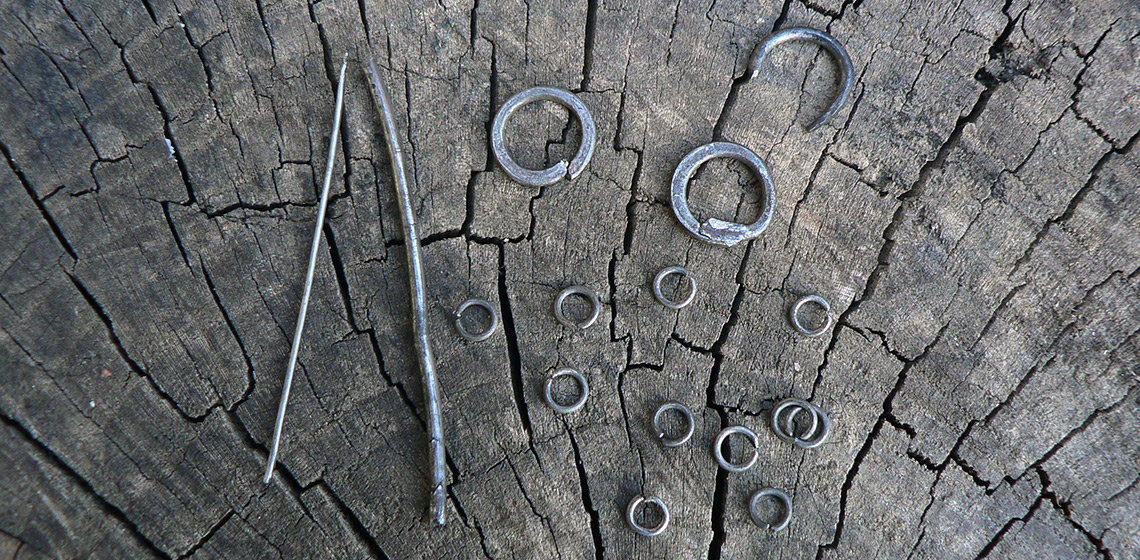
Very few experiments have been conducted on drawing wires of iron made from bog ore. One of them, however, was carried out at the forge at Lejre Land of Legends in Denmark. The iron used for the experiments was obtained from three different sites in Denmark where well-documented experiments in the extraction of bog iron ore took place...
Experimenting with the Ancient Greek Pottery Production Process from Clay Selection to Firing in a (Re)constructed Updraft Kiln
Publication Date
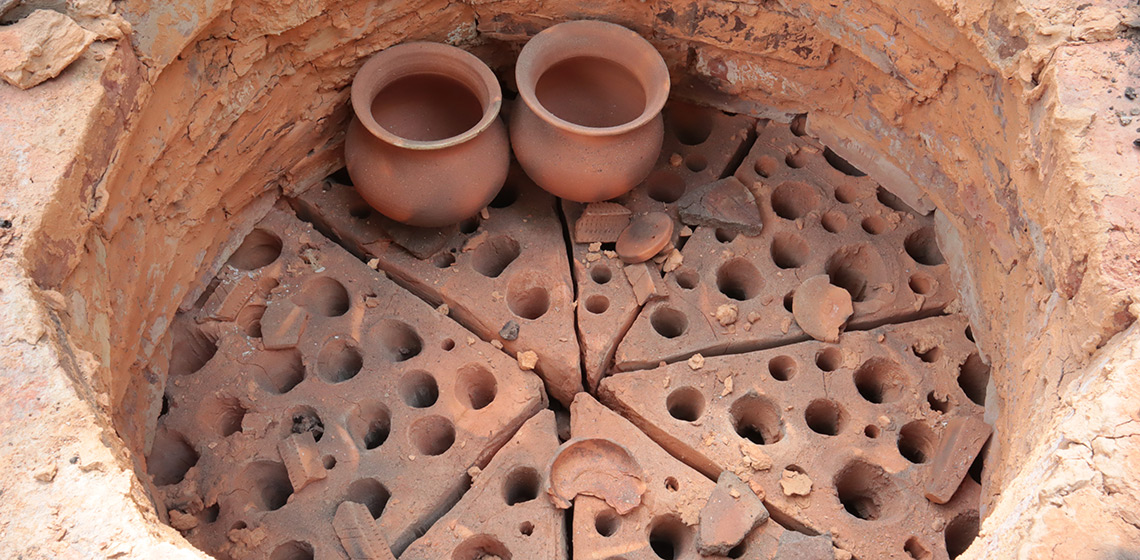
This article presents an experimental archaeology project that aimed to reproduce the Hellenistic Greek pottery production process. The project's main research questions were focused on understanding how locally available raw materials and climatic conditions influenced the production process and how the process created social networks with the local community...
Reconstruction of ‘Lattara type’ Housing in a French Archaeosite in Southern France
Publication Date
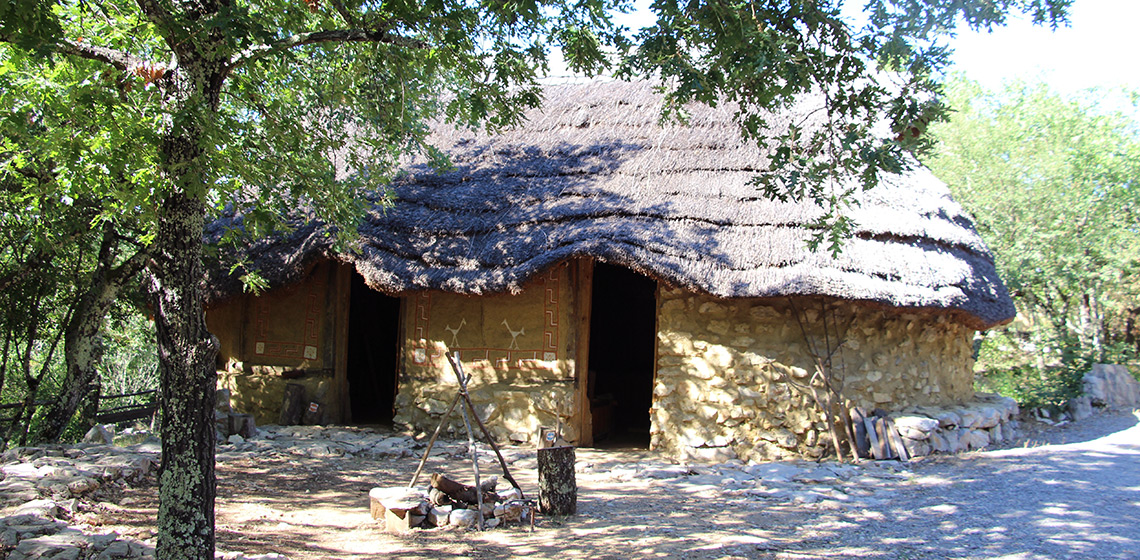
Randa Ardesca is an "Archaeosite", which means it is a place dedicated to experimental archaeology and living history. This type of site could also be an archaeological site, but Randa Ardesca is not because the excavations made in situ were not inconclusive. We are located in the south of France, in the region of Ardèche...
An Experimental Approach to Tannur Ovens and Bread Making in the southwest of the Iberian Peninsula during the Iron Age
Publication Date
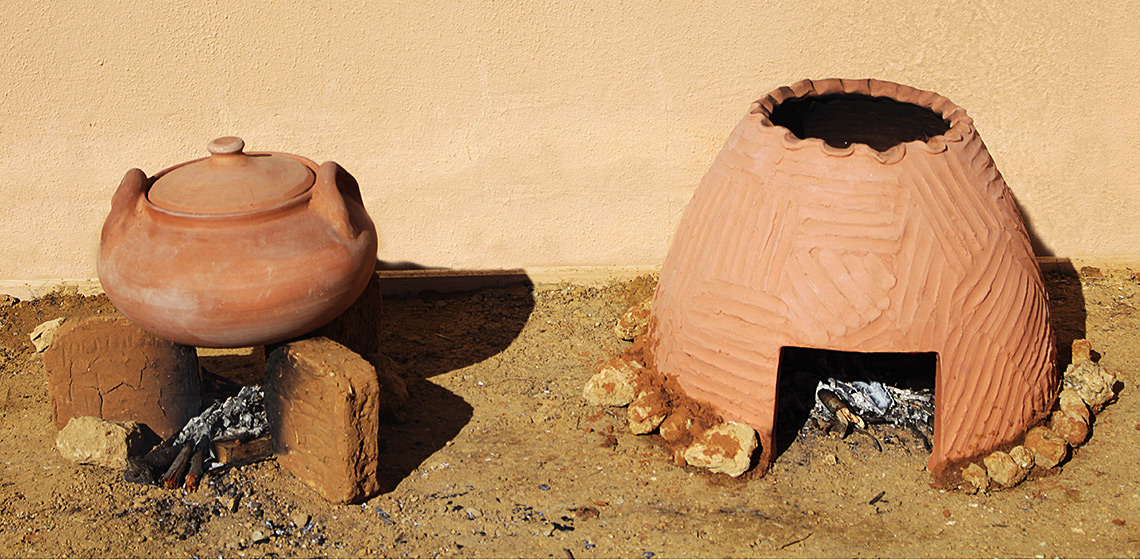
Culinary culture has played an essential role in the configuration and interaction of human societies throughout history, shaping both individual and collective identities. Like the modern Mediterranean diet, Phoenician-Punic subsistence relied on cereals, often in the form of...
Peat Burns: The Methods and Implications of Peat Charcoaling
Publication Date
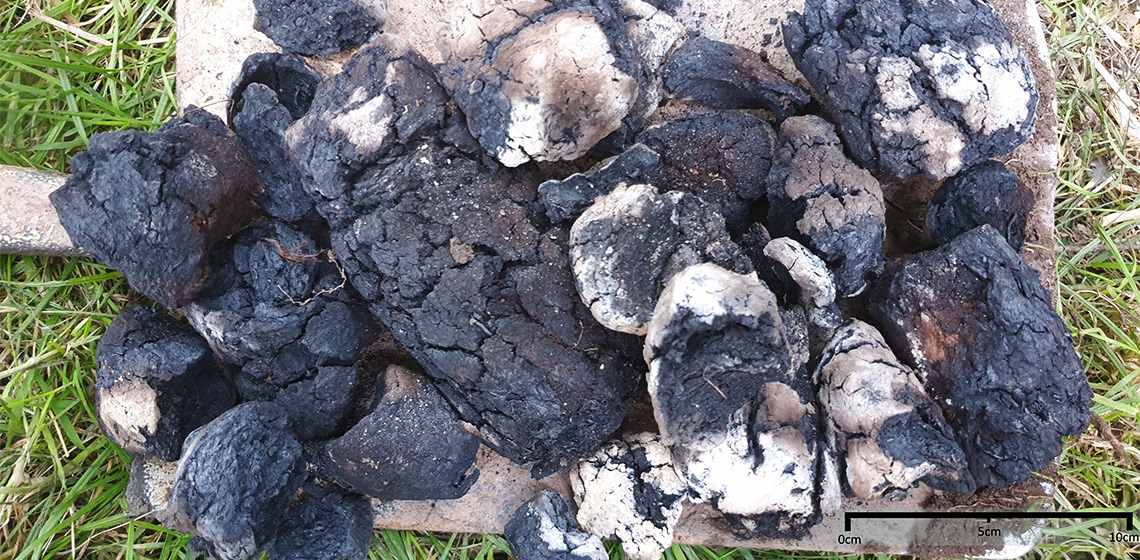
The Northern Isles of Scotland offer a fascinating case study for understanding past economies and resource management due to the comparative lack of trees found elsewhere in the British Isles. Archaeological evidence proves that this environment did not prevent the development of industrial pursuits in this region during the Iron Age and local accounts dating to ...
Function Follows Form: Assessing the Functionality of Shells and Greenstone Shell Effigies as Formative Period Mesoamerican Textile Fabrication Tools, Part 1: Tagelus plebeius Atlantic Stout Razor Clam Shells
Publication Date
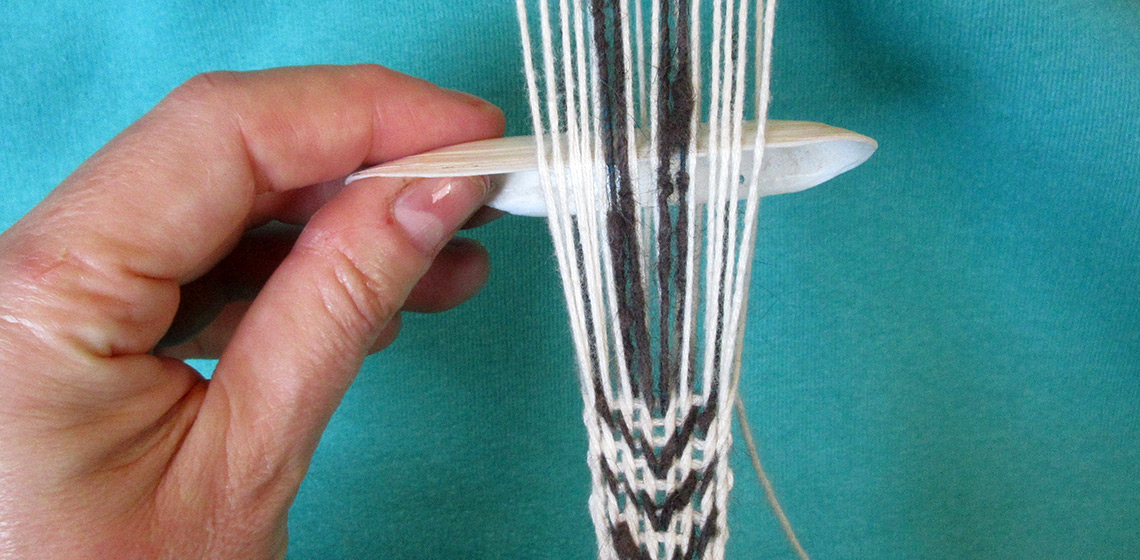
Although the importance of textiles in Mesoamerica from the Classic period (AD 250-900) onward is well-recognised, until recently little research or exploration of earlier Mesoamerican textile production has been conducted. This paucity of scholarship is attributable predominantly to the scant preservation of perishable ancient tools and textiles...
Conference Review: The Historical Metallurgy Society’s Second Accidental and Experimental Conference, June 2022
Publication Date
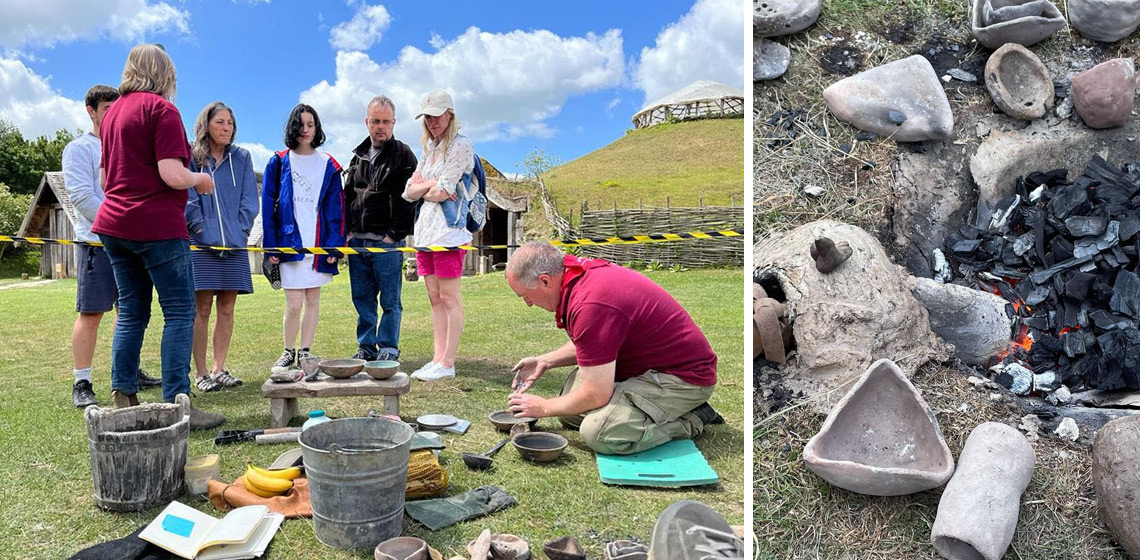
The Second Accidental and Experimental Conference was held on 10-12 June 2022 after multiple delays due to the pandemic. This year it was held at the Ancient Technology Centre in Cranbourne, East Dorset, England. The event was organised by Vanessa Castagnino on behalf of the Historical Metallurgy Society (https://historicalmetallurgy.org/).
Experimental Archaeology of Iron Age Firing Structures from the Western Mediterranean
Publication Date
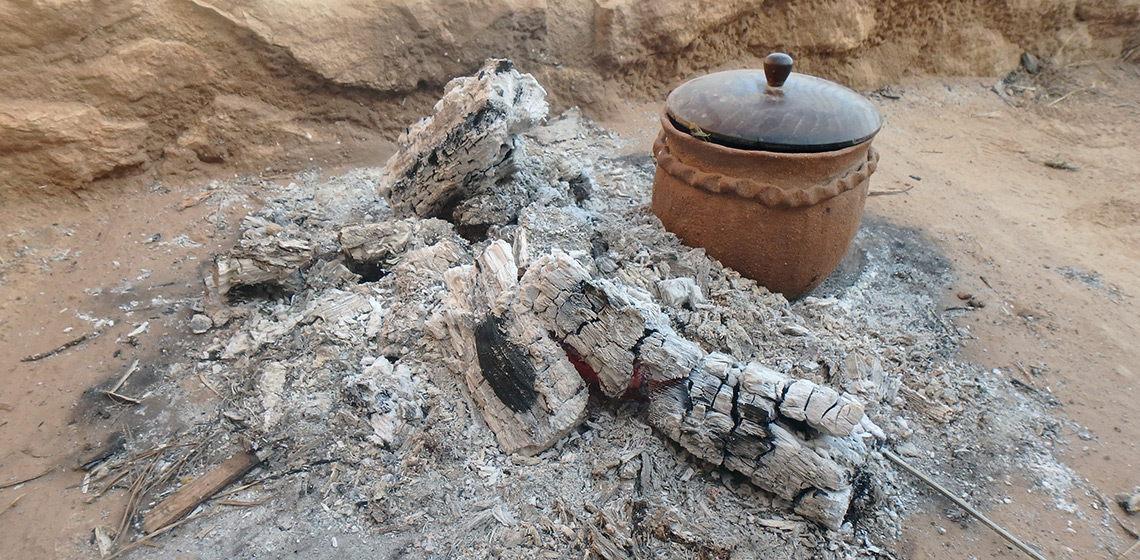
Within the project “Transdisciplinary and experimental study of firing structures in the western Mediterranean during Protohistory (1st millennium BC)”, the TRANSCOMB project is an experimental research programme conducted at the Ciutadella Ibèrica (Iberian Citadell) of Calafell Archaeological Site (Tarragona, Spain) (See Figure 1 and Figure 2). The main objective of the research is to deepen our knowledge of ...
The Little Bowl That Could! Experimental Iron Smelting in a Bowl Furnace
Publication Date
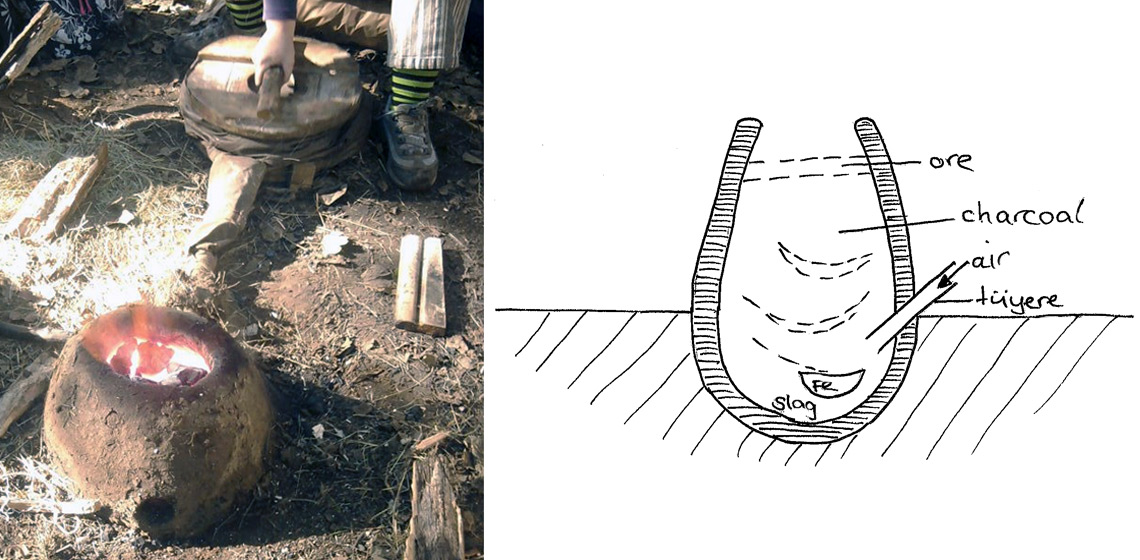
The bowl furnace has been a somewhat neglected topic in the early history of iron making, often overshadowed in experimental work by the shaft furnace. This assessment attempts to re-evaluate the position of the bowl furnace in early iron-making - firstly by looking at how it is regarded in scholarly literature, and secondly, through an experimental reconstruction programme...