
Iron Age
Documenting Traces Left on Ceramic Surfaces by Tools Used for Treatment and/or Decoration: an Experimental Approach
Publication Date
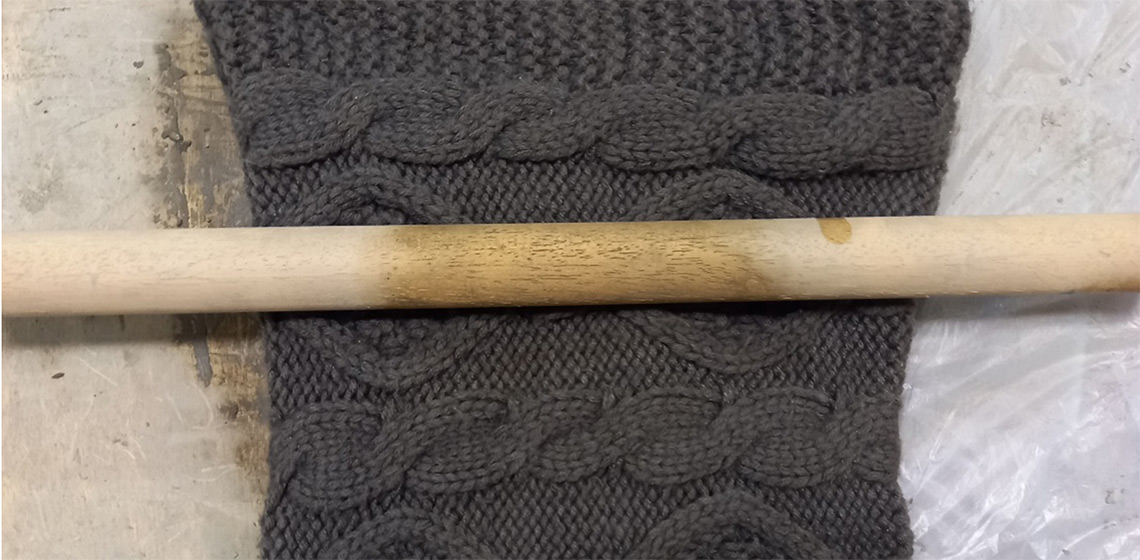
This study explores the role of experimental archaeology in investigating ancient ceramic production techniques. Utilising materials analysed by Rammo (2017) from the fortified settlements of Asva, Ridala, and Iru in Estonia, we focus on two types of impressions on sherds dated to the beginning of the 1st millennium BC. Our aim was to test the hypotheses concerning the execution methods of these impressions and evaluate the effectiveness of experimental methodologies in recreating them...
Baking Bread in the Riff Area (Morocco): An Ethnographic Approach to the Study of Iron Age Archaeological Ovens
Publication Date
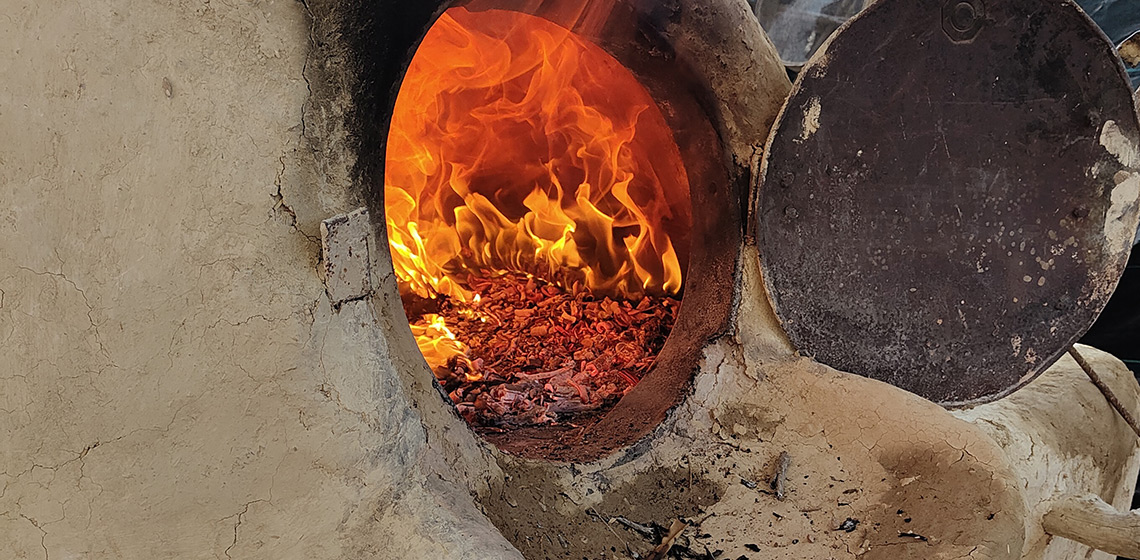
We present the result of our fieldwork conducted in the Riff area (Morocco), where, through the participant observation technique, we have analysed the characteristics and functioning of several bread-baking traditional ovens that are still working in the region. We were able to observe the chaîne opératoire of the process of baking bread...
The Salme Ship Burials
Publication Date
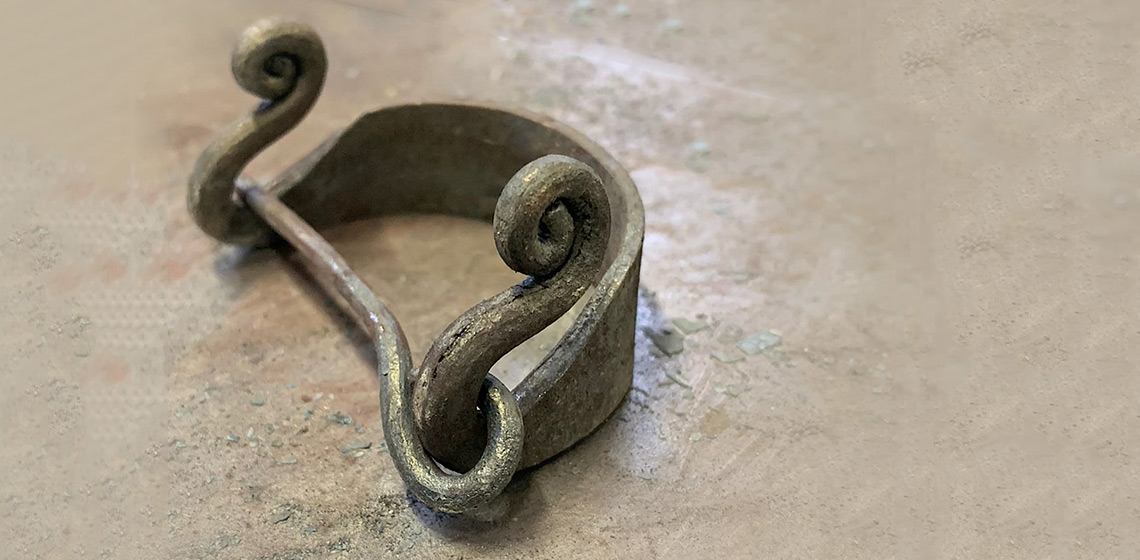
With the help of experimental reproduction of archaeological artefacts, it is possible to study how and from which materials that objects might have been made in the Iron Age. Reproductions are carried out with items such as weapons, accessories, jewellery, buildings, food, ceramics, tools, working methods, and many others...
The Lefkandi-Toumba Building as a Timber-Framed Structure
Publication Date
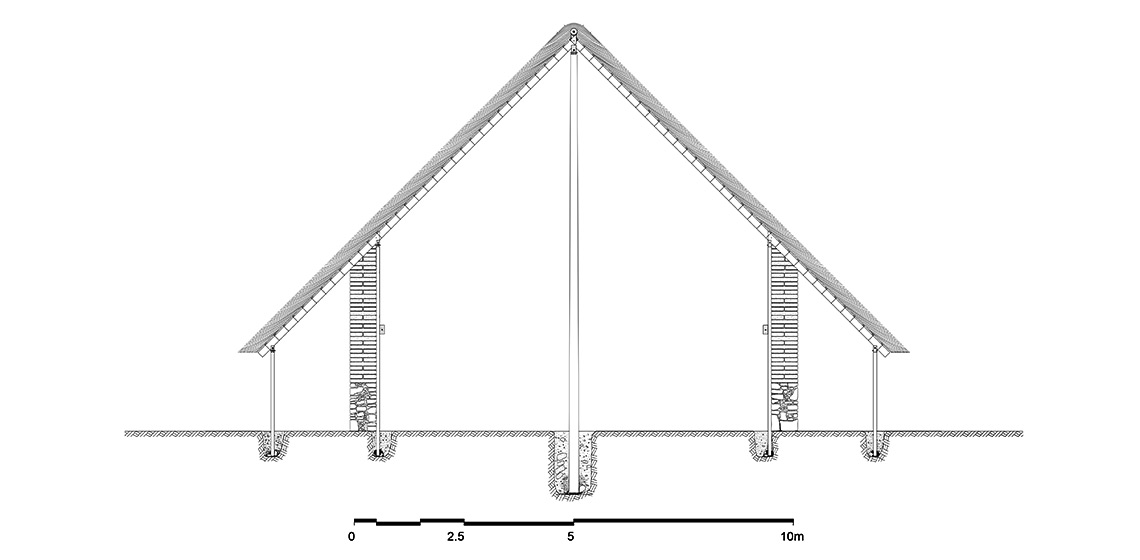
The article demonstrates that the building or megaron on the Toumba hill at Lefkandi (Euboea), dating from c.950 BC, was a timber-framed structure, in contrast to the common view of it as a building with loadbearing walls. This raises the possibility that the walls, perhaps even parts of the frame and the roof, were still under construction...
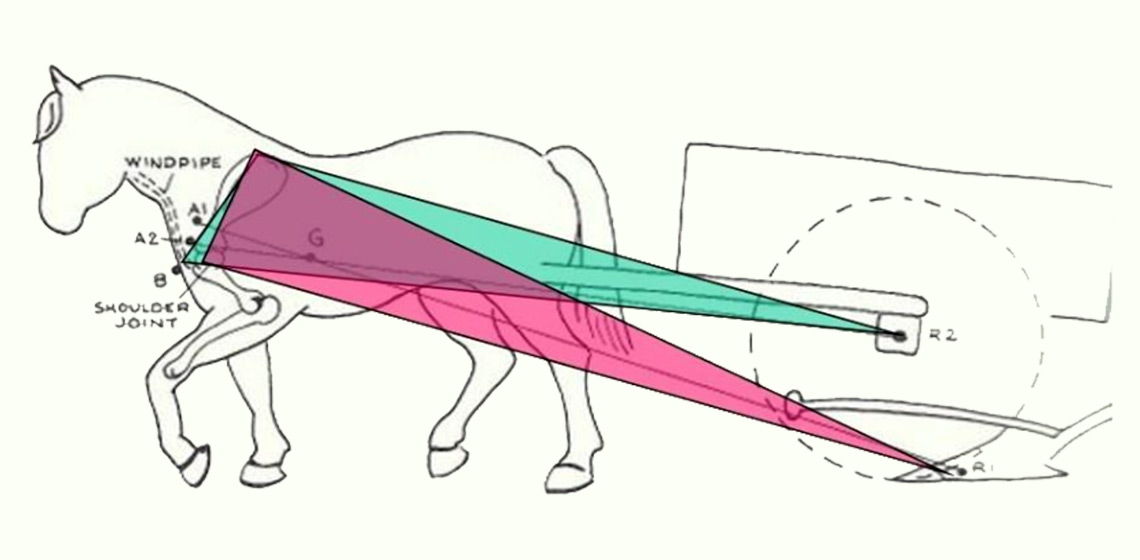
Hay is for Horses: Making and Using a Traditional-Style Irish Straw Harness
Publication Date
The lack of metal lorinery in the archaeological record of early medieval Ireland is addressed through a hypothesis that post-Iron Age bridles were made of straw and rushes, which did not survive deposition. Reconstruction and testing of a straw bridle show the material to be strong and quite suitable for vernacular use...
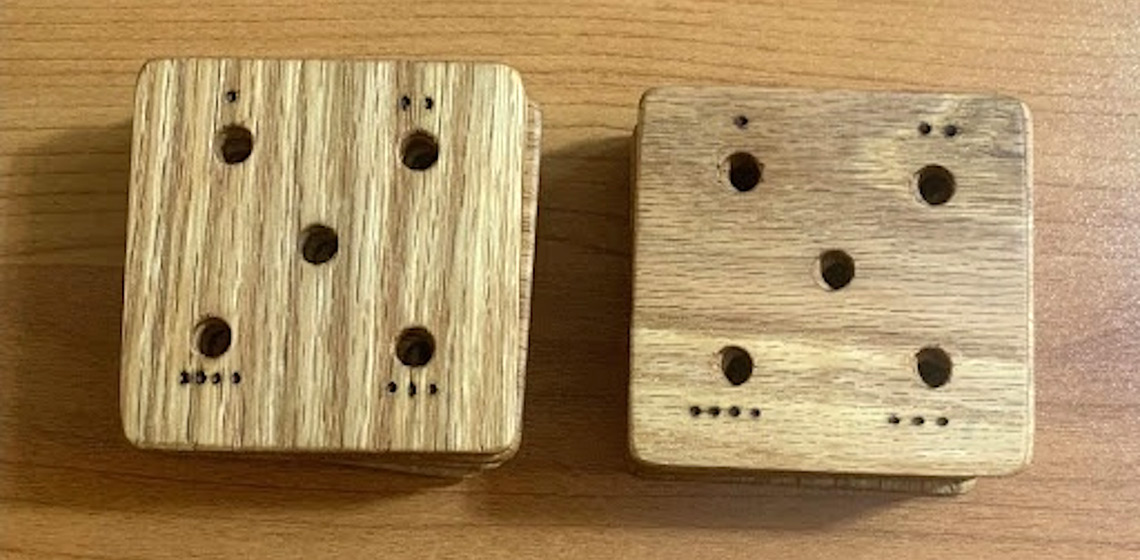
Tarquinia’s Tablets: a Reconstruction of Tablet-Weaving Patterns found in the Tomb of the Triclinium
Publication Date
Within textile Archaeology several key Etruscan sites provide experimental archaeologists with ample evidence for research and recreation. This project aims to look a the textile patterns themselves, and how these weavers might have created the images found on famous Etruscan paintings...
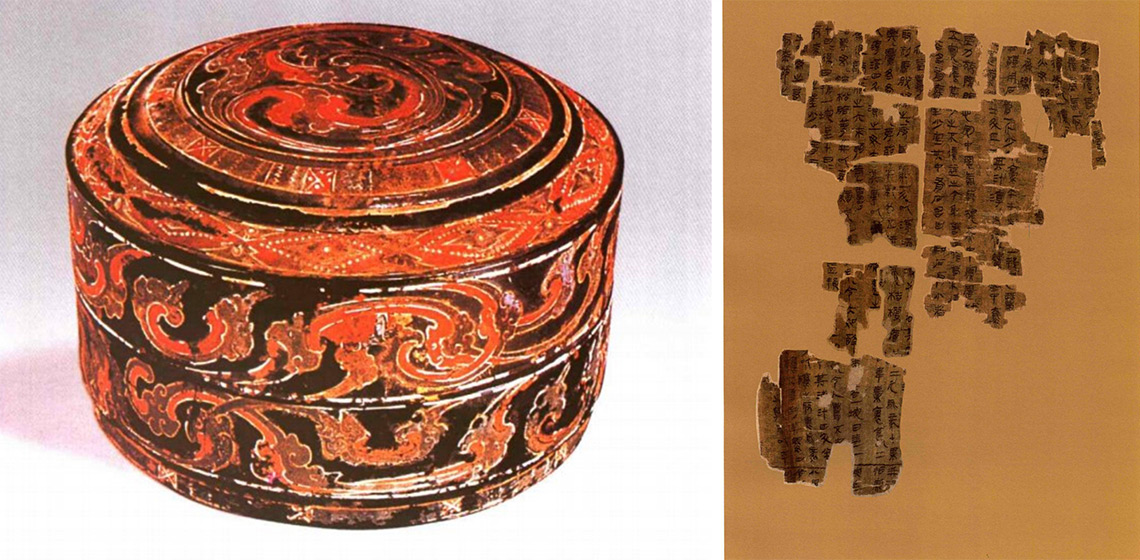
An Experimental Reconstruction of Hair Colours from the Jin and Tang Dynasties (265-907 AD) in China
Publication Date
Hair colours, as a daily cosmetic used in ancient Chinese life, often appear in ancient Chinese medical books, according to types, and can be classified into herbal hair colours and mineral hair colours.
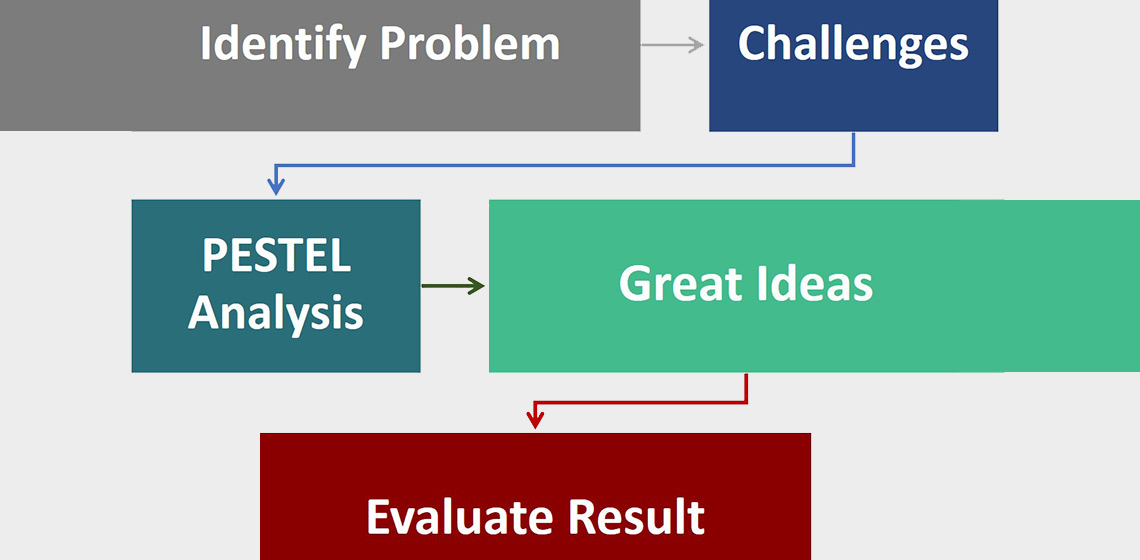
Strategy of Presenting Prehistoric Sites Like an Open-air Stand. Why and How and from a Sustainable Development Perspective
Publication Date
Archaeological excavations have revealed important sites from the prehistoric sites, with the cultural achievements of the early lithic tools of hunters-gatherers in the Palaeolithic, to the emergence of the farmer-village societies in the Neolithic, reaching on to urbanisation and the complex societies of the Chalcolithic...
“Look at the Bones!” - Adding Bone in a Bloomery Iron Smelt
Publication Date
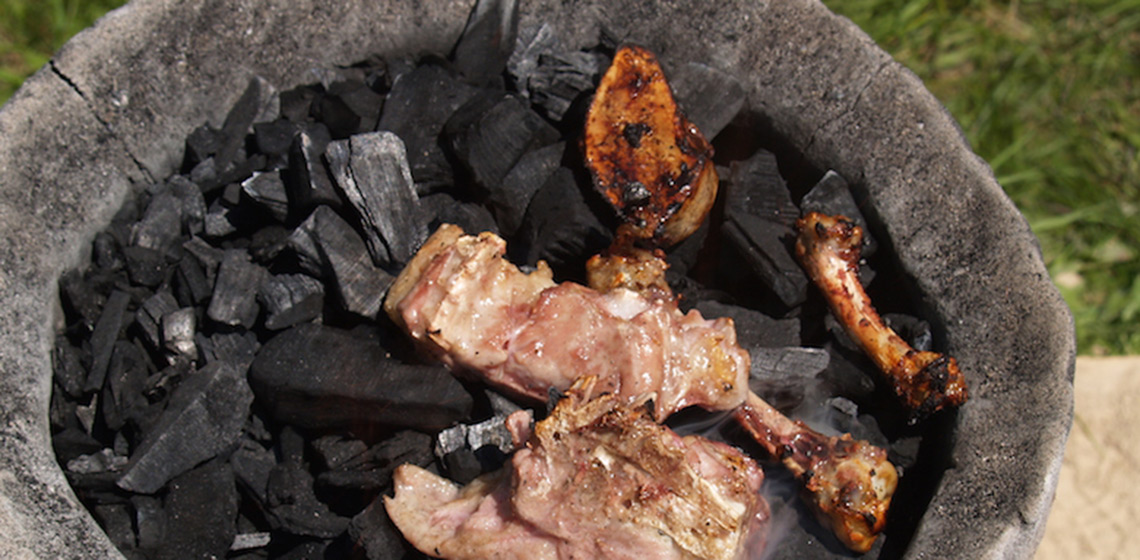
A case study of a practical experimental test. Through 2019, much was made in the popular press suggesting that during the Viking Age, exhumed human bone had been used in the chain of production from iron ore through to finished swords. Contradicting this, considerable experience with small scale direct reduction process bloomery iron smelting furnaces indicated...
Book Review: Celtiform Pendants of Pre-Columbian Costa Rica: Production, distribution, and experimental replication by Waka Kuboyama-Haraikawa
Publication Date
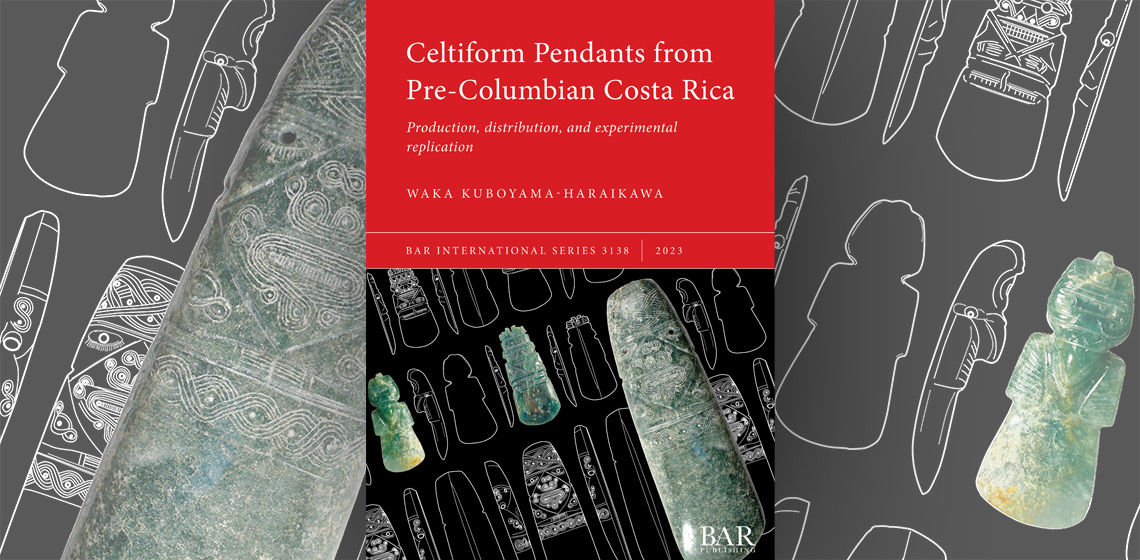
In her book, Celtiform Pendants of Pre-Columbian Costa Rica: Production, distribution, and experimental replication, Waka Kuboyama-Haraikawa seeks to highlight lapidary technologies in Costa Rica by examining the social application and production of celtiform pendants. Haraikawa is a PhD research fellow for the Center for Northeast Asian Studies...